Quick summary
Long Thanh International Airport (LTH), located 40km east of Ho Chi Minh City, will begin commercial operations in June 2026 with capacity for 25 million passengers annually. The new hub will absorb most international flights currently handled by the congested Tan Son Nhat Airport (SGN), cutting airside delays from 2–4 hours to under 30 minutes and improving on-time performance from 70% to over 90%.
Ground transfer time increases by 40–60 minutes, but biometric processing and modern infrastructure eliminate the bottlenecks that plague SGN. Travelers booking Ho Chi Minh City trips for mid-2026 onward should monitor airline announcements for flight transfers to LTH.
Vietnam’s largest aviation project reaches a milestone this June when Long Thanh International Airport opens for passenger service. The $16 billion facility will immediately relieve Tan Son Nhat, which currently operates at 120–150% capacity during peak periods and causes routine slot cuts for international arrivals.
For travelers flying from North America, Europe, or Australasia, the shift means a longer drive from the airport but a vastly faster experience once inside the terminal.
The airport conducted its first technical flights in September 2025, followed by a ceremonial opening on December 19, 2025, featuring a Vietnam Airlines Boeing 787 charter. Phase 1 infrastructure — including a 4,000-meter runway completed in April 2025 — is 74% complete as of March 2026, with nearly 9,000 workers accelerating toward a Q3 2026 finish.
What Long Thanh delivers
The airport’s first phase includes one passenger terminal, one runway, and capacity for 25 million passengers annually, rising to 15 million by end-2027 as airlines complete their transition. Vietnam Airlines, Vietjet Air, and Bamboo Airways will shift most international operations to LTH starting in June, freeing Tan Son Nhat for domestic and low-cost carrier traffic.
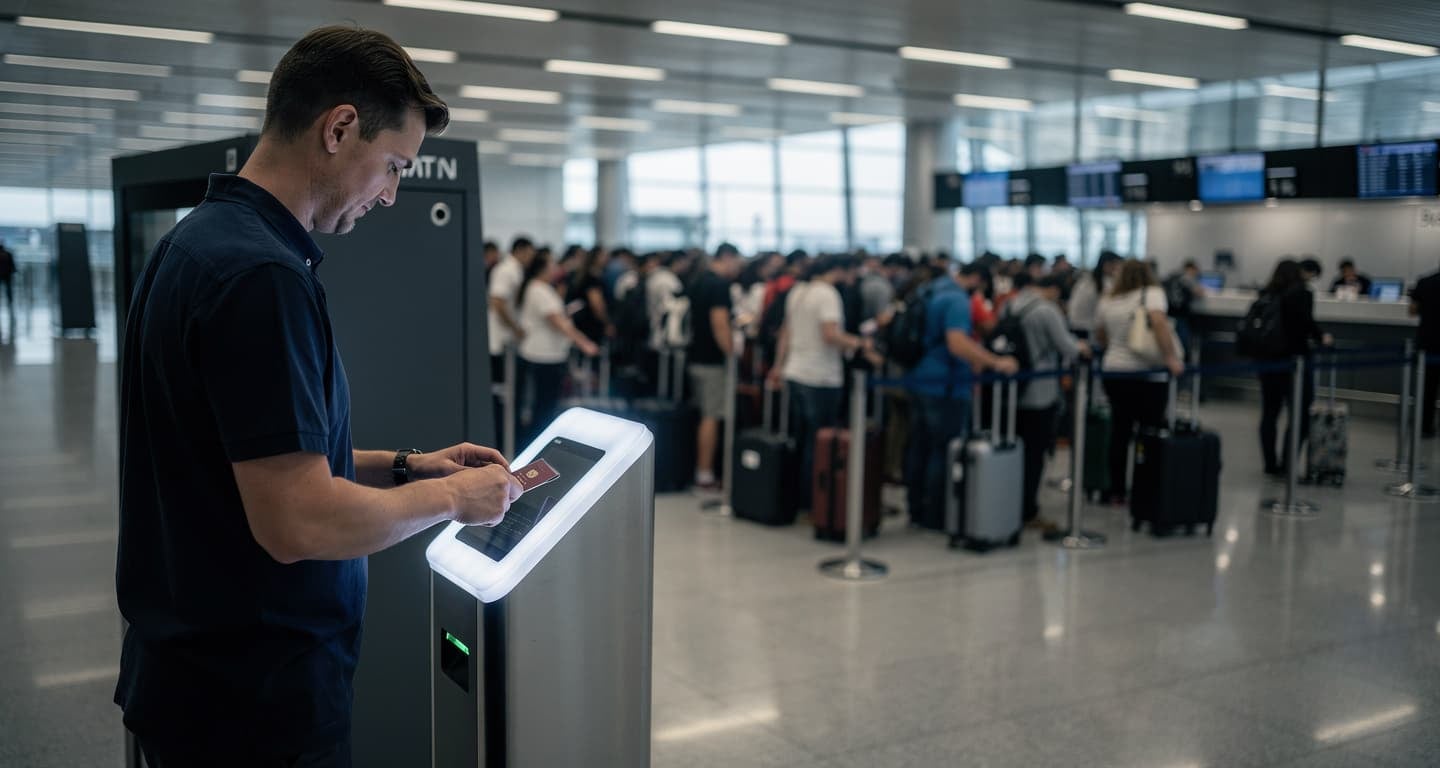
Long Thanh is designed as a “Smart Green Airport” with biometric check-in, self-service bag drop, and documentless immigration — a significant upgrade from SGN’s manual processing. The 115-meter air traffic control tower, catering facilities, and supporting infrastructure are on track for Q4 2026 commercial launch.
Ground access is accelerating in parallel. The 40km SGN–LTH expressway, Bien Hoa–Vung Tau route, and Ben Thanh–Suoi Tien metro extension are all scheduled for completion by mid-2026. Shuttle services will cost approximately $10–15 for a 45-minute transfer, with high-speed rail trials planned for Q4 2026 at around $5 for 30 minutes.
| Component | Status | Completion date |
|---|---|---|
| Main runway (4,000m) | Complete | April 2025 |
| Passenger terminal | 74% complete | Q3 2026 |
| Air traffic control tower | Under construction | Q3 2026 |
| SGN–LTH expressway | Under construction | Mid-2026 |
| High-speed rail link | Trials planned | Q4 2026 |
Flight deals
most people never see
Our AI monitors 150+ airlines for pricing anomalies that traditional search engines miss. Air Traveler Club members save $650 per trip per person on average: see how it works.
Each deal saves 40–80% vs. regular fares:

Why this fixes a real problem
Tan Son Nhat currently handles 45 million passengers annually despite being designed for 28 million. The result: 2–4 hour delays during peak periods, frequent slot cuts for international arrivals, and on-time performance below 70%. Airlines have been forced to pad schedules by 30–45 minutes to account for ground congestion.
Long Thanh’s Phase 1 will absorb approximately 70% of SGN’s international traffic, immediately dropping congestion to manageable levels. The biometric processing infrastructure — already tested during December’s ceremonial flights — eliminates the manual bottlenecks that slow SGN’s immigration and security queues.
For travelers, this translates to predictable departure times, faster baggage claim, and fewer missed connections. The trade-off is a longer ground transfer, but the time saved airside more than compensates. A typical international arrival at SGN currently takes 90–120 minutes from wheels-down to taxi; LTH is targeting 45 minutes.
The airport’s eventual capacity — 100 million passengers across all phases — positions Vietnam to compete with Singapore and Bangkok as a Southeast Asian hub. For now, Phase 1 solves the immediate crisis: SGN’s infrastructure can no longer support the traffic it attracts. Check flight options to Vietnam from Australasia to see how carriers are adjusting their schedules ahead of the June transition.
Steps for travelers booking mid-2026 trips
The airport opens in June 2026, but airline schedules will shift gradually as carriers move operations from SGN to LTH.
- Check your booking confirmation: If you have flights to Ho Chi Minh City scheduled for June 2026 or later, verify which airport code appears — SGN or LTH. Airlines will notify passengers of changes, but double-check 30 days before departure.
- Factor ground transfer time: Add 40–60 minutes to your arrival/departure buffer if flying into LTH. Pre-book airport shuttles or Grab rides to avoid inflated taxi fares.
- Monitor airline announcements: Vietnam Airlines, Vietjet Air, and Bamboo Airways will publish LTH transition schedules by April 2026. Subscribe to their email alerts if you have bookings in the June–December window.
- Avoid tight connections: If your itinerary involves a layover in Ho Chi Minh City, ensure both flights use the same airport. There is no airside transfer between SGN and LTH until 2030.
- Download the ACV app: Airports Corporation of Vietnam’s app will provide real-time slot updates and terminal maps once LTH opens. Install it before your trip.
Watch: High-speed rail trials in Q4 2026 will determine whether the 30-minute city link becomes a viable alternative to shuttles and taxis.

Questions? Answers.
Will my airline automatically move my flight to Long Thanh?
Airlines will notify passengers of airport changes, but you should verify your booking 30 days before departure. Most international flights will shift to LTH starting in June 2026, but some carriers may phase the transition over several months. Check your confirmation email for the airport code — SGN or LTH — and contact the airline if unclear.
How much will ground transport cost from Long Thanh to central Ho Chi Minh City?
Expressway shuttles are expected to cost $10–15 for a 45-minute ride. Grab rides will likely run $30–50 depending on traffic. High-speed rail trials in Q4 2026 may offer a $5 option with a 30-minute travel time, but service frequency is unconfirmed. Pre-booking shuttles through your hotel or the airport’s official service is recommended to avoid inflated taxi fares.
Can I connect between a flight at Tan Son Nhat and one at Long Thanh?
Not efficiently. The two airports are 40km apart with no airside transfer until Phase 2 opens in 2030. If your itinerary involves a connection through Ho Chi Minh City, ensure both flights use the same airport. If they don’t, plan for a 3-hour minimum layover to account for ground transport, check-in, and security at the second airport.
Will Long Thanh handle domestic flights?
Initially, no. Long Thanh will focus 90–95% on international traffic, with a small number of domestic feeder flights to support international connections. Tan Son Nhat will retain most domestic operations through 2027. If you’re flying domestically within Vietnam, expect to use SGN unless your airline explicitly confirms an LTH departure.
What happens if the airport doesn’t open on time?
Construction is 74% complete as of March 2026, with 9,000 workers on site and key infrastructure ahead of schedule. The runway was finished in April 2025, and the terminal is targeting Q3 2026 completion. If delays occur, airlines will continue operating from Tan Son Nhat, but the government has prioritized the June 2026 launch as a national infrastructure milestone. Monitor official announcements from Airports Corporation of Vietnam starting in April 2026.