Quick summary
As of January 1, 2026, all foreign nationals entering or exiting Laos must complete the Lao Digital Immigration Form (LDIF) online before travel. The form must be submitted via immigration.gov.la within 72 hours of both arrival and departure, generating a QR code valid for three days that immigration officers require at all major checkpoints — including Vientiane Wattay (VTE), Luang Prabang (LPQ), Pakse (PKZ) airports, and the First Lao–Thai Friendship Bridge.
The LDIF is free and separate from your visa — but missing it creates real friction at check-in and the border. The QR code’s 72-hour expiry window is the detail most travelers will get wrong.
Laos has replaced paper arrival and departure cards with a mandatory digital system. Every foreign passport holder — tourists, expats, digital nomads — must now submit the Lao Digital Immigration Form before each entry and each exit, or face manual processing at the border.
The system went live in pilot form on 15 August 2025 and moved to mandatory nationwide use from January 1, 2026. Paper forms are being phased out. At the four current pilot checkpoints, a paper fallback may still exist during the transition — but that window is closing.
For European travelers booking flights to Laos from Europe, this is a new pre-departure step that sits alongside your visa application. It is not optional, and it is not handled by your airline.
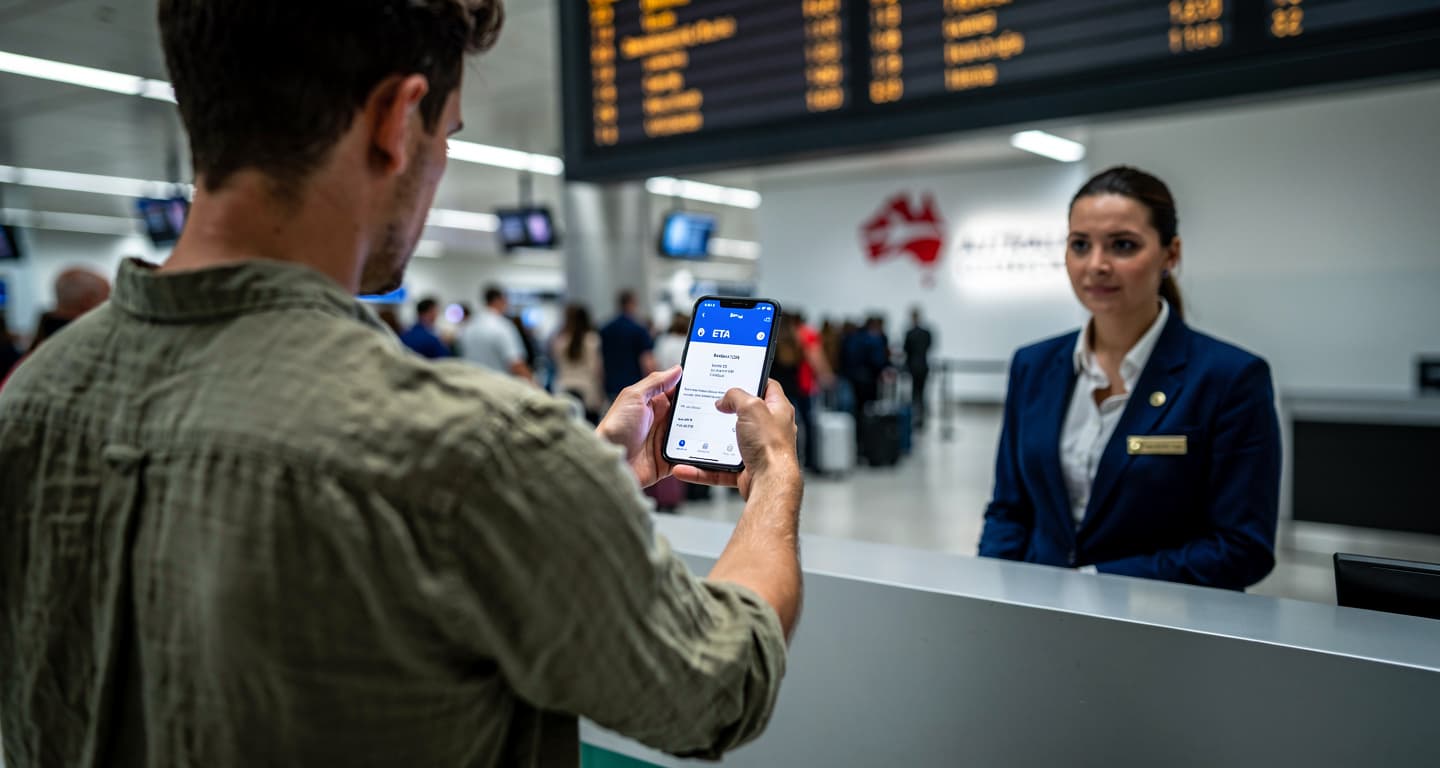
The practical risk is timing. The QR code the LDIF generates expires after three days. Submit too early, and it expires before you land. Submit too late, and you arrive without a valid code. Airlines have begun checking compliance at check-in — passengers without a QR code face manual processing that adds significant time at immigration.
What the LDIF requires and where it applies
The LDIF collects passport and visa details, travel dates, entry and exit checkpoint, accommodation addresses in Laos, and transport information. You need your first-night hotel address and flight details confirmed before you can complete the form — which means last-minute itinerary changes require a re-submission.
Current mandatory checkpoints are Vientiane Wattay (VTE), Luang Prabang (LPQ), and Pakse (PKZ) airports, plus the First Lao–Thai Friendship Bridge crossing between Vientiane and Nong Khai. The government has confirmed that all other land border checkpoints will be added progressively, with paper forms phased out entirely.
Lao citizens, permanent residents, and Thai Border Pass holders are exempt. Everyone else — regardless of nationality — must complete the LDIF for both entry and exit.
The form is free of charge. Any third-party website charging a “LDIF service fee” is a middleman, not a government requirement. The official Lao Immigration LDIF registration portal at immigration.gov.la is the only legitimate submission point.
| Factor | Old system (paper) | New system (LDIF) | Traveler impact |
|---|---|---|---|
| Arrival card | Paper form, filled on plane or at border | Online LDIF via immigration.gov.la | Must complete before reaching the airport |
| Departure card | Paper form at check-in or immigration | Separate LDIF submission required | Two submissions per trip, not one |
| Submission window | On arrival / at check-in | Within 72 hours of each crossing | Timing is critical — QR expires after 3 days |
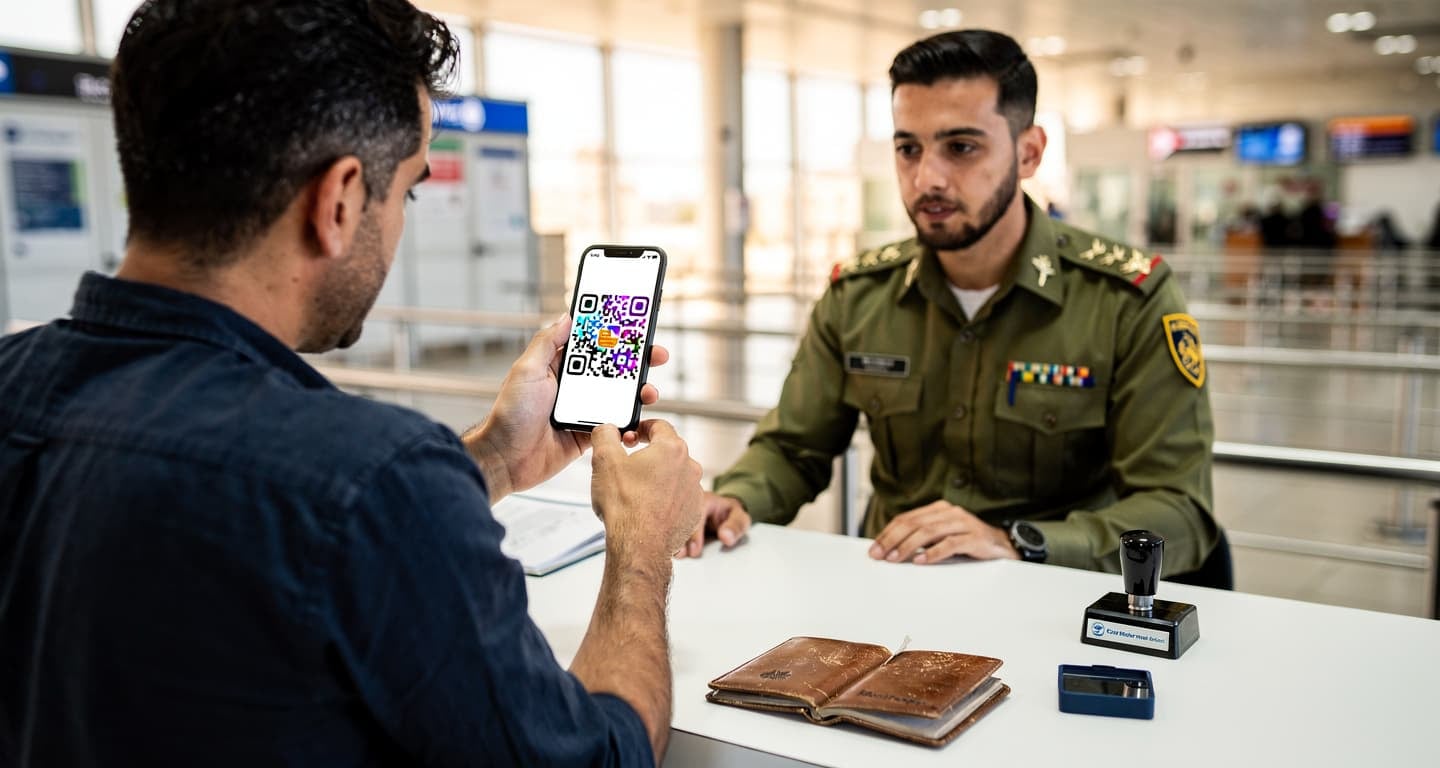
| Proof required | Paper card handed to officer | QR code (phone or printed) | No QR = manual processing, added delays |
| Cost | Free | Free (official portal only) | Third-party “service fees” are unnecessary |
| Exemptions | Lao citizens | Lao citizens, permanent residents, Thai Border Pass holders | All other foreign nationals must comply |
Flight deals
most people never see
Our AI monitors 150+ airlines for pricing anomalies that traditional search engines miss. Air Traveler Club members save $650 per trip per person on average: see how it works.
Each deal saves 40–80% vs. regular fares:

How Laos fits into Asia’s digital border shift
Laos is not alone in this move. Singapore’s SGAC, Thailand’s digitized TM.6, and Vietnam’s expanded eVisa system all reflect the same regional push: collect passenger data before the border, not at it. The LDIF is Laos’s version of a trend that has reshaped entry procedures across Southeast Asia over the past three years.
For most Western travelers — US, Canadian, European, Australian, or New Zealand passport holders — this creates a three-layer pre-travel stack: Advance Passenger Information submitted by your airline, a Lao eVisa or visa on arrival (depending on nationality), and now the LDIF. Each layer has its own deadline and its own portal.
The practical difference from the old paper system is bandwidth and timing. Instead of filling a card on the plane, you need stable internet access within a specific 72-hour window before each crossing. That’s a real constraint for overland travelers, slow-travel itineraries, or anyone whose plans shift at the last minute.
Travelers using secondary land borders — other Lao–Thai bridges, Vietnam crossings, China crossings — should verify whether LDIF is active at their specific checkpoint before departure, as the rollout to all borders is ongoing. The pilot LDIF online arrival system and 3-day QR validity details are documented by regional legal firm Tilleke & Gibbins, drawing directly from the official government notice.
Steps to take before your Laos trip
The LDIF system is live and mandatory — travelers arriving at the four main checkpoints without a valid QR code face manual processing and potential check-in complications before they even reach the border.
- Book accommodation first: You cannot complete the LDIF without a confirmed first-night address in Laos. Lock in at least your first hotel before attempting the form.
- Submit LDIF at immigration.gov.la within 72 hours of arrival: The ideal window is 24–48 hours before crossing. This applies to both entry and exit — two separate submissions per trip.
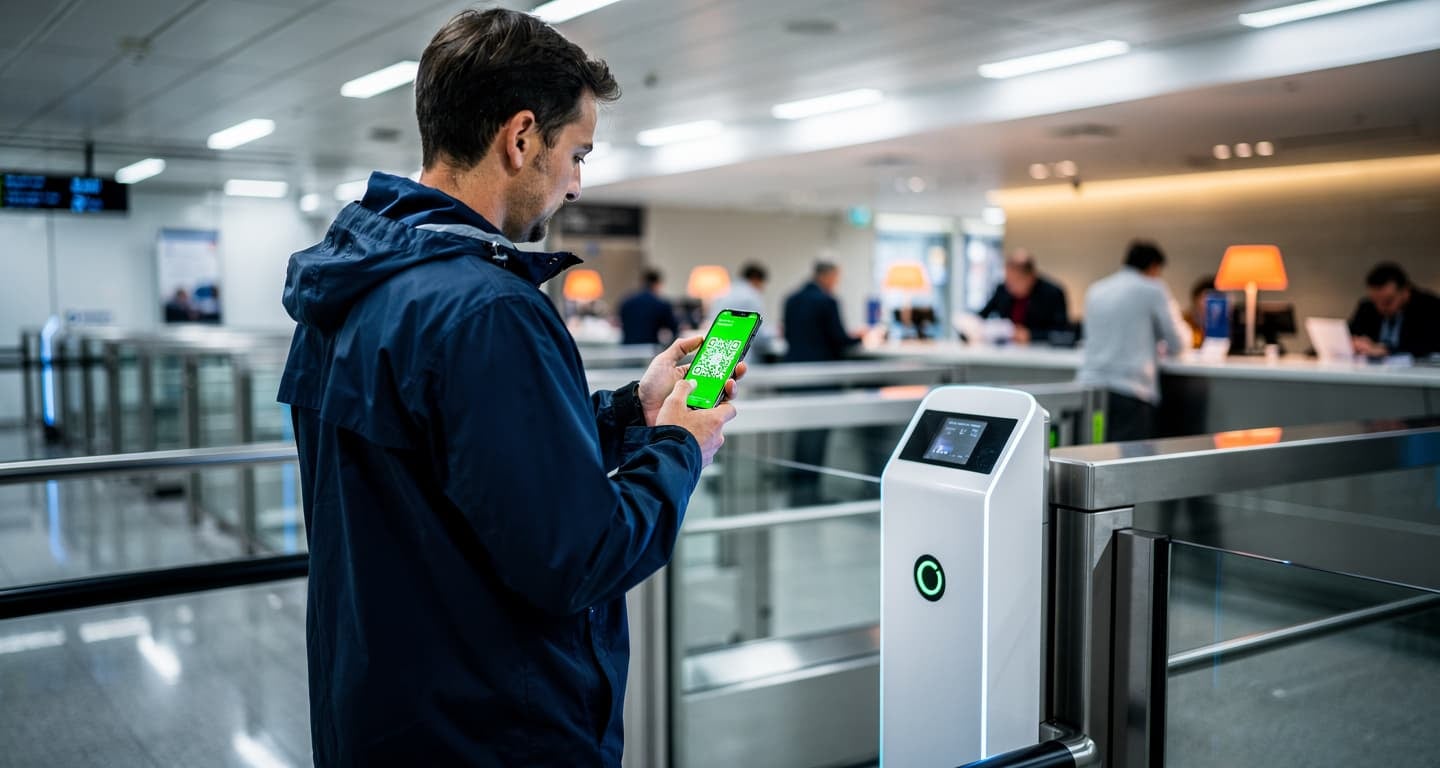
- Save your QR code in two places: Download it to your phone’s camera roll and print a physical copy. Do not rely on mobile data at the border to retrieve it.
- Handle your visa separately: LDIF is not a visa. If your nationality requires a Lao eVisa or visa on arrival (fees typically USD 30–45), that process is independent and must also be completed before travel.
- Verify your specific checkpoint: If you are crossing at a secondary land border — any crossing other than VTE, LPQ, PKZ airports or the First Lao–Thai Friendship Bridge — confirm whether LDIF is active there before departure.
- Ignore third-party LDIF services: The form is free. Any site charging for LDIF submission is unnecessary. Use only immigration.gov.la.
Watch: The Lao government has confirmed that all remaining border checkpoints will be added to the LDIF system progressively. Travelers using overland routes into Vietnam, China, or secondary Thai crossings should monitor immigration.gov.la for checkpoint expansion announcements before each trip.

Questions? Answers.
Does the LDIF replace the Lao visa, or do I still need both?
The LDIF is an immigration registration form, not a visa. They are two entirely separate requirements. If your nationality requires a Lao eVisa, visa on arrival (typically USD 30–45), or embassy visa, you must obtain that independently. Completing the LDIF without a valid visa does not guarantee entry into Laos.
What happens if my flight is delayed and my QR code expires before I arrive?
The QR code generated by the LDIF is valid for three days from submission. If your flight is delayed by more than 72 hours from the time you submitted the form, your QR code will expire. You will need to re-submit the LDIF on immigration.gov.la to generate a new, valid QR code before crossing the border. This is why submitting 24–48 hours before travel — rather than the maximum 72 hours — provides a useful buffer.
Is the LDIF required for land border crossings, or only airports?
As of January 2026, the LDIF is mandatory at four checkpoints: Vientiane Wattay (VTE), Luang Prabang (LPQ), and Pakse (PKZ) airports, plus the First Lao–Thai Friendship Bridge between Vientiane and Nong Khai. The Lao government has confirmed that all other land border crossings — including routes into Vietnam, China, and other Thai crossings — will be added progressively. Travelers using secondary borders should verify the current status of their specific checkpoint at immigration.gov.la before departure.
I found a website offering to complete the LDIF for a fee. Is this legitimate?
No. The LDIF is free of charge when submitted directly through the official Lao government portal at immigration.gov.la. Third-party websites charging a service fee for LDIF submission are middlemen — they are not required, not endorsed by the Lao government, and introduce an unnecessary risk that your data passes through an unofficial channel. Complete the form yourself on the official site only.
Do I need to submit the LDIF for both arrival and departure on the same trip?
Yes. The LDIF requires a separate submission for each border crossing — one for your arrival into Laos and one for your departure. Each submission generates its own QR code, valid for three days. Do not assume your arrival submission covers your exit. Submit the departure LDIF within 72 hours of your planned exit date, following the same process on immigration.gov.la.