Quick summary
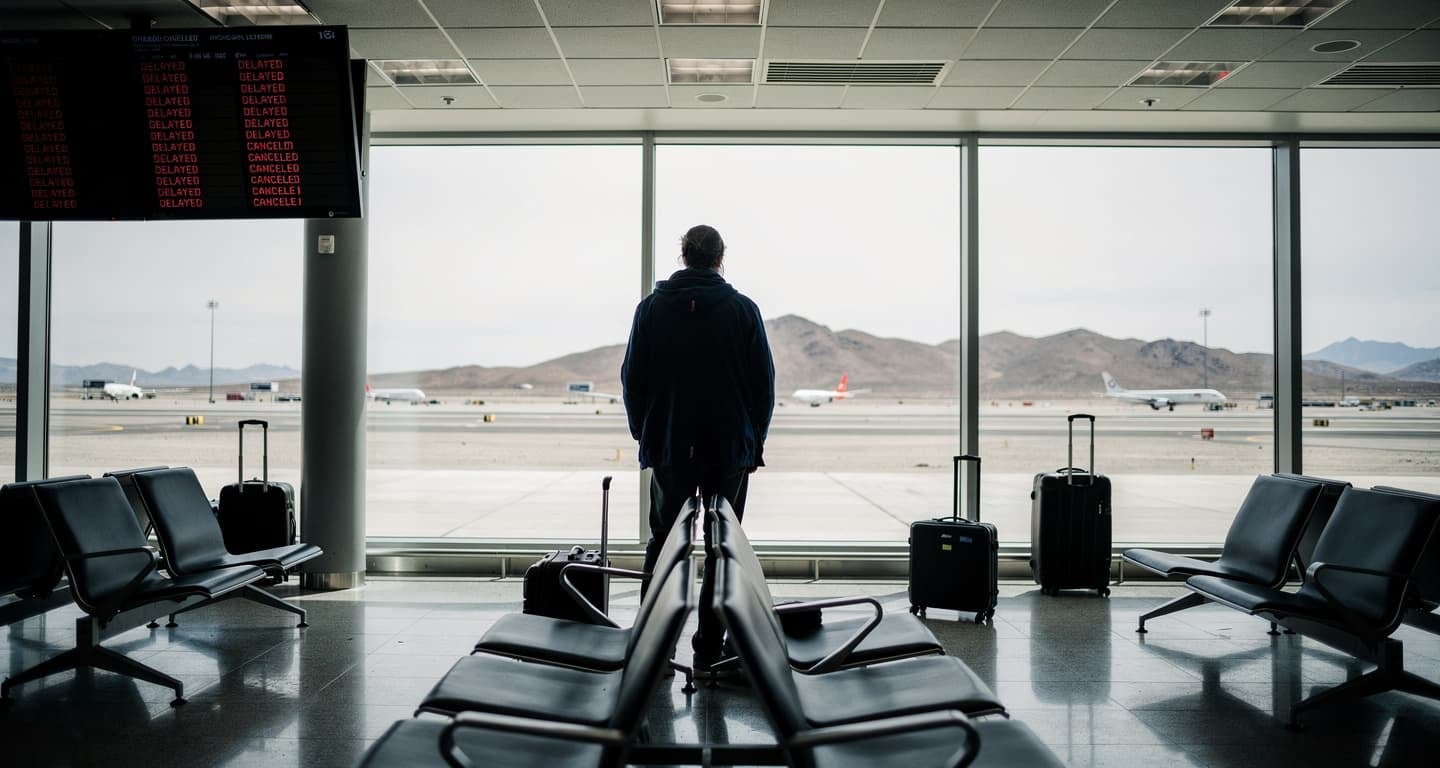
An Air Canada Express regional jet collided with a Port Authority fire truck on the runway at New York LaGuardia Airport at 11:47 p.m. on March 22, 2026, killing both pilots and injuring 41 people — 39 passengers and 2 firefighters. The FAA immediately closed LaGuardia and halted all operations; the airport remained under a ground stop with no confirmed reopening time as of March 24. All existing bookings to or from LaGuardia were cancelled, forcing rebooking to Newark or JFK at no additional cost.
The aircraft was traveling at approximately 24 miles per hour at impact after an air traffic controller issued frantic stop commands that were not heeded in time. The NTSB has launched a full investigation — preliminary findings expected by April 22 will determine whether this was human error or a systemic runway safety failure.
A Jazz Aviation CRJ-900 operating as Air Canada Express Flight 8646 from Montreal struck a fire truck crossing the runway at LaGuardia, killing the aircraft’s two pilots and hospitalizing 41 people in what marks the first fatal runway collision in the airport’s modern operational history.
The fire truck was dispatched to check on another aircraft reporting an odor when it entered the runway path. An air traffic controller issued urgent stop commands, but the collision occurred before either vehicle could halt. The aircraft carried 72 passengers and 4 crew members; 32 of the 41 hospitalized have since been released.
LaGuardia handles over 30 million passengers annually and serves as a critical hub for Northeast US air travel. The closure affects thousands of travelers with existing bookings — all flights to or from LGA were automatically cancelled, with passengers rebooked to Newark Liberty International (EWR) or John F. Kennedy International (JFK) at no additional cost. Both alternate airports add 30–60 minutes to ground transportation time compared to LaGuardia’s closer proximity to Manhattan.
The FAA initially restricted operations until 0530 GMT on March 23, but the restriction has been extended indefinitely pending investigation findings.
What the investigation will determine
The National Transportation Safety Board has opened a full investigation into the collision, focusing on air traffic control procedures, fire truck dispatch protocols, and runway incursion prevention systems. The aircraft was traveling at approximately 24 miles per hour at the moment of impact, though separate reporting indicates it was moving at 93–105 mph at the time of the collision — a discrepancy investigators will need to reconcile through flight data recorder analysis.
Runway incursions at major US airports are rare. The most comparable incident within US aviation oversight was the 2006 Comair Flight 5191 overrun at Lexington, though that involved a takeoff from the wrong runway rather than a ground vehicle collision. LaGuardia has not experienced a fatal runway collision in its modern operational history, making this incident a significant outlier for an airport of this size and traffic volume.
The Port Authority of New York and New Jersey, which operates LaGuardia, will face scrutiny over its ground vehicle coordination protocols. Fire trucks and emergency vehicles operate under separate dispatch systems from aircraft, and the investigation will examine whether communication breakdowns between air traffic control and ground operations contributed to the collision.
| Time (ET) | Event | Impact |
|---|---|---|
| 11:47 p.m. Mar 22 | CRJ-900 strikes fire truck on runway | Both pilots killed, 41 injured |
| 11:50 p.m. Mar 22 | FAA issues ground stop for LGA | All departures/arrivals halted |
| 12:30 a.m. Mar 23 | Initial restriction set to 0530 GMT | Airport closure extended |
| 6:00 a.m. Mar 24 | NTSB investigation begins | Preliminary report due ~Apr 22 |
The FAA’s initial response included an indefinite ground stop, signaling that runway safety protocols will remain under review until investigators can confirm the collision’s root cause.
Flight deals
most people never see
Our AI monitors 150+ airlines for pricing anomalies that traditional search engines miss. Air Traveler Club members save $650 per trip per person on average: see how it works.
Each deal saves 40–80% vs. regular fares:

How the closure affects alternate airports
Newark and JFK absorbed LaGuardia’s cancelled flights, but both airports operate near capacity during peak hours. Travelers rebooked to Newark face a 15-mile journey west of Manhattan — roughly 45–60 minutes by taxi or ride-hailing during normal traffic, longer during rush hour. JFK sits 15 miles southeast, requiring 50–75 minutes to reach Midtown Manhattan.
Air Canada operates 3–4 daily frequencies on the Montreal–New York corridor, competing with United Airlines (3–4 daily flights using 737 and 757 aircraft) and American Airlines regional service. United’s larger mainline aircraft and higher frequency make it the primary alternative for travelers seeking immediate rebooking options. Porter Airlines offers premium regional service but does not serve New York area airports directly.
Under US DOT rules (14 CFR Part 259), passengers on cancelled flights are entitled to rebooking on the next available flight at no additional cost or a full refund. Canadian Air Passenger Protection Regulations provide similar protections: rebooking or refund, plus up to CAD $2,400 for delays over 9 hours depending on flight distance. This incident qualifies as a safety emergency, which may limit compensation eligibility but does not eliminate rebooking rights.
What to do if you’re affected
LaGuardia’s closure creates immediate rebooking pressure on Newark and JFK — both airports are absorbing thousands of displaced passengers while operating near capacity.
- Contact Air Canada immediately: Call 1-888-247-2262 (US) or visit aircanada.com to confirm your rebooking status. Request written confirmation of your new flight number, airport, and departure time. Do not assume your rebooking is automatic — verify it.
- Check alternate carriers: United Airlines operates 3–4 daily frequencies on Montreal–New York with larger aircraft. If Air Canada’s rebooking creates a multi-hour delay, ask if they can rebook you on a partner carrier at no additional cost.
- Plan ground transportation: Newark and JFK require 45–75 minutes to reach Manhattan depending on traffic. If your rebooking creates a tight connection, factor in the longer ground transportation time and consider rebooking to a later flight.
- Document everything: Save all rebooking confirmations, receipts for additional expenses (taxis, meals, hotels), and correspondence with Air Canada. If you incur costs due to the delay, you may be eligible for reimbursement under US DOT or Canadian APPR rules — though safety emergencies limit compensation, rebooking rights remain intact.
- Monitor the NTSB investigation: The preliminary report, expected by April 22, will signal whether LaGuardia’s closure extends beyond the initial investigation period. If the report identifies systemic issues, expect additional operational restrictions at major airports nationwide.
Watch: The FAA’s decision on LaGuardia’s reopening timeline — expected within 7–10 days — will determine whether this closure remains a short-term disruption or signals a longer runway safety review affecting multiple airports.

Questions? Answers.
Will Air Canada refund my ticket if I don’t want to fly to Newark or JFK?
Yes. Under US DOT rules (14 CFR Part 259) and Canadian Air Passenger Protection Regulations, you are entitled to a full refund if your flight is cancelled — even if the airline offers rebooking. Contact Air Canada at 1-888-247-2262 or aircanada.com and request a refund to your original payment method. Refunds must be processed within 7 business days for credit card purchases.
How long will LaGuardia remain closed?
The FAA has not announced a reopening date as of March 24. The airport will remain closed until the NTSB completes its initial investigation and the FAA confirms that runway safety protocols are secure. The NTSB’s preliminary report is expected by April 22, which will provide the first indication of whether the closure extends beyond the initial investigation period.
Am I entitled to compensation for the delay or cancellation?
Compensation depends on your departure country and the cause of the delay. This incident qualifies as a safety emergency, which typically limits compensation eligibility under US DOT and Canadian APPR rules. However, you are entitled to rebooking on the next available flight at no additional cost or a full refund. If the rebooking creates a delay of 3+ hours, contact Air Canada to inquire about meal vouchers or hotel accommodation — some carriers provide these even during safety emergencies.