Quick summary
Australian Smartraveller and New Zealand SafeTravel maintain elevated warnings for Kyrgyzstan’s border regions with Tajikistan, specifically Batken Oblast and the Ferghana Valley, due to volatile security conditions including armed clashes, civil unrest, and landmines. Smartraveller advises “Exercise a high degree of caution” nationwide, while SafeTravel recommends “Avoid non-essential travel” to these border zones.
Travel insurance policies typically exclude coverage for areas under “Do Not Travel” advisories. The February 8, 2026 closure of Lyailyak checkpoint in Batken following Tajik border accusations demonstrates how quickly access can be cut off.
Australasian governments continue to flag serious risks for travelers heading to Kyrgyzstan’s southern border regions, where a 2022 conflict killed 59 Kyrgyz citizens and displaced 140,000 people from Batken Oblast.
The warnings target areas within 30 kilometers of the Tajik border, including Batken and Leilek districts, plus sections of the Ferghana Valley. These zones carry risks of sudden armed clashes between border guards, civil unrest over water and grazing rights, and unexploded ordnance from past conflicts.
The February 8, 2026 closure of Lyailyak checkpoint in Batken — triggered by Tajik accusations of unauthorized construction — shows how border access can vanish without warning. This matters for overland travelers, trekkers planning routes through the Ferghana Valley, and anyone whose travel insurance excludes claims in advisory zones.
Bishkek and Issyk-Kul Lake remain under normal precautions with zero armed incidents recorded between 2023 and March 2026. The elevated risk is geographically specific to the southern border corridor.
What the border warnings cover
The advisories focus on Batken Oblast and areas bordering Tajikistan, where a March 2025 border agreement delimited 98% of the 1,084-kilometer frontier but left 21 kilometers disputed. The deal included land swaps, water-sharing protocols, and restrictions on drones and heavy weapons near the border.
Despite the agreement, local tensions persist. Six ambiguous enclaves in Batken create porous frontiers where civilians and border guards clash over water access and land rights. Small-arms skirmishes can escalate to artillery and drone strikes, as happened in the 2022 conflict.
The US State Department advisory maintains Level 2 (“Exercise increased caution”) for the 30-kilometer Tajik border zone, noting that two checkpoints reopened after the March 2025 agreement but their status remains fluid.
| Region | Advisory level | Key risks | Last incident |
|---|---|---|---|
| Batken Oblast | Avoid non-essential | Armed clashes, landmines | Feb 8, 2026 |
| Ferghana Valley border | High caution | Civil unrest, closures | 2022 |
| Bishkek/Issyk-Kul | Normal precautions | Petty theft only | None 2023-2026 |
| Uzbek border | Normal precautions | Stable post-2023 | None |
The Kyrgyz-Uzbek border, by contrast, has been stable since a 2023 demarcation agreement and carries no comparable volatility.
Australasians planning flights to Kyrgyzstan from Australia or New Zealand should verify their itinerary against current advisory maps before booking, as insurance coverage typically excludes claims in zones under “Avoid non-essential travel” warnings.
Flight deals
most people never see
Our AI monitors 150+ airlines for pricing anomalies that traditional search engines miss. Air Traveler Club members save $650 per trip per person on average: see how it works.
Each deal saves 40–80% vs. regular fares:

How border clashes escalate
The pattern is consistent: disputes over water access or grazing rights between civilians near the six ambiguous enclaves in Batken trigger confrontations. Border guards intervene, small arms fire begins, and within hours artillery or drones can be deployed.
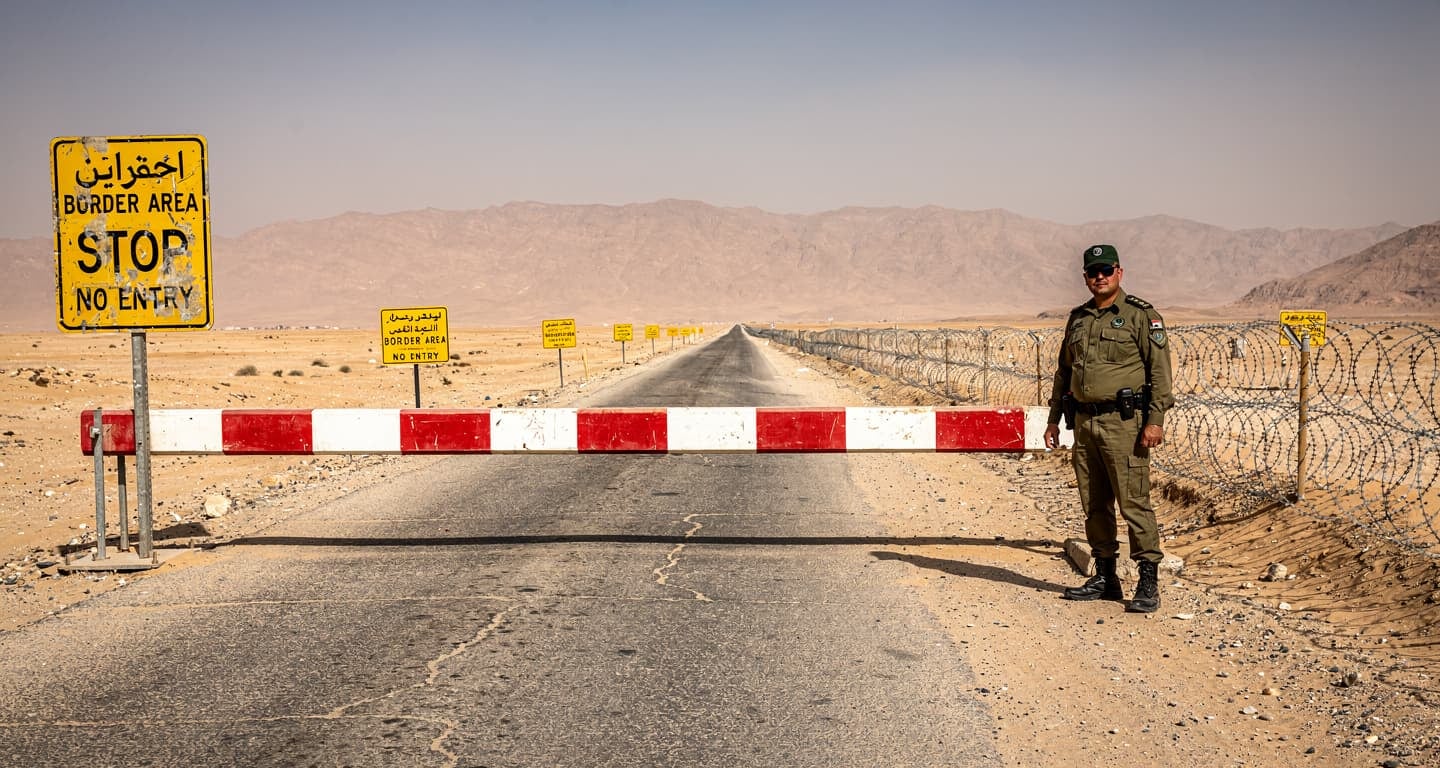
The February 2026 Lyailyak checkpoint closure followed this script. Tajik authorities accused Kyrgyzstan of unauthorized construction near the crossing point — the same type of accusation that preceded the 2022 conflict. The checkpoint shut without advance notice, stranding travelers and cutting off a key overland route.
The 2025 border agreement’s prohibition on drones and heavy weapons within the border zone has not prevented these escalations because enforcement depends on joint patrols that have been slow to deploy. Travelers hit by sudden closures face not just itinerary disruption but potential insurance voids if they entered advisory zones against government warnings.
The remote geography compounds the problem. Mobile coverage is patchy in Batken, road conditions deteriorate rapidly after rain, and medical evacuation infrastructure is minimal. A medical evacuation from Batken to Bishkek costs $15,000 to $30,000 — assuming aircraft can land safely.
Reroute south itineraries now
If your Kyrgyzstan plans include Batken Oblast, the Ferghana Valley border, or any area within 30 kilometers of Tajikistan, reroute to Issyk-Kul Lake or Bishkek.
- Check daily: Monitor Smartraveller.gov.au and SafeTravel.govt.nz apps for real-time border status updates. Download offline maps via Google Maps before departure.
- Verify insurance: Confirm your policy excludes “Do Not Travel” zones. Allianz and AIG policies typically void claims for travel against government advisories. Purchase a Kyrgyz SIM card (Beeline network) for 24/7 access to the Ministry of Foreign Affairs hotline at +996 312 620 620.
- Fly direct: Use Bishkek (Manas International) or Osh airports rather than overland border crossings. Hire registered guides through CBT.kg for rural areas outside advisory zones.
- Avoid demonstrations: Political protests in Bishkek occasionally turn confrontational. Monitor local media and stay clear of government buildings during unrest.
Watch: The March 2025 border agreement includes provisions for joint patrols, but no firm deployment date has been announced. If Lyailyak checkpoint reopens with stable operations through April 2026, advisories may be downgraded.

Questions? Answers.
How does Kyrgyzstan’s zero terrorism risk affect Batken travel plans?
The Global Terrorism Index 2026 confirms Kyrgyzstan has no internal terrorist groups, but external threats from Afghanistan create indirect risks via the Tajik border. Refugee flows and smuggling routes can disrupt roads and trigger security operations. The terrorism score measures organized groups, not border conflict volatility.
Do I need a special permit to visit Batken Oblast?
The Ministry of Foreign Affairs requires a border zone permit plus a registered guide for areas within 30 kilometers of Tajikistan. Apply via mfa.gov.kg at least 30 days before travel. Processing takes 5 to 10 days and requires a detailed itinerary. Permits are not guaranteed and can be denied without explanation.
Are Kyrgyz-Tajik border talks progressing beyond the 2025 agreement?
High-level meetings continue, but no resolution has been announced for the remaining 21 kilometers of disputed border in Batken. The March 2025 deal covered 98% of the frontier, but the final sections involve the most contentious enclaves. Monitor OSAC reports for updates on joint patrol deployment, which would signal improved stability.
Is the Uzbek border safe for overland crossings?
Yes. The Kyrgyz-Uzbek border has been stable since a 2023 demarcation agreement and carries no elevated risks. Standard border crossing procedures apply, and no advisory warnings are in place for this frontier. The volatility is specific to the Tajik border corridor.
What if I’m already in Kyrgyzstan when a border closure happens?
Contact your embassy immediately. Australian citizens should call the 24-hour Consular Emergency Centre at +61 2 6261 3305. New Zealand citizens should contact the Ministry of Foreign Affairs and Trade at +64 4 439 8000. Do not attempt to cross closed checkpoints or enter advisory zones to reach an alternate exit point. Fly out via Bishkek or Osh if overland routes are blocked.