Quick summary
Jet fuel prices have doubled to $3.99 per gallon in the US as Middle East conflict disrupts Strait of Hormuz shipping, forcing airlines to impose surcharges up to €50 ($57) round-trip on Europe-Asia routes and raise base fares 5–20% on US-Asia flights. Air France, KLM, United, Delta, Cathay Pacific, and Air New Zealand have all implemented increases effective March 2026, with some carriers trimming capacity on less profitable routes through the summer travel season.
No confirmed flight cancellations have occurred yet from fuel shortages — impacts remain limited to surcharges, fare hikes, and schedule adjustments. Travelers with existing bookings on surcharge-affected carriers can rebook without change fees if fuel add-ons exceed 10% of the ticket price, but must act within 24–48 hours before availability tightens further.
The last jet fuel tanker to depart the Middle East before shipping disruptions intensified has reached the UK, but the fuel crisis gripping global aviation is far from over.
Jet fuel spot prices have surged to levels not seen since the 2008 financial crisis, driven by ongoing conflict in the Middle East that has disrupted oil shipments through the Strait of Hormuz. The US average hit $3.99 per gallon in late March 2026 — up from $2.50 before the war — and European refiners are reporting similar spikes.
Airlines are responding with a combination of explicit fuel surcharges and base fare increases that will hit travelers hardest during the peak summer and holiday travel seasons. Air France-KLM raised fuel surcharges to €50 round-trip for long-haul economy flights from Europe, while Japan Airlines and ANA added $164 to US-Japan routes. US carriers United and Delta are folding fuel costs into base fares with low double-digit percentage increases rather than itemizing surcharges separately.
The question on every traveler’s mind: will flights actually be cancelled?
No cancellations yet, but capacity cuts are coming
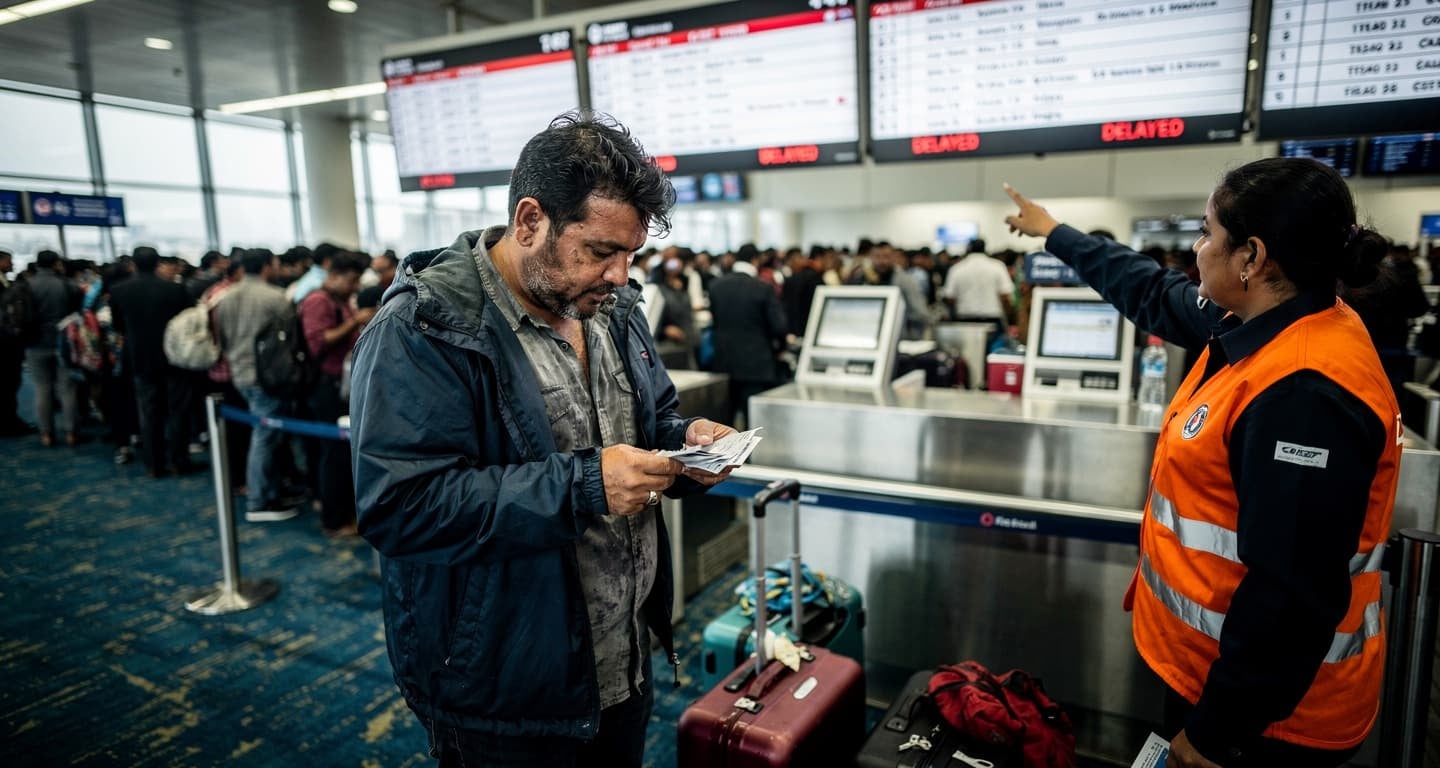
Despite the dramatic price increases, no major airline has cancelled flights due to fuel shortages. The aviation fuel supply chain remains functional — refiners are sourcing crude from alternative suppliers and adjusting production schedules to maintain jet fuel output.
What travelers will see instead are strategic capacity reductions. United Airlines is trimming Tuesday and Wednesday departures on secondary routes where demand is softer, while Asian carriers including Cathay Pacific and AirAsia are adjusting long-haul schedules to focus on premium-demand routes. A Vietnam aviation authority survey found 60% of regional airlines have been affected by fuel cost pressures, with most responding through fare adjustments rather than outright cancellations.
The real risk for travelers is not being stranded at the airport — it’s paying significantly more for reduced seat availability. Air New Zealand is reallocating long-haul capacity to regional routes where yields are higher, and industry analysts expect further schedule optimization as airlines balance fuel costs against demand through the summer.
| Carrier | Route type | Surcharge/increase | Implementation |
|---|---|---|---|
| Air France-KLM | Europe long-haul | €50 RT economy | Explicit surcharge |
| KLM | Short/medium-haul | €10 RT | Explicit surcharge |
| Japan Airlines/ANA | US-Japan | $164 RT | Explicit surcharge |
| United/Delta | US-Asia | 5–20% increase | Base fare adjustment |
| Cathay Pacific | Asia long-haul | Several hundred USD | Explicit surcharge |
| Air New Zealand | AU/NZ-Asia | 5–15% increase | Base fare adjustment |
Flight deals
most people never see
Our AI monitors 150+ airlines for pricing anomalies that traditional search engines miss. Air Traveler Club members save $650 per trip per person on average: see how it works.
Each deal saves 40–80% vs. regular fares:

How airlines are absorbing the shock
The current situation mirrors the 2008 financial crisis, when jet fuel hit $3.50+ per gallon and airlines responded with surcharges and capacity cuts rather than mass cancellations. British Airways added €40 round-trip surcharges on European routes, and IATA member airlines collectively cut 10% of global capacity. The crisis resolved by late 2009 as demand dropped and fares fell 15%.
This time, airlines are using a mix of strategies. European carriers favor explicit surcharges that can be adjusted bi-weekly as fuel prices fluctuate — Cathay Pacific reviews its surcharges every two weeks and could revise them higher if spot prices continue climbing. US carriers prefer embedding costs in base fares to avoid the sticker shock of itemized fuel fees, though this makes it harder for travelers to comparison-shop.
The hedging strategies that protected airlines during previous oil shocks are now working against them. Many carriers locked in fuel prices when oil was cheaper, but those contracts are expiring through mid-2026, exposing them to current spot market rates. Industry analysts tracking airline fuel hedging note that the second quarter of 2026 will be particularly challenging as more contracts roll off.
What to do if you have a booking
The fuel crisis creates immediate cost exposure for travelers with existing bookings and those planning trips through the summer travel season.
- Existing bookings on surcharge-affected carriers: Check your ticket via the airline app for fuel add-ons. Call Air France Flying Blue at +33 1 58 18 00 02 or KLM at +31 20 649 9123 within 24 hours to rebook without change fees if surcharges exceed 10% of your ticket price. EU261 protections do not cover fuel surcharges, but voluntary airline policies may allow rebooking.
- Planning new trips to Asia: Use Google Flights to compare base fares before surcharges are added. Book United or Delta direct at united.com or delta.com for routes without explicit fuel fees, targeting flexible midweek dates when capacity cuts are less severe.
- In transit or Asia-based travelers: Contact AirAsia support at airasia.com/support to request temporary surcharge waivers. Reroute via denser regional hubs like Kuala Lumpur if long-haul cuts affect your planned route.
- Award ticket holders: Fuel surcharges apply to most award bookings on Air France-KLM and Asian carriers. Check your frequent flyer program’s surcharge policy — some US programs like United MileagePlus do not pass through partner fuel fees.
Watch: Cathay Pacific reviews surcharges bi-weekly — the next adjustment is expected April 15, 2026. If revised higher, expect $100+ round-trip additions on US, Asia, and Europe routes. Also monitor the IATA jet fuel index against the $4.50 per gallon threshold in mid-May 2026 — if breached, it will trigger further US capacity cuts like United’s Q2 trims, reducing Asia seats 10–15%.

Questions? Answers.
Will my flight be cancelled due to fuel shortages?
No confirmed cancellations have occurred yet from fuel shortages. Airlines are responding with surcharges, fare increases, and capacity reductions on less profitable routes rather than outright cancellations. The fuel supply chain remains functional despite higher prices.
Can I get a refund if my airline adds a fuel surcharge after I booked?
EU261 does not cover fuel surcharges, but some airlines allow rebooking without change fees if surcharges exceed 10% of the ticket price. Call your airline within 24–48 hours of notification to request options. US carriers that embed fuel costs in base fares do not offer this flexibility.
Which airlines are charging fuel surcharges and which are not?
Air France-KLM, Cathay Pacific, AirAsia, Japan Airlines, and ANA are charging explicit fuel surcharges ranging from €10 to several hundred dollars. United, Delta, and Air New Zealand are embedding fuel costs in base fares with 5–20% increases instead of itemized surcharges.
How long will these fuel surcharges last?
Surcharges will remain in place as long as jet fuel prices stay elevated. Cathay Pacific reviews surcharges every two weeks and adjusts based on spot market prices. Historical precedent from 2008 suggests surcharges lasted 12–18 months before fuel prices normalized and airlines removed them.