Quick summary
Jet fuel prices have spiked sharply since late February 2026, driven by 10 million barrels per day of oil supply removed from global markets via Strait of Hormuz disruption tied to the Iran-Israel-US conflict. Airlines have responded with 1,000+ flight cancellations in April alone, fuel surcharges up to 34%, and fare increases of 31–40% on affected routes. Scandinavian Airlines cancelled approximately 1,000 flights in April, primarily short-haul Nordic routes, while Lufthansa prepared contingency plans to ground up to 40 aircraft.
Four northern Italian airports now ration jet fuel to short-haul flights at 2,000 litres per aircraft—less than one hour of flying time for a Boeing 737. Peak summer season faces widespread cancellations if the conflict persists beyond April 30.
Global fuel crisis forces airlines to cancel flights, cut routes, and raise fares
The ongoing military conflict between Iran, Israel, and the United States has triggered a global jet fuel shortage that is now forcing airlines to cancel flights, slash capacity, and impose steep fare increases across international routes. Since the end of February, jet fuel prices have risen by nearly $100 per barrel, creating a supply gap that aviation analysts warn could worsen through May and June.
Travelers face immediate disruption: existing bookings on short-haul European routes are being cancelled with 48–72 hour notice, new bookings cost 25–40% more than they did in February, and long-haul flights are being consolidated to fewer daily frequencies. The crisis hits Asia-Pacific routes hardest, where airlines depend heavily on Gulf-region refineries for fuel supply.
The disruption stems from military operations that have effectively removed 10 million barrels per day of oil from global markets through the Strait of Hormuz, a vital corridor for worldwide energy supplies. Airlines in countries without domestic oil production—Vietnam, Myanmar, Pakistan, and parts of Europe—are cutting flights entirely to conserve limited stocks.
Airlines impose fuel surcharges and cancel unprofitable routes
Cathay Pacific raised fuel surcharges by 34% effective April 1, 2026, while Thai Airways implemented 10–15% fare increases across its network. AirAsia’s long-haul unit, AirAsia X, raised fuel surcharges 20% and cut flights on unprofitable routes where fuel costs now exceed revenue. Overall fares have increased 31–40% on affected routes, with fuel surcharges now representing 12–18% of total ticket price on long-haul flights, up from 3–5% in February.
Scandinavian Airlines cancelled approximately 1,000 flights in April, primarily short-haul Nordic routes, while Lufthansa prepared contingency plans to ground up to 40 aircraft if fuel supplies tighten further. Air New Zealand reduced flights by 5% starting in May. British regional airline Skybus cancelled all flights on the Cornwall Airport Newquay to London Gatwick route on April 3, citing the “huge rise in global cost of fuel” as the reason for early termination of service that was scheduled to end May 31.
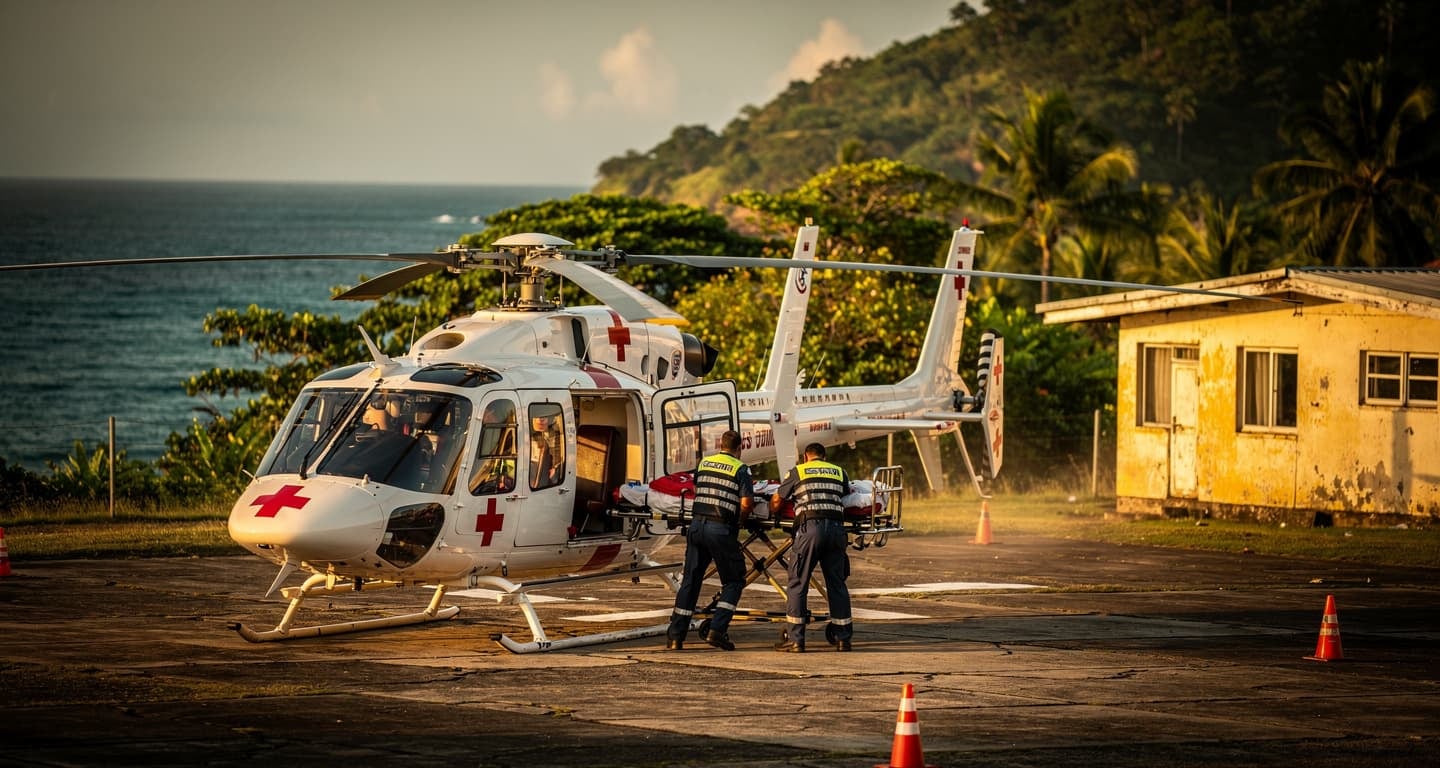
Four northern Italian airports—Milan Linate, Bologna, Venice, and Treviso—introduced jet fuel restrictions in early April, limiting short-haul flights to 2,000 litres per aircraft. That’s less than one hour of flying time for a Boeing 737 or Airbus A320. Priority is given to medical, emergency, state operations, and long-haul flights exceeding three hours. The restrictions have forced airlines to reroute passengers through alternative hubs or cancel flights entirely.
Beyond cancellations, the crisis is forcing operational changes across the industry. Some airlines are carrying extra fuel on board or scheduling extra fuel stops due to supply constraints at certain airports, while others are reconsidering expansion plans or delaying new routes. Airlines have adopted costly tactics like transporting surplus fuel on outbound legs from well-supplied airports, while pilots are advised to maximise fuel loads when abroad to avoid shortages at destination airports.
| Airline | Action taken | Impact |
|---|---|---|
| Cathay Pacific | +34% fuel surcharge | Effective April 1, 2026 |
| Scandinavian Airlines | 1,000 flight cancellations | Primarily short-haul Nordic routes |
| Lufthansa | Contingency planning | Up to 40 aircraft grounding prepared |
| Air New Zealand | -5% capacity reduction | Starting May 2026 |
| AirAsia X | +20% fuel surcharge | Route cuts on unprofitable flights |
| Thai Airways | 10–15% fare increases | Network-wide implementation |
Industry analysts warn that the aviation sector is particularly exposed to rising fuel costs compared with other industries. Air travel is dependent on consumer choice, and price increases are rapidly transferred to consumers through higher fares. Oxford Economics Head of Energy Forecasting Bridget Payne noted that air travel is more discretionary than road freight or household energy use, making aviation one of the first areas where demand is cut through price, particularly for leisure travel.
Flight deals
most people never see
Our AI monitors 150+ airlines for pricing anomalies that traditional search engines miss. Air Traveler Club members save $650 per trip per person on average: see how it works.
Each deal saves 40–80% vs. regular fares:

How the fuel crisis affects different regions
The crisis hits unevenly across global markets. European airlines are most exposed, sourcing 40% of their fuel from Gulf refineries that have reduced output due to regional instability. Asian carriers face 15–20% longer routing via alternative hubs like Colombo and Mumbai, adding 2–4 hours and 8–12% fuel burn per flight. Airlines in countries that depend heavily on imported jet fuel—Vietnam, Myanmar, and Pakistan—have been forced to cut flights, increase tankering (carrying extra fuel from home bases), and add refuelling stops.
Major producers China, South Korea, and Thailand have curbed jet fuel exports, further straining regional availability. The strain has hit lower-income markets hardest, with some domestic routes cut entirely to conserve limited stocks. Current economy return fares reflect the crisis: Los Angeles to Singapore now averages $1,240 (typical baseline $980), representing a 27% increase. London to Singapore sits at £890, up from £720, a 24% increase.
The 2008 oil price spike forced similar airline responses when crude reached $147 per barrel in July. Lufthansa, Air France-KLM, and others cut 5–10% of capacity, imposed fuel surcharges of 5–15%, and grounded older aircraft. Recovery took 18 months post-financial crisis. The 2022 Russia-Ukraine conflict caused temporary jet fuel spikes but resolved within 6 months as alternative supply routes opened. The current Iran conflict differs: Strait of Hormuz closure is more prolonged, affecting 20–30% of global oil transit, with no immediate diplomatic resolution signaled.
For travelers planning trips to Asia, the combination of airspace closures over Russia and the current fuel crisis has created a perfect storm of longer flight times and higher costs. Understanding why flights to Asia are expensive in 2026 requires looking at both geopolitical factors and structural supply constraints.
Verify your flight status immediately and prepare for higher costs
The fuel crisis creates immediate risk for existing bookings and significantly higher costs for new trips through at least May.
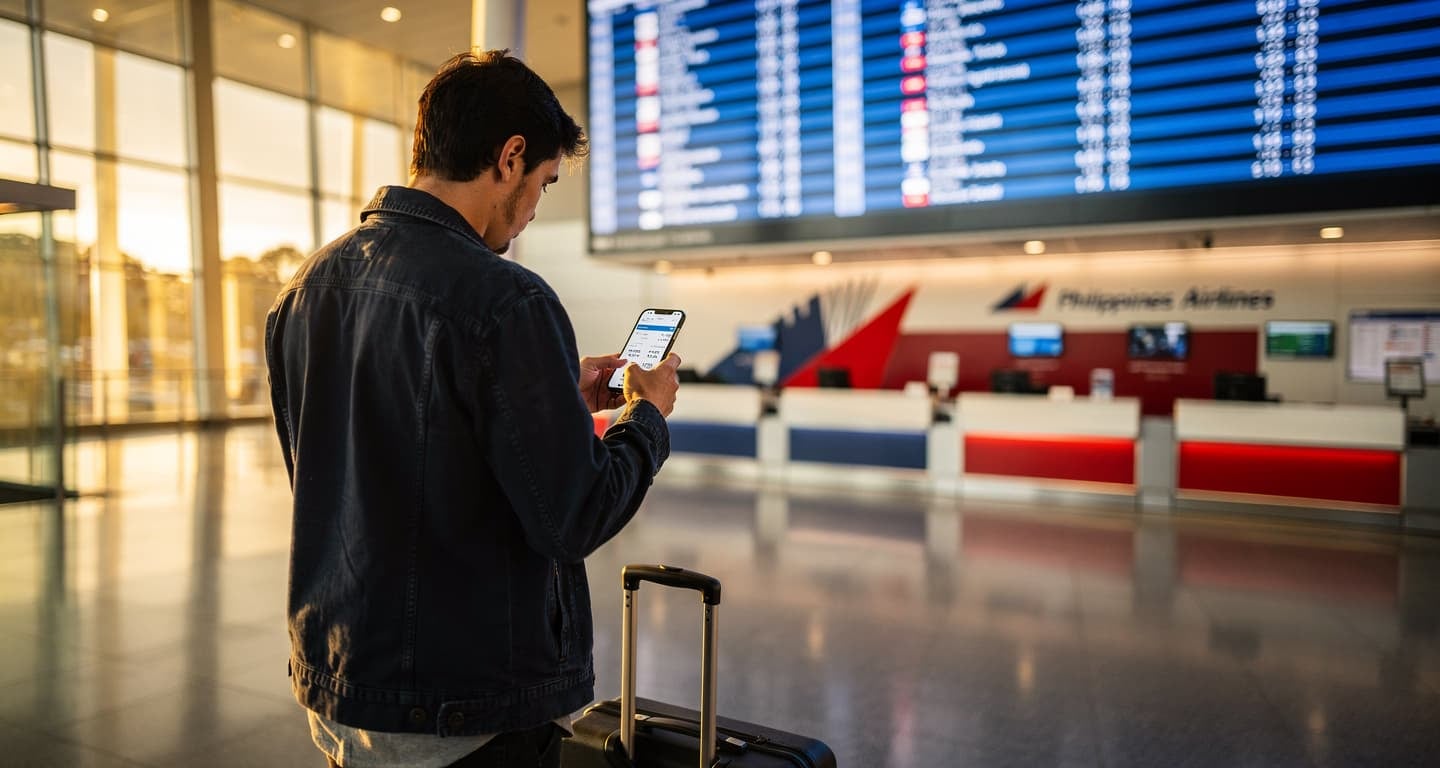
- If you have an existing booking on a short-haul European route: Contact your airline immediately via official website or phone to confirm flight status. If cancelled, request rebooking on an alternative date or route, or demand a full refund within 24 hours. For EU/UK departures, document all cancellations or delays exceeding 3 hours for EU261 compensation claims (€250–600 depending on distance).
- If planning a new trip for May or June: Book now on long-haul routes (12+ hours) rather than waiting—they face lower cancellation risk than short-haul flights. Expect 30–40% higher fares than February 2026 baseline and budget for 12–18% fuel surcharges now included in ticket price. Add 2–3 hours to your itinerary for potential rerouting via alternative hubs.
- If currently in transit: Check real-time flight status at FlightRadar24 or your airline’s app. If your connection is cancelled, go directly to the airline customer service desk (not the rebooking kiosk) to secure priority rebooking on the next available flight.
- For US and Canadian travelers: US DOT regulations require airlines to rebook you on the next available flight or provide a full refund if your flight is cancelled due to fuel shortages. No automatic compensation applies for schedule changes, but you are entitled to alternative routing at no extra cost.
- For Australian travelers: Australian Consumer Law requires airlines to provide a refund or rebooking if your flight is cancelled. The ACCC is investigating whether fuel surcharges constitute misleading conduct, so document all fees imposed.
Watch: The International Energy Agency’s weekly oil supply assessment (next report April 15, 2026) will reveal whether supply losses accelerate beyond 10 million barrels per day. If they do, expect cascading cancellations into May–June peak season and permanent 40–50% fare increases for summer bookings.

Questions? Answers.
Will airlines refund my ticket if my flight is cancelled due to the fuel crisis?
Yes. If your flight is cancelled due to fuel shortages, you are entitled to a full refund or alternative routing at no extra cost under EU/UK, US, Canadian, and Australian consumer protection laws. Airlines cannot claim fuel shortages as “extraordinary circumstances” that exempt them from compensation if the cancellation results from operational decisions like route cuts or schedule consolidation.
How long will the fuel crisis last?
The duration depends on the Iran-Israel-US conflict and Strait of Hormuz transit resumption. Historical precedents suggest 4–6 months for similar oil supply disruptions, but the current situation differs because it stems from ongoing military conflict with no ceasefire timeline. If the strait remains disrupted beyond April 30, airlines will implement permanent capacity cuts and 40–50% fare increases through summer 2026.
Which routes are most affected by the fuel crisis?
Short-haul European routes face the highest cancellation rates, particularly Nordic routes served by Scandinavian Airlines and regional UK services. Asia-Pacific routes are experiencing the steepest fare increases (31–40%) due to reliance on Gulf-region refineries. Long-haul routes exceeding 12 hours face fewer cancellations but higher fuel surcharges and reduced frequencies.
Should I avoid booking flights to Asia right now?
Not necessarily, but expect significantly higher costs and potential schedule changes. Long-haul routes to Asia are less likely to be cancelled than short-haul flights, but fares have increased 25–40% since February. Book sooner rather than later—if supply losses accelerate beyond 10 million barrels per day (confirmed in the April 15 IEA report), airlines will impose additional fare increases for summer bookings.