Quick summary
Indonesia’s tourism ministry has formally proposed restoring visa-free entry for citizens of eight countries — including Australia, New Zealand, Japan, South Korea, and India — to counter a slowdown in arrivals linked to Middle East flight disruptions. If approved and gazetted by the Directorate General of Immigration, Australians and New Zealanders would no longer pay the current IDR 500,000 (approximately AUD 50) visa-on-arrival fee, though Bali’s separate IDR 150,000 tourism levy would remain.
The proposal is still under ministerial review with no confirmed implementation date. VOA and e-VOA remain mandatory for all affected nationalities until a formal regulation is published.
Indonesia’s tourism ministry put a formal proposal before a parliamentary commission in early June 2026, seeking visa-free access for citizens of eight countries — Australia, New Zealand, Japan, South Korea, India, and several others — in a direct bid to reverse a tourism slump tied to Middle East airspace disruptions. Official statements indicate the ministry estimates more than 160,000 visitors have been lost to those disruptions, a gap felt acutely in Bali’s peak high season.
For Australian and New Zealand travelers, the practical upside is straightforward: the IDR 500,000 visa fee disappears if the proposal clears immigration authorities. A family of four saves around AUD 200 before they’ve left the airport. That’s not nothing on a short break.
But the headline runs well ahead of the regulation. The tourism ministry can propose; only the Ministry of Law and Human Rights and its Directorate General of Immigration can implement. Until a new decree is gazetted, every Australian and New Zealander arriving at Ngurah Rai airport in Denpasar still needs a paid visa. The queue, the fee, and the digital declaration form are all still in play.
The proposal was well-received at the parliamentary commission level, and industry sources are watching for movement in the second half of 2026 — but Indonesia has a documented history of visa policy reversals, and the same immigration authority that is now being asked to restore visa-free access issued the June 7 decree that cancelled it for 159 countries in the first place.
What the proposal actually covers — and what it doesn’t
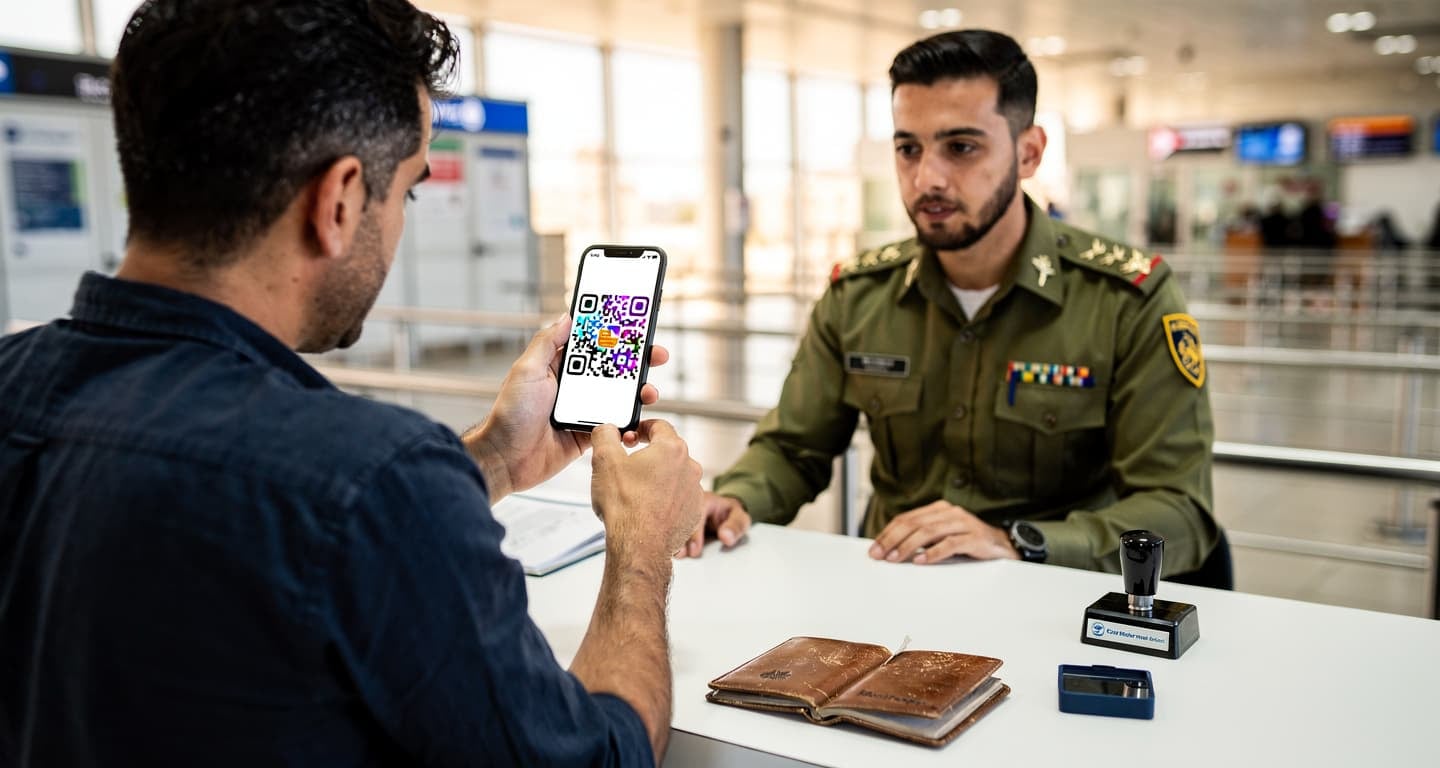
The tourism ministry’s submission named eight countries for renewed visa-free access: Australia, New Zealand, Japan, South Korea, India, Belarus, Kazakhstan, and at least one other market. The framing is explicitly about demand recovery, not a permanent policy reset. Australians currently heading to Bali must complete the All Indonesia digital arrival declaration within three days before departure and present a QR code on arrival — a requirement that sits on top of the VOA fee and the tourism levy, and one that will remain in place regardless of any visa-free outcome.
Visa policy for Indonesia is set by the Ministry of Law and Human Rights, implemented by the Directorate General of Immigration — not the tourism ministry. Their decrees determine who enters visa-free and who pays. The tourism ministry can advocate loudly; it cannot gazette a regulation. That distinction matters, because the same regulatory pathway that could restore visa-free access is the one that removed it.
For travelers who want to skip the manual immigration queue at Denpasar regardless of how this proposal resolves, ATC’s guide on Bali autogates for Australian and New Zealand e-VOA holders covers how to clear immigration in under 30 seconds — a useful option whether or not the visa fee eventually disappears.
| Traveler origin | Visa type required | Visa cost | Bali tourism levy | Total entry cost (per person) |
|---|---|---|---|---|
| Australia / New Zealand | VOA or e-VOA (30 days) | IDR 500,000 (~AUD 50) | IDR 150,000 (~AUD 15) | ~AUD 65 |
| United States / Canada | VOA or e-VOA (30 days) | IDR 500,000 (~USD 31) | IDR 150,000 (~USD 9) | ~USD 40 |
| European Union (major markets) | VOA or e-VOA (30 days) | IDR 500,000 (~EUR 29) | IDR 150,000 (~EUR 9) | ~EUR 38 |
| Japan / South Korea / India | VOA or e-VOA (30 days) | IDR 500,000 (equivalent) | IDR 150,000 (equivalent) | Equivalent to above |
| Australia / NZ (if proposal passes) | Visa-free (proposed) | IDR 0 | IDR 150,000 (~AUD 15) | ~AUD 15 |
Flight deals
most people never see
Our AI monitors 150+ airlines for pricing anomalies that traditional search engines miss. Air Traveler Club members save $650 per trip per person on average: see how it works.
Each deal saves 40–80% vs. regular fares:

Why the regulatory path is the story, not the headline
Indonesia’s visa history is a useful calibration tool here. The June 7 decree that cancelled visa-free access for 159 countries — including Australia — came from the same immigration authority now being asked to reverse course. That wasn’t a tourism ministry decision; it was an immigration decree, and it landed fast. The same mechanism works in both directions.
What the tourism ministry is doing now is building political pressure upstream. The parliamentary commission meeting in early June was a formal step, not a press release. Industry sources are watching for a coordinated announcement from both the Ministry of Tourism and Creative Economy and immigration confirming an implementation date and eligible entry points — that joint signal is what would actually move airline capacity planning.
If visa-free access is confirmed, carriers like Jetstar and Virgin Australia would likely accelerate Bali frequency from Sydney, Melbourne, and Auckland to capture renewed budget demand. That’s when fares get interesting. If the proposal stalls — which is entirely plausible given Indonesia’s regulatory pace — capacity growth tracks broader Asia recovery rather than a Bali-specific surge, and the VOA fee stays the baseline cost for 2027 planning.
Steps to take before any regulation drops
The visa-free proposal is real and moving through formal channels — but it has not cleared the regulatory body that actually controls entry rules, and no implementation date exists. Plan around current requirements, not the headline.
- Keep your e-VOA purchase in the plan. Apply via the official Indonesian immigration portal at least 48 hours before departure. The IDR 500,000 fee and All Indonesia digital arrival declaration are both mandatory until a new decree is gazetted — no exceptions at the airport.
- Book flexible fares only. Choose refundable or changeable tickets on carriers like Jetstar, Virgin Australia, or Qantas codeshares. If visa-free access is confirmed mid-booking window, you want the ability to shift dates or re-price without penalty.
- Hold non-refundable hotel rates. Peak-season Bali accommodation can sell out fast, but locking in non-refundable rates before immigration publishes a formal regulation is unnecessary risk. Flexible booking terms cost little extra right now.
- Set a regulatory alert. The body to watch is the Directorate General of Immigration (Ditjen Imigrasi) under the Ministry of Law and Human Rights. Check their official announcements 8–10 weeks before any planned departure in late 2026 or early 2027. That’s when a regulation, if it comes, would give you enough lead time to act.
- Use the autogates regardless. Australian and New Zealand e-VOA holders can already clear immigration at Ngurah Rai in under 30 seconds using automated gates — a significant advantage over manual queues that can stretch past 90 minutes during peak afternoon arrivals.
Watch: A joint announcement from Indonesia’s Ministry of Tourism and Creative Economy and the Directorate General of Immigration confirming an implementation date and eligible entry points. That pairing — not a tourism ministry statement alone — is the signal that visa-free entry is actually happening.

Questions? Answers.
Is Bali visa-free for Australians right now in 2026?
No. As of June 2026, Australians must obtain a Visa on Arrival or e-VOA costing IDR 500,000 (approximately AUD 50) for a 30-day stay, plus pay the separate IDR 150,000 Bali tourism levy. A proposal to restore visa-free entry is under ministerial review but has not been approved or gazetted by Indonesia’s immigration authority.
Which countries are included in Indonesia’s visa-free proposal?
The tourism ministry’s proposal covers eight countries: Australia, New Zealand, Japan, South Korea, India, Belarus, Kazakhstan, and at least one other market. The proposal was presented to a parliamentary commission in early June 2026. US, Canadian, and EU travelers are not included in the current proposal.
When could visa-free entry for Australians actually start?
There is no confirmed implementation date. Industry sources are watching for movement in the second half of 2026, with a September start cited as a possibility if approvals move quickly. Indonesia’s regulatory process has historically moved slowly, and the same immigration authority being asked to restore visa-free access issued the decree that cancelled it. Plan around current VOA requirements until a formal regulation is published.
Will the Bali tourism levy still apply if visa-free entry is approved?
Yes. The IDR 150,000 Bali tourism levy is separate from the visa fee and is expected to remain in place regardless of any visa-free outcome. Only the IDR 500,000 visa-on-arrival fee would be eliminated if the proposal is approved.
What do Australians need to enter Bali right now?
Australians currently need a valid passport, a paid VOA or e-VOA (IDR 500,000), the Bali tourism levy (IDR 150,000), and a completed All Indonesia digital arrival declaration submitted within three days before departure. The declaration generates a QR code that must be presented on arrival at Denpasar’s Ngurah Rai airport.