Quick summary
Australia, New Zealand, the United States, and Canada have all issued or reaffirmed elevated safety warnings for Indonesia as of May 8, 2026, citing ongoing terrorism threats, civil unrest in Papua provinces, and methanol poisoning cases in Bali and Lombok. Australian Smartraveller rates Indonesia “exercise a high degree of caution” overall and recommends reconsidering travel to Papua, Central Papua, and Highland Papua due to armed violence. The US designates Central and Highland Papua as Level 4: Do Not Travel.
Trips do not need to be cancelled, but behavior changes are required: avoid homemade or unlabeled alcohol, stay out of Papua conflict zones, and confirm your insurance covers medical evacuation and motorbike use. This article explains the specific risks, which regions to avoid, and how to protect yourself.
Indonesia remains open to travelers, but the safety landscape has shifted. Multiple governments updated their advisories in early May 2026, converging on the same threat picture: terrorism targeting tourist areas, violent unrest in Papua, and a spike in methanol poisoning from contaminated alcohol in Bali and Lombok.
The practical consequence is not a blanket “don’t go” — it’s a requirement to adjust your itinerary, insurance, and on-the-ground behavior. Papua’s highland provinces are now effectively off-limits for most Western travelers. Bali’s nightlife carries a documented poisoning risk. And the terrorism threat level means bars, nightclubs, hotels, and shopping districts remain possible targets with little warning.
Australian and New Zealand travelers account for the largest visitor share to Indonesia, with Qantas, Jetstar, and Air New Zealand operating daily services to Denpasar and Jakarta. US and Canadian travelers typically connect through Singapore, Tokyo, or Hong Kong. All groups are affected by these advisories, though the specific risk thresholds vary by home government.
What the advisories say
Australia’s Smartraveller advisory, updated May 8, 2026, rates Indonesia “exercise a high degree of caution” and warns of a “high risk of terrorist attack.” Possible targets include places of worship, bars, nightclubs, restaurants, hotels, and shopping areas. For Papua, Central Papua, and Highland Papua, the advice escalates to “reconsider your need to travel” due to violence and civil unrest involving armed groups.
New Zealand’s SafeTravel tells citizens to “exercise increased caution” because areas frequented by tourists and foreigners are possible terrorism targets, and civil unrest can turn violent. The US State Department rates Indonesia Level 2: Exercise Increased Caution nationwide for terrorism and natural disasters, but designates Central Papua and Highland Papua as Level 4: Do Not Travel due to violent conflict and kidnapping risk.
Canada’s advisory mirrors the US structure: “exercise a high degree of caution” across Indonesia, but “avoid non-essential travel” to Papua, Central Papua, Highland Papua, South Papua, and Southwest Papua because of armed violence and roadblocks. The UK Foreign Office flags terrorism risks and frequent demonstrations that can escalate.
| Country | Overall level | Papua provinces | Key risks cited |
|---|---|---|---|
| Australia | High degree of caution | Reconsider travel | Terrorism, armed violence, methanol |
| New Zealand | Increased caution | Not specified | Terrorism, civil unrest, traffic |
| United States | Level 2 | Level 4 (Do Not Travel) | Terrorism, kidnapping, natural disasters |
| Canada | High degree of caution | Avoid non-essential travel | Armed violence, roadblocks, traffic |
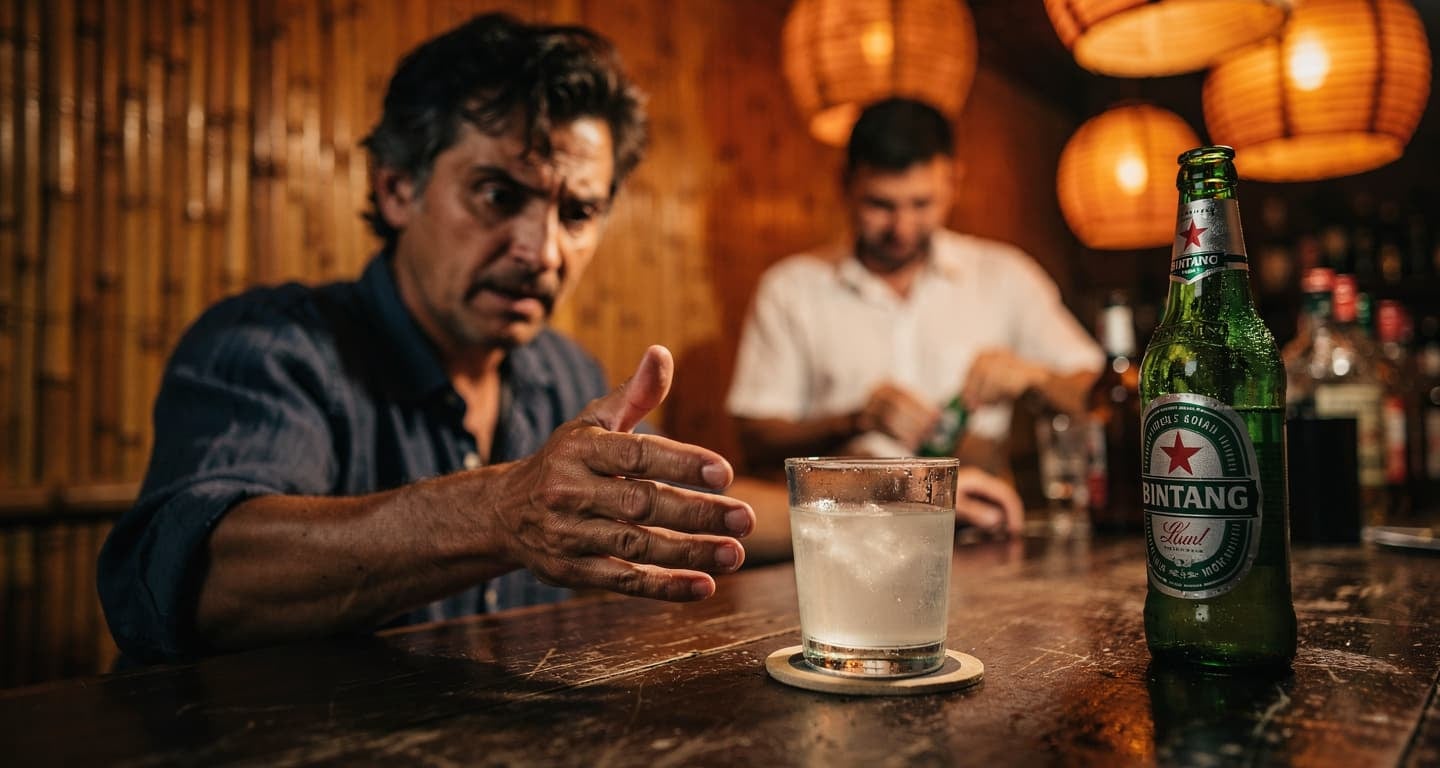
The methanol warning is specific to Bali and Lombok. Smartraveller states that methanol poisoning has occurred from contaminated or home-brewed alcohol, and that drinks may be spiked with drugs or toxic substances. The advice: avoid homemade spirits and only drink from sealed bottles in reputable venues. Methanol — used as a cheaper substitute in illicit distillation — can cause blindness or death even in small amounts, and mixing it with soft drinks masks the taste.
Travelers should also review flight options to Indonesia from Australasia and confirm that their routing avoids domestic connections through Papua if they plan internal travel.
Flight deals
most people never see
Our AI monitors 150+ airlines for pricing anomalies that traditional search engines miss. Air Traveler Club members save $650 per trip per person on average: see how it works.
Each deal saves 40–80% vs. regular fares:

Why this matters now
The advisory updates are not reactions to a single incident — they reflect an accumulation of risk signals over the past six months. Methanol poisoning cases in Bali and Lombok have been reported sporadically since late 2025, with at least three foreign nationals hospitalized in March 2026 after consuming contaminated cocktails. Papua’s armed separatist activity has intensified, with roadblocks and shootings targeting government convoys in Central Papua as recently as April 2026.
The terrorism threat is persistent rather than imminent. Indonesia has experienced periodic attacks on tourist areas since the 2002 Bali bombings, and security forces regularly disrupt plots. The advisory language — “attacks may occur with little or no warning” — is standard phrasing for environments where soft targets (bars, hotels, malls) remain vulnerable despite counterterrorism efforts.
For travelers, the practical impact is threefold. First, insurance underwriters are watching these advisories. A claim related to an incident in a Level 4 zone or involving alcohol in Bali could be denied if the insurer argues you ignored published warnings. Second, routing decisions matter: domestic flights to Papua are still operating, but booking them now carries reputational and safety risk. Third, on-the-ground behavior — what you drink, where you rent a scooter, which neighborhoods you visit at night — directly determines your exposure.
Steps to protect your trip
The advisory changes require immediate action if you have a trip booked in the next 90 days, and planning adjustments if you are considering Indonesia for later in 2026.
- Review your government’s full advisory: Read the entire text for your nationality — not just the summary level. Australia’s Smartraveller, New Zealand’s SafeTravel, the US State Department, and Canada’s Travel.gc.ca all publish detailed regional breakdowns and specific threat descriptions.
- Avoid Papua provinces entirely: Do not book trips to Central Papua, Highland Papua, or any province flagged as “reconsider travel” or “avoid non-essential travel.” This includes trekking, cultural tours, and diving in Raja Ampat if it requires transit through conflict zones.
- Alcohol safety protocol: In Bali and Lombok, drink only from sealed bottles opened in front of you. Avoid “arrack” (local palm spirit), mixed buckets, and free-pour cocktails in beach bars. Stick to international hotel bars or venues with visible brand-name bottle displays.
- Insurance verification: Confirm your policy explicitly covers medical evacuation from Indonesia to Singapore or Australia, and that motorbike/scooter use is included only if you hold a valid motorcycle license from your home country. A medical evacuation costs $50,000 — assuming anyone accepts the mission.
- Scooter rules: Wear a helmet, carry your home-country motorcycle license and an International Driving Permit, and photograph the rental agreement showing helmet provision. Many insurers void claims if any of these are missing.
Watch: Indonesia’s Ministry of Tourism typically responds to negative advisories with increased police presence in Bali and public statements about safety improvements. If methanol cases continue through June 2026, expect stricter bar licensing enforcement and possible venue closures in Seminyak and Canggu.

Questions? Answers.
How can travelers verify if a bar in Bali is safe from methanol contamination?
Prioritize venues tied to international hotel chains (Marriott, Hyatt, InterContinental), check whether spirits are poured from sealed bottles with visible labels, and avoid any establishment offering “local specials” or unbranded cocktails. Methanol is tasteless when mixed, so visual verification of the bottle is the only reliable check. Beach clubs in Seminyak with high tourist volume and liquor licenses displayed are generally safer than roadside warungs.
Does travel insurance cover incidents in Papua if the government says “Do Not Travel”?
Most policies exclude claims arising from travel to regions under a Level 4 or “Do Not Travel” advisory at the time of booking. If you booked before the advisory was issued, some insurers will honor coverage, but you must notify them of the change and accept any premium adjustment. If you book after May 8, 2026, and travel to Central or Highland Papua, expect claim denial.
What is the actual terrorism risk level in Bali compared to other Southeast Asian destinations?
Bali’s terrorism risk is comparable to Bangkok or Manila — persistent but not imminent. Indonesia’s counterterrorism forces disrupt plots regularly, and the last major attack in Bali was in 2005. The advisory language reflects the fact that soft targets (bars, nightclubs, hotels) remain vulnerable, and attacks can occur with no public warning. The risk is low in absolute terms but higher than Singapore or Kuala Lumpur.
Can travelers still visit Raja Ampat or other parts of West Papua safely?
West Papua (the province) is not under a “Do Not Travel” advisory, but Central Papua and Highland Papua are. Raja Ampat is in West Papua and is geographically separate from the conflict zones. However, domestic flights to Sorong (the gateway to Raja Ampat) may transit through areas with heightened security, and consular assistance is limited. Check your government’s advisory for the specific province before booking.
What happens if a natural disaster disrupts my trip while I am in Indonesia?
Indonesia sits on the Pacific Ring of Fire, and earthquakes, tsunamis, and volcanic eruptions can disrupt transport and infrastructure with no warning. If an event occurs, follow local evacuation orders, contact your embassy, and expect delays in commercial flights. Travel insurance with “trip interruption” coverage will reimburse additional accommodation and rebooking costs, but only if the policy was purchased before the event. Monitor the Indonesian Meteorology, Climatology, and Geophysical Agency (BMKG) for real-time alerts.