Quick summary
India’s electronic arrival form became mandatory for all foreign nationals and OCI cardholders on October 1, 2025, with paper forms accepted only until March 31, 2026. The e-form must be submitted online up to 72 hours before arrival via indianvisaonline.gov.in/earrival/, and airlines now audit compliance at check-in — travelers without proof of submission risk boarding denial.
OCI holders lost their prior exemption on October 4, 2025, meaning dual-citizen frequent visitors now face the same requirement as other foreign nationals. This article covers the submission process, family filing options, what to present at immigration, and the March 2026 transition deadline.
India ended paper arrival forms for foreign travelers effective March 31, 2026. The electronic arrival card system, launched in October 2025, is now the only accepted method for immigration clearance at all Indian international airports.
All foreign nationals and Overseas Citizen of India (OCI) cardholders must submit the e-form online between 72 hours and zero hours before arrival. Indian citizens remain exempt.
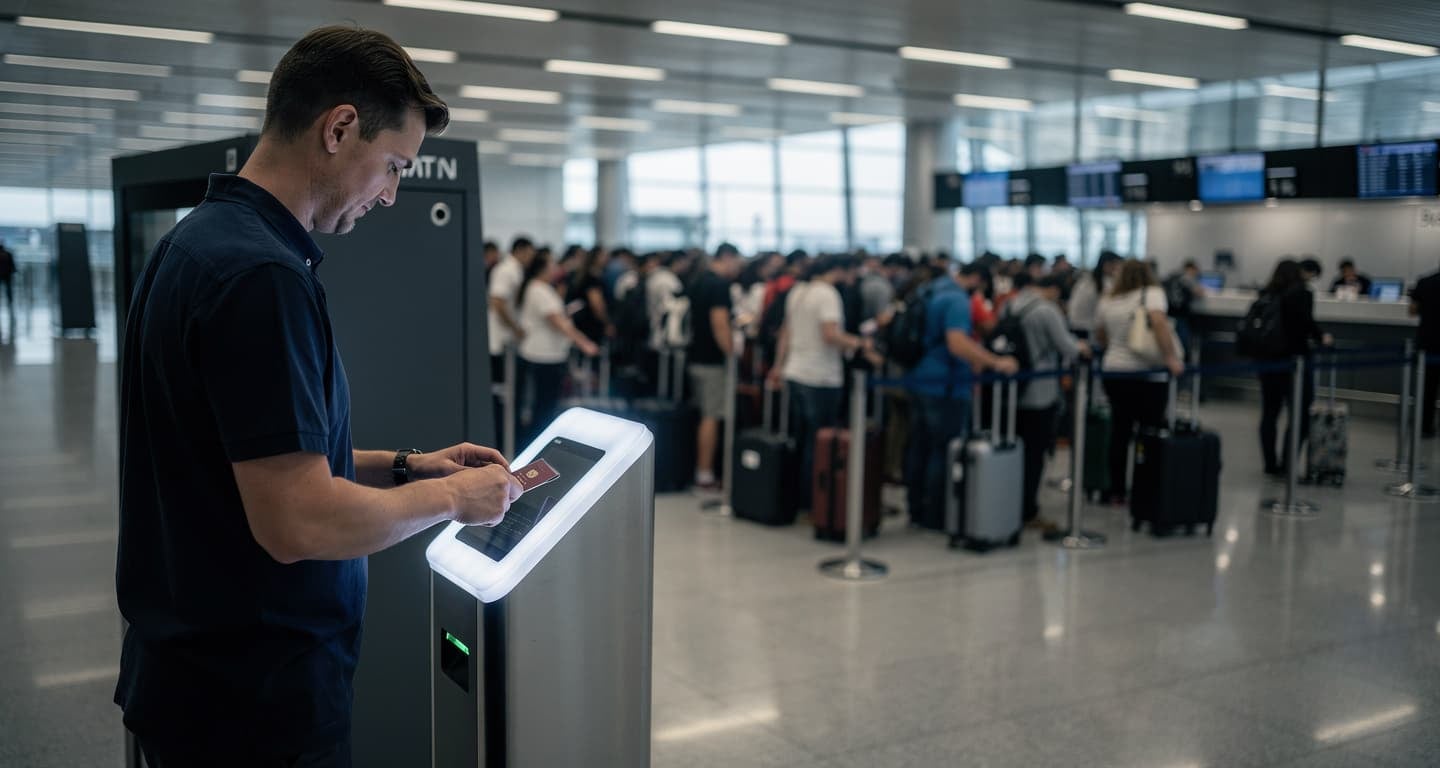
Airlines including Air India, United, and IndiGo now verify e-form submission during check-in. Travelers without proof — a QR code screenshot or printout — may be denied boarding. At immigration, the QR code replaces the traditional paper disembarkation card and reduces clearance time by approximately 40% based on pilot programs at Delhi and Bengaluru airports.
The change affects all entry points: Delhi, Mumbai, Bengaluru, Chennai, Hyderabad, and regional airports. OCI holders, previously exempt, have been required to file since October 4, 2025 — a policy shift impacting dual-citizen frequent visitors who previously bypassed the form entirely.
How the e-Arrival Card works
The official portal is indianvisaonline.gov.in/earrival/, operated by India’s Bureau of Immigration. Travelers can also use the Su-Swagatam mobile app, available on iOS and Android.
Required information includes passport details, flight number and arrival date, purpose of visit, India address (hotel or residence), and contact plus emergency details. No document uploads are needed — the form is text-entry only and takes 5-8 minutes to complete.
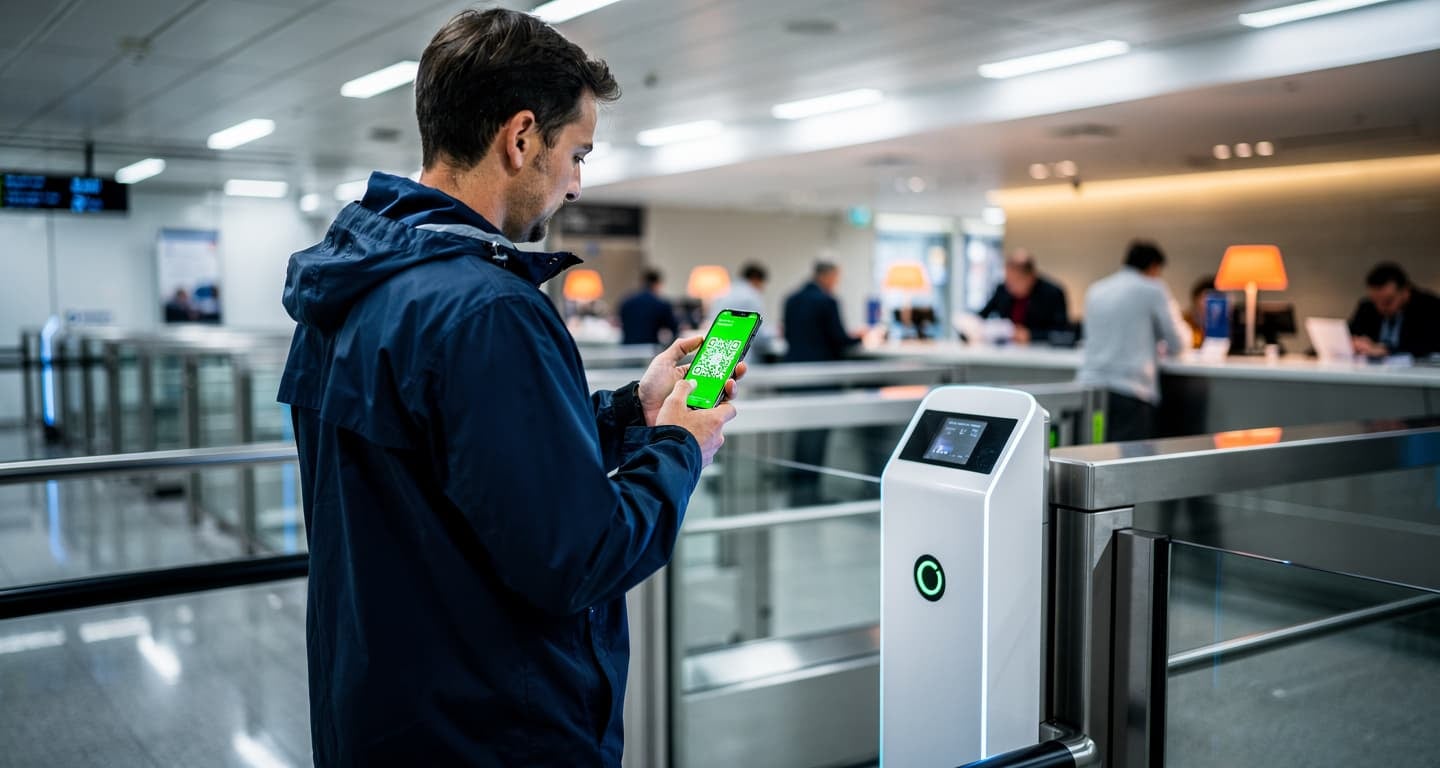
One form can cover up to five family members traveling together, saving time for groups. After submission, the system generates a QR code. Save a screenshot or print the confirmation page — this is what immigration officers scan at arrival.
| Factor | Requirement | Impact |
|---|---|---|
| Who must file | All foreign nationals + OCI holders | Indian citizens exempt |
| Submission window | 72 hours to 0 hours before arrival | Earlier filing recommended |
| Paper form deadline | Accepted until March 31, 2026 | Mandatory e-form after this date |
| Family filing | Up to 5 members on one form | Reduces duplicate entry |
| Airline enforcement | Check-in audits for QR proof | Boarding denial risk |
| Immigration time | ~40% faster clearance (Delhi/Bengaluru pilots) | Shorter queues for e-form users |
Personal data is encrypted and retained for seven years under India’s Immigration Rules. There is no fee for e-form submission, and the system integrates with existing e-visa records for travelers holding electronic visas or ETAs.
For flights to India from North America, this adds one pre-departure step alongside visa arrangements. United operates nonstop services from Newark, San Francisco, and Chicago to Delhi and Mumbai; Air India connects from New York, Washington, and Vancouver. All carriers now check e-form compliance before issuing boarding passes.
Flight deals
most people never see
Our AI monitors 150+ airlines for pricing anomalies that traditional search engines miss. Air Traveler Club members save $650 per trip per person on average: see how it works.
Each deal saves 40–80% vs. regular fares:

India joins the paperless border trend
India’s e-Arrival Card mirrors digital immigration systems already operating in Singapore (SG Arrival Card), Australia (Incoming Passenger Card app), and the UAE (smart gates). The shift is part of India’s preparation for hosting G20 tourism initiatives in 2026, where streamlined entry processes are a competitive advantage for attracting business and leisure traffic.
For travelers from the US, Canada, EU, Australia, and New Zealand, this aligns with the existing e-visa workflow most already use. India offers electronic travel authorization (ETA) to 30+ nationalities, and the e-Arrival Card now pairs with that system — no additional visa options are created, but the two digital processes must both be completed before departure.
The OCI policy change is the bigger disruption. OCI status — held by millions of people of Indian origin living abroad — previously granted arrival-form exemption. That ended without a grace period, catching frequent visitors off guard. Dual-citizen travelers who visit India multiple times per year now face the same pre-departure filing requirement as first-time tourists.
India’s Bureau of Immigration plans to release an API in late 2026 that allows corporate HR systems to auto-populate e-forms for business travelers, similar to tools used by multinational employers for China and Japan entry. Until then, travel managers should store the indianvisaonline.gov.in link centrally and brief teams on the 72-hour window.
Submit 48 hours before departure
The March 31, 2026 deadline eliminates paper forms entirely — after this date, travelers without a submitted e-form will face entry delays or denial, and airlines will refuse boarding.
- File early: Submit the e-form 48-72 hours before departure via indianvisaonline.gov.in/earrival/ or the Su-Swagatam app. Late submissions within 6 hours of departure may not sync to airline systems in time for check-in.
- Save proof: Screenshot the QR code and print a backup copy. Immigration accepts either format, but redundancy prevents delays if your phone fails.
- Use family filing: If traveling with up to 4 others, submit one form listing all passports. This reduces duplicate data entry and speeds up group processing at immigration.
- Verify integration: If you hold an e-visa or ETA, confirm the e-Arrival Card links to your visa record by checking the “visa status” section of the portal after submission. Mismatched records trigger manual verification queues.
- Corporate travelers: Store the portal link and filing instructions in your company’s travel policy. The planned API for HR systems won’t arrive until late 2026 — manual submission is the only option until then.
Watch: India’s Bureau of Immigration is piloting biometric exit tracking at Mumbai and Delhi in Q2 2026. If successful, departure cards may also go digital by year-end.

Questions? Answers.
Do transit passengers need to submit the e-Arrival Card?
If you exit the airport into India — for example, a Mumbai layover where you leave the terminal — you must submit the e-form. Pure airside transits (remaining in the international zone without clearing immigration) are exempt. Check the Bureau of Immigration’s transit policy on indianvisaonline.gov.in if your layover involves changing terminals or overnight stays.
What happens if I forget to submit or file too late?
Airlines including Air India, United, and IndiGo now audit e-form compliance at check-in. Without proof of submission (QR code screenshot or printout), you may be denied boarding. If you reach the airport without filing, paper forms are still accepted until March 31, 2026, but expect longer queues and manual verification. After that date, paper is no longer an option — you will face entry delays or denial.
Can I use the e-Arrival Card for multiple entries?
No. Each entry into India requires a separate e-form submission, even if you hold a multi-entry visa or OCI status. The form is tied to a specific flight and arrival date — you cannot reuse a QR code from a previous trip. Frequent travelers should save their passport details in the Su-Swagatam app to speed up repeat filings.
Is there a corporate API for bulk submissions?
Not yet. India’s Bureau of Immigration plans to release an API in late 2026 that allows HR systems to auto-populate e-forms for business travelers, similar to tools used for China and Japan entry. Until then, corporate travel managers should store the indianvisaonline.gov.in link centrally and brief employees on the 72-hour submission window.
Does the e-form replace my visa?
No. The e-Arrival Card is an immigration document, not a visa. You still need a valid e-visa, ETA, or traditional visa to enter India — the e-form supplements that requirement. The system integrates with e-visa records, but both must be completed before departure. OCI holders need the e-form but not a visa.