Quick summary
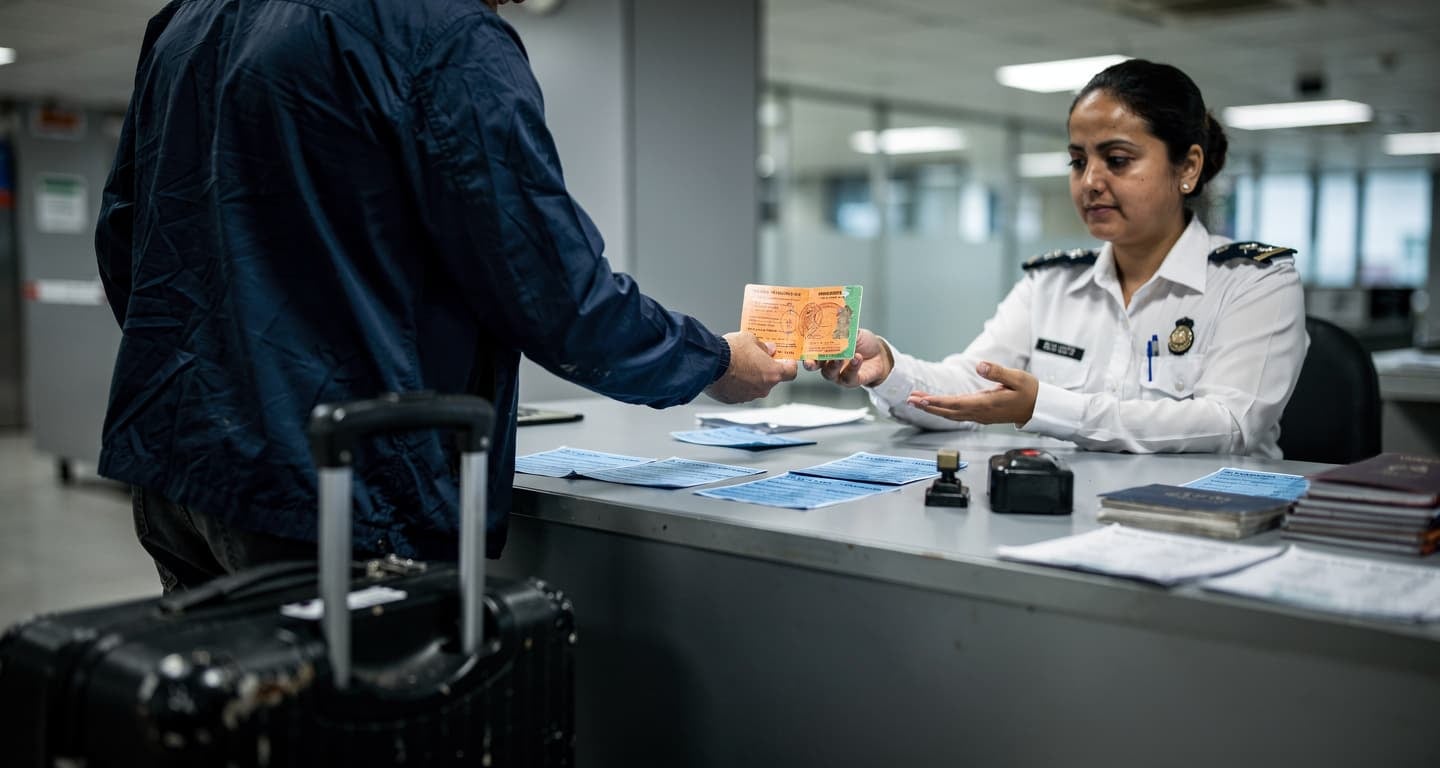
Indian nationals holding ordinary passports no longer need an airport transit visa when passing through French airports, effective April 10, 2026. The exemption applies to airside layovers at Paris Charles de Gaulle, Orly, and other French airports in European territory when traveling to a non-Schengen third country — eliminating the €80 visa fee and 7–15 day processing window that previously complicated connections.
The change applies only to passengers remaining in the international transit zone without collecting baggage or exiting to the Schengen area. Germany lifted a similar requirement in January 2026 for Frankfurt and Munich, creating a visa-free corridor through Europe’s two largest hub networks for Indian travelers connecting to Asia-Pacific destinations.
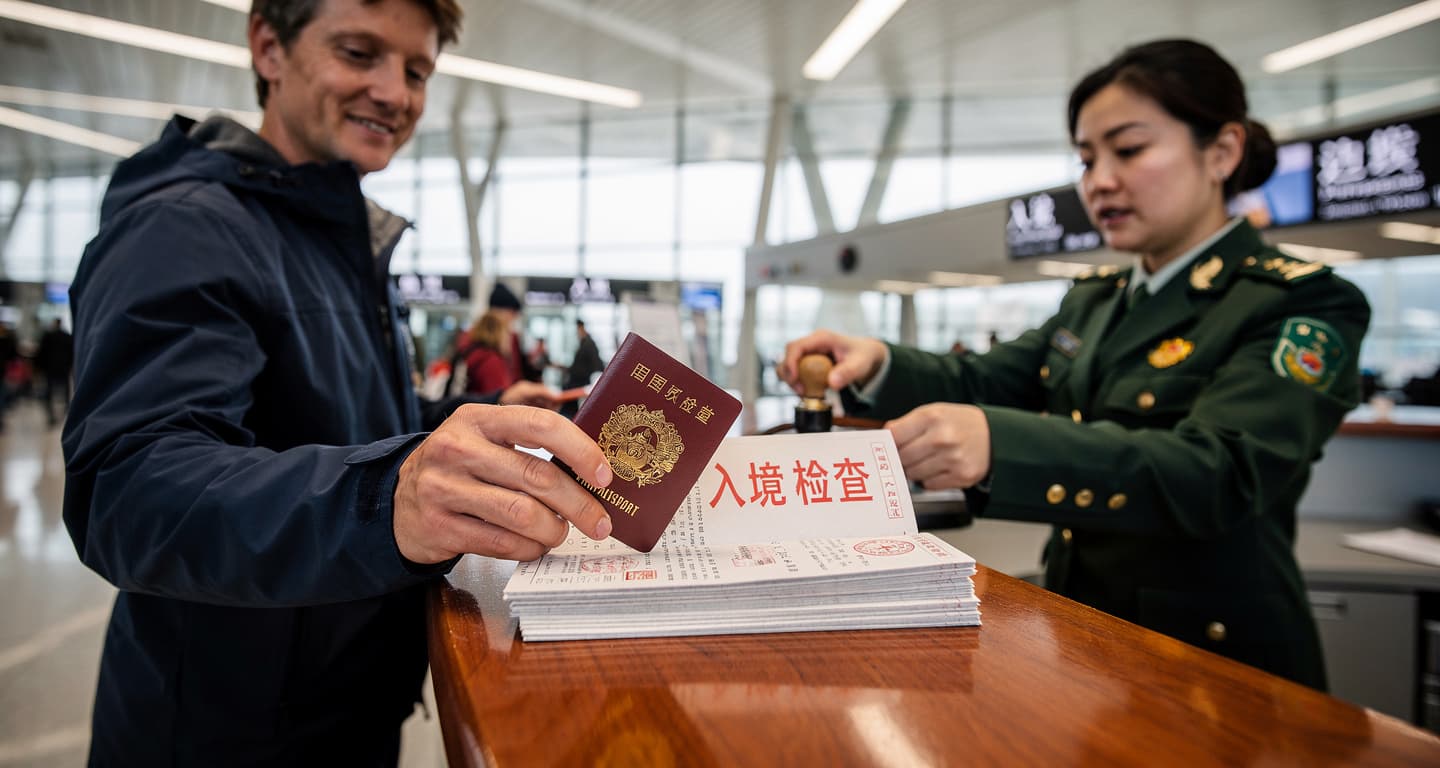
France removed the airport transit visa requirement for Indian passport holders on April 10, 2026, streamlining connections through Paris and other French hubs for travelers en route to destinations beyond the Schengen zone.
The measure was announced during French President Emmanuel Macron’s visit to India in February 2026 and operationalized by India’s Ministry of External Affairs on April 23, 2026. It applies to ordinary passport holders transiting through the international zone of French airports in European territory — excluding overseas departments like Réunion.
Previously, Indian nationals needed an airport transit visa even for short airside layovers without baggage claim or passport control. The visa cost €80 and required 7–15 days processing, adding €100–200 per trip when factoring in service fees and courier costs.
The change affects routes like Delhi–Paris–Singapore or Mumbai–Paris–Tokyo, where Air France and partner carriers offer competitive connections. For travelers from Europe to India, the reciprocal benefit is minimal — but the policy shift signals broader visa liberalization between France and India, with potential implications for tourism and business travel in both directions. European travelers can explore flight options to India from Europe to assess routing flexibility.
How the exemption works
The exemption was enacted via decree amending France’s May 10, 2010 transit visa regulation, published in the Journal Officiel on April 9, 2026. It covers air transit only — rail or road travel through France still requires a Schengen visa.
Passengers must remain in the international transit zone throughout their layover. Exiting airside to collect checked baggage, clear passport control, or stay in a hotel triggers the need for a full Schengen visa. Most French airports limit airside transit to 24 hours, though Air France permits connections of 3–23 hours at Charles de Gaulle.
| Factor | Requirement | Limitation |
|---|---|---|
| Passport type | Ordinary only | Diplomatic/service excluded |
| Transit zone | Airside international | No baggage claim/exit |
| Layover duration | Typically 3–24 hours | Airline-specific limits |
| Geographic scope | European France | Overseas territories excluded |
The official France-Visas platform updated its India page to reflect the exemption. Travelers should verify eligibility using the platform’s visa checker before booking — input passport type and itinerary, then print the confirmation for airport staff.
Flight deals
most people never see
Our AI monitors 150+ airlines for pricing anomalies that traditional search engines miss. Air Traveler Club members save $650 per trip per person on average: see how it works.
Each deal saves 40–80% vs. regular fares:

The wider European picture
Germany lifted its Schengen airport transit visa requirement for Indian nationals in January 2026, applying to Frankfurt and Munich for non-Schengen connections. The French exemption follows the same logic — reducing friction for passengers who never enter the Schengen area.
Together, the two changes create a visa-free corridor through Europe’s largest hub networks for Indian travelers connecting to Asia-Pacific destinations. Routes like Delhi–Frankfurt–Tokyo or Mumbai–Paris–Singapore no longer require advance visa applications, cutting 10–20 days from trip planning timelines.
For airlines, the shift frees capacity on India–Europe–Asia flows. Air France and KLM compete with Gulf carriers like Emirates and Qatar Airways on these corridors — the visa barrier previously tilted the advantage toward Dubai and Doha, where Indian nationals transit visa-free. The French and German exemptions level the playing field.
The policy change also reflects broader diplomatic momentum. President Macron’s February visit to India included agreements on defense, space cooperation, and cultural exchange — the transit visa lift was framed as a gesture of goodwill, with potential for further visa liberalization in future negotiations.
What Indian travelers should verify
The exemption is active, but implementation varies by airline and airport. Confirm these points before booking a France layover:
- Passport type: Ordinary passports only — diplomatic and service passports are excluded from the exemption.
- Layover duration: Most French airports cap airside transit at 24 hours. Air France permits 3–23 hour connections at Charles de Gaulle — verify your carrier’s policy.
- Baggage handling: If your itinerary requires collecting and rechecking bags, you exit the international zone and need a Schengen visa. Book through-ticketed connections with baggage tagged to final destination.
- Airline confirmation: Contact the carrier’s transit desk 24–48 hours before departure. Use Air France‘s Manage Booking tool or Air India‘s customer service line to verify transit visa status appears as “exempt.”
- UK connections: If transiting France en route to the UK, check UK transit visa requirements separately — the French exemption doesn’t override British rules.

Questions? Answers.
Does this apply to multi-leg transits with layovers exceeding 24 hours?
No. Most French airports limit airside transit to 24 hours. Layovers beyond that threshold require a Schengen visa, even if you remain airside. Air France permits connections of 3–23 hours at Charles de Gaulle — check your carrier’s specific policy before booking. If your itinerary shows a layover exceeding the airline’s limit, you’ll need a visa regardless of whether you plan to exit the terminal.
What if I’m connecting to the UK from France?
The French exemption allows airside transit at Paris Charles de Gaulle for UK-bound flights, but you must verify UK transit visa requirements separately. Indian nationals may need a UK Visitor in Transit visa depending on the route and passport endorsements. France’s policy change doesn’t override British immigration rules — check the UK government’s visa tool before booking.
How do I verify airline compliance before my flight?
Contact your carrier’s transit desk 24–48 hours before departure. Air France and Air India both offer online Manage Booking tools that display transit visa requirements based on your itinerary. You can also use IATA Timatic via the airline’s mobile app — it pulls real-time visa rules for your specific routing. Non-compliance risks denial of boarding at your origin airport, with no refund for the unused ticket.
Does the exemption apply to French overseas territories like Réunion?
No. The exemption is limited to European France — airports in overseas departments and territories follow separate visa rules. If your layover is in Réunion, Martinique, or French Guiana, check local transit visa requirements with the French consulate. The April 10, 2026 decree explicitly excludes non-European French territory.
Can I use this exemption if I’m traveling by rail through France?
No. The exemption applies to air transit only. If you’re traveling by train or road through France — even without exiting the station — you need a Schengen visa. The decree specifies “air transit in the international zone” as the sole qualifying scenario. Non-air transit modes require advance visa applications regardless of layover duration.