Quick summary
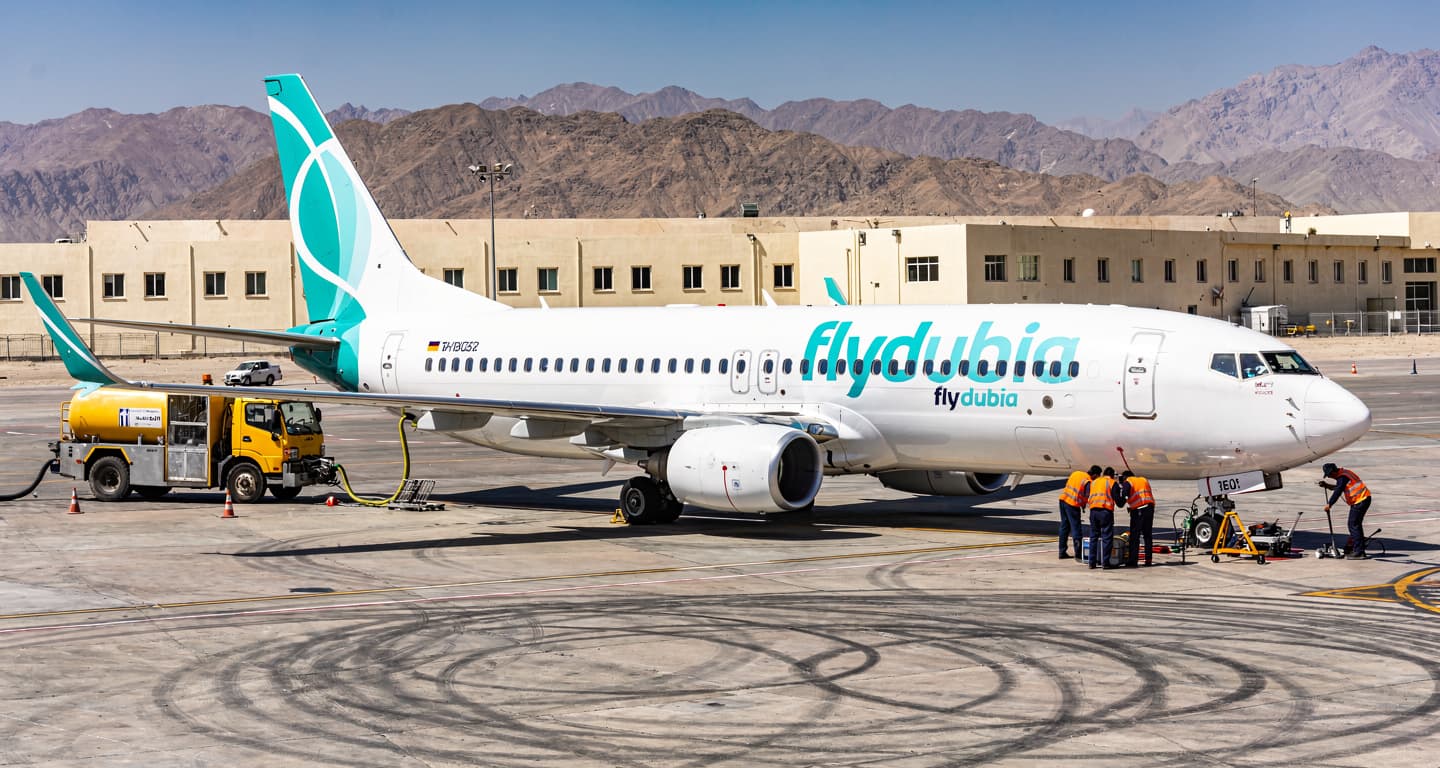
Flydubai has canceled all planned Dubai–Budapest flights for April 2026—originally scheduled three times weekly on Mondays, Wednesdays, and Saturdays—citing regional instability affecting safe operations. Emirates has cut its Dubai–Budapest schedule to five weekly flights through April 12, then four weekly flights from April 13 onward (Tuesday, Thursday, Saturday, Sunday), down from typical pre-disruption levels. The reductions stem from Middle East airspace restrictions over Iran and Iraq that began in late February, forcing aircraft reroutes and constraining capacity at Dubai International Airport.
Passengers holding Flydubai bookings must rebook or request refunds immediately via the airline’s disruptions policy. Emirates travelers departing after April 13 face a severely reduced schedule—check flight status and consider rebooking through alternative hubs if connections are tight.
Flydubai pulls entire April schedule, Emirates drops to four weekly flights
The Dubai–Budapest corridor has lost a severe overall capacity reduction in April as both carriers serving the route implement cuts tied to ongoing Middle East airspace constraints. Flydubai had planned to resume operations this month with three weekly flights but has now suspended all April services, leaving Emirates as the sole direct operator—at sharply reduced frequency.
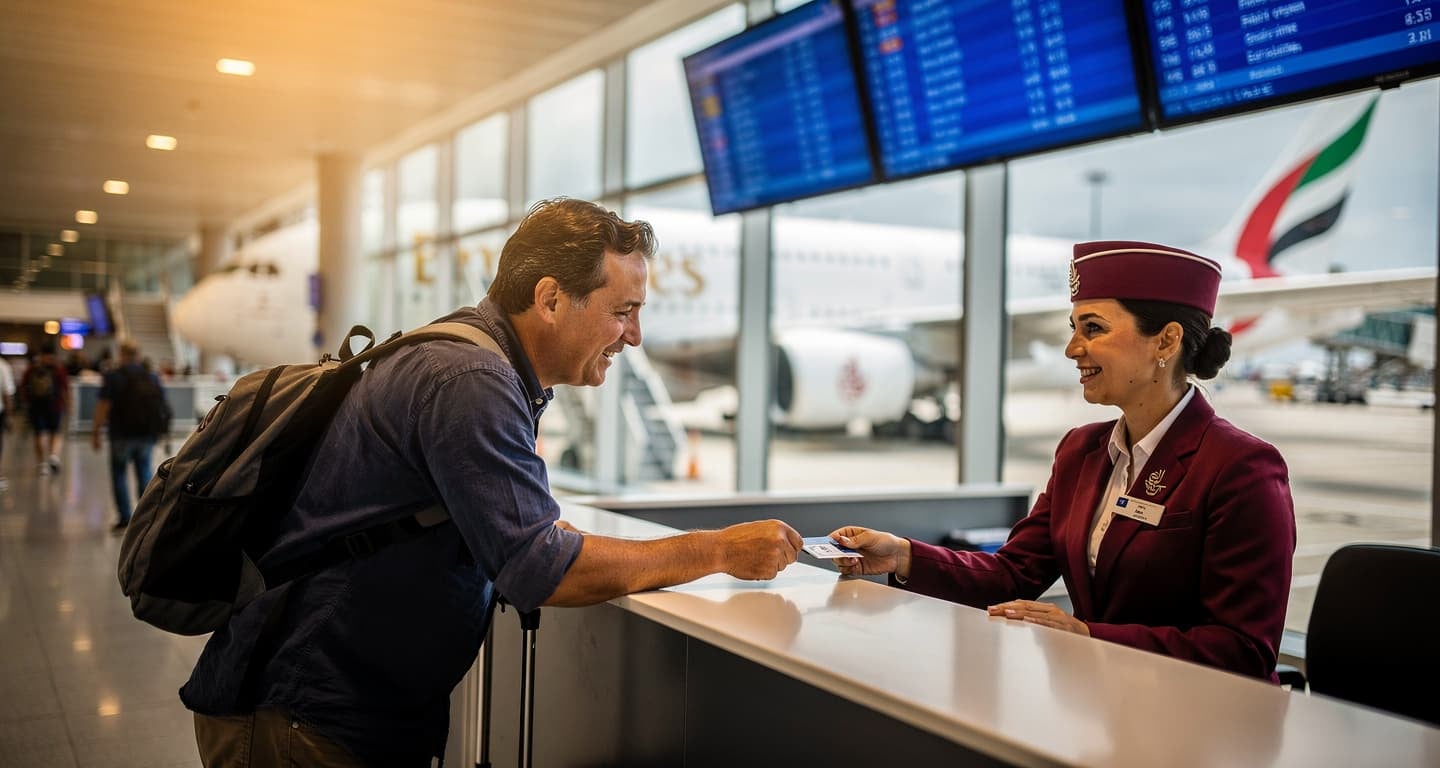
Emirates is operating five weekly flights between April 7 and 12, then cutting to four weekly flights from April 13 through month-end. The airline deploys Boeing 777 aircraft on flights EK111 (departing Dubai at 10:05, arriving Budapest at 13:05, six-hour flight time) and EK112 (departing Budapest at 15:15, arriving Dubai at 23:25, five hours ten minutes). The reduction from typical pre-disruption levels reflects operational constraints at Dubai International Airport, where airspace restrictions over Iran and Iraq force longer routing and limit turnaround capacity.
Flydubai cited the need to maintain “safe and reliable operations” in its cancellation notice. Passengers with April bookings are eligible for full refunds or rebooking onto alternative flights, subject to availability, under the airline’s disruptions policy. The policy grants full refunds or free rebooking for flights canceled or changed by the airline more than 72 hours before departure.
| Carrier | Status | Frequency | Key impact |
|---|---|---|---|
| Flydubai | Canceled | 0 (planned 3x weekly) | Total loss of low-cost capacity |
| Emirates | Reduced | 5x weekly (Apr 7–12), 4x weekly (Apr 13+) | 40% cut from typical levels |
| Other direct | None | 0 | No alternative direct service |
Flight deals
most people never see
Our AI monitors 150+ airlines for pricing anomalies that traditional search engines miss. Air Traveler Club members save $650 per trip per person on average: see how it works.
Each deal saves 40–80% vs. regular fares:

Airspace restrictions force rerouting, extend flight times
The disruptions trace back to Middle East airspace closures over Iran and Iraq that began in late February 2026. Emirates and Flydubai faced similar capacity constraints then, grounding flights to multiple European and Asian destinations including Budapest. Operations partially restored by April 3, but the current cuts represent a continuation of the same airspace issues rather than a new crisis.
Aircraft flying between Dubai and Europe now take longer, indirect routes to avoid restricted zones—adding fuel burn, extending flight times, and reducing the number of rotations each aircraft can complete daily. This bottleneck effect compounds at Dubai International Airport, where terminal capacity and fuel infrastructure limit how many flights can operate simultaneously. Reports from mid-March indicated damage to a fuel storage facility and parts of the terminal area, further constraining throughput even when runways remain open.
The result: airlines must choose which routes receive limited capacity. Budapest, a secondary European destination compared to London or Frankfurt, loses frequency when Dubai hub operations tighten. Emirates’ travel updates page confirms reduced schedules through April 30, with rebooking options available for tickets affected between February 28 and April 30 due to regional airspace partial reopening—language that signals the situation remains fluid.
What to do if your Dubai–Budapest flight is affected
The reduced schedule creates immediate pressure on remaining seats and forces travelers to act quickly.
- Check flight status daily. Emirates operates EK111 and EK112 on a four-day-per-week rotation from April 13 onward (Tuesday, Thursday, Saturday, Sunday). If your original booking falls on a canceled day, the airline will contact you—but proactive checking via emirates.com/flight-status catches changes faster.
- Request rebooking within 72 hours of notification. Both airlines offer flexible rebooking under their disruptions policies, but availability tightens as more passengers compete for fewer seats. Emirates’ policy allows rebooking onto the next available flight for tickets affected between February 28 and April 30.
- Consider alternative hubs. Qatar Airways operates multiple daily Doha–Budapest flights via its 21-times-weekly Dubai–Doha service, using Airbus A350 aircraft. Turkish Airlines runs multiple daily Istanbul–Budapest flights with Boeing 787 equipment and Star Alliance connectivity. Both hubs currently face fewer airspace restrictions than Dubai.
- Monitor fare spikes. Limited capacity typically drives 20 to 50 percent fare increases on remaining flights. If you’re flexible on dates, shifting travel to late April or early May may offer better availability as airlines adjust schedules.
- Allow extra connection time. If Dubai is a connection point rather than your final destination, build in at least six hours between flights—rerouted aircraft and congested terminals make tight connections high-risk.
Watch: Emirates’ April 30 schedule update will reveal whether Dubai–Budapest remains at four weekly flights or drops further, signaling prolonged Iran and Iraq airspace constraints that could extend into May.

Questions? Answers.
Why did Flydubai cancel all April Dubai–Budapest flights?
The airline cited regional instability and the need to maintain safe and reliable operations. Middle East airspace restrictions over Iran and Iraq force longer routing, extend flight times, and constrain capacity at Dubai International Airport—making it impossible to guarantee the planned three-weekly service.
How many times per week does Emirates now fly Dubai–Budapest?
Five times weekly between April 7 and 12, then four times weekly from April 13 onward (Tuesday, Thursday, Saturday, Sunday). This represents a severe reduction from typical pre-disruption levels.
Can I get a refund or rebook my canceled Flydubai flight?
Yes. Flydubai’s disruptions policy grants full refunds or free rebooking for flights canceled by the airline more than 72 hours before departure. Log into flydubai.com/manage-booking to process your request.
What alternative routes exist if I need to travel between Dubai and Budapest?
Qatar Airways operates multiple daily Doha–Budapest flights via its 21-times-weekly Dubai–Doha service. Turkish Airlines runs multiple daily Istanbul–Budapest flights. Both hubs face fewer airspace restrictions than Dubai and offer more reliable capacity.
Will Dubai–Budapest flights return to normal frequency after April?
Unknown. Emirates’ travel updates page lists reduced schedules through April 30, but the airline has not confirmed May schedules. Watch for the April 30 schedule update—if frequency remains at four weekly or drops further, expect prolonged constraints into May.