Quick summary
EU negotiations to overhaul air passenger rights are approaching a hard mid-June 2026 deadline, with the European Parliament holding firm on keeping the three-hour delay threshold and compensation of €250 to €600 while pushing to add free cabin baggage and no-fee family seating for children under 14. The Council, broadly aligned with airline industry positions, has resisted these additions, creating a standoff that could either produce a stronger passenger charter or collapse entirely — leaving the 2013 reform initiative to expire.
Current EU261/2004 protections remain fully in force for every flight departing an EU airport right now. What hangs in the balance is whether the next generation of rules arrives in 2027 or gets shelved for years.
Negotiators from the European Parliament and EU member states have been locked in talks — some running past 5 a.m. — over the most significant overhaul of EU air passenger rights in more than two decades. The existing framework, Regulation 261/2004, has governed delay and cancellation compensation since February 2005. It has not been substantively updated since.
Parliament adopted its formal position earlier in 2026, voting to retain the three-hour compensation trigger and the existing payout bands while adding three new passenger protections: at least one carry-on bag free of charge, guaranteed adjacent seating for children under 14 at no extra cost, and pre-filled compensation forms sent automatically when a flight is disrupted. The Council — representing EU member states — has pushed back on all three additions, arguing they impose unacceptable costs on carriers.
The gap between the two positions is not narrow. Parliament’s lead negotiators have described the Council’s stance as reflecting “the airlines’ position” rather than a consumer-protection logic. With the mid-June 2026 deadline now imminent, the outcome is binary: a deal that locks in at minimum today’s rights — and potentially more — or a collapse that freezes the status quo and postpones any reform for the foreseeable future.
For travelers with EU-departing flights this summer, the immediate answer is straightforward: your current rights are intact. The uncertainty is about what comes next.
What Parliament is fighting to keep — and add
The core of Parliament’s position is defensive as much as expansive. MEPs are not asking for higher compensation — they want to preserve what the Court of Justice of the EU established through case law: that a delay of three hours or more at the final destination triggers the same compensation rights as a cancellation. The Council has floated raising that threshold, which Parliament has flatly rejected.
On top of the status quo, Parliament’s adopted position adds three specific protections. First, at least one piece of hand luggage up to 7 kg — within maximum combined dimensions of 100 cm — must be carried free on all flights, including low-cost carriers. Second, children under 14 must be seated next to an accompanying adult at no charge. Third, airlines must send a pre-filled compensation claim form to disrupted passengers automatically, removing the current burden of passengers hunting down the right form and contact address.
Discussions reported by EU Perspectives suggest a potential outcome could preserve current compensation levels and add requirements for airlines to send a claim link within 48 hours of disruption and respond to claims within 30 days — though this remains unconfirmed as a formal compromise text. The reform is described as on the brink of collapse as the deadline approaches.
One area where Parliament has already moved toward the industry: the original position mandated that a carry-on suitcase be included in every advertised fare. The current ask is for price transparency — passengers must be offered a fare that includes cabin baggage, with a lower price available if they decline it. That is a meaningful concession, and it signals Parliament is not entirely inflexible.
| Protection | Current rule (EU261/2004) | Parliament’s position | Council stance |
|---|---|---|---|
| Delay compensation threshold | 3 hours at final destination | Retain 3-hour threshold | Seeking to raise threshold |
| Compensation amount | €250 / €400 / €600 by distance | Retain existing bands | Seeking reductions |
| Cabin baggage | No universal free entitlement | 1 bag up to 7 kg free on all flights | Opposed |
| Family seating (under 14s) | No specific rule | Free adjacent seating guaranteed | Opposed |
| Claim process | Passenger must initiate claim | Pre-filled form sent within 48 hours | Under discussion |
| Claim response deadline | No statutory deadline | 30-day airline response required | Under discussion |
Flight deals
most people never see
Our AI monitors 150+ airlines for pricing anomalies that traditional search engines miss. Air Traveler Club members save $650 per trip per person on average: see how it works.
Each deal saves 40–80% vs. regular fares:

Why this negotiation has been stuck since 2013
The pattern here is not new. Regulation 261/2004 itself entered force in February 2005 and was immediately contested by airlines. It took years of Court of Justice rulings to establish that long delays — not just cancellations — triggered compensation, a reading the industry fought at every stage. The current reform attempt began in 2013 with a Commission proposal to codify that case law and modernize the rules. Thirteen years later, it is still unresolved.
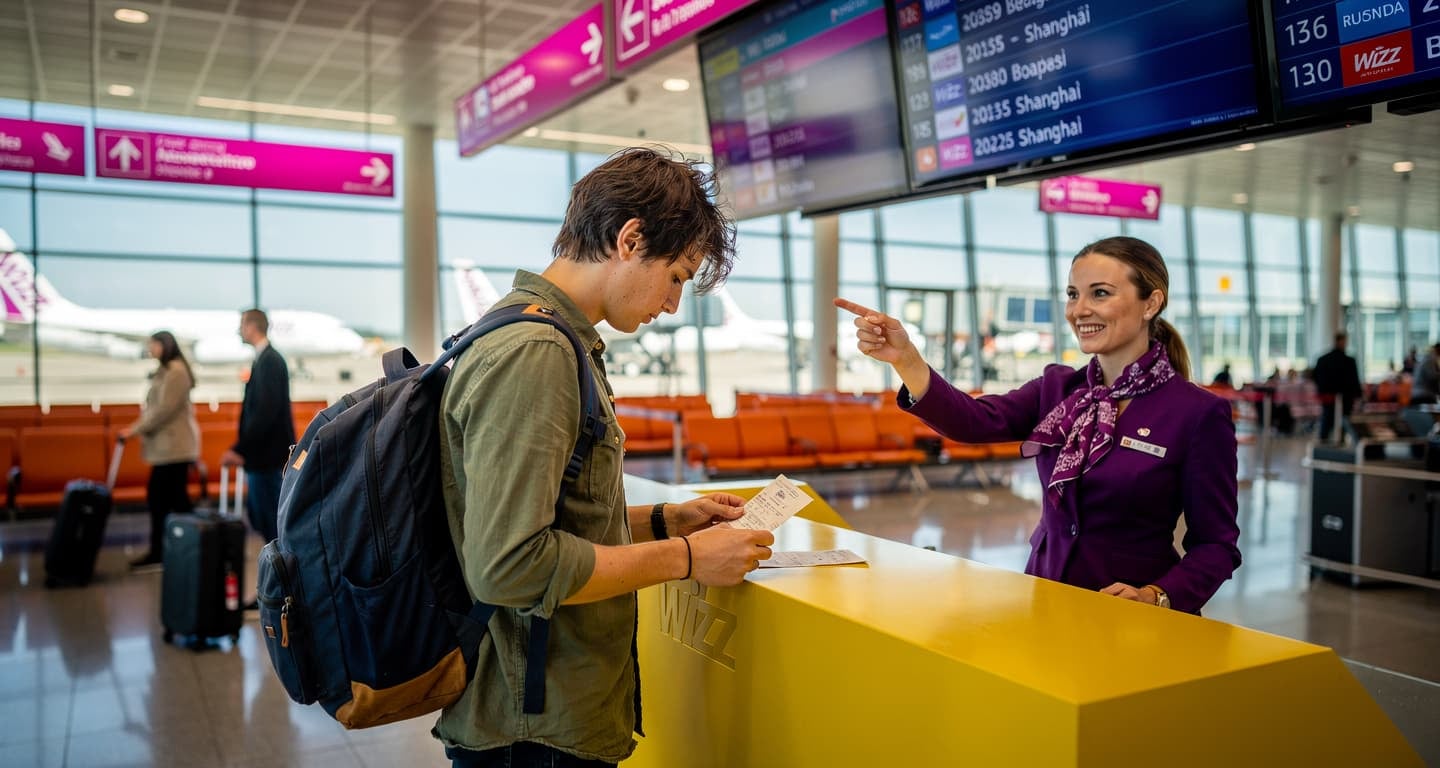
What makes this round different is the low-cost carrier factor. Ryanair, easyJet, and Wizz Air have grown enormously since 2004 — and with them, the practice of charging separately for cabin bags and seat selection. Parliament’s additions are aimed squarely at those business models. That is why the Council, which includes member states with significant low-cost carrier bases, is resisting: the airlines have made their cost arguments directly to national governments, and those governments have carried them into the negotiating room.
The extraordinary-circumstances question is also live. Airlines argue that security queues, border control delays, and subcontractor failures should exempt them from compensation — Parliament disagrees, and wants a clearer, codified list rather than leaving it to court interpretation. That clarity, paradoxically, could benefit carriers as much as passengers by reducing litigation uncertainty.
It is worth noting that a European Commission ruling earlier in 2026 confirmed that high fuel prices do not constitute an extraordinary circumstance under EU261 — closing one escape route airlines had been quietly using to deny compensation for cancellations.
Protecting your rights now, whatever the outcome
The mid-June 2026 deadline means the negotiating outcome — deal or collapse — will be known before most summer travel peaks. These steps apply in either scenario.
- File EU261 claims directly with your airline. Go to the airline’s official website and use its EU261/2004 claim form. Third-party claim services typically take 25–35% of any payout. The three-hour delay threshold and €250–€600 compensation bands are current law — reference them explicitly in any claim.
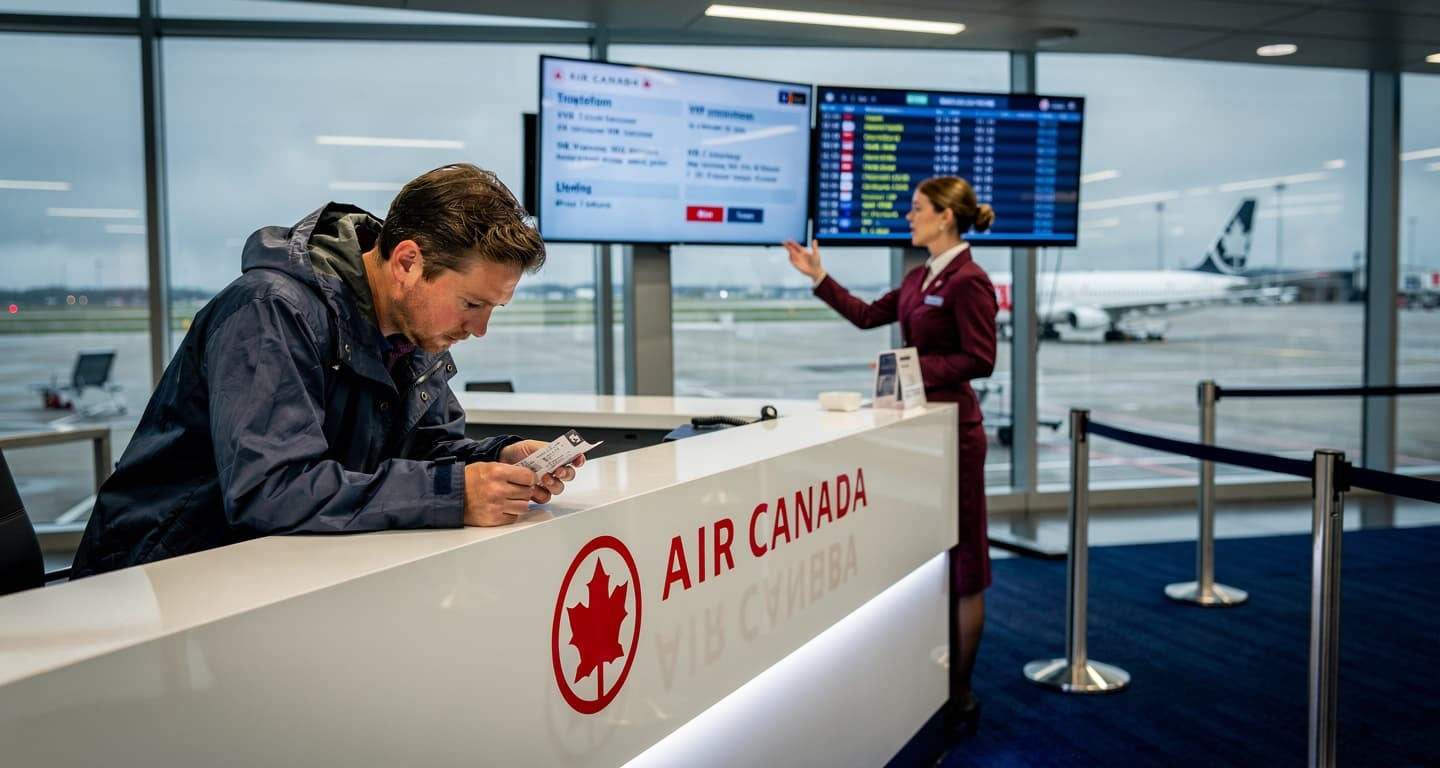
- Document disruptions immediately. Screenshot departure boards, save SMS and email notifications, and photograph any airline communication about delays or cancellations. This evidence is essential if an airline invokes extraordinary circumstances to deny a claim.
- Check seat assignments if travelling with children under 14. No free family seating rule exists yet. If you are flying before any new rules take effect, either pay the seat selection fee or contact the airline directly — most carriers will seat young children with adults when asked, even without a formal obligation.
- Re-check baggage allowances before departure. If a deal is reached and new cabin-bag rules are adopted, airlines will update their conditions of carriage. Verify your allowance at the airline’s site within 72 hours of departure, particularly on low-cost carriers where policies change frequently.
- Know that fuel costs cannot void your claim. The European Commission confirmed in May 2026 that high fuel prices are not an extraordinary circumstance — if an airline cites fuel costs to deny compensation, that argument has no legal basis under current rules.
Watch: The mid-June 2026 political agreement deadline. If Parliament and Council announce even a narrow deal, look for the formal ratification votes later in 2026 — those votes will confirm whether stronger baggage and claims rules take effect from 2027. If talks collapse, the next realistic window for reform reopens only when the Commission files a new proposal, which could be years away.

Questions? Answers.
Do my current EU flight delay compensation rights change if negotiations collapse?
No. If Parliament and Council fail to reach a deal by mid-June 2026, the 2013 reform initiative expires and Regulation 261/2004 continues unchanged. You retain full rights to €250, €400, or €600 compensation for delays of three hours or more, cancellations, and denied boarding on flights departing EU airports. Nothing gets worse — the upgrades simply do not arrive.
Which flights are covered by EU261/2004 compensation rules?
All flights departing from an EU airport, regardless of the airline’s nationality, are covered. Flights arriving into the EU on an EU-based carrier are also covered. Flights arriving into the EU on a non-EU carrier are not covered by EU261 — though UK261 applies on UK-departing flights under equivalent rules. US, Canadian, Australian, and New Zealand passengers flying on non-EU carriers from outside the EU have no equivalent cash compensation entitlement under their home regulations.
If a deal is reached, when would new rules on cabin bags and family seating actually take effect?
A political agreement by mid-June 2026 would still require formal ratification votes in both Parliament and Council, plus a transition period for airlines to adjust systems and fare structures. Industry analysts expect any new obligations — on baggage, family seating, and claims processing — to take effect no earlier than 2027. Bookings made now for travel in late 2026 are almost certainly governed by current rules.
Can an airline refuse my EU261 compensation claim by citing extraordinary circumstances?
Yes, but the bar is high and narrowing. Extraordinary circumstances must be events genuinely outside the airline’s control — severe weather, air traffic control strikes, and security incidents are established examples. High fuel prices were ruled out as a valid exemption by the European Commission in May 2026. Security queue delays and subcontractor failures are contested and likely to be clarified in any final deal. If an airline cites extraordinary circumstances, request the specific evidence in writing and consider escalating to your national enforcement body.