Quick summary
Emirates is developing a bespoke travel insurance product in partnership with insurers, designed to fill the coverage gap that has left passengers unable to obtain standard protection for trips to or through Dubai since the Iran-related conflict elevated Gulf travel advisories. Emirates President Tim Clark confirmed the initiative, stating the product will be “reasonably priced” and will guarantee passengers a route home — on another carrier if necessary. Transfer traffic at Dubai International Airport (DXB) has fallen to roughly 40,000 passengers daily, down from 100,000 before the conflict, as insurance exclusions deter bookings.
No formal launch date or policy terms have been published yet. Clark’s commitment that Emirates will cover repatriation “on other carriers if necessary” sets a higher bar than most airline disruption policies.
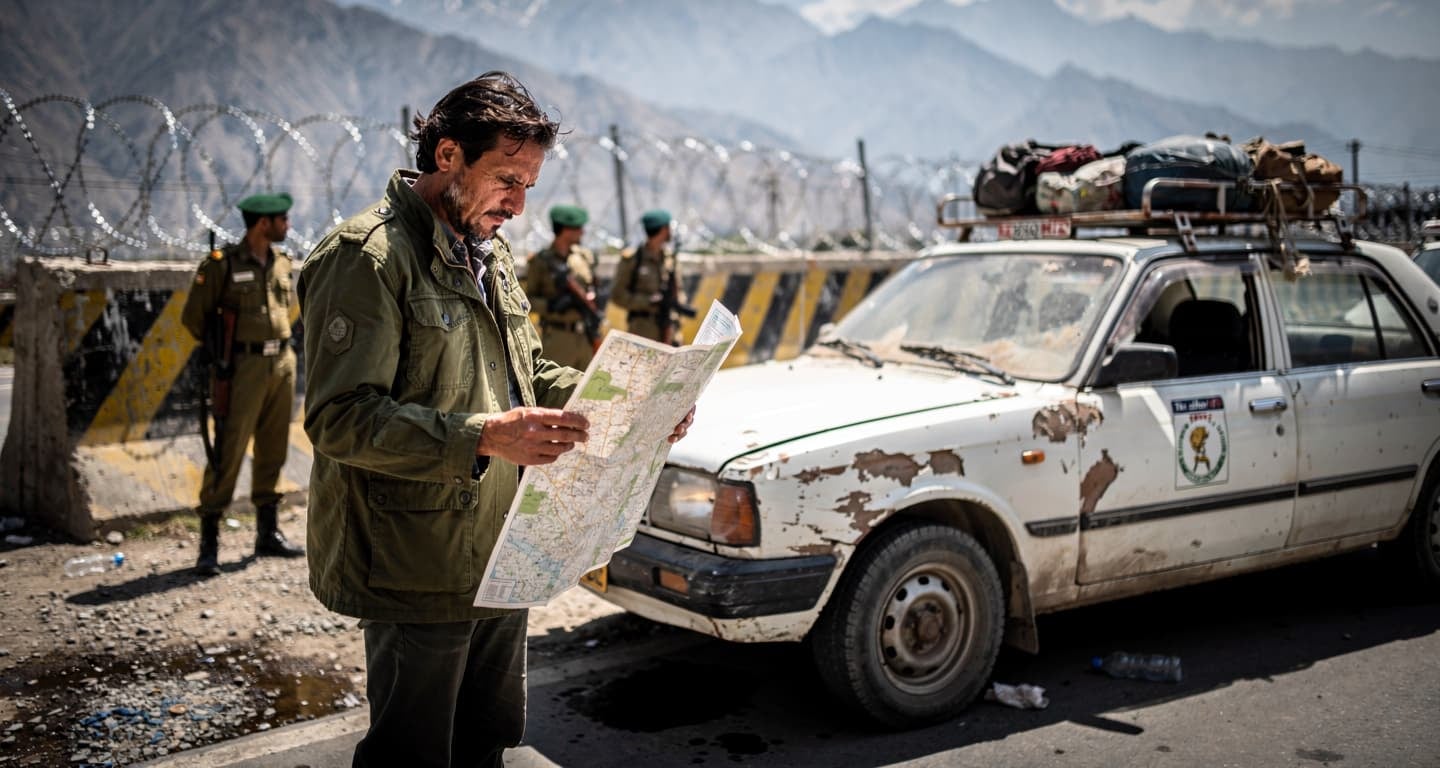
Standard travel insurance has effectively stopped working for Dubai. Government travel advisories tied to the Iran conflict have triggered war and hostilities exclusions across most mainstream policies, leaving travelers who book flights to or through DXB without meaningful protection if disruption forces them to stay put or reroute. Emirates President Tim Clark acknowledged the problem directly in a June 11, 2026 interview, confirming the airline is working with insurers to launch its own product that will guarantee passengers a way home — regardless of which airline operates the return.
The stakes are not abstract. A medical evacuation from the Gulf costs upward of $50,000. Hotel accommodation, rebooking fees, and missed connections compound quickly when a traveler is stranded without a policy that responds. Clark’s framing was blunt: “I think one of the big concerns is that if they get caught overseas and they can’t get back.”
Emirates is not offering fare cuts to win back hesitant passengers — Clark has ruled that out, citing oil near $90 per barrel and the cost of rerouting and carrying contingency fuel. The insurance product is the airline’s chosen lever: reassurance over discounting, protection over price.
The product is still in development. No launch date, pricing structure, or policy wording has been published on Emirates’ media centre, and the terms that will matter most to travelers — exclusions, claim thresholds, repatriation conditions — remain unconfirmed.
What Clark actually committed to — and what remains unresolved
Clark’s language went further than a typical airline disruption guarantee. He said Emirates would “take care of all of that, including flying them on other carriers if necessary to bring them home or get the kids into school.” That framing — covering repatriation on rival carriers — is unusual and, if it holds in the final policy wording, would represent a meaningful departure from standard airline liability frameworks.
Emirates has done this before, which matters. In December 2020, the airline introduced complimentary multi-risk travel insurance automatically applied to all Emirates tickets, provided by AIG Travel, covering medical expenses, cancellations, and disruptions including unexpected airspace closure and travel advisories. That precedent shows the airline has the operational and underwriting infrastructure to bundle insurance at scale — this is not a first attempt.
The war risk picture on Emirates’ own fleet is striking. The airline is reportedly paying roughly US$100,000 per week in additional premiums to cover its entire operation in and out of the region — a rate one insurance executive described as “outrageously low.” Rival carriers are being quoted between US$70,000 and US$150,000 per individual flight landing in the Gulf. That cost differential is part of why Emirates restored services within four days of the conflict starting and was back to 40% capacity quickly, while others stayed away.
For context on the demand impact, Clark noted that some London–Dubai flights are “bursting at the seams” despite the insurance gap — suggesting a segment of travelers is flying unprotected, either unaware of the exclusions or willing to accept the risk.
| Metric | Pre-conflict level | Current level | Note |
|---|---|---|---|
| Daily DXB transfer passengers | ~100,000 | ~40,000 | Growing steadily, per Clark |
| Emirates fleet war risk premium | Baseline (undisclosed) | +US$100,000/week (entire fleet) | Described as “outrageously low” by insurer |
| Rival carrier per-flight Gulf premium | Baseline (undisclosed) | US$70,000–$150,000 per landing | Per flight, not per week |
| Emirates capacity restoration | 100% | ~40% within days of conflict start | Now recovering further |
| Intercepted aerial threats (Clark’s figure) | N/A | ~98% of ~3,000 drones/missiles | Flights in military-patrolled corridors |
For travelers connecting through DXB from Europe, North America, or Australia, the insurance gap affects more than just Dubai-destination bookings — it applies to any itinerary where DXB is a transit point, meaning a Sydney–London passenger routing via Dubai could find their entire journey unprotected under a standard policy. That is the scale of the problem Emirates is trying to solve. For more on how Emirates is managing fares and costs through this period, see our coverage of Emirates holding Dubai fares firm as the Iran conflict forces costly reroutes.
Flight deals
most people never see
Our AI monitors 150+ airlines for pricing anomalies that traditional search engines miss. Air Traveler Club members save $650 per trip per person on average: see how it works.
Each deal saves 40–80% vs. regular fares:

Why airline-linked insurance is a different product — and why the details will matter
The forward signal here is important. Emirates is not simply pointing passengers toward specialist high-risk insurers — it is structuring its own product with partner underwriters, which means the policy terms will be designed around the specific risks of flying to and through Dubai under current advisories. That is a fundamentally different product from a generic war-risk policy bought on a comparison site.
The mechanism matters for travelers to understand. Standard insurers treat active government travel advisories as a “known event” at the point of purchase — meaning any claim arising from that known risk is excluded. Emirates’ product, by contrast, is being designed to respond to exactly that scenario. Whether the final policy wording delivers on Clark’s verbal commitments — particularly the “other carriers” repatriation clause — will only be clear once the document is published.
Specialist high-risk coverage remains available in the interim, but at higher premiums and with tighter exclusions than a standard policy. Premium credit cards offer partial protection — Amex Platinum‘s Trip Cancellation and Interruption Insurance and Chase Sapphire Reserve‘s trip protections can reimburse prepaid non-refundable expenses for covered reasons — but both typically exclude declared or known war zones. Cardholders should review current benefit guides before treating card coverage as a substitute for dedicated conflict-aware insurance.
The broader industry signal is worth noting. Emirates is effectively turning “we will get you home” into a competitive differentiator at a moment when rival carriers are either absent from Gulf routes or charging passengers far more per flight in war risk costs. If the product launches successfully, expect other major hub carriers to follow — this is the kind of move that resets passenger expectations across the market.
Steps to take before your next DXB booking
The insurance gap is real and active right now — Emirates’ product is not yet available, which means travelers with upcoming Dubai bookings are currently exposed if their standard policy carries war exclusions.
- Read your policy wording today. Download your current insurer’s full policy document and search specifically for the sections on “war,” “armed conflict,” and “government travel advice.” Do not assume coverage — confirm it in writing via email or chat with your insurer’s claims team, referencing current Gulf advisories explicitly.
- Check Emirates’ media centre weekly. The formal product announcement — including launch date, pricing, and policy terms — will appear on emirates.com. Until that document is published, Clark’s verbal commitments are not a policy you can claim against.
- Price specialist cover in the interim. If you have a DXB booking in the next four to eight weeks and your standard policy excludes the current advisory, niche high-risk insurers do offer coverage — at higher premiums and tighter terms. Search specifically for “terrorism and war cover” or “cover despite FCDO/State Department advisories” on major comparison platforms.
- Know your card benefits — but verify exclusions. Amex Platinum and Chase Sapphire Reserve both carry trip cancellation and interruption protections, but both typically exclude known war zones. Check the current benefit guide for your specific card before relying on it as a backstop.
- If you are already in transit at DXB and the situation escalates, go directly to an Emirates transfer desk or call the 24/7 contact centre listed on emirates.com. Document all expenses — accommodation, meals, rebooking fees — from the moment disruption begins.
Watch: Emirates’ media centre for a formal product announcement with policy wording — expected in the coming weeks. If it publishes, concrete cover becomes available for DXB-bound passengers. If it does not appear within that window, the airline’s assurances remain verbal and travelers must continue relying on specialist third-party insurers. Also watch for any UAE insurance regulator guidance on airline-linked travel policies — if such guidance appears, it signals regulatory comfort and clearer consumer protections.

Questions? Answers.
Does my standard travel insurance cover a trip to Dubai right now?
Almost certainly not for new policies. Most mainstream insurers treat active government travel advisories — including current Gulf advisories from the FCDO, US State Department, and equivalent agencies — as a “known event,” applying war and conflict exclusions to any claim arising from that risk. Policies purchased before the advisories were issued may have different terms. Check your specific policy wording and confirm in writing with your insurer.
When will Emirates’ new travel insurance product be available?
No launch date has been confirmed. Emirates President Tim Clark described the product as in development as of June 11, 2026, with a commitment that it will be “reasonably priced” and guarantee repatriation. The formal announcement — including pricing, policy terms, and launch date — is expected on Emirates’ media centre at emirates.com, but no timeline has been given publicly.
Will Emirates’ insurance cover me if I need to fly home on a different airline?
Clark stated explicitly that the product will get passengers home “regardless of whether the return flight is on Emirates or another airline,” and that Emirates will cover flying passengers on other carriers if necessary. However, these are verbal commitments made before the policy document exists. The binding terms will only be clear once the official policy wording is published — do not book on the basis of the verbal commitment alone.
Is Dubai airport actually safe to transit through right now?
Dubai International Airport is currently operational. Clark stated that Dubai has intercepted roughly 98% of nearly 3,000 incoming drones, missiles, and cruise missiles, with Emirates flights operating in narrow air corridors patrolled by military jets. Transfer traffic sits at approximately 40,000 passengers daily — down from 100,000 before the conflict, but growing. The safety question is distinct from the insurance question: flights are operating, but standard insurance coverage for those flights largely is not.
What is the difference between Emirates’ planned product and specialist high-risk travel insurance?
Specialist high-risk insurers already offer coverage for conflict-adjacent destinations, but at higher premiums and with tighter exclusion clauses than standard policies. Emirates’ product is being designed specifically around the risks of flying to and through Dubai under current advisories, with the airline structuring terms with partner underwriters — meaning the policy should, in theory, be calibrated to the exact scenario rather than being a generic war-risk product. Whether the final terms deliver on that promise depends entirely on the policy wording when published.