Quick summary
Emirates is operating near-empty repatriation flights from Dubai as Iranian missile attacks force the carrier to suspend normal operations through at least March 18, 2026. Inbound flights from India faced diversions and returns to origin on March 17 after UAE air defenses engaged ballistic missiles over the Gulf of Oman, while a drone strike hit a fuel tank at Dubai International Airport on March 16. Travelers with Asia-Europe or Asia-North America connections via DXB face immediate rebooking requirements with 24–48 hour urgency.
Load factors on outbound flights have collapsed as UAE residents evacuate and tourists strand. The UAE General Civil Aviation Authority approved limited operations on March 16, but Emirates has not announced when full schedules will resume — a decision tied directly to Iran’s threat level.
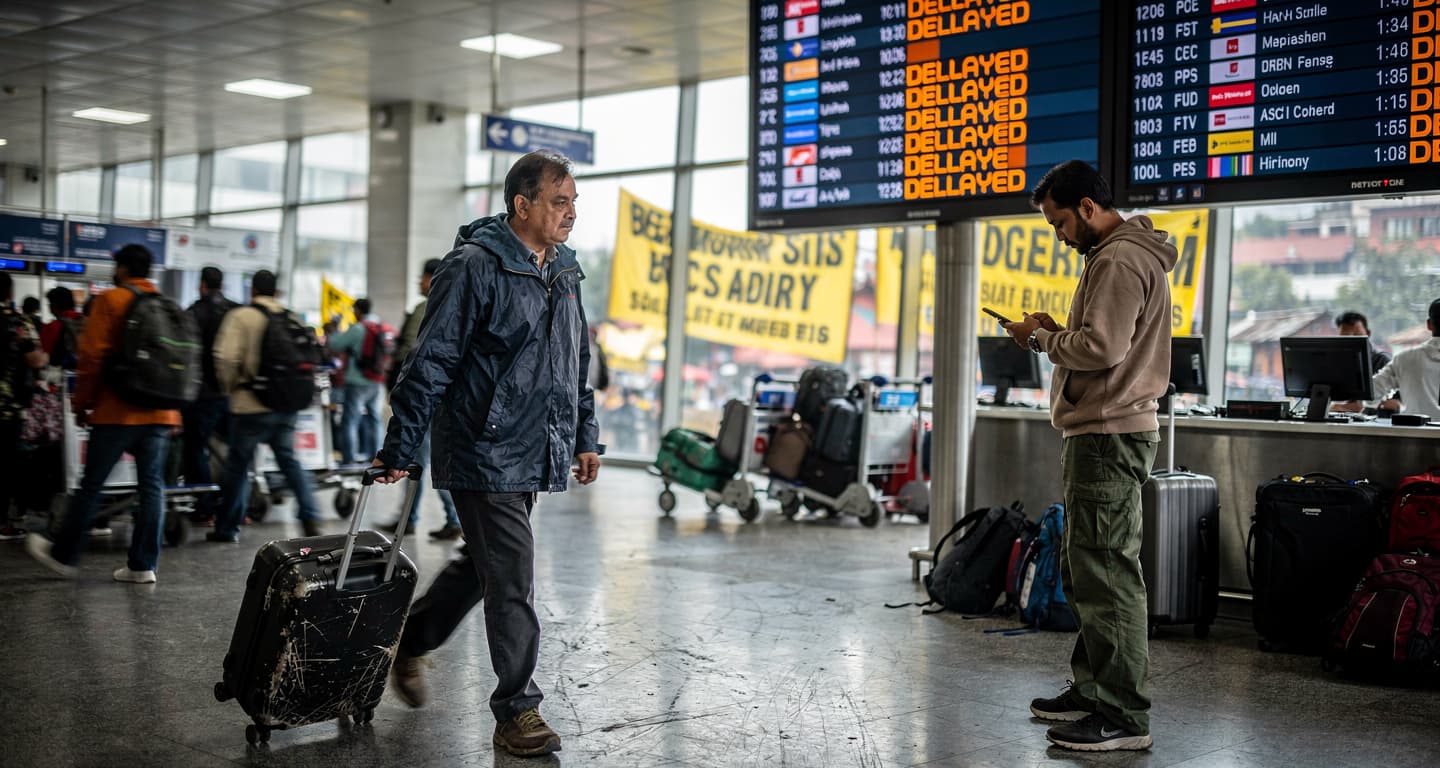
Iranian missile salvos over the United Arab Emirates have forced Emirates into a repatriation-only operating mode, with flights departing Dubai carrying skeleton passenger loads while inbound services from India divert mid-flight or return to origin. The disruption entered its third week on March 17, 2026, when Emirates flight EK-501 from Mumbai held over the Gulf of Oman as UAE air defenses intercepted Iranian ballistic missiles, then diverted south toward Oman.
Other India-origin flights received orders to return before resuming. The carrier resumed limited operations at 10:00 local time on March 16 after a drone hit a fuel tank at Dubai International Airport, causing a fire and forcing flight suspensions. This follows closures on March 7 and 10 due to interceptions.
The attacks have severed Dubai’s role as the primary Asia-Europe and Asia-North America connection hub. Travelers holding Emirates tickets for routes like Mumbai-Dubai-London or Bangkok-Dubai-New York face immediate rebooking onto alternative carriers via Doha, Abu Dhabi, or Singapore — with 24–48 hour urgency as availability tightens.
How the missile threat disrupted Dubai operations
Iran has launched 285 ballistic missiles and 1,567 drones targeting the UAE since February 28, 2026, according to publicly tracked data on the strikes. Most projectiles were intercepted, but debris and direct hits have caused repeated closures at Dubai International Airport. Etihad Airways diverted flights to Muscat during peak threat windows.
The March 16 drone strike on a DXB fuel tank marked the most direct airport hit to date. The UAE GCAA approved limited flight operations later that day, but Emirates suspended its normal schedule until further notice. Repatriation flights are operating with near-zero inbound demand as tourists avoid the region and UAE residents depart on outbound services.
For context, Iran’s April 2024 retaliatory strike on Israel involved 300+ drones and missiles, with 99% intercepted and minimal Gulf carrier disruption — flights normalized within 72 hours. The current sustained campaign against UAE targets represents a fundamentally different threat level, with no clear de-escalation timeline.
| Date | Event | Impact |
|---|---|---|
| Feb 28 | First Iranian missile salvo | Airspace restrictions begin |
| Mar 7 | DXB closure (interceptions) | Flight suspensions, diversions |
| Mar 10 | Second DXB closure | Extended suspensions |
| Mar 16 | Drone hits fuel tank at DXB | Fire, limited ops resume 10:00 |
| Mar 17 | EK-501 diverted, India flights return | Repatriation-only mode continues |
Flight deals
most people never see
Our AI monitors 150+ airlines for pricing anomalies that traditional search engines miss. Air Traveler Club members save $650 per trip per person on average: see how it works.
Each deal saves 40–80% vs. regular fares:

Alternative routing options for stranded connections
Qatar Airways operates 50+ weekly flights between Asia and Europe via Doha on Airbus A350 aircraft, with lower fares than Emirates and oneworld alliance membership for mileage earning. Etihad Airways runs 30 weekly Asia-North America services via Abu Dhabi on A380 and Boeing 787 aircraft, though its premium product focus means higher economy fares. Singapore Airlines competes on intra-Asia and Asia-Europe routes with 40 weekly Boeing 787 services, offering superior economy class and alliance-neutral booking flexibility.
The DXB disruptions widen the competitive gap to Doha and Singapore hubs. Travelers rebooking from Emirates should prioritize Qatar Airways for Europe connections and Singapore Airlines for intra-Asia routes — both carriers maintain normal operations with no airspace restrictions.
For those who previously booked Emirates business class from Europe to the UAE, the Scandinavian departure hack that saved €1,000+ on Gulf carrier premium cabins is now irrelevant — the savings mean nothing if the flight does not operate. Focus on confirmed seats on alternative carriers rather than fare optimization.
What to do if you hold an Emirates ticket
Emirates has suspended normal operations through at least March 18, 2026, with no confirmed resumption date. The UAE GCAA’s airspace clearance depends on Iran’s threat level — a variable outside airline control.
- Check flight status immediately at emirates.com or via the mobile app. Do not assume your flight is operating based on the original schedule.
- Rebook within 24 hours if your departure is within 72 hours. Alternative carriers via Doha, Abu Dhabi, and Singapore are filling fast as Emirates passengers shift.
- Request a refund if rebooking options do not work. Emirates is processing refunds for cancelled flights, though processing times are running 7–14 days due to volume.
- Contact your travel insurance provider if you purchased a policy. Most policies cover trip cancellation due to civil unrest or military action, but check your specific coverage terms.
- Monitor GCAA statements at gcaa.gov.ae for airspace status updates. The regulator posts advisories when restrictions change.
Watch: UAE GCAA airspace reviews following the March 17 missile salvo. If the regulator clears full operations by March 18, Emirates will resume normal schedules — a delay indicates ongoing threats and extended disruptions.

Questions? Answers.
Can I get compensation for my cancelled Emirates flight?
EU261 and UK261 regulations cover delays over 3 hours and cancellations with €250–600 compensation, but force majeure events like missile attacks typically exempt airlines from payment. You are entitled to a refund or rebooking, but cash compensation is unlikely. US and Canadian passengers receive refunds within 7 days under DOT and APPR rules, but no compensation for force majeure cancellations.
Is it safe to fly through Dubai right now?
The UAE GCAA has approved limited operations, but Iranian missile and drone attacks continue as of March 17, 2026. Air defenses are intercepting most projectiles, but debris and direct hits have caused repeated airport closures. If you have flexibility, reroute via Doha or Singapore until the threat subsides. If you must travel via DXB, monitor real-time flight status and be prepared for diversions or returns to origin.
Which airlines are operating normally for Asia-Europe connections?
Qatar Airways via Doha, Singapore Airlines via Singapore, and Turkish Airlines via Istanbul are operating full schedules with no airspace restrictions. Etihad Airways via Abu Dhabi is running limited operations but has not suspended services. These carriers are absorbing Emirates passengers, so book quickly if you need to reroute.
Will Emirates honor my ticket on another airline?
Emirates is offering rebooking on its own flights only. If you want to switch to Qatar Airways, Singapore Airlines, or another carrier, you will need to request a refund and purchase a new ticket. Some travel insurance policies cover the fare difference when rebooking due to force majeure events — check your policy terms.