Quick summary
Emirates suspended all scheduled flights to and from Dubai until 23:59 UAE time on March 4, 2026. Etihad Airways halted Abu Dhabi operations until March 5, 2026. flydubai extended suspensions until 15:00 March 3, 2026. Over 12,300 cancellations across Dubai, Doha, Abu Dhabi, Sharjah, Kuwait, Bahrain, and Al Maktoum airports stem from airspace closures triggered by US and Israeli strikes on Iran. Passengers with bookings through March 5 face immediate stranding risk.
Rebooking windows close in 20 days for affected tickets. This article covers which airlines suspended operations, how long closures last, what rebooking rights apply, and immediate steps to avoid losses.
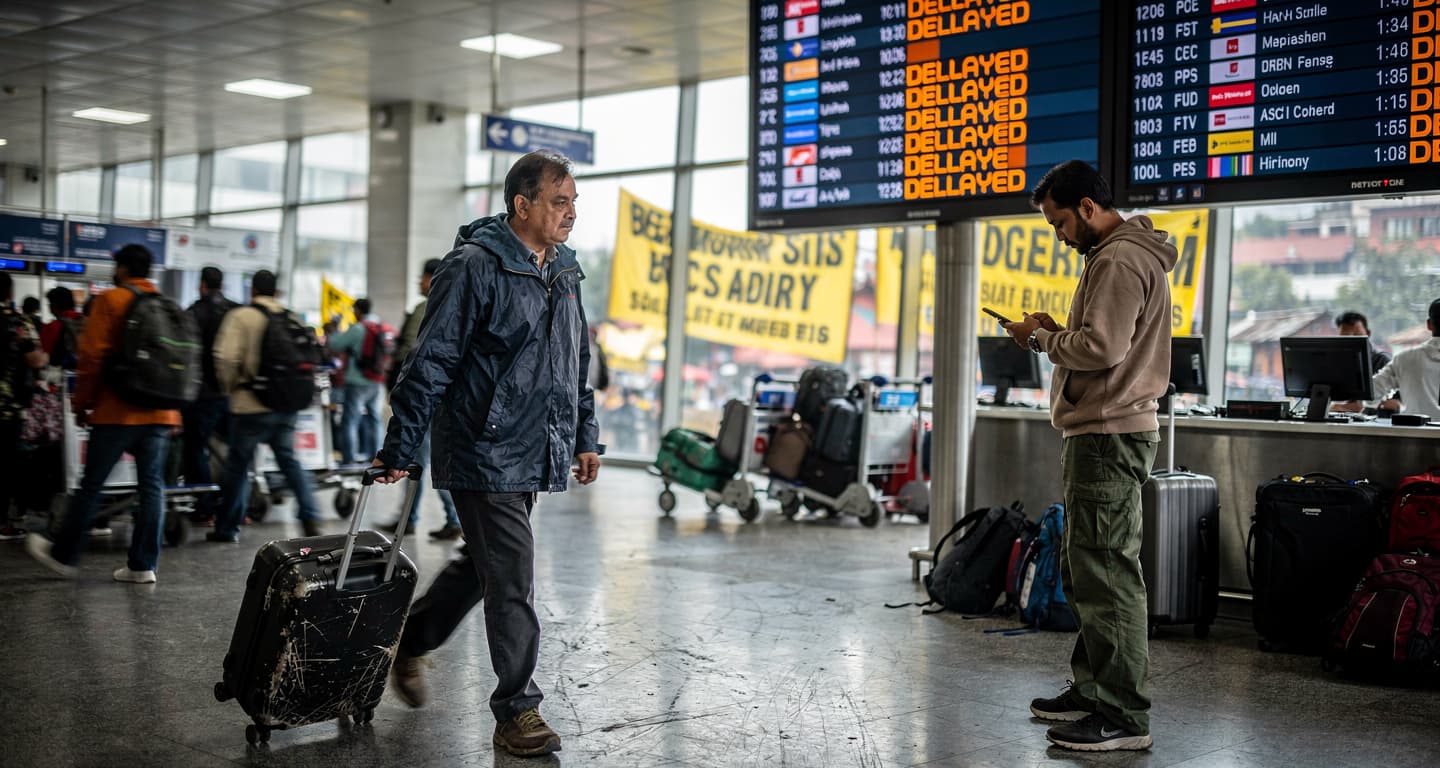
Most flights to and from Dubai vanished from departure boards on March 3, 2026, as Emirates, Etihad Airways, and flydubai suspended commercial operations. The cause: regional airspace closures following US and Israeli military strikes on Iran. Over 12,300 flights canceled across six Middle East airports, stranding hundreds of thousands of passengers mid-journey on Asia-Europe and trans-Pacific routes.
Travelers holding tickets to Dubai (DXB), Abu Dhabi (AUH), or connecting through UAE hubs must act now. Emirates operates only limited repatriation and freighter flights with priority to earlier bookings. flydubai allows rebooking within a 20-day window for tickets issued before March 5. Etihad warns passengers not to go to the airport without confirmed tickets.
The suspensions affect US, Canadian, European, Australian, and New Zealand passengers using Dubai and Abu Dhabi as transit hubs. Emirates alone serves over 150 destinations — this is not a localized weather delay. The ripple extends to Doha (DOH), Sharjah (SHJ), Kuwait (KWI), Bahrain (BAH), and Al Maktoum (DWC).
Which airlines suspended flights and until when
Emirates: All scheduled passenger flights to and from Dubai suspended until 23:59 UAE time March 4, 2026. Only repatriation flights and cargo operations continue, prioritizing passengers with earlier bookings. No walk-ups accepted at DXB.
Etihad Airways: Commercial flights to and from Abu Dhabi halted until March 5, 2026 UAE time. The airline explicitly warns travelers not to arrive at AUH without confirmed tickets. Rebooking policies apply to tickets issued before the suspension.
flydubai: Suspensions extended to 15:00 UAE time March 3, 2026. Passengers may rebook the same route within 20 days or request a refund if the ticket was issued before March 5. Check flight status via the flydubai app before heading to the airport.
Air Arabia: UAE flights suspended until 15:00 March 4. Flights to Lebanon, Jordan, Syria, and Iraq suspended until March 5. Limited operations possible with regulatory approval — confirm status before travel.
Finnair: Dubai and Doha flights canceled until March 6, 2026. Norwegian: Dubai flights suspended through March 4, 2026. Both airlines cite regional airspace restrictions. European passengers connecting via Middle East hubs should contact their origin carrier for reprotection on alternate routes.
The airspace closures stem from US and Israeli strikes on Iran, forcing airlines to suspend operations across the Gulf region. Unlike typical weather delays that resolve in hours, this involves military conflict with no clear end date beyond current airline announcements.
How to cut fares to Asia by 40–80%
Our custom AI ✨ tracks pricing anomalies that traditional search engines miss.
Get the these deals in your inbox, for free:

Why this disrupts more than just Dubai flights
Dubai and Abu Dhabi function as global transit hubs, not regional airports. Emirates connects 150+ destinations across six continents. A passenger flying Sydney to London via Dubai now faces rebooking on entirely different routings — often at higher cost or with 12+ hour delays.
The 12,300+ cancellations span six airports: Dubai (DXB), Abu Dhabi (AUH), Doha (DOH), Sharjah (SHJ), Kuwait (KWI), Bahrain (BAH), and Al Maktoum (DWC). This is not a single-airport closure. The entire Gulf aviation corridor shut down simultaneously, stranding passengers on Asia-Europe routes, trans-Pacific connections via Middle East hubs, and intra-regional flights.
For US and Canadian travelers, this affects connections on Air Canada, Delta, and United codeshares with Emirates and Etihad. European passengers using Finnair or Norwegian to reach Asia via Dubai face the same rebooking scramble. Australian and New Zealand travelers relying on Emirates’ daily Sydney-Dubai-London service now compete for limited seats on Qantas, Singapore Airlines, and Qatar Airways.
The 20-day rebooking window for flydubai tickets is not a suggestion. Miss it, and you forfeit rebooking rights, leaving only a refund — which does not cover the price difference if replacement flights cost more.
What to do if your flight is affected
- Check flight status immediately: Use the Emirates app, flydubai app, or Etihad website. Enter your flight number, not just the route. Do not go to the airport without confirmation.
- Rebook within 20 days: flydubai allows same-route rebooking for tickets issued before March 5. Emirates prioritizes earlier bookings for repatriation flights. Contact the airline via app or phone — airport counters are overwhelmed.
- Request a refund if rebooking fails: If no acceptable alternative exists, request a full refund. Airlines must process refunds for canceled flights, but you must initiate the request before the 20-day window closes.
- Contact your origin carrier for reprotection: If you booked through Air Canada, Delta, United, Qantas, or another partner airline, contact them for reprotection on alternate routes. Codeshare agreements often allow rebooking on non-Middle East hubs like Singapore or Hong Kong.
- Monitor airspace updates: Use FlightAware or the airline’s “Manage Booking” tool for real-time status. Suspensions currently extend to March 4-6, but military conflicts do not follow airline schedules. Assume delays beyond announced dates.
Questions? Answers.
Can I get compensation for the cancellation?
No. Airspace closures due to military conflict qualify as extraordinary circumstances under EU261 and similar regulations. Airlines must offer rebooking or refunds but not cash compensation. US DOT rules require refunds for canceled flights but do not mandate compensation for force majeure events.
What if I booked through a third-party site like Expedia?
Contact the airline directly using your ticket number. Third-party sites often delay rebooking requests. Airlines process changes faster when you contact them with the six-digit booking reference. If the third-party site refuses to assist, file a chargeback with your credit card issuer for services not rendered.
Are flights to other Middle East cities like Doha or Kuwait also affected?
Yes. Over 12,300 cancellations span Dubai, Abu Dhabi, Doha, Sharjah, Kuwait, Bahrain, and Al Maktoum airports. Qatar Airways suspended some Doha operations. Kuwait and Bahrain airports face similar airspace restrictions. Check your specific flight status regardless of destination — regional closures affect all Gulf hubs.
Will travel insurance cover rebooking costs?
Only if your policy includes “cancel for any reason” coverage purchased before the conflict escalated. Standard policies exclude war, military action, and government-imposed airspace closures. Read your policy’s force majeure exclusions. Most travelers will not receive insurance payouts for this event.