Quick summary
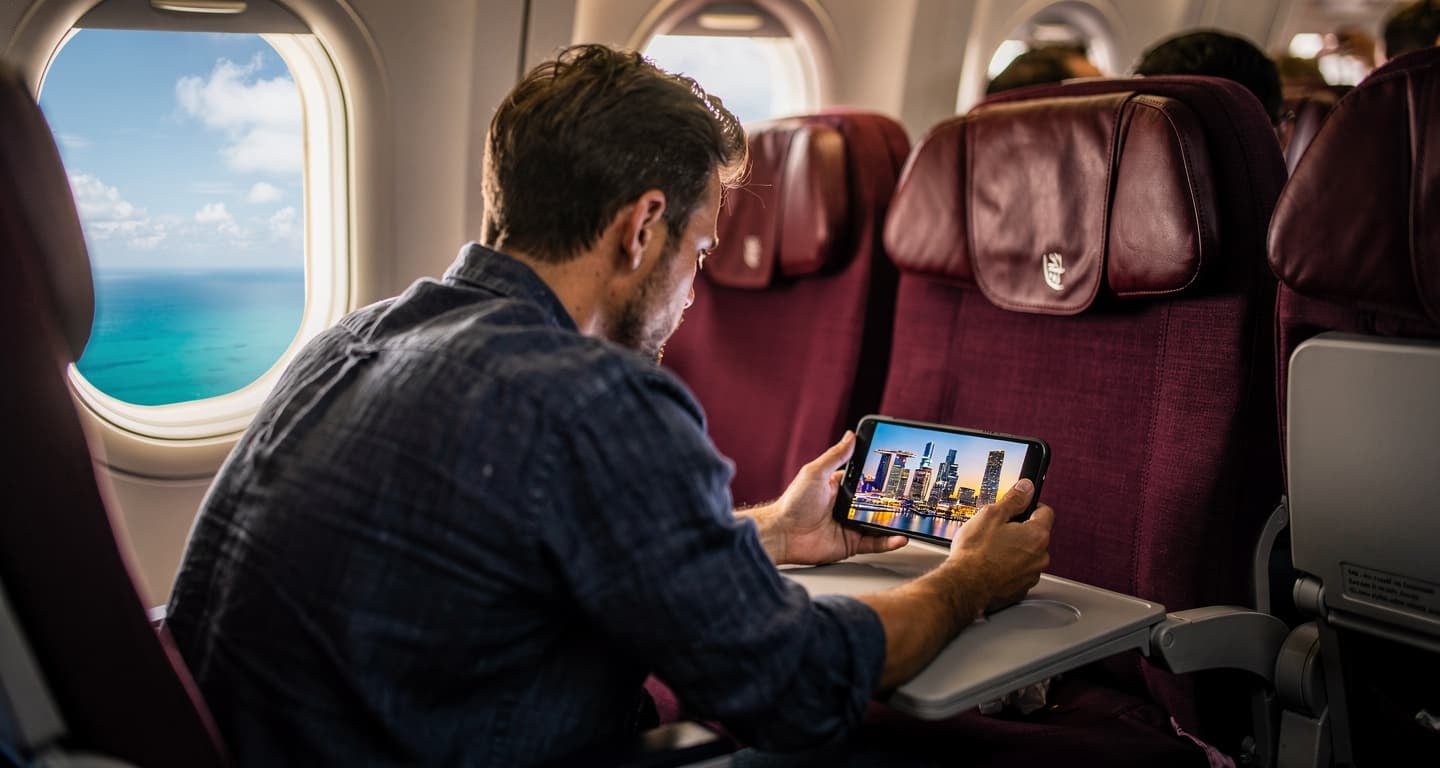
The first Emirates Airbus A380 equipped with Starlink Wi-Fi has entered service after completing installation and certification in Newquay, UK, returning to Dubai in late April 2026. The aircraft (registration A6-EEA) features three satellite antennas delivering over 2 Gbps of shared bandwidth — a thousand-fold improvement over the carrier’s original onboard internet systems — with complimentary access across all cabins and the ability to stream, game, and work at speeds described as “better than at home.”
The upgrade marks the first Starlink deployment on the world’s largest passenger aircraft, with 25 Boeing 777-300ERs already equipped and serving over 650,000 passengers. Full fleet deployment across 232 aircraft is targeted by mid-2027.
Emirates completes first A380 Starlink installation
Emirates has completed the aviation industry’s first Starlink installation on an Airbus A380, with the aircraft now operational on Dubai routes. The 13-year-old superjumbo (registration A6-EEA) ferried to Newquay Airport on April 2, 2026, for installation and certification before returning to service.
The three-antenna configuration delivers over 2 Gbps of total aircraft bandwidth — compared to less than 1 Mbps on the carrier’s first-generation systems introduced in the 2000s. Passengers across First, Business, and Economy cabins access the service free with one-click sign-up, no pre-booking required.
Engineering challenges unique to the A380’s double-deck layout required additional wireless access points and a third antenna beyond the two-antenna setup used on Emirates Boeing 777s. The configuration supports high-speed connectivity for the aircraft’s higher passenger capacity, with speeds varying by usage and device capability.
Fleet-wide Starlink rollout began with Boeing 777s in November 2025. The A380 program commenced in February 2026, with the first installation and certification completed in April. Full 232-aircraft deployment is targeted by mid-2027 at a rate of 14 aircraft per month, with installations now accelerating at Emirates Engineering facilities in Dubai.
| Aircraft type | Antennas | Bandwidth | Rollout status |
|---|---|---|---|
| Boeing 777-300ER | 2 | >1.5 Gbps | 25 equipped (Nov 2025–) |
| Airbus A380 | 3 | >2 Gbps | 1 equipped (Apr 2026) |
| Full fleet (232 aircraft) | Varies | Varies | Target: mid-2027 |
The airline has served over 650,000 passengers on Starlink-equipped flights since the November 2025 launch on 777s. Future enhancements include live TV streaming, initially on personal devices and later integrated into seatback screens, according to official statements.
Flight deals
most people never see
Our AI monitors 150+ airlines for pricing anomalies that traditional search engines miss. Air Traveler Club members save $650 per trip per person on average: see how it works.
Each deal saves 40–80% vs. regular fares:

How A380 connectivity compares to competitors
Emirates pioneered onboard internet on A380s in the 2000s with systems delivering less than 1 Mbps. The carrier upgraded to Panasonic Ku-band by 2016 across its fleet, but speeds capped at 15–20 Mbps — adequate for email and light browsing, insufficient for streaming or video calls.
The Starlink upgrade positions Emirates ahead of Gulf rivals. Qatar Airways is rolling out Starlink on A350 and 777 fleets with two antennas per aircraft and free Wi-Fi, operating 14 weekly frequencies on routes competing with Emirates via Doha. Etihad Airways continues using traditional satellite communications on seven weekly Abu Dhabi frequencies, with no Starlink deployment confirmed.
Hawaiian Airlines operates Starlink on A330s across 10 weekly transpacific routes, demonstrating the technology’s viability on long-haul operations. The competitive pressure from free high-speed connectivity may accelerate adoption across legacy carriers still charging for Wi-Fi or offering limited bandwidth.
ATC view: Emirates‘ A380 Starlink lead cements Dubai hub dominance, forcing Qatar and Etihad to accelerate low-Earth orbit upgrades or lose premium traffic. In 6–12 months, free 100+ Mbps Wi-Fi becomes table stakes, shifting loyalty from seats to connectivity — expect 10–15% yield pressure on legacy satellite communications carriers.
What to do
The first Starlink-equipped A380 is now operational, with accelerated installations underway — here’s how to access the upgraded connectivity.
- Check flight equipment: Visit emirates.com/flight-status and search by registration A6-EEA to identify Starlink-equipped A380 schedules. Additional aircraft will enter service throughout 2026 as Dubai installations accelerate.
- Book A380 routes: Flights from North America to the UAE, Europe to the UAE, and Australasia to the UAE operate A380 service on high-demand routes including DXB–JFK, DXB–LHR, and DXB–SYD.
- Access onboard: Sign up via one-click portal after boarding — no pre-registration or payment required. Service works gate-to-gate across all cabins.
- Monitor rollout progress: Check emirates.com/media-centre for Q2 2026 A380 Starlink installation updates and expanded aircraft availability.
Watch: Emirates Engineering Q2 2026 reports will reveal whether the installation rate exceeds 15 aircraft per month, which would accelerate full fleet coverage to Q1 2027.

Questions? Answers.
Which Emirates routes currently operate Starlink-equipped A380s?
Only one A380 (registration A6-EEA) is currently equipped as of late April 2026, operating on rotating Dubai routes. Check emirates.com/flight-status by registration number to identify specific flights, as the aircraft moves across the network. Additional A380s will enter service throughout 2026 as installations accelerate in Dubai.
How does Emirates A380 Starlink bandwidth compare to home internet?
The three-antenna configuration delivers over 2 Gbps of shared aircraft bandwidth — sufficient for simultaneous 4K streaming, video calls, and gaming across hundreds of passengers. Actual speeds per device vary by concurrent usage but are described as “better than at home” for typical residential connections in the 100–500 Mbps range.
Will Starlink work on Emirates flights over oceans and remote regions?
Yes. Starlink’s low-Earth orbit constellation provides continuous coverage across oceanic and polar routes, unlike traditional geostationary satellites that require line-of-sight positioning. The system maintains connectivity gate-to-gate, including during taxi, takeoff, and landing phases where conventional systems typically disconnect.
Does Emirates charge for Starlink Wi-Fi access?
No. The service is complimentary across all cabins (First, Business, Economy) with one-click sign-up onboard. No pre-booking, payment, or loyalty program membership required. This differs from many carriers that charge $10–30 per flight for comparable speeds.