Quick summary
Australian and New Zealand travelers face a Do Not Travel advisory for offshore islands and maritime areas along Eastern Sabah’s coast from Kudat to Tawau, including dive sites like Sipadan and Lankayan, due to kidnapping-for-ransom risk. The US downgraded mainland Eastern Sabah districts to Level 1 Normal Precautions in February 2026, but offshore zones remain Level 2 Increased Caution. Canada and New Zealand advise avoiding non-essential offshore travel, while Australia maintains its strictest warning.
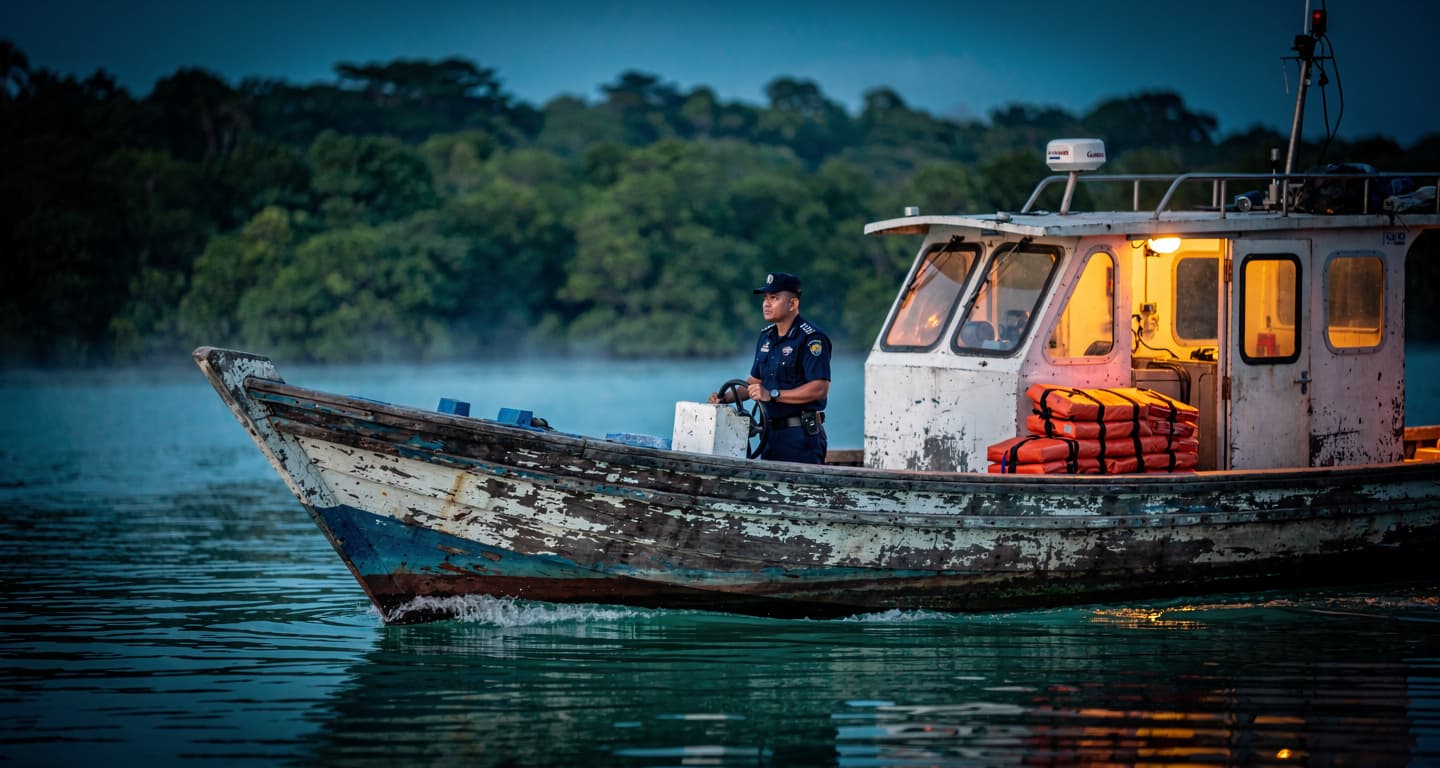
No kidnapping incidents have occurred since January 2020, but the threat from Abu Sayyaf militants operating in the southern Philippines persists. Malaysian ESSCOM patrols intercept 12–15 unauthorized vessels monthly in the 1,400km security zone, enforcing curfews and restricting nighttime boat travel.
The offshore islands and maritime corridors of Eastern Sabah remain under elevated travel warnings from four Western governments, despite a six-year gap in kidnapping incidents. The zone stretches from Kudat in the north to Tawau in the south, covering popular dive destinations and resort islands frequented by Australian and New Zealand travelers.
Mainland towns like Semporna, Lahad Datu, and Tawau now carry normal precautions from the US and Canada. But ferries, dive boats, and island resorts after dark remain flagged as high-risk. The split reflects a security reality: Malaysian forces control the land, but the Sulu-Celebes Sea remains a transit corridor for cross-border criminal networks.
The advisory affects travelers planning dive trips to Sipadan, island-hopping itineraries, or overnight stays at offshore resorts. Insurance policies often exclude claims from zones marked “Avoid Non-Essential Travel” or higher, and many dive operators now require security briefings before offshore transfers.
Four governments, four different risk levels
The US State Department downgraded mainland Eastern Sabah districts to Level 1 Normal Precautions in February 2026, citing the absence of incidents since January 2020. Offshore islands and maritime areas remain at Level 2 Increased Caution, and US government employees require embassy permission to travel there. The US State Department offshore advisory notes that Abu Sayyaf militants, though disrupted by Philippine military operations between 2017 and 2019, retain the capability to launch boat-based raids.
New Zealand upgraded mainland Eastern Sabah to Yellow/Increased Caution in January 2026, while advising travelers to Avoid Non-Essential Travel to offshore islands. Canada applies Normal Precautions on the mainland but echoes the offshore warning, updated in December 2025. Australia maintains the strictest stance: Do Not Travel for offshore areas and High Degree of Caution Malaysia-wide.
Malaysian Foreign Minister Mohamad Hasan stated in January 2026 that 25 countries previously at Level 3 (“Do Not Travel”) have downgraded many zones to Level 2, crediting the success of ESSCOM — the Eastern Sabah Security Command established in 2013 after a series of kidnappings. ESSCOM patrols intercept 12–15 unauthorized vessels monthly in the 1,400km ESSZONE, which runs along the Philippine border.
| Government | Mainland Eastern Sabah | Offshore islands/maritime | Last update |
|---|---|---|---|
| United States | Level 1 Normal Precautions | Level 2 Increased Caution | February 2026 |
| Canada | Normal Precautions | Avoid Non-Essential Travel | December 2025 |
| New Zealand | Yellow/Increased Caution | Avoid Non-Essential Travel | January 2026 |
| Australia | High Degree of Caution | Do Not Travel | Ongoing |
Flight deals
most people never see
Our AI monitors 150+ airlines for pricing anomalies that traditional search engines miss. Air Traveler Club members save $650 per trip per person on average: see how it works.
Each deal saves 40–80% vs. regular fares:

Why the split between mainland and offshore
The divergence in advisory levels reflects a security reality: Malaysian forces control the land, but the Sulu-Celebes Sea remains a transit corridor for cross-border criminal networks. Mainland towns like Semporna operate normally, with hotels, restaurants, and dive shops functioning without incident. But ferries to islands like Sipadan, Mabul, and Lankayan cross open water where ESSCOM patrols are spread thin.
Abu Sayyaf exploited this geography between 2000 and 2016, launching boat-based raids on resorts and kidnapping foreign nationals for ransom. The group’s operational capacity has been degraded by Philippine military pressure, but dormancy follows historical patterns — a three-year lull between 2014 and 2017 preceded a resurgence in 2017.
The advisory split also creates an insurance trap. Many policies exclude claims from zones marked “Avoid Non-Essential Travel” or higher, voiding coverage for medical evacuations, trip cancellations, or theft. Travelers to Malaysia from Australasia should verify their policy’s geographic exclusions before booking offshore island stays.
Verify insurance, avoid nighttime boat travel
The offshore advisory creates immediate insurance and operational constraints for travelers planning dive trips or island stays.
- Check your policy’s geographic exclusions. Contact your insurer before booking and quote your government’s advisory level for Eastern Sabah offshore zones. Policies from Allianz, World Nomads, and Travel Guard often exclude “Avoid Non-Essential Travel” zones unless a rider is added.
- Travel during daylight only. ESSCOM enforces curfews in coastal areas, and nighttime boat travel is restricted. Ferries and dive boats operate on daylight schedules, with most transfers completed by 4:00 PM.
- Use registered operators. Dive shops and resorts in Semporna coordinate with ESSCOM for security clearances. Independent island-hopping or private boat charters bypass this vetting and may void insurance.
- Monitor real-time updates. ESSCOM publishes patrol schedules and curfew changes via its official Facebook page. Local police hotlines in Semporna and Tawau provide district-specific advisories.
Watch: The US State Department reviews advisory levels quarterly. A sustained absence of incidents through mid-2026 could trigger a further downgrade of offshore zones to Level 1, aligning with the mainland.

Questions? Answers.
Does travel insurance automatically void for Level 2 zones?
Not automatically, but many policies exclude claims from zones marked “Avoid Non-Essential Travel” or higher. Level 2 (“Increased Caution”) is often covered, but insurers may require a waiver or rider for specific regions like Eastern Sabah’s offshore islands. Contact your provider before booking and reference your government’s advisory level. Policies from Travel Guard and Allianz typically allow Level 2 coverage with documentation.
Are Sipadan dive trips still viable under the advisories?
Yes, but with restrictions. Group operators like Scuba Junkie and Sipadan Water Village coordinate security briefings with ESSCOM and limit transfers to daylight hours. US and Canadian travelers can proceed under Level 2 guidance, but New Zealand and Australian citizens face “Avoid Non-Essential Travel” or “Do Not Travel” advisories, which may void insurance claims. Independent boat charters or nighttime travel are not recommended.
How do I monitor real-time ESSZONE security updates?
ESSCOM publishes patrol schedules, curfew changes, and incident reports via its official Facebook page. Local police hotlines in Semporna (089-781-222) and Tawau (089-773-522) provide district-specific advisories. Foreign embassies in Kuala Lumpur receive quarterly briefings from the Malaysian Foreign Ministry and update their travel advisory pages accordingly.
What happens if I’m caught violating an ESSZONE curfew?
Coastal curfews are enforced by Malaysian police and military patrols. Violations result in fines, detention, or both. Curfew hours vary by district and are posted at police stations and ferry terminals. Travelers should confirm timings with their accommodation or tour operator before planning evening activities near the coast.
Does the advisory apply to western Sabah destinations like Kota Kinabalu?
No. Kota Kinabalu, Mount Kinabalu, and other western Sabah destinations carry normal precautions across all four governments. The advisory applies only to the offshore islands and maritime areas of Eastern Sabah, from Kudat in the north to Tawau in the south. Travelers flying into Kota Kinabalu and staying west of the ESSZONE face no elevated risk.