Quick summary
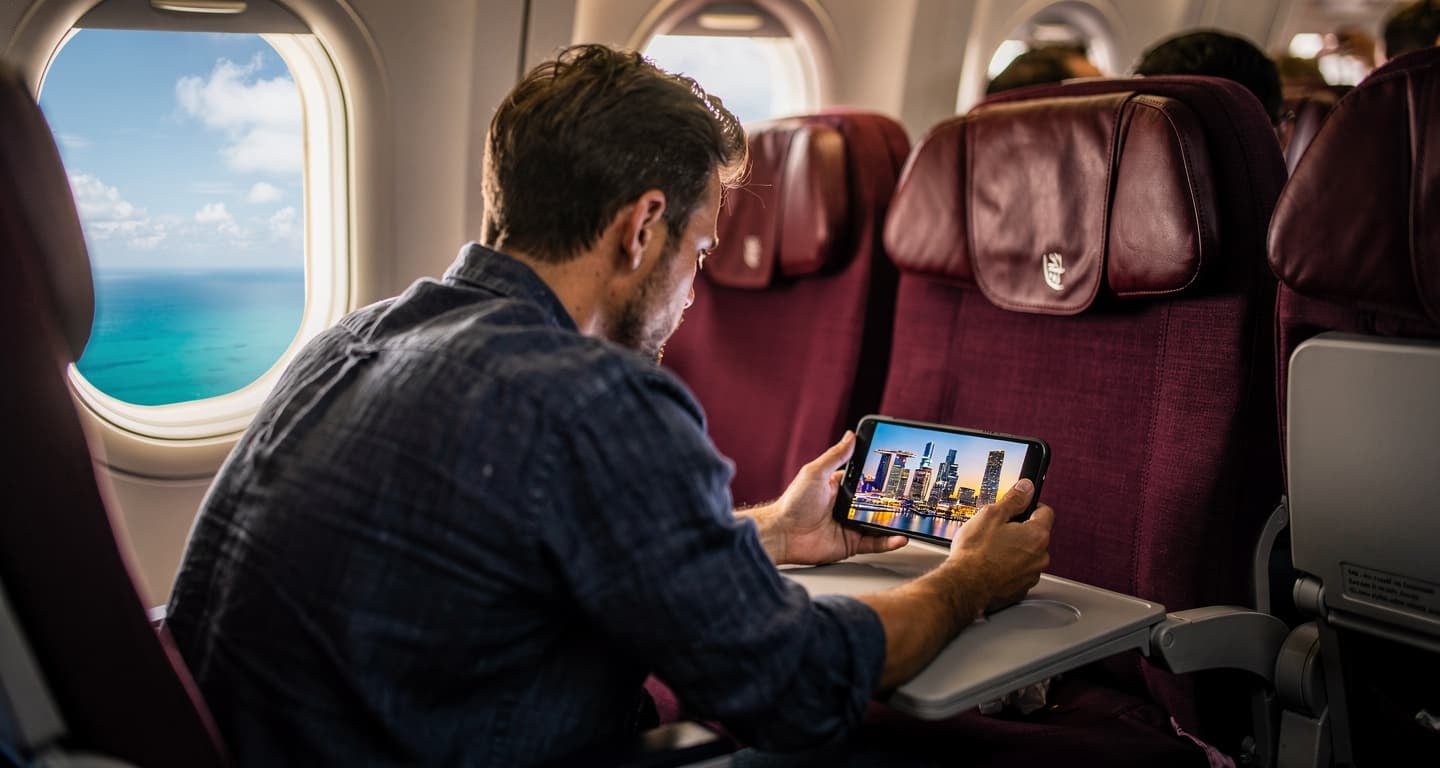
A federal grand jury in Georgia has indicted Cody James Maluck, 32, on charges of interfering with flight crew members after he allegedly slapped a Delta Air Lines flight attendant during beverage service aboard Flight DL800 on May 9, 2026. The Airbus A321, operating from Fort Lauderdale (FLL) to Los Angeles (LAX), diverted to Hartsfield-Jackson Atlanta International Airport (ATL) after the captain declared a security situation. The federal charge carries a maximum penalty of 20 years in prison and a fine of up to $250,000.
The federal criminal complaint was unsealed on June 10, 2026 — more than a month after the diversion itself. Maluck admitted to touching the flight attendant but denied the force she described; he remained in custody at arraignment.
The captain of Delta Flight DL800 had a simple calculation to make: a flight attendant had just been physically struck mid-cabin, the alleged perpetrator was still on board, and Los Angeles was still hours away. He diverted.
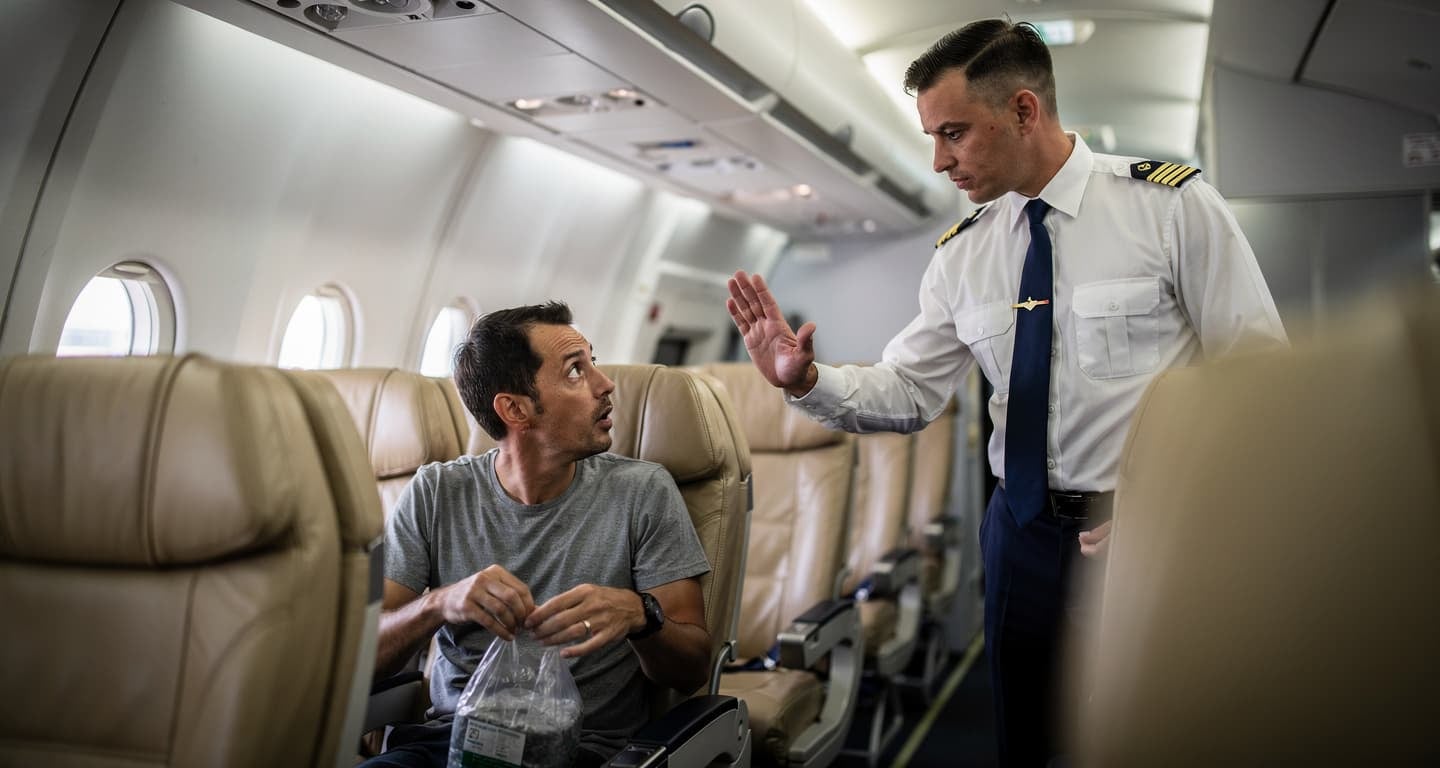
The flight departed Fort Lauderdale-Hollywood International Airport at approximately 7:50 AM on May 9 on what should have been a routine five-and-a-half-hour transcontinental run. According to federal investigators, the flight attendant — identified in court documents as P.L.L. — had finished the buy-on-board service and was working through complimentary beverages, moving row by row toward the rear. When she reached Maluck’s row, she believed he was sleeping and continued past him. Moments later, she felt what she later described to an FBI investigator as a forceful slap to her buttock, strong enough to jolt her entire body forward.
She turned around. Maluck had his hands raised and said, “I didn’t do anything.”
The crew member removed herself from the area, notified the lead flight attendant, and the information reached the flight deck. The captain ordered the diversion to Atlanta, where law enforcement met the aircraft on arrival. Maluck was removed, read his Miranda Rights, and questioned. He admitted to touching the flight attendant but claimed he was trying to get her attention after being skipped — and denied the slap was forceful. A Georgia Grand Jury saw it differently. The federal indictment, unsealed June 10, charges him with interference with flight crew members and attendants.
What the federal charge actually means
Interference with flight crew members is not a misdemeanor. Under U.S. federal law, the offense carries a maximum of 20 years in prison and fines up to $250,000 — penalties that reflect how seriously Congress treats threats to cabin authority. The FBI investigated, a grand jury indicted, and Maluck remained in custody at arraignment. That sequence matters: this is not a civil fine, not a no-fly ban, not a stern letter from the airline.
Separately, the FAA maintains its own enforcement track. Civil penalties for assaulting or interfering with crew can reach $37,000 per violation, with each incident potentially generating multiple violations — entirely independent of whatever the Department of Justice pursues criminally. The FAA’s unruly passenger policy makes clear that zero-tolerance is not a slogan: the most serious cases go directly to federal prosecutors.
This incident is not isolated. The FAA recorded 1,987 unruly passenger reports and initiated 555 investigations in 2023 alone — down from a 2021 peak, but still a significant operational burden on U.S. carriers. A similar diversion unfolded in May when a passenger aboard a United Airlines flight attempted to open a cabin door and assaulted a fellow traveler, also triggering an FBI referral.
| Factor | Detail | Consequence |
|---|---|---|
| Flight diverted | FLL–LAX to ATL, May 9, 2026 | Unscheduled landing; law enforcement boarding |
| Federal charge | Interference with flight crew members | Up to 20 years prison, $250,000 fine |
| FAA civil penalty | Up to $37,000 per violation | Multiple violations possible per incident |
| Federal indictment | Georgia Grand Jury, unsealed June 10, 2026 | Maluck in custody at arraignment |
| FAA unruly reports (2023) | 1,987 reports; 555 investigations initiated | Ongoing operational burden on U.S. carriers |
Flight deals
most people never see
Our AI monitors 150+ airlines for pricing anomalies that traditional search engines miss. Air Traveler Club members save $650 per trip per person on average: see how it works.
Each deal saves 40–80% vs. regular fares:

Why touching a crew member to get attention is never a gray area
Maluck’s stated rationale — that he was trying to get the flight attendant’s attention after being skipped during service — reflects a misunderstanding that the industry has been trying to correct for years. Flight attendants are not waitstaff. They are federally designated safety officers, and their authority in the cabin is backed by the same statutes that govern cockpit security.
The broader pattern is documented. Flight attendants have reported a persistent problem with passengers touching, poking, or grabbing them to signal a request, often without any intent to intimidate. The industry response has been visible: crew members at multiple carriers now wear badges or carry cards explicitly asking passengers to use verbal communication only. That this has become necessary says something about how normalized the behavior has become — and how far the legal exposure of doing it actually extends.
For the passenger who thinks a tap on the shoulder is harmless: the flight attendant cannot know your intent. The captain cannot know your intent. Federal law does not require them to assume it.
Steps to protect your trip on high-demand domestic routes
Security diversions on busy transcontinental routes like FLL–LAX can cascade across an entire day’s schedule — here is the priority order for protecting your itinerary.
- Enable real-time flight alerts now. Add your Delta flights to the Fly Delta app and turn on push notifications. If the aircraft or crew are reassigned after a diversion, you will know before the gate agent makes an announcement — and before the rebooking queue forms.
- Build 90+ minute connections at major hubs. ATL, LAX, and JFK are high-complexity airports where a single diverted aircraft can ripple across multiple gates. Tight connections on the same day as a security incident are the first casualties.
- Know your actual rights before you need them. U.S. federal law does not require cash compensation for diversions caused by security incidents. The airline must rebook you on the next available flight or refund if you choose not to travel — that is the ceiling, not the floor. EU261/2004 and UK261 do not apply to U.S. domestic flights.
- Check your credit card benefits immediately if delayed. Chase Sapphire Reserve Trip Delay Reimbursement activates after a six-hour delay or overnight stay; Amex Platinum Trip Delay Insurance applies on similar terms. File through the issuer’s online benefits portal with receipts while the delay is still active.
- Do not touch crew members to get their attention. Use verbal communication. Every time. This is not etiquette — it is federal law.
Watch: The FAA is expected to publish updated unruly passenger enforcement statistics in late 2026. If reported cases or total fines are rising, more diversions and operational disruptions are likely on U.S. domestic routes. A joint FAA–DOT announcement on a centralized no-fly list for repeat offenders would be a significant deterrent — but also a due-process debate that could take years to resolve.

Questions? Answers.
What is the federal charge of “interference with flight crew members” and how serious is it?
Under U.S. federal law, interfering with or assaulting a flight crew member or flight attendant is a felony carrying a maximum sentence of 20 years in prison and fines up to $250,000. The charge applies regardless of whether the passenger intended harm — the legal standard focuses on whether the conduct interfered with the crew member’s duties. The FBI investigates serious cases and refers them to the Department of Justice for prosecution.
Am I entitled to compensation if my flight diverts because of an unruly passenger?
No automatic cash compensation exists under U.S. federal law for diversions caused by security or safety incidents, including unruly passengers. The airline must rebook you on its next available flight at no charge, or issue a full refund if you choose not to travel. EU261/2004 and UK261 do not apply to U.S. domestic flights. Some premium credit cards — including Chase Sapphire Reserve and Amex Platinum — offer trip delay reimbursement for qualifying delays of six hours or more, which may cover meals and lodging.
Why did the flight divert to Atlanta instead of continuing to Los Angeles?
The captain has final authority over the safety and security of the aircraft and everyone on board. Once the alleged assault was reported to the flight deck, the captain determined that diverting was the safest course of action — allowing law enforcement to meet the aircraft and remove the passenger rather than continuing a five-plus-hour flight with an alleged offender still on board. Atlanta’s Hartsfield-Jackson is a major Delta hub with immediate law enforcement and operational support resources.
Can a passenger be placed on a no-fly list for this type of incident?
Currently, the U.S. does not operate a single centralized no-fly list specifically for unruly passengers. The TSA can flag individuals for additional screening or security threat assessments, and individual airlines maintain their own internal ban lists. The FAA and DOT have discussed a coordinated federal no-fly registry for severe offenders, but no such system has been implemented as of June 2026. Criminal conviction can affect a passenger’s ability to fly internationally depending on the destination country’s entry requirements.