Quick summary
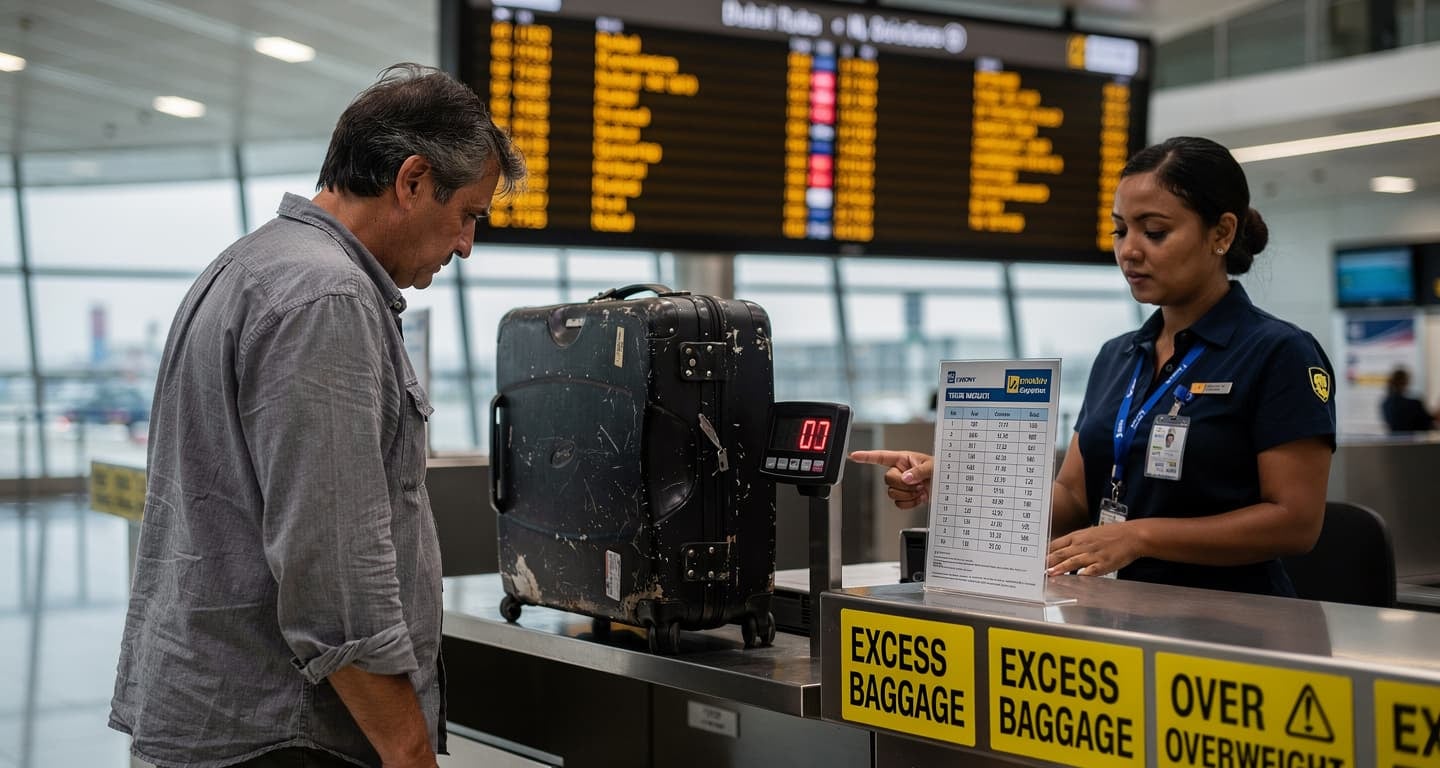
Delta Air Lines, American Airlines, and JetBlue Airways raised checked bag fees by $4 to $50 per bag effective April 8–10, 2026, citing jet fuel prices that surged from $85–90/barrel in February to $209/barrel following Iran war disruptions in the Strait of Hormuz. The carriers publicly tied fee increases to fuel costs but declined to commit to fee reductions if fuel prices fall.
US airlines collected $7.3 billion in checked bag fees in 2024, avoiding $435 million in federal excise taxes by structuring charges as optional fees rather than ticket surcharges. No carrier has announced plans to reverse fee increases if fuel costs normalize.
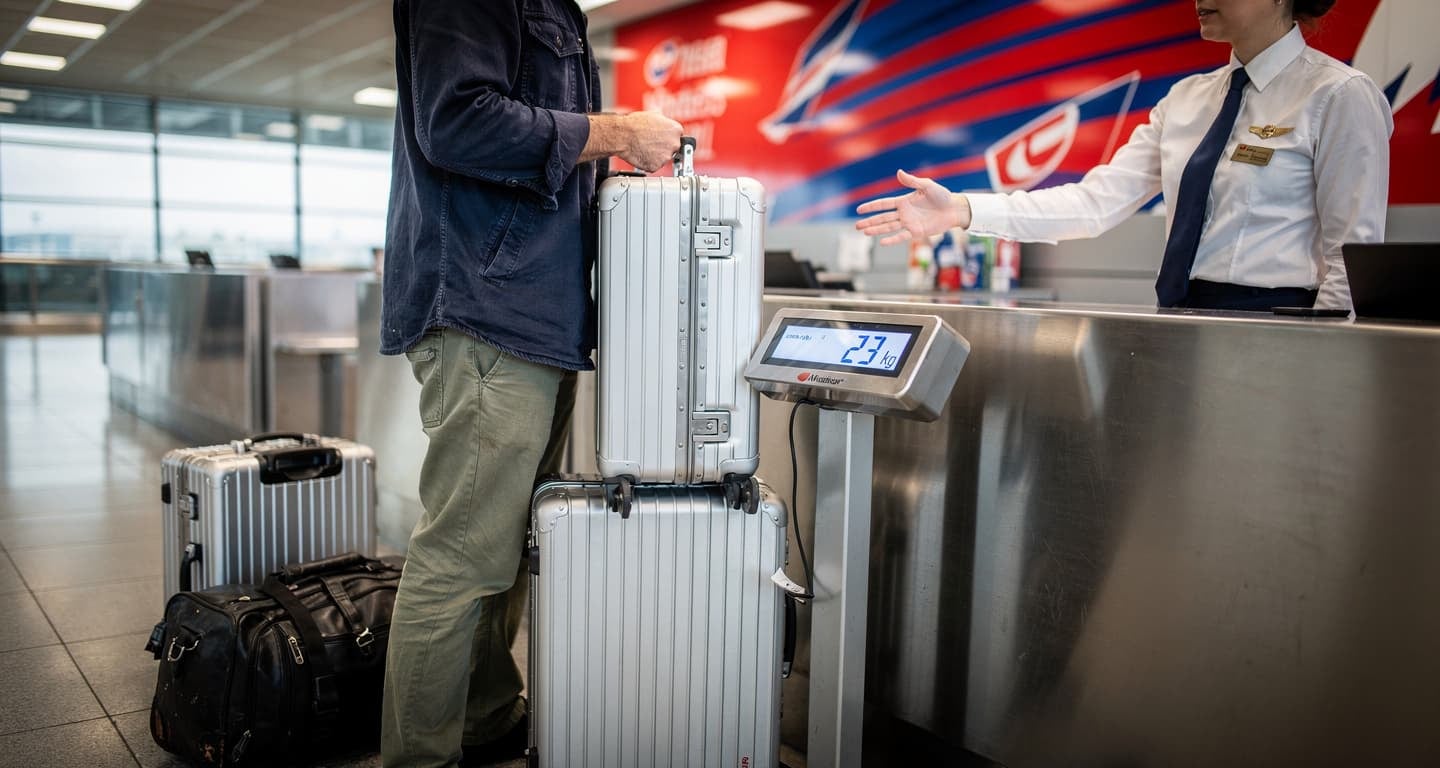
Three major US carriers implemented checked bag fee increases this week, with Delta raising first-bag fees from $35 to $45 and American adding $10 to first and second bags starting April 10. JetBlue increased first-bag fees to $39 (up $4) and second bags to $59 (up $9) for bags checked more than 24 hours before departure.
All three airlines cited jet fuel costs in public statements — fuel jumped 146% in six weeks due to Iran war impacts on the Strait of Hormuz, which handles 20% of global oil shipments. When pressed on whether fees would drop if fuel prices fall, Delta CEO Ed Bastian told investors lower fuel costs would “boost our margins” rather than trigger fee rollbacks.
The fee structure changes affect domestic and short-haul international flights immediately. American will add a $5 surcharge for basic economy passengers starting May 18, and third-bag fees across carriers now reach $200 — a $50 increase from prior levels.
How the fee increases break down by carrier
Delta’s changes took effect April 8 for tickets purchased on or after that date. First checked bags rose $10, second bags rose $10, and third bags jumped $50. The airline processes roughly 180 million domestic passengers annually, making the increase material to total ancillary revenue.
American Airlines implemented $10 increases on first and second bags for domestic and short-haul international routes starting April 10. Basic economy passengers face an additional $5 fee beginning May 18, bringing their first-bag cost to $45 when checked at the airport. The carrier also eliminated one free carry-on for basic economy on certain routes, though personal items remain permitted.
JetBlue uses peak/off-peak pricing for bags — the $39/$59 structure applies to bags checked more than 24 hours before departure, with a $10 surcharge added for bags checked within 24 hours. This creates a $49/$69 fee structure for last-minute bag additions, the highest among the three carriers for advance-purchase travelers.
| Carrier | First bag (old) | First bag (new) | Second bag (old) | Second bag (new) |
|---|---|---|---|---|
| Delta Air Lines | $35 | $45 | $45 | $55 |
| American Airlines | $35 | $45 | $45 | $55 |
| JetBlue Airways | $35 | $39 | $50 | $59 |
| United Airlines | $35 | $35 (no change) | $45 | $45 (no change) |
United Airlines has not announced fee increases as of April 10, maintaining $35 first-bag and $45 second-bag pricing. Industry filings show the carrier’s fuel hedging contracts extend through Q3 2026, potentially insulating it from short-term price spikes that prompted competitor increases.
Regulatory filings show US airlines generated $7.3 billion in checked bag fees during 2024, with $5.8 billion from domestic routes. Because Congress exempts optional fees from the 7.5% federal excise tax applied to base fares, carriers saved $435 million in 2024 by structuring bag charges as ancillary fees rather than ticket components. This creates a half-billion-dollar annual incentive to maintain or increase bag fees regardless of fuel costs.
Pre-paying bags online typically saves $10 per bag compared to airport check-in rates. Travelers can lock in current pricing by purchasing bags at booking on delta.com, aa.com, or jetblue.com/bags for trips departing after April 8.
Flight deals
most people never see
Our AI monitors 150+ airlines for pricing anomalies that traditional search engines miss. Air Traveler Club members save $650 per trip per person on average: see how it works.
Each deal saves 40–80% vs. regular fares:

Why fuel costs don’t determine bag fee levels
Airline pricing operates on supply-demand equilibrium, not cost-plus models. When fuel prices rise, carriers reduce capacity by retiring older aircraft or cutting unprofitable routes — that supply contraction raises fares across remaining flights. Bag fees adjust independently based on competitive positioning and revenue targets, not fuel invoices.
The rhetorical link between fuel and fees creates public acceptance for increases while avoiding commitment to decreases. Delta’s CEO told analysts that lower fuel costs would “boost margins” — a frank admission that cost savings flow to shareholders rather than passengers. This mirrors 2014–2016, when oil fell from $110 to $45 per barrel but bag fees remained static or increased.
Checked bag fees also drive credit card acquisition. Co-branded airline cards from Chase, American Express, and Barclays waive bag fees for cardholders, creating a $95–250 annual fee revenue stream that dwarfs per-trip bag charges. Delta collected $8.2 billion from American Express in 2025 — more than the entire US industry’s bag fee revenue — making cards the actual profit center and flights the customer acquisition channel.
What to do
Bag fee increases are permanent until competitive pressure forces rollbacks — fuel cost declines will not trigger automatic reductions.
- Pre-pay bags at booking on delta.com, aa.com, or jetblue.com to save $10 per bag versus airport rates. This locks in current pricing even if fees rise again before your departure date.
- Evaluate co-branded credit cards if you fly the same carrier 3+ times annually. Delta SkyMiles Gold Amex, Citi AAdvantage Platinum, and JetBlue Plus Card waive first-bag fees for cardholders, paying for themselves in 2–3 roundtrips. Annual fees range $99–150.
- Book Southwest for trips requiring checked bags — the carrier still offers two free checked bags on all fares and has not announced fee changes. Fares run 10–15% higher than ultra-low-cost competitors, but total trip cost often favors Southwest once bag fees are included.
- Ship items for extended trips — UPS Ground charges $40–60 to ship a 50-pound box coast-to-coast in 5 days, half the cost of checking a second bag roundtrip on Delta or American. Works for ski gear, golf clubs, or extended-stay clothing.
- Monitor United’s pricing — the carrier has not raised fees yet, potentially due to fuel hedging contracts. If United matches competitors in 60–90 days, book trips now to lock in $35 first-bag rates through their fare rules.
Watch: United Airlines’ Q2 earnings call in July will reveal whether fuel hedges expire, potentially triggering fee increases to match Delta and American by late summer.

Questions? Answers.
Will airlines reduce bag fees if fuel prices fall?
No carrier has committed to fee reductions tied to fuel cost decreases. Delta’s CEO stated publicly that lower fuel costs would “boost margins” rather than trigger customer savings. Historical precedent supports this — when oil prices fell 59% from 2014 to 2016, bag fees remained flat or increased across all major carriers.
Do elite status members avoid the new bag fees?
Yes. Delta Medallion, AAdvantage Executive Platinum/Platinum Pro, and JetBlue Mosaic members retain free checked bag allowances regardless of fee increases. Entry-level elite tiers (Silver, Gold) typically receive one free bag; mid-tier and top-tier members receive two free bags. Co-branded credit cardholders also receive one free checked bag on their respective carriers.
How much do airlines actually spend to handle a checked bag?
Industry estimates place baggage handling costs at $8–12 per bag, covering labor, equipment, and liability. At current fee levels of $39–45 for first bags, carriers generate $27–37 in margin per bag checked — a 225–375% markup over cost. This margin explains why bag fees persist regardless of fuel prices.
Can I get a refund if I pre-paid bags but cancel my flight?
Refund policies vary by carrier. Delta and American refund pre-paid bag fees only if you cancel within 24 hours of booking or hold a refundable ticket. JetBlue refunds bag fees on canceled Blue Basic fares if canceled within 24 hours, but not on Blue or Blue Plus fares. Check specific fare rules at time of booking — most non-refundable tickets forfeit pre-paid bag fees upon cancellation.