Quick summary
Multiple Western governments — including the US, UK, Canada, Australia, and EU member states — have issued Level 4 “Avoid All Travel” advisories for areas within 50 kilometers of the Cambodia-Thailand border, effective from February 18–20, 2026. All land border crossings between the two countries are closed. Travelers with overland itineraries — particularly the Bangkok-to-Siem Reap corridor — must rebook via air immediately.
The ceasefire signed December 27, 2025 has not held. Armed clashes resumed February 17, 2026, and both governments describe the situation as fragile. This is not a precautionary upgrade — it reflects active military engagement.
What happened and who is affected
Cambodia and Thailand are in an active armed conflict. Artillery exchanges, F-16 strikes, and cluster munitions have been documented in Preah Vihear and Oddar Meanchey provinces on the Cambodian side, and Trat and Chanthaburi provinces in Thailand. Over 1 million people were displaced during the November–December 2025 phase alone. The situation deteriorated again on February 17, 2026, less than two months after a ceasefire was signed.
Australia’s Smartraveller upgraded to “Do Not Travel” — its highest Level 4 — for the 50km border zone on February 20, 2026. The UK and EU reached “Avoid All Travel” (red level) on February 18. The US State Department and Canada’s Travel.gc.ca align at Level 3–4 for the same zone. All advisories cover the same geographic band: 50 kilometers either side of the border.
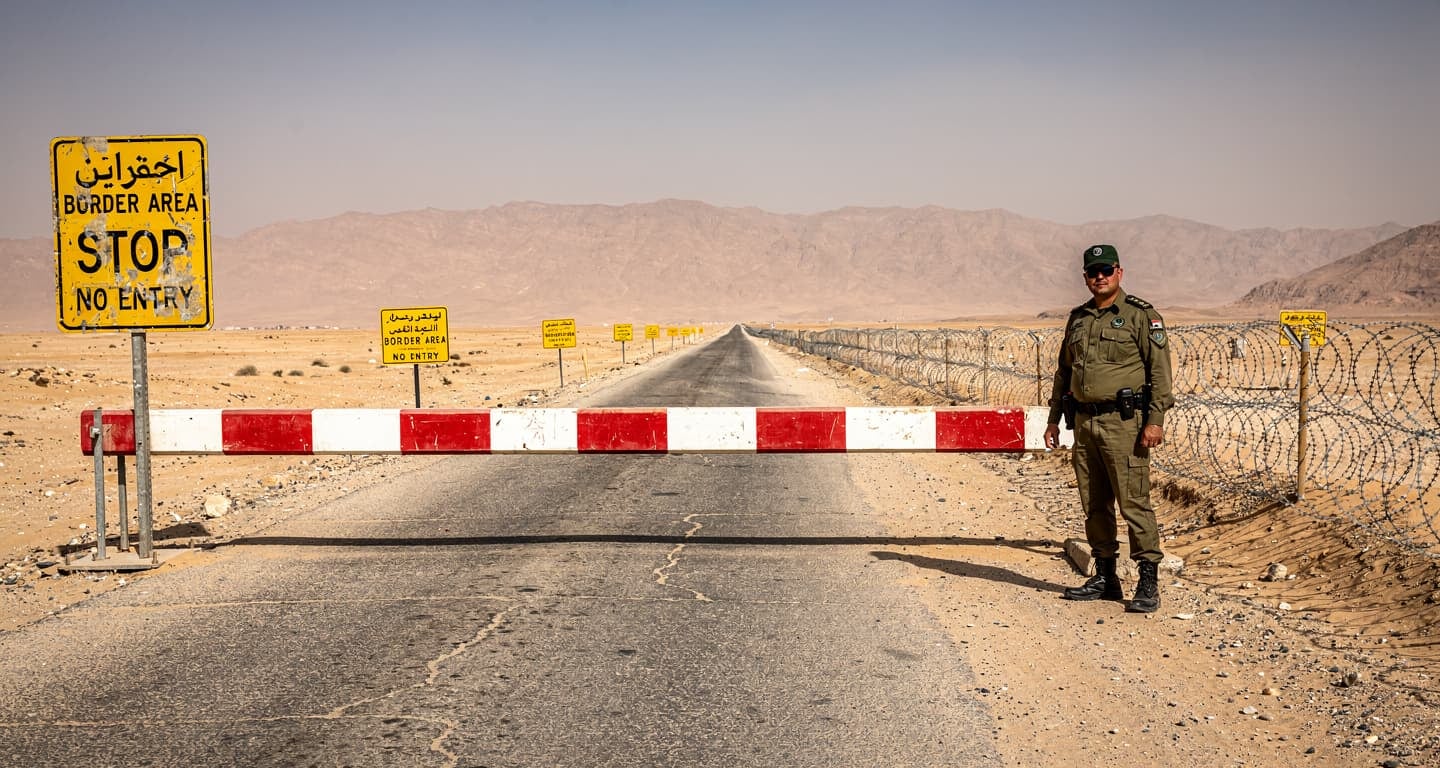
Every land crossing between the two countries is closed. That means the overland Bangkok–Siem Reap route — one of Southeast Asia’s most popular backpacker corridors — is not an option. Travelers who booked overland transport, border-town hotels, or multi-country itineraries transiting this zone need to act now.
Air travel between Bangkok and Siem Reap is not currently disrupted, though Thailand’s Civil Aviation Authority of Thailand (CAAT) has banned drone flights in several border provinces since December 9, 2025. Martial law is in effect across 8 Thai border districts.
Flight deals
most people never see
Our AI monitors 150+ airlines for pricing anomalies that traditional search engines miss. Air Traveler Club members save $650 per trip per person on average: see how it works.
Each deal saves 40–80% vs. regular fares:

Why the ceasefire didn’t hold — and why that matters for your plans
The December 27 ceasefire was brokered through bilateral diplomacy between foreign ministers — WhatsApp messages, not a formal treaty. A prior US-brokered accord from October 2025 had already collapsed. Cambodia accuses Thai forces of advancing beyond agreed lines and laying barbed wire inside disputed territory. Thailand invokes UN Charter Article 51 — the right to self-defense — and alleges Cambodian forces fired first on civilians and military positions.
On February 22, 2026, the Thai Army publicly rebutted seven separate “fake news” claims about the conflict, asserting proportional response to Cambodian heavy weapons use. Cambodian PM Hun Manet raised the dispute directly with US President Trump’s Board of Peace on February 20, seeking external pressure on Bangkok. Neither side is backing down.
The pattern here is clear: ceasefires in this conflict have a short shelf life. The 2025 Cambodian–Thai border crisis timeline shows three distinct escalation phases since May 2025. A fourth is plausible. Travelers should not plan around a ceasefire holding.
A dispute decades in the making
The Cambodia-Thailand border conflict centers on overlapping territorial claims that predate both modern states. The Preah Vihear temple complex — awarded to Cambodia by the International Court of Justice in 1962 — sits at the heart of the disputed zone. Skirmishes have flared repeatedly since 2008. The 2025–2026 escalation is the most severe in over a decade, involving heavy artillery and air strikes rather than small-arms exchanges.
What the advisory levels mean for your insurance
This is where travelers get caught out. A Level 4 advisory doesn’t just affect safety — it affects your financial exposure. Most travel insurance policies contain explicit war and armed conflict exclusions. Once your government issues a Level 4 advisory for a region, insurers treat any claim arising from travel to that zone as ineligible — regardless of when you booked.
Australian and New Zealand travelers face the sharpest exposure: Smartraveller’s Level 4 “Do Not Travel” rating typically triggers automatic policy voidance for the affected zone. US and Canadian travelers should check whether their policy distinguishes between “Reconsider Travel” (Level 3) and “Do Not Travel” (Level 4) — the border zone now sits at the higher threshold. EU travelers should verify coverage under their specific policy terms, as exclusion language varies by insurer.
Contact your insurer before rebooking, not after. Ask specifically about “advisory upgrade” clauses — many policies offer cancellation credits when a government advisory changes after your booking date. Document the advisory level at the time of your inquiry.
What to do now
- Rebook overland segments as flights. Bangkok (Suvarnabhumi, BKK) to Siem Reap (REP) is served by AirAsia and Bangkok Airways with multiple daily departures. Book directly through airline apps — do not wait for land crossings to reopen.
- Check your government advisory daily. Use Smartraveller (smartraveller.gov.au) for AU/NZ, Travel.gc.ca for Canada, travel.state.gov for the US, and FCDO Travel Advice for UK travelers. Advisory maps show the exact 50km exclusion zone.
- Contact your insurer immediately. Ask about war/armed conflict exclusions, advisory upgrade cancellation clauses, and whether existing coverage is voided for the border zone. Get confirmation in writing.
- Cancel border-area accommodation. Cite the Level 4 advisory when requesting refunds from Booking.com, Agoda, or direct hotel bookings. Most platforms offer policy exceptions for government advisory changes — reference the specific upgrade date (February 18–20, 2026) in your request.
Questions? Answers.
Does this affect flights between Bangkok and Siem Reap?
No airport closures have been confirmed. Flights between Bangkok and Siem Reap are operating normally. The CAAT drone ban applies to border provinces, not major airports. That said, monitor airline notifications — if the conflict escalates further, airspace restrictions could change quickly. Book refundable fares where possible.
What triggered the February 2026 escalation?
The December 27, 2025 ceasefire broke down over post-ceasefire troop positioning. Cambodia alleges Thai forces advanced beyond agreed lines and installed barbed wire inside disputed territory. Thailand claims Cambodian forces fired first on military and civilian positions, invoking UN Charter Article 51 self-defense rights. Both sides have disputed each other’s account publicly. No independent verification mechanism is in place.
Can I get a refund on border-area hotel bookings?
Most major booking platforms — Booking.com, Agoda, Expedia — offer free cancellation exceptions when a government advisory changes after your booking date. Cite the specific advisory upgrade (Level 4, February 18–20, 2026) and your government’s advisory page when contacting customer service. For direct hotel bookings, the same argument applies — document the advisory in writing. Pre-March 2026 bookings have the strongest case.
Is the rest of Cambodia and Thailand safe to visit?
Yes — the advisory applies specifically to the 50km border zone. Phnom Penh, Siem Reap city, Bangkok, Chiang Mai, Phuket, and other major destinations are not under elevated advisories. Travelers should avoid itineraries that route through or near the border provinces: Preah Vihear, Oddar Meanchey, Banteay Meanchey (Cambodia) and Trat, Chanthaburi, Sa Kaeo, Surin, Sisaket, Ubon Ratchathani (Thailand).
Will my travel insurance cover me if I travel to the border zone anyway?
Almost certainly not. A Level 4 “Do Not Travel” or “Avoid All Travel” advisory triggers war and armed conflict exclusions in the vast majority of travel insurance policies. Any medical claim, evacuation, or trip interruption arising from travel to the 50km border zone will likely be denied. A medical evacuation from a conflict zone can cost $50,000 or more — and that assumes an operator will accept the mission. Do not travel to this zone.