Quick summary
The U.S. State Department and Global Affairs Canada advise against all travel within 50 kilometers of the Cambodia–Thailand land border as of April 2026, citing ongoing armed conflict involving artillery, airstrikes, and military barricades. Approximately 409,000 people remain displaced in Cambodia alone, with the highest concentrations in Siem Reap and Banteay Meanchey provinces — areas tourists commonly transit through when moving between the two countries.
A ceasefire agreed in December 2025 remains fragile, with both sides maintaining heavy military presence along the frontier. All overland crossings — including the popular Poipet/Aranyaprathet checkpoint — should be considered high-risk, and travelers must reroute via air until advisories are downgraded.
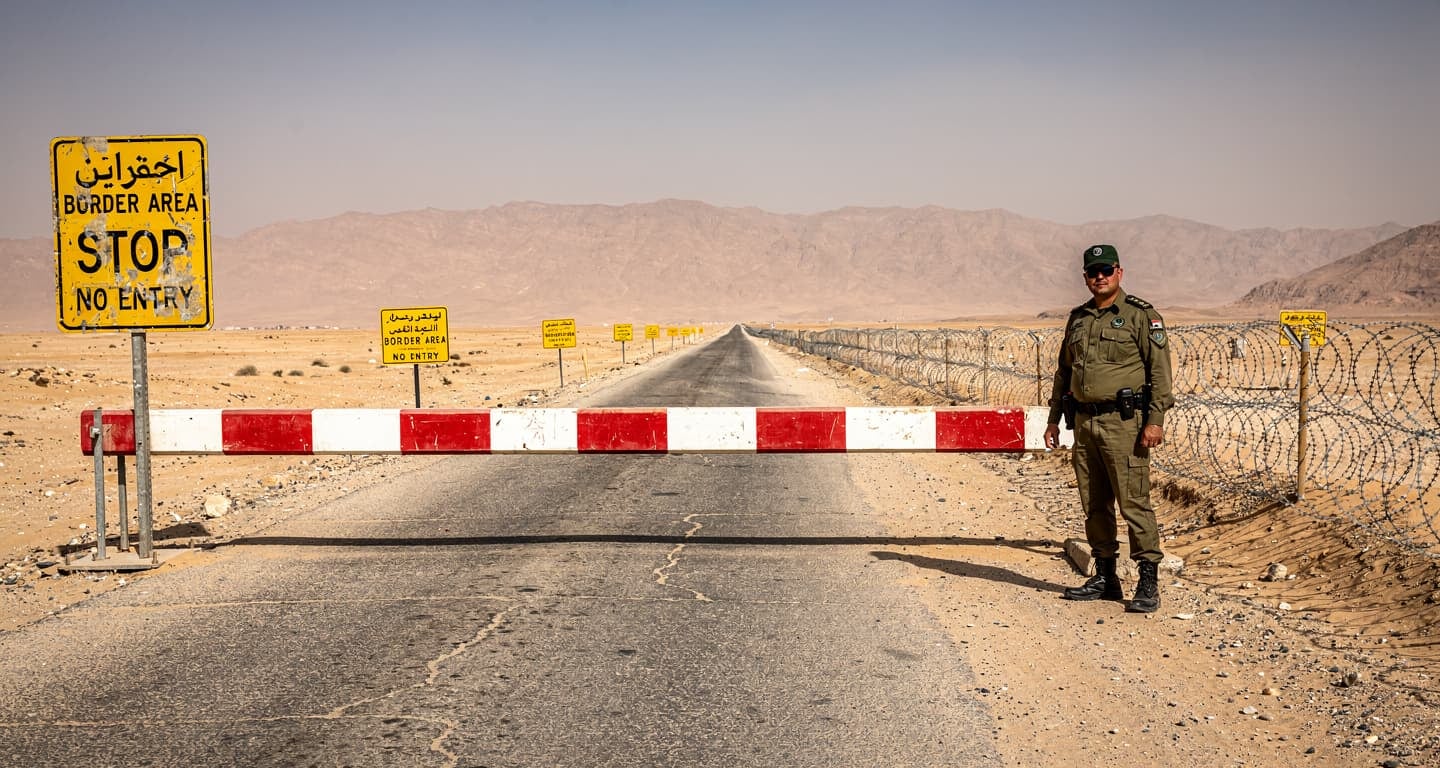
Armed clashes that escalated into full-scale fighting in July and December 2025 have left a 50-kilometer corridor along the Cambodia–Thailand border effectively off-limits to civilian travel.
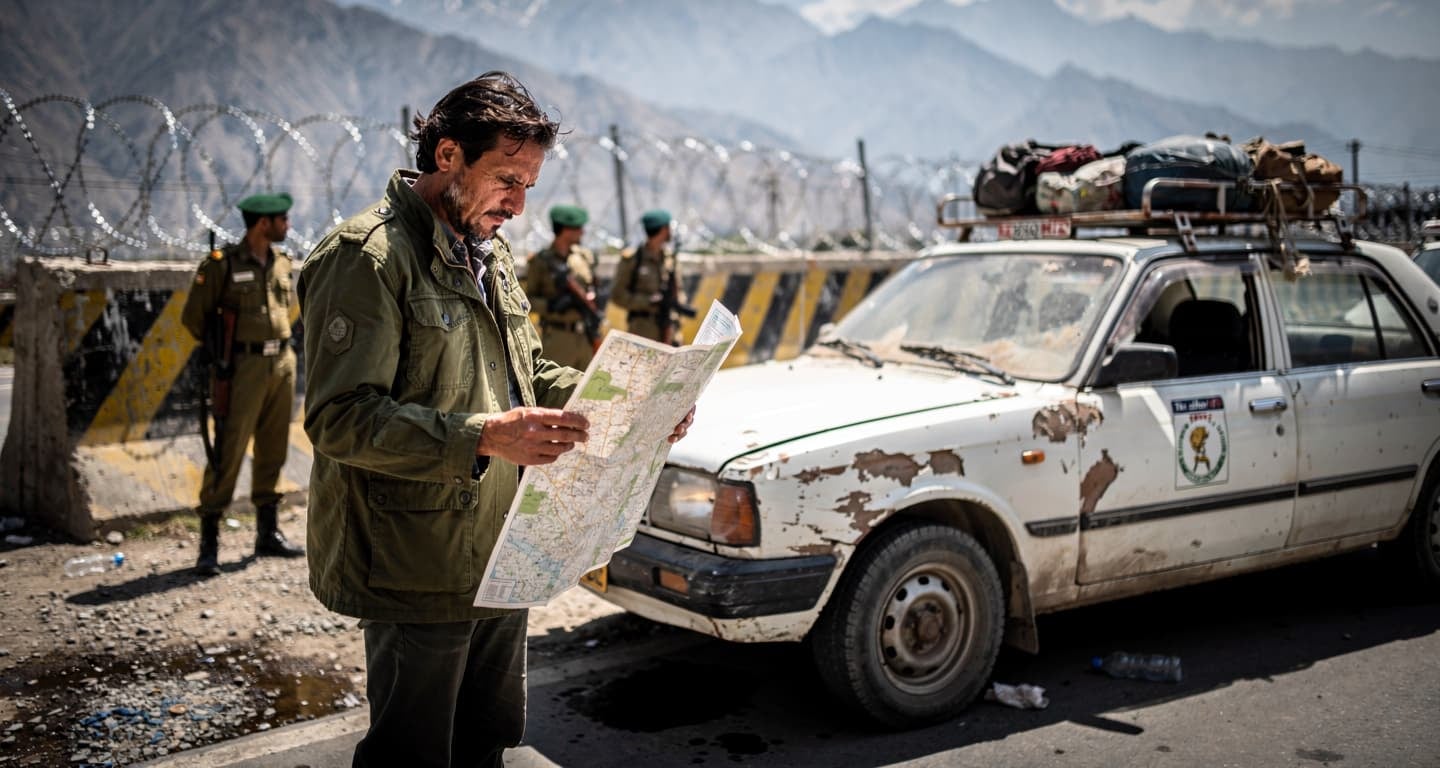
Thai F-16 airstrikes, Cambodian rocket fire, and artillery exchanges displaced hundreds of thousands on both sides of the frontier, with front-line villages now blocked by shipping containers and barbed wire.
The conflict zone overlaps popular overland routes used by backpackers and regional business travelers, including the Poipet/Aranyaprathet crossing that once funneled tourists between Bangkok and Siem Reap.
Western governments have issued explicit warnings to avoid the area entirely, and the presence of landmines and unexploded ordnance adds long-term risk even after active hostilities pause.
What the security alerts say
The U.S. Embassy in Bangkok issued a security alert warning of continued armed conflict along the border, describing artillery fire, gunfire, and air operations in affected sectors.
The alert includes a map highlighting danger zones and advises U.S. citizens to avoid travel to and near the border, monitor local media, and follow instructions from Thai authorities.
| Province | Displaced persons | Key risk |
|---|---|---|
| Siem Reap (Cambodia) | Highest concentration | Tourist transit hub |
| Banteay Meanchey (Cambodia) | Highest concentration | Poipet crossing closed |
| Sisaket (Thailand) | Data pending | Civilian casualties reported |
| Surin (Thailand) | Data pending | Border crossings closed |
Global Affairs Canada maintains a parallel advisory against all travel within 50 kilometers of the border, citing the same active conflict and risk of sudden escalation.
The December 2025 ceasefire — agreed after a second wave of fighting — has not led to demilitarization. Cambodian authorities have barred residents from returning to front-line villages, and Thai forces have erected physical barriers blocking access to four Cambodian villages covering 292 hectares.
As of May 9, 2026, reporting from Al Jazeera described the ceasefire as fragile, with border areas still heavily militarized and no independent peacekeeping presence to monitor compliance.
Flight deals
most people never see
Our AI monitors 150+ airlines for pricing anomalies that traditional search engines miss. Air Traveler Club members save $650 per trip per person on average: see how it works.
Each deal saves 40–80% vs. regular fares:

How the conflict escalated
The hostilities began in July 2025 with heavy shelling and Thai F-16 airstrikes against Cambodian positions, then resumed on December 7–8, 2025, expanding along multiple border sectors.
Weapons used include artillery, multi-rocket launchers, and Cambodian BM-21 rockets that hit civilian infrastructure on the Thai side — indirect-fire systems with wide impact zones that make even rear areas unpredictable for civilians.
The conflict sits atop territory already contaminated by landmines and unexploded ordnance from earlier decades. Recent shelling has likely added new UXO to areas historically used for trekking, rural homestays, and cross-border trade.
On May 7, 2026, Thai and Cambodian leaders met on the sidelines of an ASEAN summit and publicly committed to seek peace, but Reuters characterized the situation as an “uneasy truce” — political intent without immediate de-militarization.
For travelers planning flights to Cambodia from North America, the practical implication is clear: overland entry from Thailand is not a viable option, and any itinerary involving border provinces should be rerouted or canceled.
Reroute via air, avoid border provinces entirely
The 50-kilometer exclusion zone covers all land crossings between Thailand and Cambodia, including Poipet/Aranyaprateh, Chong Chom/O’Smach, and checkpoints in Sa Kaeo, Surin, and Sisaket provinces.
- Book Bangkok–Phnom Penh (BKK–PNH) or Bangkok–Siem Reap (BKK–REP) flights on carriers like Thai AirAsia, Bangkok Airways, or Cambodia Angkor Air instead of any overland bus or minivan service.
- Cross-check accommodation addresses against a map before booking — avoid anything within 50 kilometers of the frontier in Banteay Meanchey, Oddar Meanchey, Preah Vihear (Cambodia) or Sisaket, Surin, Sa Kaeo (Thailand).
- Cancel or relocate any tours that include border markets, temple ruins near the frontier, or rural homestays in affected provinces — tour operator marketing does not override government intelligence.
- Monitor your country’s official travel advisory every few days before departure and while on the road — the U.S. State Department and Global Affairs Canada update their guidance as conditions change.
- Register with your embassy if you are already in Thailand or Cambodia — the Smart Traveler Enrollment Program (STEP) for U.S. citizens or the Registration of Canadians Abroad service ensures you receive emergency alerts.
Watch: ASEAN summit outcomes and any announcement of a joint border monitoring mechanism — until independent observers are deployed, the ceasefire remains a political statement rather than an operational reality.

Questions? Answers.
Are flights between Bangkok and Cambodia affected by the border conflict?
No. Commercial aviation operates normally — Thai and Cambodian airspace remains open, and airlines continue scheduled service between Bangkok and Phnom Penh/Siem Reap without disruption. The conflict affects only land crossings and the 50-kilometer border corridor.
Can I visit Siem Reap and Angkor Wat safely?
Siem Reap city and the Angkor Archaeological Park are outside the 50-kilometer exclusion zone and remain accessible via air from Bangkok. However, Siem Reap province has the highest concentration of displaced persons in Cambodia, which strains local services. Fly in, avoid overland routes, and monitor local conditions daily.
What happens if the ceasefire breaks down while I’m traveling in the region?
A breakdown would likely close roads, disrupt ground transport, and trigger new displacement. If you are in Thailand or Cambodia when fighting resumes, move away from border provinces immediately, contact your embassy, and reroute via air. A medical evacuation from a conflict zone costs $50,000 — assuming anyone accepts the mission.
Is travel insurance valid if I enter the exclusion zone against government advice?
Most travel insurance policies exclude coverage for losses incurred in areas under a Level 4 “Do Not Travel” advisory or equivalent. If you enter the 50-kilometer zone and require evacuation, medical treatment, or trip cancellation, your insurer will likely deny the claim. Check your policy’s exclusions before departure.
How long will the land border remain closed?
No timeline has been announced. The December 2025 ceasefire has no enforcement mechanism, and both sides maintain heavy military presence along the frontier. Until governments downgrade their travel advisories and announce formal reopening of checkpoints, assume all land crossings are indefinitely closed.