Quick summary
British Airways denied boarding to 13-year-old Mason Entwistle, who has Tourette’s syndrome, at London Gatwick Airport on May 25, 2026, after he involuntarily shouted “bomb” at the gate during a family flight to Spain. His parents had pre-notified British Airways of his condition, carried a medical diagnosis letter, and had Mason wear a hidden-disability lanyard — yet a BA duty manager, accompanied by police, pulled the family from the jetbridge and refused travel on security grounds.
The airline later offered to reimburse the original tickets but maintained the refusal was not disability-based. The family successfully flew to Spain the following day on Vueling — a carrier owned by the same parent company as British Airways.
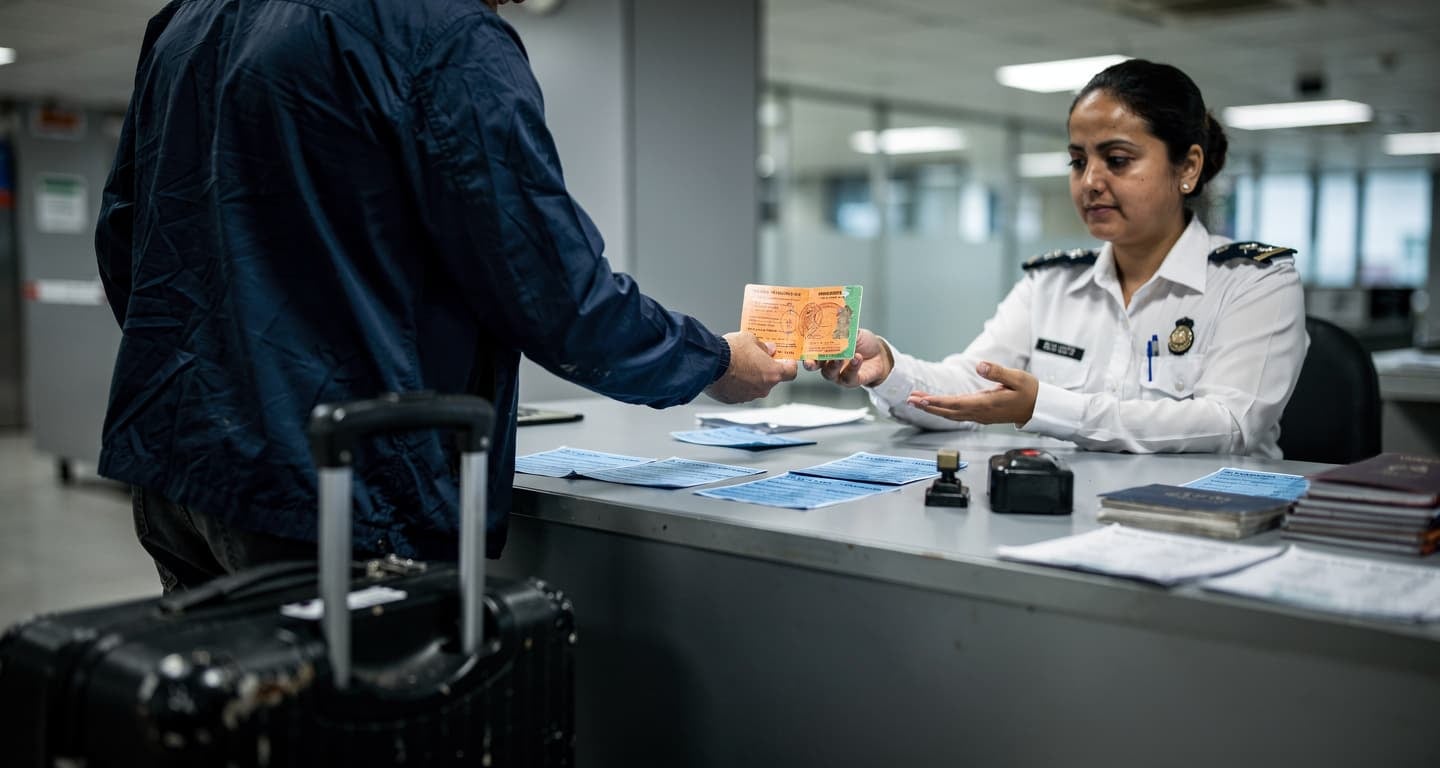
Armed police escorted the Entwistle family back through Gatwick‘s terminal. Mason, 13, had done nothing wrong — his brain had.
Tourette’s syndrome caused him to shout “bomb” involuntarily, multiple times, as the family approached the gate for their British Airways flight to Alicante. Despite advance notification of his condition, a medical letter, and a hidden-disability lanyard, a BA duty manager pulled the family from the boarding queue on the jetbridge and refused Mason travel — citing security and the safety of other passengers.
The family lost two days of their holiday and spent the night at Gatwick before flying to Spain the next morning on Vueling, an IAG-owned carrier — the same parent group as British Airways — without incident.
Mason’s father, Martyn, recorded the exchange with the duty manager on video. In it, the staffer confirmed she had already consulted BA’s central accessibility team before the denial was issued. Martyn accused the airline of breaching the Equality Act 2010. British Airways acknowledged the situation was “distressing” but said “a number of contributing factors” led to the decision. The airline has not publicly specified what those factors were.
What happened at the gate — and why it matters legally
Airport staff had been aware of Mason’s condition well before the gate. The family was escorted through the terminal as a special-assistance arrangement, and Mason shouted “bomb” at several points — including at the security checkpoint — without being stopped. Staff allowed the family to proceed all the way onto the jetbridge before the duty manager intervened.
That sequence is significant. It suggests BA’s decision was not a snap judgment at the first utterance but a considered call made after extended observation — and after the airline’s central accessibility team had been consulted. Whether that process constitutes a “reasonable adjustment” under UK disability law, or whether it simply delayed an inevitable refusal, is now the central legal question.
As reported by IBTimes UK, this is not the first time a passenger with Tourette’s has been denied boarding after an involuntary bomb-related tic — a pattern that has repeatedly exposed the tension between aviation security protocols and disability rights protections. The full account of the Gatwick incident confirms Mason’s family had done everything advocates recommend: pre-notification, documentation, visible disability identification.
| Stage | What happened | Outcome |
|---|---|---|
| Pre-flight | Family notified BA of Mason’s Tourette’s diagnosis; special-assistance escort arranged | Boarding permitted to proceed |
| Security checkpoint | Mason shouted “bomb” multiple times; staff allowed family to continue | No intervention; family cleared security |
| Jetbridge | BA duty manager, accompanied by police, pulled family from boarding queue | Mason and parents denied boarding; 16-year-old daughter allowed to fly |
| Same day | Family spent night at Gatwick; BA offered ticket reimbursement | Two days of Alicante holiday lost |
| Following day | Family flew to Spain on Vueling (IAG-owned, same parent as BA) | No incident; travel completed without issue |
Flight deals
most people never see
Our AI monitors 150+ airlines for pricing anomalies that traditional search engines miss. Air Traveler Club members save $650 per trip per person on average: see how it works.
Each deal saves 40–80% vs. regular fares:

The legal grey zone airlines are counting on
As outlined in the IBTimes UK report, UK law under the Equality Act 2010 requires airlines to make reasonable adjustments for disabled passengers — but carriers retain discretion to refuse boarding when they reasonably believe a safety or security risk exists. That discretion is broad, and it is doing a lot of work in cases like Mason’s.
Under UK261 — the post-Brexit equivalent of EU261/2004 — denied boarding compensation applies when passengers are refused against their will due to overbooking or operational issues under the airline’s control. Security-based refusals fall outside that framework entirely. British Airways does not owe the Entwistle family statutory compensation. What it may owe them is a demonstration that it genuinely considered reasonable adjustments before refusing — and that is where the Equality Act claim lives.
The Vueling detail cuts sharply against BA’s position. The same family, with the same child, flew without incident on a carrier in the same corporate group the very next day. That does not prove discrimination — but it does raise an uncomfortable question about whether BA’s “number of contributing factors” included anything beyond the word itself.
Steps to protect your family before the gate
The Entwistle family did many things right — and were still denied boarding. These steps go further, targeting the specific failure points this incident exposed.
- Add medical documentation to your booking now: Log into ba.com ‘Manage My Booking’ and add your condition via the Special Assistance section. Upload or note that you carry a doctor’s letter. Do this at least 72 hours before departure — not the morning of travel.
- Register with Gatwick’s Assisted Travel service separately: Airline notification and airport notification are two different systems. Pre-registering with the official LGW Assisted Travel service means airport staff — not just airline staff — are briefed before you reach security.
- Request written confirmation of accommodations: Ask BA’s Special Assistance team to confirm in writing what adjustments will be in place. A reference number or email is something you can show a duty manager if a dispute arises at the gate.
- Document any denial immediately: If boarding is refused, ask for the decision in writing before leaving the gate area. Keep all receipts for hotels, meals, and replacement flights — these are the basis of any Equality Act complaint or card-benefit claim.
- File complaints within 7 days: Submit to both British Airways customer relations via ba.com and the UK Civil Aviation Authority’s passenger rights portal promptly. The CAA cannot award compensation directly, but a formal complaint creates a regulatory record.
Watch: A formal statement from the UK Civil Aviation Authority or the Equality and Human Rights Commission in the coming weeks would signal whether either body intends to review how security-based denials interact with disability law — a development that could produce binding guidance for airlines on involuntary verbal tics. If neither body acts, expect outcomes to remain entirely dependent on individual staff decisions at the gate.

Questions? Answers.
Does British Airways owe the Entwistle family compensation under UK261?
No. UK261 compensation for denied boarding applies when passengers are refused due to overbooking or operational issues under the airline’s control. British Airways framed the refusal as a security decision, which falls outside UK261’s scope. The family’s legal avenue is the Equality Act 2010, not passenger rights compensation rules.
Can an airline legally refuse boarding to a passenger with Tourette’s who shouts “bomb”?
Yes, under current UK law — but with conditions. The Equality Act 2010 requires airlines to consider reasonable adjustments before refusing a disabled passenger. An airline can still deny boarding if it reasonably believes a genuine safety or security risk exists. The legal question in Mason’s case is whether British Airways adequately explored reasonable adjustments before refusing, given that the family had pre-notified the airline and carried documentation.
Why was the family able to fly on Vueling the next day without any problems?
Vueling is an IAG-owned carrier — the same parent group as British Airways — but operates as a separate airline with its own staff and procedures. The family’s successful Vueling flight does not legally prove BA discriminated, but it does challenge the claim that Mason’s presence posed an unavoidable security risk. It is likely to feature prominently in any formal complaint or legal action.
What should travelers with Tourette’s do differently before flying from a UK airport?
Notify the airline via its Special Assistance channel at least 72 hours before departure, carry a doctor’s letter confirming the diagnosis, wear a hidden-disability lanyard, and register separately with the airport’s Assisted Travel service. Request written confirmation of any accommodations agreed in advance. If denied boarding, ask for the decision in writing at the gate and file complaints with both the airline and the UK CAA within seven days.