Quick summary
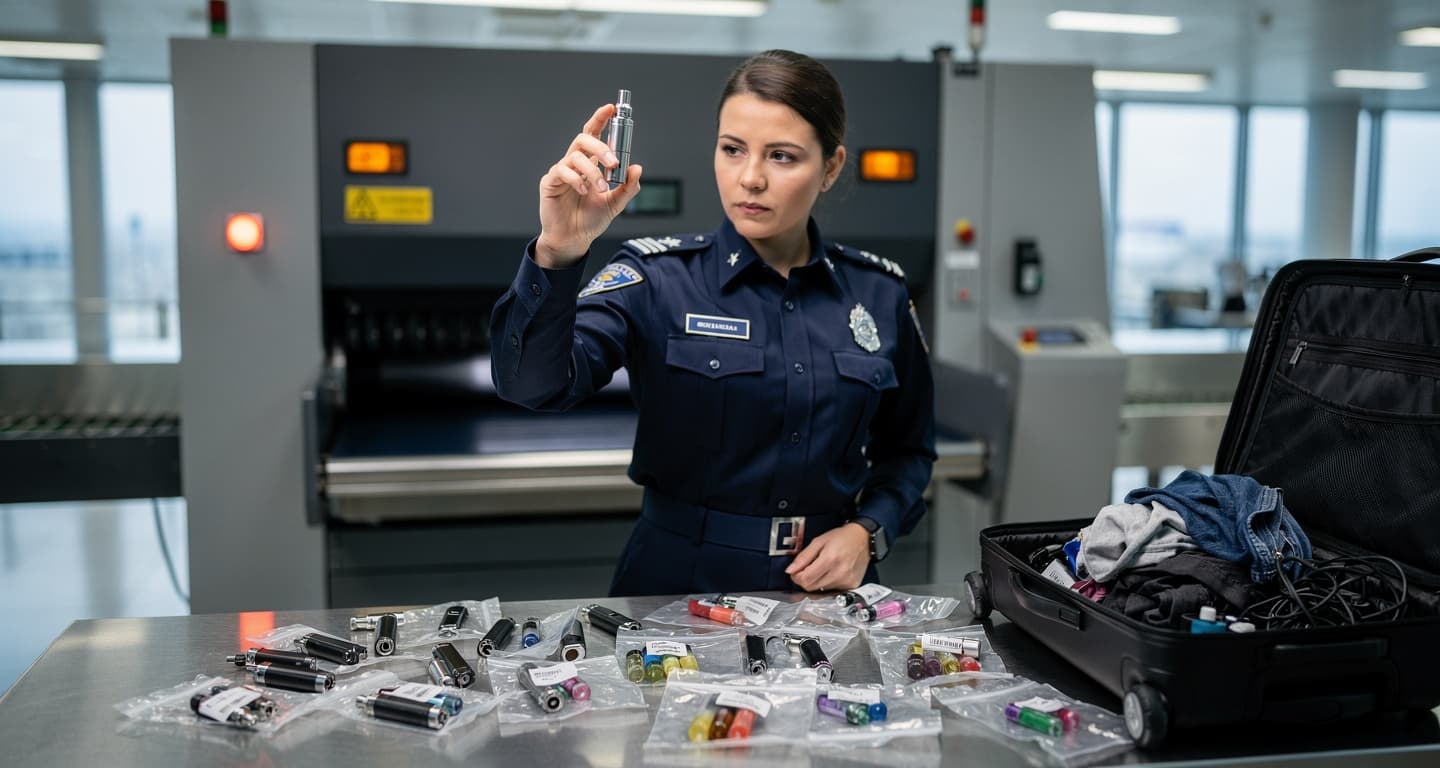
A 23-year-old Pennsylvania man pleaded guilty on April 7, 2026, to theft on an aircraft after stealing credit cards and a debit card from passengers’ overhead luggage during a Breeze Airways flight from Los Angeles to Pittsburgh on April 9, 2025. Jaymer Ferrell was caught only after flight attendants spotted him vaping repeatedly in the lavatory—drawing attention to his earlier rifling through multiple overhead bins, throwing passenger belongings around the cabin, and having a domestic argument with his partner mid-flight.
Ferrell received time served, one year supervised release with 90 days home detention, and a $250 fine. Police found the stolen cards in his backpack during booking at Pittsburgh International Airport, where he was also tasered after attempting to assault a guard.
How vaping in the lavatory exposed a theft operation
Flight attendants first noticed Ferrell searching through overhead bins during the cross-country flight. He claimed to have lost his wallet but refused crew assistance to locate it.
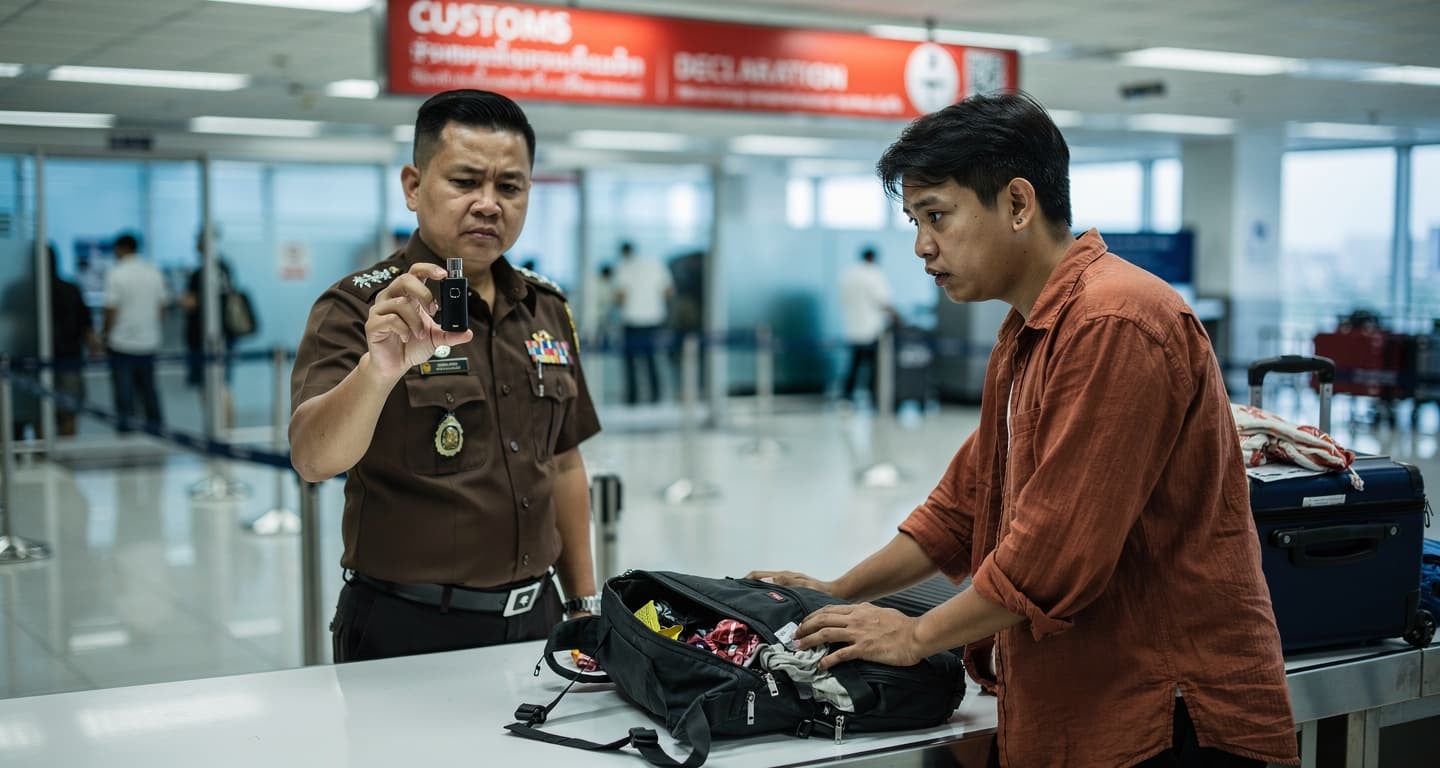
His repeated, extended trips to the lavatory raised suspicion. Crew eventually caught him vaping—a federal violation that triggers mandatory law enforcement notification upon landing. That vaping report set off the chain of events leading to his arrest at the gate, where Allegheny County Police discovered he was carrying stolen payment cards belonging to two passengers seated elsewhere on the aircraft.
The theft went undetected during the flight itself. Passengers typically don’t inventory their overhead luggage until after landing, and Ferrell’s partner—who became angry over text messages from other women on his phone—created additional cabin disruption that masked the earlier bin intrusions. By the time officers boarded at Pittsburgh International Airport, they were responding to a vaping complaint, not a theft report.
Court documents from the U.S. Attorney’s Office for the Western District of Pennsylvania confirm Ferrell had been released from custody shortly before the flight on charges of assaulting his partner. He was initially arrested at PIT on an outstanding warrant—the stolen cards were discovered only during the booking search.
| Event | Action taken | Outcome |
|---|---|---|
| Overhead bin searches | Crew observed, no intervention | Theft undetected |
| Lavatory vaping | Crew alerted police | Law enforcement dispatched to gate |
| Domestic argument | Belongings thrown in cabin | Additional disruption report |
| Arrival at PIT | Arrest on outstanding warrant | Stolen cards found during booking |
Flight deals
most people never see
Our AI monitors 150+ airlines for pricing anomalies that traditional search engines miss. Air Traveler Club members save $650 per trip per person on average: see how it works.
Each deal saves 40–80% vs. regular fares:

What the sentencing reveals about federal aviation theft prosecution
Ferrell’s plea deal—time served, supervised release, and a modest fine—reflects the relatively low dollar value of the stolen items and his cooperation with prosecutors. Theft on an aircraft is a federal offense under 18 U.S.C. § 2117, carrying a maximum sentence of five years, but first-time offenders with minimal theft amounts typically receive lighter sentences when they plead guilty.
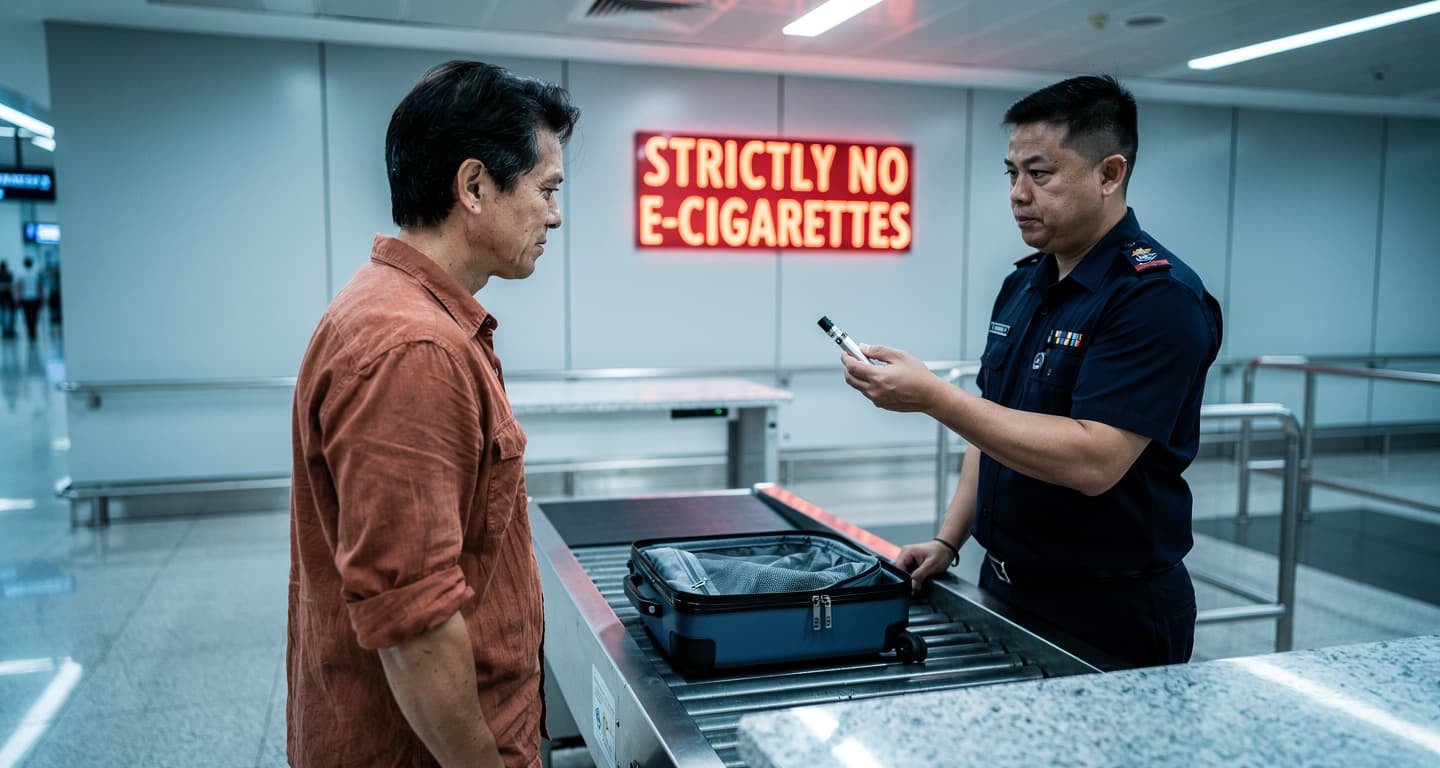
The vaping violation itself, while triggering the arrest, was not prosecuted separately. Federal regulations prohibit vaping on commercial flights under 14 CFR § 121.317, with fines up to $4,000 per incident, but prosecutors focused on the theft charge as the more serious offense.
The case highlights a gap in cabin security: overhead bins remain largely unmonitored during flight, and passengers rarely secure valuables in ways that prevent opportunistic theft. Unlike checked baggage, which undergoes TSA screening and airline liability protocols, carry-on items placed in overhead storage are the passenger’s responsibility to monitor.
Vaping on aircraft has become a recurring enforcement issue. In August 2025, a passenger on an American Airlines flight from Phoenix to San Francisco was removed for vaping in the lavatory and accusing crew of assault—a case that underscores how lavatory misuse draws flight attendant scrutiny that can expose other violations. Singapore’s zero-tolerance vaping enforcement extends even to transit passengers at Changi Airport, with fines reaching $1,400 USD for possession in checked bags.
What to do if you’re flying LAX-PIT or similar routes
Overhead bin theft remains rare but underreported—most passengers don’t realize items are missing until they’re off the aircraft, and by then, identifying the perpetrator is nearly impossible without crew observation.
- Keep payment cards and ID on your person. Use a neck wallet or zippered jacket pocket—never leave wallets, passports, or credit cards in overhead luggage, even in locked bags.
- Place valuables in the personal item under your seat. TSA-approved pouches with RFID blocking cost $15–30 and eliminate overhead bin risk entirely.
- Report suspicious bin activity immediately. If you see someone searching bags that aren’t theirs, notify a flight attendant before the person returns to their seat—crew can discreetly monitor and alert authorities.
- Inventory your belongings before leaving the aircraft. Check overhead bins and seat pockets while still on board—once you’re in the terminal, recovering stolen items becomes a law enforcement matter with low success rates.
- File a police report at the arrival airport if theft suspected. Pittsburgh International has an Allegheny County Police desk in the baggage claim area—report immediately, as surveillance footage is typically retained for only 72 hours.
Watch: Breeze Airways‘ Q2 2026 safety report will reveal whether vaping and theft incidents are rising on LAX-PIT—if incidents increase by more than 10%, expect enhanced lavatory monitoring and pre-boarding bag checks.

Questions? Answers.
Can airlines be held liable for theft from overhead bins during a flight?
No. U.S. airlines are not liable for theft of items in overhead bins or under seats—only for lost or damaged checked baggage under DOT regulations. Passengers are responsible for monitoring their carry-on items throughout the flight.
What happens if you’re caught vaping on a U.S. domestic flight?
Federal regulations prohibit vaping on commercial aircraft. Violations trigger mandatory law enforcement notification upon landing, fines up to $4,000 per incident, and potential placement on airline no-fly lists. Repeat offenders face criminal prosecution under federal aviation law.
How common is theft from overhead bins on flights?
Reported incidents are rare—fewer than 200 cases annually across all U.S. carriers—but actual theft rates are likely higher because most passengers don’t realize items are missing until after deplaning, making it difficult to identify perpetrators or file timely reports.
Does travel insurance cover theft from overhead bins during a flight?
Most travel insurance policies exclude theft of items in your possession or under your control during transit. Some premium credit cards offer limited coverage for stolen belongings during travel, but overhead bin theft typically falls outside covered scenarios—check your policy’s fine print.