Quick summary
The UK Foreign, Commonwealth & Development Office (FCDO) has updated its Bahrain travel advisory to flag heightened regional tension risk — a new warning layer now applied across 16 Middle East and North Africa countries simultaneously. Bahrain remains below the “advise against travel” threshold, but the update triggers real consequences for travel insurance coverage and requires immediate action from anyone with Gulf travel booked.
The advisory stops short of recommending cancellation. The practical impact falls on insurance validity and contingency planning, not on whether Bahrain is safe to visit today.
What the FCDO changed — and what it didn’t
The FCDO has added a new “Warnings and insurance” section to its Bahrain advisory, citing heightened risk from regional geopolitical tensions. This isn’t a standalone Bahrain judgment — the same language now applies to 16 countries across the Middle East and North Africa, including the UAE, Qatar, Saudi Arabia, Oman, Kuwait, Jordan, Egypt, and Turkey.
Bahrain’s core advisory level stays at “high degree of caution.” The FCDO has not moved it into “advise against all but essential travel” or “advise against all travel” categories. Those designations apply to places like Afghanistan and Russia. Bahrain is not in that group.
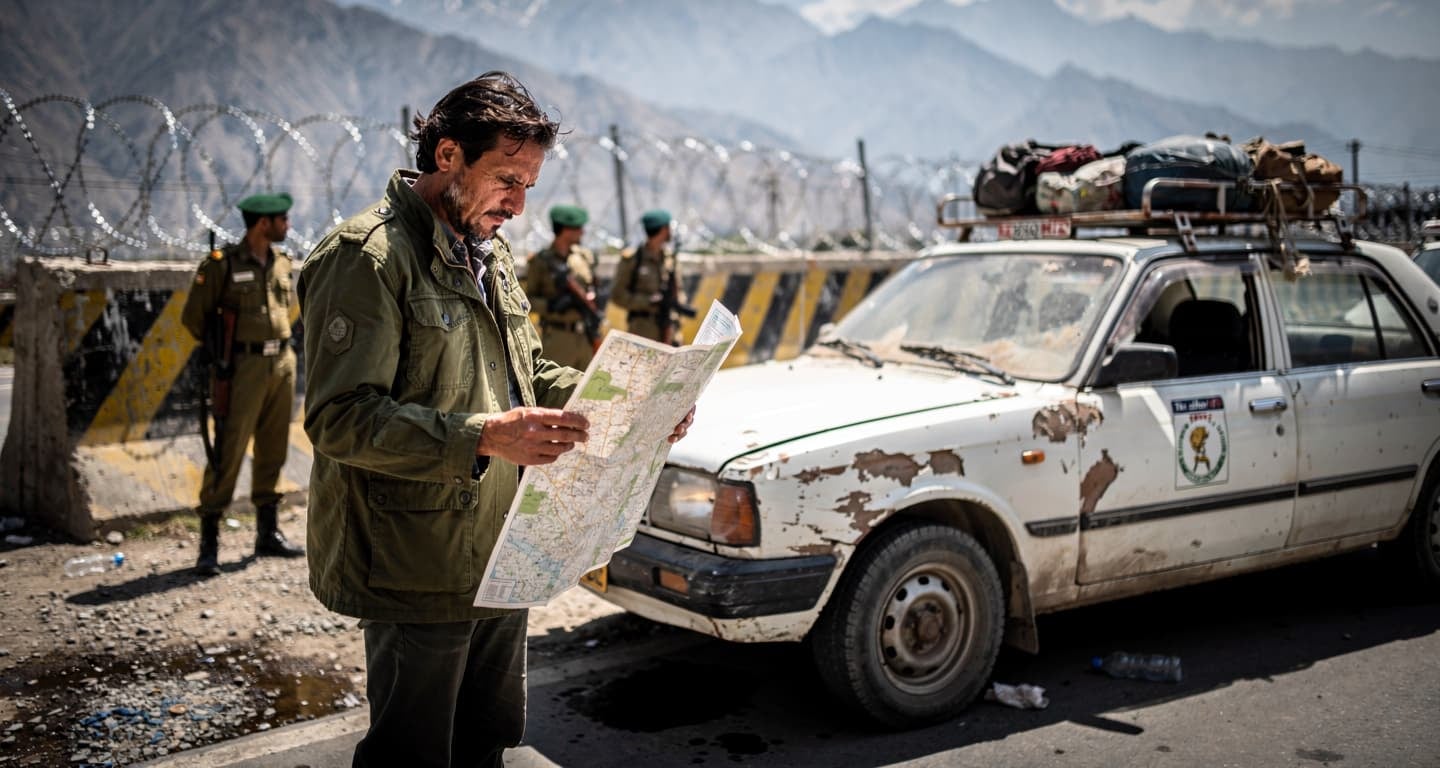
What changed is the explicit acknowledgment that regional escalation could disrupt travel without warning — flights diverted, routes altered, checkpoints appearing on main roads. The FCDO also notes that sea travel in Gulf waterways carries a curfew between 6:30pm and 4:00am, with vessel inspections near ports.
On terrorism: the FCDO assesses attacks as likely in Bahrain, targeting public venues like hotels, shopping malls, oil facilities, and aviation infrastructure. No successful attack has occurred in Bahrain in several years, but the threat assessment hasn’t softened.
Flight deals
most people never see
Our AI monitors 150+ airlines for pricing anomalies that traditional search engines miss. Air Traveler Club members save $650 per trip per person on average: see how it works.
Each deal saves 40–80% vs. regular fares:

Why this matters beyond the UK
Non-UK travelers should pay attention. Many travel insurance policies — including those sold in the EU, Canada, and Australia — reference FCDO advisory levels when determining coverage validity. A policy that covers Bahrain at standard caution levels may exclude claims once a heightened regional tension warning is in place, depending on how the insurer defines “government advisory.”
The alignment across advisory systems is notable. US State Department rates Bahrain at Level 2 (“exercise increased caution”) due to terrorism. Australia’s Smartraveller rates it “exercise a high degree of caution.” Canada mirrors that language with a terrorism focus. The consensus across all four governments: vigilance, not avoidance.
That consensus matters because it signals this is a calibrated, intelligence-driven assessment — not a reactive political statement. None of these governments are telling their citizens to leave or cancel. They are telling travelers to plan as if disruption is possible.
For EU travelers specifically: your insurer may use FCDO levels as a benchmark even if you hold a non-UK passport. Check your policy wording before departure, not after an incident.
What to do before you fly
- Audit your travel insurance now. Call your provider and ask directly: does a UK FCDO “heightened regional tension” warning affect my coverage for Bahrain? Get the answer in writing. If coverage is voided, add a terrorism and evacuation rider before departure — providers like Allianz and AXA offer these as add-ons.
- Register with your embassy. UK travelers use the FCDO’s LOCATE service at gov.uk. US citizens use the Smart Traveler Enrollment Program (STEP) at travel.state.gov. Australians register via Smartraveller. This is how governments reach you if evacuation becomes necessary.
- Set up FCDO email alerts for Bahrain at gov.uk/foreign-travel-advice/bahrain — updates arrive within hours of any advisory change. Cross-reference with your own government’s advisory if you’re not a UK national.
- In-country: stick to main daylight routes, use reputable transport (the B-Taxi app is the standard recommendation), and avoid any political demonstrations regardless of how minor they appear.
Questions? Answers.
Has Bahrain’s overall FCDO advisory level actually gone up?
No. The core designation — “high degree of caution” — has not changed. What’s new is an additional warning layer about regional tension risk, added to a “Warnings and insurance” section that now covers 16 countries simultaneously. Bahrain has not been moved into “advise against all but essential travel,” which would represent a genuine escalation. This update is best understood as the FCDO formalizing a risk that was already present, not announcing a new threat.
Will flights to Bahrain be disrupted?
Not immediately. The FCDO’s concern is potential escalation — the kind of regional event that could trigger flight diversions, airspace closures, or sudden route changes without prior notice. Current operations are normal. The risk is contingency, not imminent disruption. That said, travelers should know their airline’s rebooking policy and confirm whether their ticket allows changes if a Level 3 or Level 4 advisory is issued after booking.
Does this affect travelers who aren’t British?
Yes, indirectly. Many travel insurance policies sold in the EU, Canada, Australia, and New Zealand reference FCDO advisory levels in their terms — even for non-UK policyholders. If your insurer uses FCDO language as a benchmark, a heightened tension warning could affect claim eligibility. US and Canadian passport holders should also check whether their insurer references State Department levels, FCDO levels, or both. The safest move is to call your insurer directly and confirm coverage status before departure.
Should I cancel my Bahrain trip?
No government advisory currently recommends cancellation. The FCDO, US State Department, Australian Smartraveller, and Canadian advisory all maintain “exercise caution” language — not “do not travel.” The practical advice is to go prepared: verified insurance coverage, embassy registration, and a clear plan if the situation deteriorates. Travelers who are uncomfortable with any residual uncertainty should check their cancellation policy and travel insurance terms before making a decision.