Quick summary
Australia’s Smartraveller maintains a Level 2 advisory for India as of March 10, 2026, citing terrorism threats, crime, and civil unrest. Border regions including Jammu and Kashmir carry Level 3 and Level 4 warnings due to armed conflict and kidnapping risks. Major tourist hubs like Delhi and Mumbai remain at Level 2, but travelers must verify specific destinations using Smartraveller’s interactive map before booking.
Level 4 zones void most travel insurance policies. The advisory applies to all Australian travelers, including dual nationals, though consular assistance is limited for those holding Indian passports.
Australia’s Department of Foreign Affairs and Trade updated its India travel advisory on March 10, 2026, maintaining the country’s Level 2 status — “Exercise a high degree of caution.” The designation reflects ongoing risks from terrorism, crime, and civil unrest across the subcontinent, with higher warnings applied to border areas where armed conflict remains active.
For Australian travelers planning trips to Delhi, Mumbai, Goa, or Rajasthan, the Level 2 rating means standard travel insurance remains valid and flights operate without government-imposed restrictions. Qantas and partner carriers continue daily services to major Indian cities.
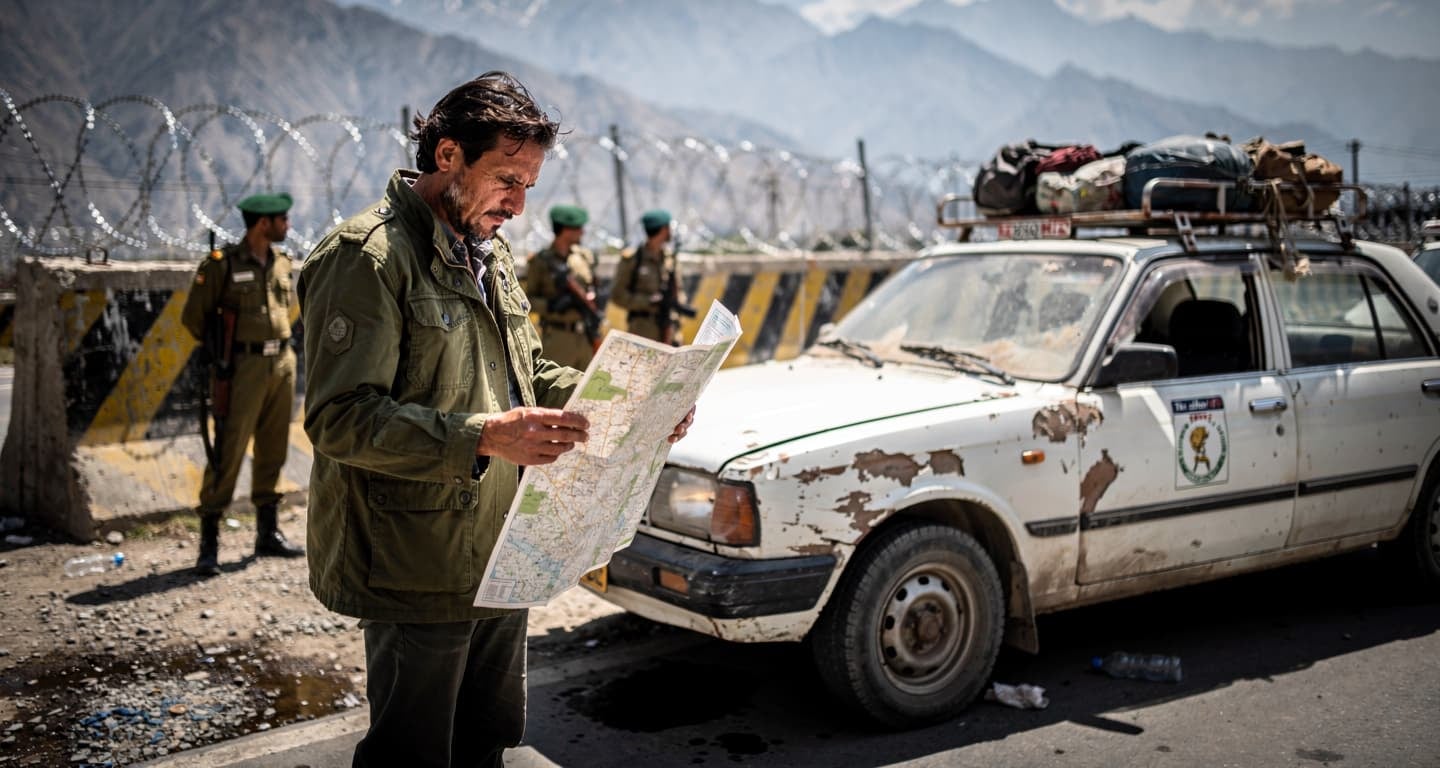
The advisory becomes critical for itineraries touching Jammu and Kashmir, Manipur, or northeastern states, where Level 3 (“Reconsider your need to travel”) and Level 4 (“Do not travel”) warnings apply. These zones include areas near the Pakistan and China borders, where separatist activity and military operations create genuine risk.
What the advisory covers
The Smartraveller India advisory identifies three primary threat categories: terrorism targeting crowded public spaces, crime including scams and sexual assault in tourist areas, and civil unrest that can escalate during elections or religious events. A 2025 bombing in Delhi killed 12 people, underscoring the terrorism risk in urban centers.
Level 4 zones — where Australians are advised not to travel — include the entire state of Jammu and Kashmir except eastern Ladakh, and Arunachal Pradesh near the China border. Level 3 applies to Manipur and parts of Assam, Meghalaya, and Nagaland due to separatist insurgencies.
Crime risks concentrate at transport hubs. Pickpocketing is common at Delhi and Goa airports, on trains, and in markets. Drink spiking and sexual assault target solo travelers in tourist districts. Smartraveller recommends using ride-hailing apps like Uber rather than street taxis in major cities.
| Region | Advisory level | Primary risk |
|---|---|---|
| Delhi, Mumbai, Goa | Level 2 | Terrorism, crime |
| Jammu & Kashmir (except Ladakh) | Level 4 | Armed conflict |
| Manipur, parts of Assam | Level 3 | Separatist activity |
| Arunachal Pradesh | Level 4 | Border tensions |
| Eastern Ladakh (Leh) | Level 2 | Standard caution |
Emergency contact numbers in India: Police 100 or 112, Fire 101, Ambulance 102 or 108. The Australian High Commission in Delhi operates a 24-hour consular line at +91 11 4139 9900.
Flight deals
most people never see
Our AI monitors 150+ airlines for pricing anomalies that traditional search engines miss. Air Traveler Club members save $650 per trip per person on average: see how it works.
Each deal saves 40–80% vs. regular fares:

How this compares globally
Australia’s Level 2 for India aligns with the US State Department’s “Exercise Increased Caution” and Canada’s equivalent rating. The UK Foreign Office applies a similar baseline but uses “Advise Against All But Essential Travel” for Kashmir and northeastern states, matching Australia’s Level 3/4 zones.
This consistency matters for insurance. Australian policies from major providers like Cover-More and Travel Insurance Direct honor Level 2 advisories without premium surcharges, but exclude claims arising from travel to Level 4 zones. Entering a Level 4 area voids coverage entirely, even if the incident occurs elsewhere in India.
Premiums for India itineraries typically run 15-20% higher than for Southeast Asian destinations at Level 1, reflecting the elevated baseline risk. Adding a “high-risk” rider to cover Level 3 areas increases premiums by another 20-30%, and most insurers refuse Level 4 coverage outright.
For context, Smartraveller rates Sri Lanka and Thailand at Level 2 overall with localized higher warnings, while the Maldives sits at Level 1 for resort areas. Travelers seeking lower-risk alternatives in South Asia have limited options — Nepal carries Level 2 due to natural disaster risk, and Pakistan holds Level 4 across most regions.
Steps to take before departure
The Level 2 advisory requires active precautions but does not prohibit travel to major Indian cities.
- Verify zone status: Use Smartraveller’s interactive map to confirm every destination on your itinerary sits within Level 2 boundaries. A single night in a Level 3 or Level 4 area voids insurance coverage.
- Register travel plans: Create a Smartraveller account and log your itinerary to receive real-time alerts if the advisory escalates. The system sends SMS notifications for security incidents in registered locations.
- Download offline resources: Install the Smartraveller app and save embassy contact details before departure. Mobile networks in rural India are unreliable, and consular numbers must be accessible without internet.
- Confirm insurance coverage: Contact your insurer to verify that your policy honors Level 2 advisories without exclusions. Request written confirmation that terrorism and civil unrest are covered events.
- Avoid demonstrations: Protests in India can turn violent without warning, particularly around elections or religious festivals. Cross the street if you encounter a gathering, even if it appears peaceful.
Watch: Smartraveller updates advisories dynamically — check the India page weekly during your trip for changes to zone classifications or new security incidents.

Questions? Answers.
Does the Level 2 advisory affect flight operations from Australia to India?
Qantas, Singapore Airlines, and partner carriers operate daily services to Delhi, Mumbai, and Bangalore without government-imposed restrictions. The advisory does not trigger flight cancellations, though delays can occur during civil unrest near airports. Airlines monitor Smartraveller advisories but do not automatically suspend routes unless the advisory reaches Level 4 for the entire country.
How does the advisory affect Australian dual nationals holding Indian passports?
Smartraveller advisories apply to all Australian citizens regardless of dual nationality, but consular assistance is limited for those traveling on Indian passports. India does not recognize dual citizenship — if you enter on an Indian passport, Australian officials treat you as an Indian national and cannot provide the same level of support as they would for passport-only Australians.
Are transit passengers in Delhi or Mumbai subject to the Level 2 advisory?
Yes. The Level 2 rating applies to all Australian travelers in India, including those on airport layovers. While transit passengers remain in secure terminal zones, the advisory’s terrorism risk assessment covers airports as potential targets. Travel insurance policies consider you “in India” from the moment you clear immigration, even for a 6-hour connection.
What happens if the advisory escalates to Level 3 while I’m already in India?
Smartraveller sends SMS and email alerts to registered travelers when advisories change. If your location escalates to Level 3, your insurance remains valid for the duration of your trip, but you must follow DFAT’s updated guidance. If a zone reaches Level 4, insurers may deny claims for incidents occurring after the escalation, and DFAT may advise immediate departure.