Quick summary
Australia’s Smartraveller has elevated Bahrain to “Do Not Travel” status as of February 28, 2026, citing regional armed conflict and airspace closure. Australians currently in Bahrain are urged to leave immediately if safe transport becomes available, while those with upcoming bookings via Gulf hubs face cascading flight disruptions exceeding 24 hours on routes to Asia-Pacific.
The advisory applies to all Bahrain travel, including airport-only transit. US and EU governments maintain lower-level warnings, creating insurance coverage gaps for Australian passport holders whose policies typically void claims under home-government “do not travel” advisories.
Australia issued its highest travel warning for Bahrain on February 28, 2026, and reiterated the advisory on March 14 as Middle East tensions escalated. The Department of Foreign Affairs and Trade now classifies Bahrain alongside Iraq, Kuwait, Qatar, and the UAE under “Do Not Travel” — a designation that triggers automatic insurance exclusions for most Australian travelers.
Bahrain’s airspace remains closed to commercial traffic. Qatar Airways and Emirates flights from Sydney via Doha and Dubai report delays exceeding 24 hours, with some passengers rerouted through Istanbul or Singapore. The advisory explicitly covers transit passengers: even a two-hour layover at Bahrain International Airport falls under the ban.
Australians currently in Bahrain should leave via the first available safe route. Those with bookings in the next 90 days involving Gulf hubs need to contact airlines immediately for rerouting options or cancellations. The conflict shows no signs of de-escalation, and consular assistance will be limited if the security situation deteriorates further.
What the advisory covers
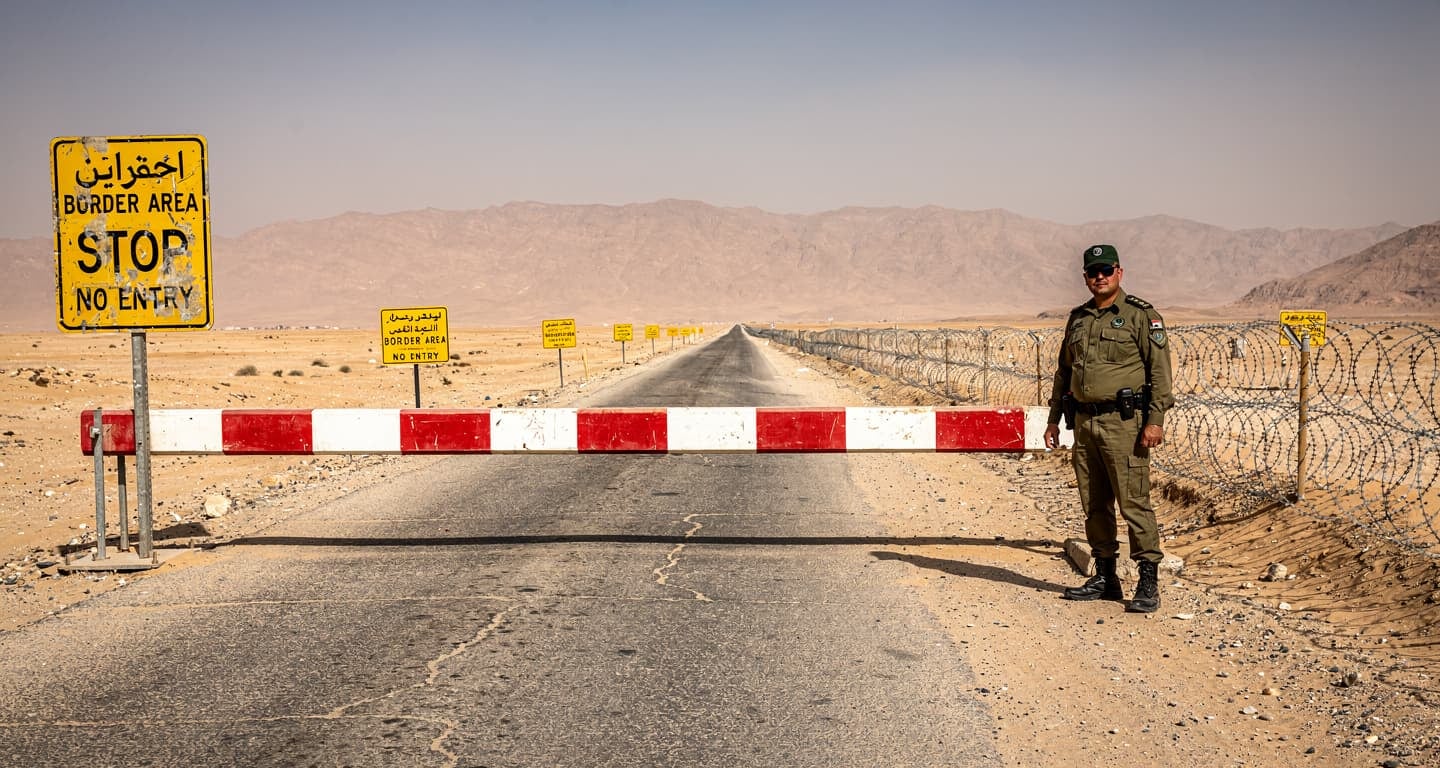
Smartraveller’s Do not travel advisory for Bahrain cites the volatile security situation across the Middle East, including the risk of military strikes, armed conflict, and terrorism. The warning applies to all travel purposes — business, leisure, and transit.
Bahrain’s airspace closure disrupts not just direct flights but also connections through neighboring Gulf states. Qatar Airways flight QR908 from Sydney to Doha and Emirates EK414 from Sydney to Dubai have experienced cascading delays as airlines reroute around restricted zones. Even travelers bound for Southeast Asia via these hubs are caught in the disruption.
The advisory warns that terrorist attacks in Bahrain target tourist sites, transport hubs, markets, shopping malls, and religious or government facilities with little or no warning. Australians in affected areas are urged to shelter in place, monitor local media, and prepare independent communication plans that do not rely on government evacuation.
| Country | Advisory level | Key risk |
|---|---|---|
| Bahrain | Do not travel | Armed conflict, airspace closure |
| Qatar | Do not travel | Regional volatility, military strikes |
| UAE | Do not travel | Terrorism, armed conflict |
| Kuwait | Do not travel | Armed conflict, border tensions |
| Saudi Arabia | Reconsider need to travel | Terrorism, regional instability |
| Oman | Reconsider need to travel | Regional spillover risk |
For travelers with existing bookings, airlines are required to offer rerouting or refunds when the destination falls under a government “do not travel” advisory. Contact your carrier directly — do not wait for automated notifications. Flight options to Bahrain from Australasia are currently suspended, with no resumption date announced.
Flight deals
most people never see
Our AI monitors 150+ airlines for pricing anomalies that traditional search engines miss. Air Traveler Club members save $650 per trip per person on average: see how it works.
Each deal saves 40–80% vs. regular fares:

How Australia’s warning differs from US and EU advisories
Australia’s “Do Not Travel” classification is the highest level in its four-tier system. The United States maintains Bahrain at Level 3 (“Reconsider Travel”), one step below its most severe warning. The UK Foreign Office and New Zealand’s SafeTravel align more closely with Australia, advising against all travel to Bahrain.
This divergence creates insurance complications for multi-national travel groups. Australian travel insurance policies typically exclude claims when the policyholder travels against a “do not travel” advisory from their home government. US citizens with US-issued policies face no such automatic exclusion under a Level 3 warning, though coverage for conflict-related events remains limited.
The practical impact: an Australian passport holder flying Sydney to London via Doha will likely have their trip cancellation claim denied if they proceed with the booking. A US passport holder on the same flight may still have coverage, depending on their policy’s conflict exclusions. Dual citizens should prioritize the policy issued by the country with the lower advisory level.
Airlines are not required to refund tickets when only one government issues a “do not travel” advisory. If you hold an Australian passport and booked through a US-based online travel agency, the carrier may cite the US Level 3 status as grounds to deny a full refund. Document your citizenship and the Smartraveller advisory when requesting cancellation.
Immediate steps for affected travelers
The airspace closure and advisory escalation require immediate action if you have bookings involving Bahrain or Gulf hubs in the next 90 days.
- Contact your airline within 24 hours to request rerouting or a full refund. Qatar Airways, Emirates, and Etihad are offering penalty-free changes for travel through June 30, 2026, but you must initiate the request — automated rebooking may place you on a later Gulf hub connection that still violates the advisory.
- Verify your travel insurance coverage before making any decisions. Call your insurer (Allianz, Cover-More, or equivalent) and ask explicitly whether the policy covers trip cancellation under a “do not travel” advisory. If the answer is no, document the conversation and request a written confirmation.
- Reroute via non-Gulf hubs if you must travel to Europe or Africa in the next three months. Turkish Airlines operates daily Sydney-Istanbul service with onward connections to 130+ European cities. Singapore Airlines offers Sydney-Singapore-London with no Middle East airspace exposure.
- Enroll in Smartraveller’s crisis registration system if you are currently in Bahrain or have immediate family there. The system sends SMS alerts when the security situation changes, and it helps consular staff locate Australians if an evacuation becomes necessary.
- Check for schedule changes that invalidate your ticket. Airlines frequently adjust flight times during disruptions, and a time change can invalidate your 13-digit ticket number even if your booking reference remains valid. Confirm your ticket status 72 hours before departure.
Watch: The US State Department’s next advisory update for Bahrain, expected within 30 days. If the US escalates to Level 4 (“Do Not Travel”), insurance exclusions will apply universally across all passport holders, and airlines will begin issuing blanket refunds without requiring individual requests.

Questions? Answers.
Does this advisory affect flights from Australia to Asia via Doha or Dubai?
Yes. Qatar Airways flight QR908 from Sydney to Doha and Emirates EK414 from Sydney to Dubai report cascading delays exceeding 24 hours due to airspace restrictions and crew duty-time violations. Even if your final destination is Singapore or Bangkok, a connection through a Gulf hub falls under the advisory. Book alternatives like Singapore Airlines SQ212 Sydney-Singapore or Turkish Airlines via Istanbul to avoid coverage gaps and delays.
What if I hold dual US-Australian citizenship?
The US maintains Bahrain at Level 3 (“Reconsider Travel”), which permits travel with heightened precautions. However, Australian travel insurance policies will still void claims if you travel against Smartraveller’s “do not travel” advisory. Use a US-issued insurance policy if you proceed with the trip, and carry both passports to demonstrate your eligibility for US consular assistance if needed.
How do I verify whether my airline is still flying through Bahrain’s airspace?
Check the FAA’s NOTAM system at notams.aim.faa.gov or contact your carrier’s operations desk directly. Airspace restrictions change hourly as the conflict evolves. Do not rely on your booking confirmation — airlines may reroute your flight without notification, and the change can invalidate your ticket number even if your booking reference remains active.
Can I get a refund if I booked through a US-based online travel agency?
Airlines are not required to issue refunds when only one government escalates to “do not travel.” If you hold an Australian passport, document the Smartraveller advisory and submit it with your refund request. If the airline denies the claim citing the US Level 3 status, escalate to your credit card issuer for a chargeback under “services not rendered due to government travel ban.”
What happens if the conflict de-escalates before my travel date?
Smartraveller does not publish expiration dates for “do not travel” advisories. The designation remains in effect until the Department of Foreign Affairs and Trade issues a formal downgrade. Monitor the Bahrain advisory page weekly if your travel date is more than 60 days out. Airlines will not automatically reinstate canceled bookings if the advisory level drops — you must rebook manually.