Quick summary
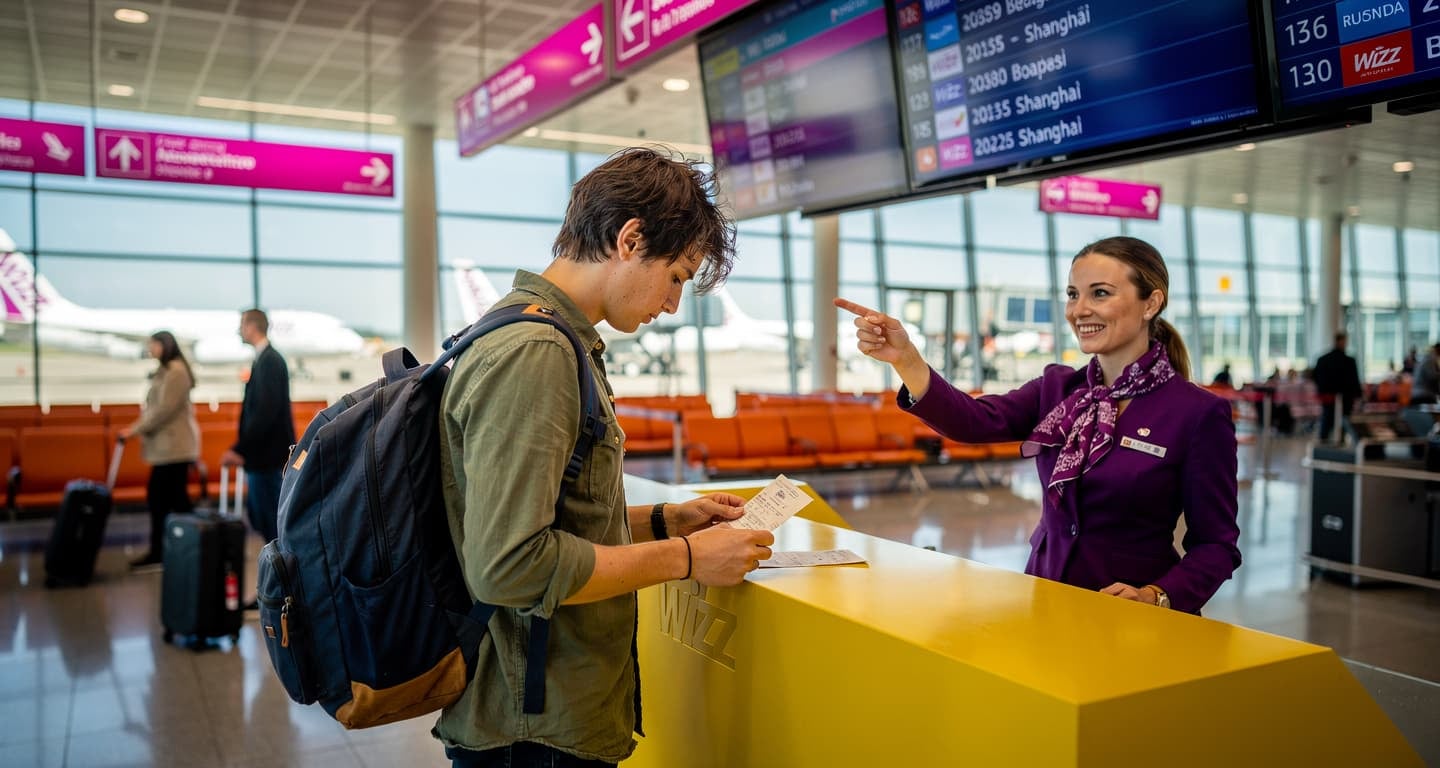
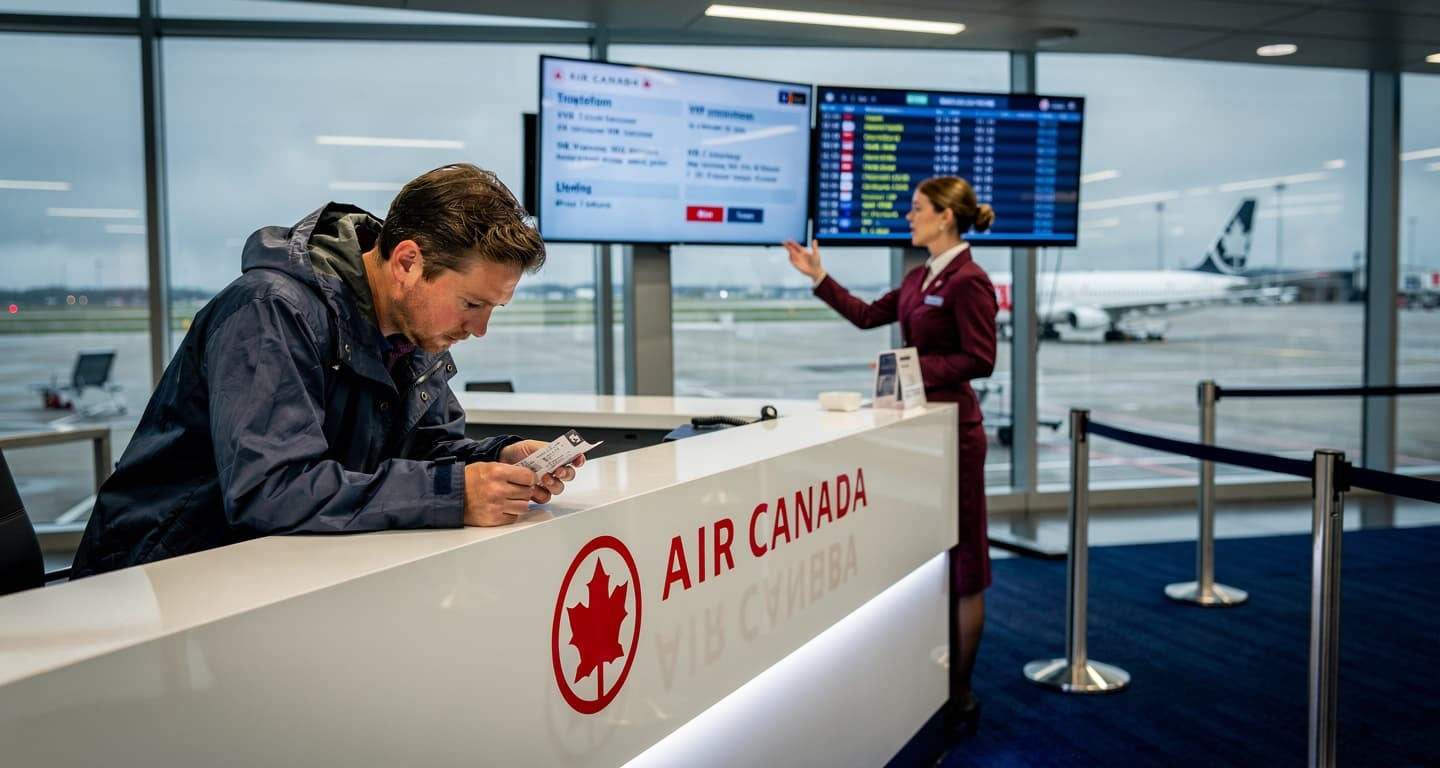
Cascading flight disruptions across Indonesia, Malaysia, Taiwan, and Hong Kong have stranded passengers since February 27, 2026, with over 1,400 delays and 93 cancellations logged in the first wave alone. Jakarta Soekarno-Hatta recorded 104 delays and 7 cancellations on the initial day, while Kuala Lumpur International saw 26 cancelled flights through early March. Weather, air traffic control congestion, and staff shortages continue to trigger rebooking queues at major hubs including Jakarta, Bali, Kuala Lumpur, Penang, and Taipei, affecting carriers like Malaysia Airlines, Batik Air, Lion Air, and Garuda Indonesia.
Recovery timelines remain uncertain as hub overload forces airlines to cancel short-haul flights to free slots for long-haul services. Travelers with bookings departing within 72 hours face the highest rebooking risk.
A month-long wave of flight disruptions has left thousands of passengers stranded across Asia-Pacific’s busiest hubs, with no clear end in sight.
The chaos began on February 27, 2026, when weather systems, air traffic control bottlenecks, and crew shortages converged across Indonesia, Malaysia, China, India, and Japan. Jakarta’s Soekarno-Hatta International Airport logged 104 delays and 7 cancellations that day alone, while Kuala Lumpur International Airport reported 470 delays and 7 cancellations for Malaysia Airlines operations through early March.
By March 7, 2026, Kuala Lumpur had recorded 26 cancelled flights — 13 departures and 13 arrivals — as the disruption spread to low-cost and full-service carriers alike. Routes to Bali, Penang, and Taipei bore the brunt, with airlines prioritizing long-haul connections over regional flights when slot capacity tightened.
The pattern mirrors a February 2023 event at Jakarta, when severe weather caused 50+ cancellations over three days and stranded 10,000+ passengers on Lion Air and Garuda Indonesia routes. Recovery took a full week, even with rebooking waivers in place.
What’s causing the cascading failures
The disruptions stem from three simultaneous pressure points: unseasonable weather across Southeast Asia, chronic understaffing at air traffic control centers in Jakarta and Kuala Lumpur, and crew scheduling gaps that leave airlines unable to recover from initial delays.
When a hub like Kuala Lumpur hits capacity, airlines face a choice — cancel a short-haul flight to Penang or risk missing a long-haul departure slot to London. The math favors protecting the widebody service, which strands regional passengers overnight without guaranteed connections.
AirAsia, Malaysia Airlines, Lion Air, and Garuda Indonesia have all axed flights across the affected routes, though no carrier has issued a blanket waiver policy. Air Traveler Club’s tracking of the initial wave shows the disruption spread from Indonesia and Malaysia into China and Japan by early March, with no single weather event to blame — just sustained operational strain.
| Airport | Delays | Cancellations | Primary cause |
|---|---|---|---|
| Jakarta (CGK) | 104 | 7 | Weather + ATC congestion |
| Kuala Lumpur (KUL) | 470 | 26 | ATC congestion + crew shortages |
| Shanghai (SHA) | Data pending | Data pending | Weather + airspace coordination |
| Tokyo Narita (NRT) | Data pending | Data pending | Cascading delays from regional hubs |
Flight deals
most people never see
Our AI monitors 150+ airlines for pricing anomalies that traditional search engines miss. Air Traveler Club members save $650 per trip per person on average: see how it works.
Each deal saves 40–80% vs. regular fares:

How this differs from a typical weather delay
A single-day weather event clears within 24 hours as airlines reposition aircraft and crews. This disruption has persisted for 29 days because the underlying causes — ATC capacity limits and crew availability — cannot be fixed quickly.
When Jakarta’s air traffic control center operates at maximum capacity, it doesn’t matter if the weather improves. The backlog remains. Airlines must wait for slots to open, which pushes delays into the next day, which creates new crew timeout issues, which forces more cancellations.
The Civil Aviation Administration of China and Japan Civil Aviation Bureau are expected to issue a joint statement on airspace coordination by end of March 2026. If that happens, cascading delays at Shanghai, Tokyo Narita, and Kuala Lumpur should ease for April travel. If the statement is delayed, expect prolonged disruptions through peak season.
Rebooking options and passenger rights
Airlines are required to rebook passengers on the next available flight when cancellations occur, but “next available” can mean 48–72 hours during hub overload. Malaysia Airlines and Garuda Indonesia have provided hotel vouchers and meal allowances for overnight delays, though policies vary by carrier and fare class.
Compensation depends on departure region and cause. EU and UK passengers departing from European airports qualify for €250–€600 under EU261 and UK261 regulations if the airline is at fault — but weather and ATC issues typically exempt carriers. US and Canadian passengers are entitled to refunds for cancellations but not compensation. Australian and New Zealand travelers can claim refunds under consumer law, though “extraordinary circumstances” clauses often apply.
The key distinction: if your flight is cancelled due to crew shortages (an airline-controlled issue), you have stronger grounds for compensation. If it’s cancelled due to ATC congestion or weather (outside airline control), expect care but not cash.
What to do if you have a booking
Hub overload at Jakarta and Kuala Lumpur means rebooking queues stretch into the hundreds — here is the priority order for protecting your trip.
- Check flight status now: Use your airline’s app or website — Malaysia Airlines flight status updates every 30 minutes during disruptions. Do not wait for an email notification.
- Call within 2 hours of a cancellation notice: Phone lines jam quickly. Malaysia Airlines: +60 3 7843 3000. Garuda Indonesia: +62 21 2351 9999. AirAsia: use the chatbot first, then escalate to phone if rebooking fails.
- Request alternative routing through Singapore: Singapore Airlines operates 7x weekly to Jakarta on 787s and maintains higher on-time performance. Ask your carrier to rebook via Changi if Kuala Lumpur connections are affected.
- Avoid separate-ticket bookings: If you miss a connection on a split itinerary (e.g., Sydney–Kuala Lumpur on one ticket, Kuala Lumpur–Phnom Penh on another), you lose the second ticket entirely. AirAsia’s Fly-Thru protection is mandatory for budget connections through Kuala Lumpur.
- Document everything: Save boarding passes, rebooking confirmations, and receipts for meals or hotels. If you’re EU/UK-based and the delay exceeds 3 hours, file a claim within 6 years of the flight date.
Watch: The Civil Aviation Administration of China and Japan Civil Aviation Bureau joint statement on airspace coordination, expected by end of March 2026 — if issued, it signals reduced cascading delays for April travel.

Questions? Answers.
Are airlines required to provide hotels during multi-day delays?
EU and UK regulations require care (meals, accommodation, transport) for delays over 3 hours when the airline is at fault. Weather and ATC issues exempt carriers, but many provide hotels as a goodwill gesture. US and Canadian passengers have no legal right to hotels for weather delays. Australian and New Zealand travelers can claim under consumer law if the delay is airline-caused.
What happens if I miss my long-haul connection due to a regional delay?
If both flights are on the same ticket, the airline must rebook you at no cost — though “next available” can mean 48–72 hours during hub overload. If you booked separate tickets, you lose the second flight entirely and must purchase a new ticket. This is why AirAsia’s Fly-Thru protection is critical for budget connections.
Should I cancel my trip and rebook later?
Only if your departure is within 72 hours and your route touches Jakarta, Kuala Lumpur, or Taipei. Cancellation policies vary — most airlines allow free changes if they’ve already cancelled your flight, but voluntary cancellations may incur fees. Check your fare rules before acting. If you’re traveling in April or later, monitor the Civil Aviation Administration of China statement expected end of March 2026.