Quick summary
Severe weather and air traffic control failures across Asia have grounded or delayed thousands of travelers at Tokyo, Shanghai, New Delhi, Islamabad, Doha, and Jakarta airports as of April 3, 2026. Reports vary, but confirmed disruptions include at least 283 cancellations and 3,972 delays affecting ANA Wings, China Eastern, IndiGo, Batik Air, Etihad, Qatar Airways, and Korean Air. Passengers with bookings on these carriers face missed connections, multi-day rebooking waits, and stranding at hub airports with limited hotel voucher availability.
Conflicting tallies from regional aviation trackers suggest the true scale may exceed 400 cancellations and 5,000 delays — no single aviation authority has issued a consolidated count. The disruption window extends through April 6, with normalization dependent on weather clearance and ATC capacity restoration across six countries.
A cascade of severe weather systems and air traffic control bottlenecks shut down critical Asia-Pacific flight corridors on April 3, stranding thousands of passengers across Japan, China, India, Pakistan, Qatar, and Indonesia.
IndiGo alone canceled dozens of domestic and regional flights at New Delhi’s Indira Gandhi International, while China Eastern grounded Shanghai Pudong departures for over six hours. ANA Wings suspended regional services from Tokyo Haneda, and Batik Air halted Jakarta operations mid-afternoon local time.
Travelers holding tickets on these carriers — or connecting through Tokyo, Shanghai, Doha, or Jakarta — face immediate rebooking requirements. Airlines are offering free changes within 24 hours, but available seats are scarce on alternative routings through the weekend.
The disruption affects all three major departure regions: North American travelers lose one-stop Asia connections through Tokyo and Doha, Europeans face 12+ hour delays on Middle East hub routings, and Australasian passengers see intra-Asia feeder flights collapse. Within Asia, domestic travelers at New Delhi, Jakarta, and Islamabad airports report no transit options and multi-day hotel waits.
Scale of the disruption remains unclear
Multiple aviation tracking sources report conflicting figures. One tally shows 283 cancellations and 3,972 delays across China, Japan, Indonesia, South Korea, and the UAE. Another cites 388 cancellations and 5,245 delays hitting China, Japan, Thailand, Qatar, and the UAE. A third report documents 195 cancellations and 2,660 delays in a single 24-hour window at Tokyo and Jakarta alone.
No civil aviation authority — not China’s CAAC, India’s DGCA, or Japan’s JCAB — has issued a consolidated disruption report. The lack of a single authoritative source reflects the multi-country nature of the event and the absence of a regional coordination mechanism for real-time flight data.
What is confirmed: severe weather and air traffic control capacity issues caused the groundings, and the affected airports serve as critical connection points for long-haul Asia-Pacific travel. Tokyo Haneda processes over 90 million passengers annually. Shanghai Pudong handles 76 million. New Delhi’s IGI moves 70 million. When these hubs go dark simultaneously, the ripple effect is immediate and global.
| Hub airport | Cancellations | Delays | Primary cause |
|---|---|---|---|
| Tokyo (HND/NRT) | Data pending | 800+ | Severe weather |
| Shanghai (PVG) | Data pending | 1,200+ | ATC capacity |
| New Delhi (DEL) | 50+ | 900+ | Weather + ATC |
| Doha (DOH) | Data pending | 600+ | Regional weather |
| Jakarta (CGK) | 40+ | 700+ | Severe weather |
Flight deals
most people never see
Our AI monitors 150+ airlines for pricing anomalies that traditional search engines miss. Air Traveler Club members save $650 per trip per person on average: see how it works.
Each deal saves 40–80% vs. regular fares:

How the disruption spreads across regions
The six affected hubs function as critical connection points for travelers from North America, Europe, and Australasia — meaning a ground stop in Tokyo or Doha doesn’t just strand local passengers. It severs the one-stop routings that make Asia-Pacific travel viable for long-haul travelers.
For North American travelers, Tokyo and Doha serve as primary connection points for onward Asia travel. A Los Angeles–Tokyo–Sydney routing collapses when Tokyo Haneda suspends operations. United and American Airlines codeshare flights through these hubs — delays cascade backward to US departure airports, creating missed connections in San Francisco and Dallas. The alternative: rebook via Seoul Incheon on Korean Air or Manila on Philippine Airlines, assuming seat availability.
European travelers face similar bottlenecks. London–Doha–New Delhi routings on Qatar Airways and Etihad account for a significant share of Europe-to-India traffic. When Doha and New Delhi both experience disruptions, the entire Middle East hub model breaks. The workaround: shift to Turkish Airlines via Istanbul, which remained operational throughout April 3, or accept a 12+ hour delay waiting for Doha slots to reopen.
Australasian travelers see the collapse of intra-Asia feeder flights. Perth–Doha–Jakarta routings on Etihad and Batik Air serve as the primary link between Western Australia and Indonesia. With both Doha and Jakarta disrupted, no viable same-day alternative exists. Qantas direct flights to Singapore remain the only reliable option, but those seats sold out within hours of the disruption becoming public.
What to do if your flight is affected
The disruption window extends through April 6 — airlines are prioritizing long-haul international flights for the first available slots, meaning regional and domestic services will resume last.
- Check your flight status now: Use the airline app or website — do not rely on email notifications, which lag by 2–6 hours. China Eastern: ceair.com. IndiGo: goindigo.in. ANA: ana.co.jp.
- Call the airline within 24 hours: Free rebooking windows close fast. If the hotline wait exceeds 60 minutes, use the airline’s social media direct message function — response times average 15–30 minutes for urgent rebooking requests.
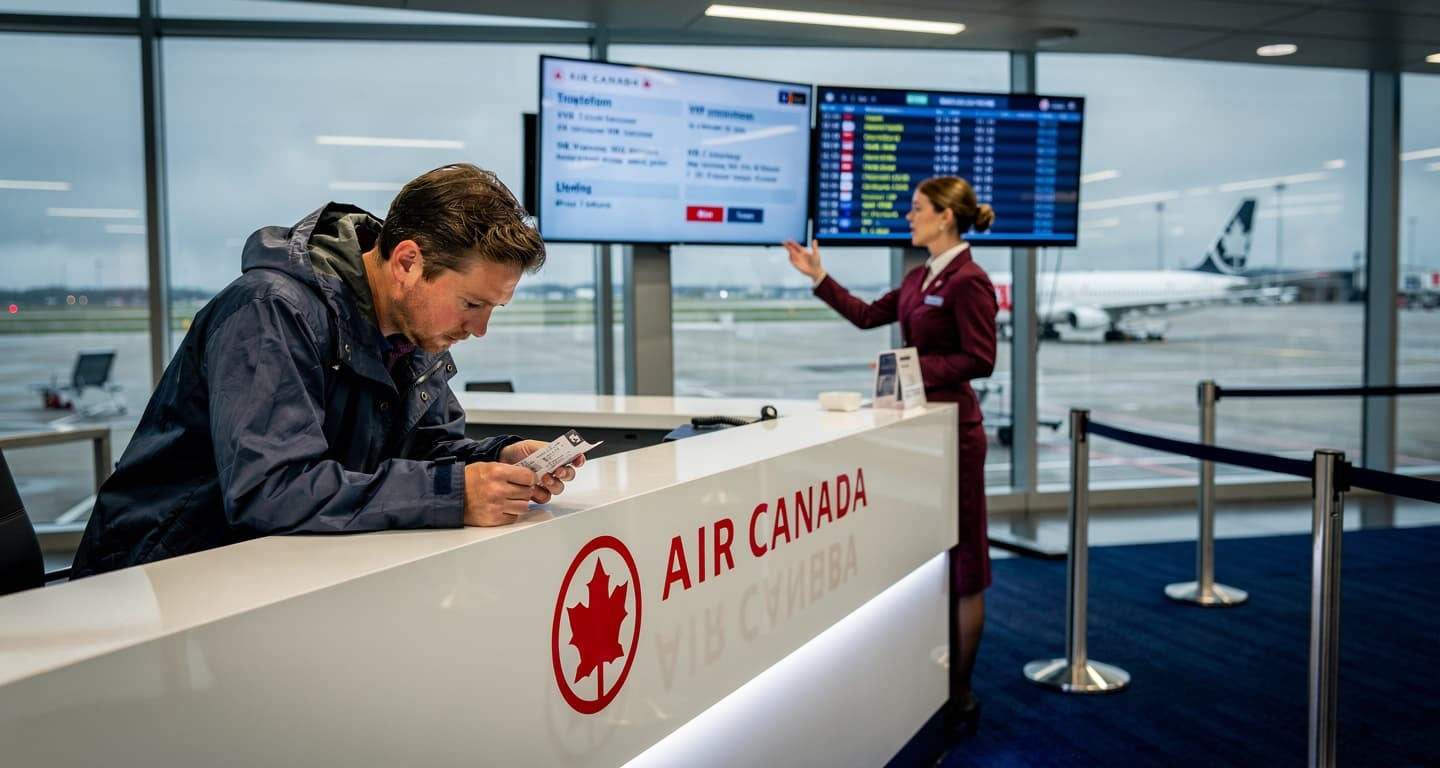
- Request meal and hotel vouchers at the airport: Airlines are required to provide care under most jurisdictions, but you must ask. Do not leave the airport without written confirmation of your rebooking and voucher entitlement.
- Reroute via unaffected hubs: Bangkok Suvarnabhumi, Singapore Changi, and Seoul Incheon all operated at full capacity on April 3. Thai Airways, Singapore Airlines, and Korean Air have seat availability on April 4–5 departures.
- Know your passenger rights: EU/UK travelers departing from European airports are entitled to compensation under EU261 for delays exceeding three hours — unless the airline can prove extraordinary circumstances. US and Canadian travelers are entitled to refunds for cancellations, but not compensation. Australian and New Zealand travelers can claim refunds and alternative transport under consumer law.
Watch: Civil aviation authority updates from China’s CAAC, India’s DGCA, and Japan’s JCAB — expected within 48 hours — will signal whether hub operations normalize by April 6 or extend into the following week.

Questions? Answers.
Which airlines are offering free rebooking for affected flights?
ANA Wings, China Eastern, IndiGo, Batik Air, Etihad, and Qatar Airways have all confirmed free rebooking within 24 hours of the disruption. Contact the airline directly via phone or app — do not wait for an email notification, which may arrive too late to secure alternative seats.
Am I entitled to compensation for the delay or cancellation?
It depends on your departure region and the cause of the disruption. EU/UK travelers departing from European airports may qualify for €250–600 compensation under EU261 if the delay exceeds three hours and the airline cannot prove extraordinary circumstances. US, Canadian, Australian, and New Zealand travelers are entitled to refunds for cancellations, but not automatic compensation. Check your booking terms and contact the airline to file a claim.
What should I do if I’m stuck at the airport with no hotel voucher?
Request a hotel voucher at the airline desk immediately — airlines are required to provide care under most jurisdictions, but you must ask. If the airline refuses, document the refusal in writing and keep all receipts for meals and accommodation. You can file a claim for reimbursement after the fact, though success rates vary by jurisdiction and airline policy.
How long will the disruption last?
The disruption window extends through April 6, 2026, with normalization dependent on weather clearance and air traffic control capacity restoration. Airlines are prioritizing long-haul international flights for the first available slots — regional and domestic services will resume last. Monitor civil aviation authority updates from China’s CAAC, India’s DGCA, and Japan’s JCAB for official resumption timelines.