Quick summary
Thousands of passengers are stranded across Asia today as 2,880 flights face delays and 139 flights are cancelled at major hubs in Thailand, Japan, Singapore, Malaysia, China, and Indonesia. AirAsia, Batik Air, ANA, Japan Airlines, and China Eastern are among the carriers affected, with Bangkok’s Suvarnabhumi Airport reporting 8 cancellations and widespread delays driven by airspace restrictions, operational backlogs, and severe thunderstorms across Southeast Asia.
The disruption follows similar chaos in mid-March when 886 cancellations and 3,386 delays left passengers stranded for days. Rebooking availability is extremely limited — travelers with bookings through Bangkok, Kuala Lumpur, Singapore, or Tokyo Narita in the next 48 hours must check flight status immediately and prepare for extended groundings.
A cascading operational crisis has trapped thousands of travelers at Asia-Pacific’s busiest airports today, with flight disruptions spreading across six countries and affecting connections to Europe, Australia, and North America.
Suvarnabhumi Airport in Bangkok is the epicenter, where 8 cancellations represent just 1% of scheduled flights but trigger ripple effects across the region’s hub-and-spoke network.
The immediate cause is a combination of airspace restrictions linked to Middle East tensions, severe monsoon thunderstorms across Southeast Asia, and operational inefficiencies at congested hubs. Airlines including Thai Airways, AirAsia, and Singapore Airlines are scrambling to reroute aircraft, but limited spare capacity means passengers face waits of 24–72 hours for rebooking.
Similar disruptions are unfolding at Phuket, Shanghai Pudong, Kuala Lumpur, and Tokyo Narita — all critical connection points for long-haul travelers.
What’s causing the multi-country meltdown
The disruption stems from three converging factors that overwhelmed Asia’s aviation infrastructure today. Airspace restrictions related to ongoing Middle East conflict have forced airlines to reroute flights around affected zones, creating backlogs at Asian hubs that normally handle overflow traffic. Bangkok alone saw more than 400 flights affected during a similar event in mid-March, stranding tens of thousands of passengers for days.
Severe weather compounds the problem. Monsoon thunderstorms across Thailand, Malaysia, and Indonesia have closed runways intermittently throughout the day, while operational inefficiencies at congested airports like Suvarnabhumi and Kuala Lumpur have left airlines unable to recover schedules.
Budget carriers like AirAsia and Batik Air are disproportionately affected because they operate point-to-point networks with minimal spare aircraft. When one flight cancels, the knock-on effect cascades through the day’s schedule. Full-service carriers like ANA and Japan Airlines have more flexibility to swap aircraft, but even they’re struggling with the volume of disruptions.
| Airport/Hub | Delays | Cancellations | Key cause |
|---|---|---|---|
| Bangkok (BKK) | Data pending | 8 | Airspace restrictions, thunderstorms |
| Kuala Lumpur (KUL) | Data pending | Data pending | Operational backlogs, weather |
| Singapore (SIN) | Data pending | Data pending | Ripple effects from regional delays |
| Tokyo Narita (NRT) | Data pending | Data pending | Rerouted Middle East traffic |
| Shanghai Pudong (PVG) | Data pending | Data pending | Airspace congestion |
Flight deals
most people never see
Our AI monitors 150+ airlines for pricing anomalies that traditional search engines miss. Air Traveler Club members save $650 per trip per person on average: see how it works.
Each deal saves 40–80% vs. regular fares:

How this compares to March’s chaos
Today’s disruption mirrors a similar event on March 12–14, 2026, when 886 cancellations and 3,386 delays paralyzed Bangkok, Phuket, and Shanghai. That crisis took three weeks to fully clear, with passengers reporting waits of 5–7 days for rebooking on popular routes to Europe and Australia.
The Thai government offered limited visa extensions for stranded travelers, but few qualified because the policy required proof of a cancelled onward flight — which excluded passengers whose flights were merely delayed. Hotels near Suvarnabhumi sold out within hours, forcing some travelers to sleep in the terminal.
The March event also revealed a critical gap in passenger protections. EU261 compensation rules apply to flights departing Europe, but travelers stranded in Asia on return legs have no automatic right to cash compensation — only rebooking or refunds, which airlines processed slowly. For travelers connecting through Bangkok on budget carriers like AirAsia, the lack of through-ticketing meant missed connections resulted in forfeited tickets with zero recourse.
Protect your booking now
Airlines are overwhelmed and rebooking windows are closing fast — these steps must happen in sequence.
- Check flight status immediately: Use the airline’s app or FlightAware, not the airport website. Refresh every 3 hours — cancellations are being announced in waves as the backlog worsens.
- Call the airline’s rebooking hotline: Wait times exceed 2 hours but you need a queue position before tonight’s cancellation wave. For AirAsia, use the live chat function in the app — it’s faster than the phone line.
- Document everything: Screenshot your booking confirmation, flight status updates, and any airline communications. If your flight is cancelled, you’re entitled to a full refund or rebooking at no extra cost — but airlines will try to offer vouchers first.
- Book a backup if stakes are high: If you have a non-refundable hotel or a time-sensitive connection (cruise departure, wedding, visa expiry), book a parallel itinerary on a different carrier now. Cancel the backup within 24 hours if your original flight operates.
- Avoid self-connecting itineraries: If you booked separate tickets to save money, you have zero protection if the first flight is delayed. Airlines will not rebook you onto the second ticket — you’ll forfeit it entirely and buy a new ticket at walk-up rates.
Watch: Thailand’s Civil Aviation Authority typically issues airspace updates at 6 PM local time — if restrictions lift tonight, tomorrow’s schedule may stabilize. If they extend through the weekend, expect 1,000+ additional cancellations by Monday.

Questions? Answers.
Will my airline compensate me for this disruption?
Compensation depends on where your flight departs and the cause of the delay. If you’re departing Europe, EU261 rules entitle you to up to €600 for delays over 3 hours caused by airline fault — but weather and airspace restrictions are exempt. If you’re departing Asia, you’re entitled to rebooking or a refund, but no cash compensation. US and Canadian passengers have no automatic compensation rights for delays, only refunds for cancellations.
What happens if I miss my connection due to these delays?
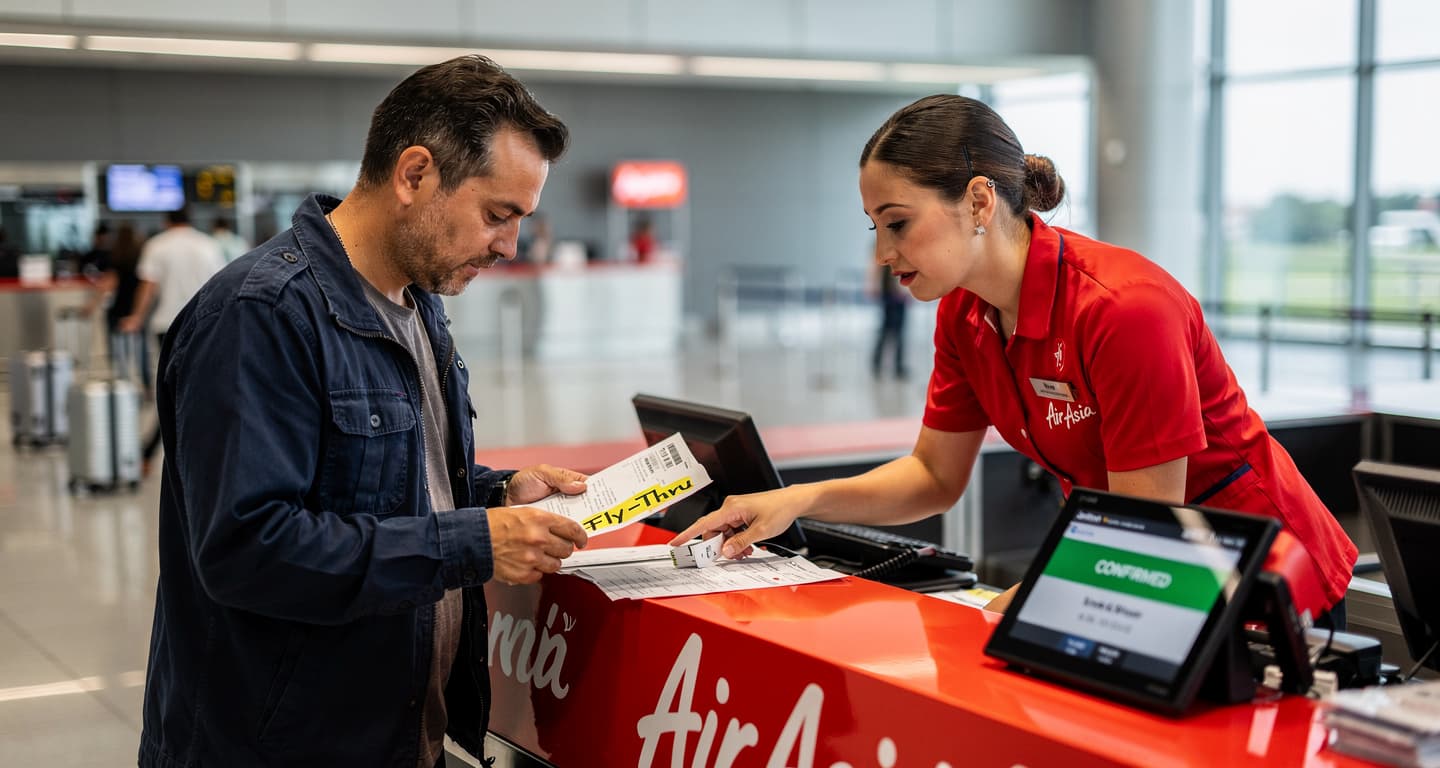
If you booked a single ticket with one airline or partner airlines, they must rebook you at no extra cost — though it may take 24–72 hours to find available seats. If you booked separate tickets (e.g., one airline to Bangkok, another airline onward), you’ve forfeited the second ticket and must buy a new one. Budget carriers like AirAsia offer “Fly-Thru” protection for connections booked as a single itinerary — verify your booking includes this before departure.
Should I cancel my trip and rebook later?
Only if your travel dates are flexible and you can absorb the rebooking cost. Airlines are offering free changes for flights in the next 48 hours, but rebooking fees apply after that window closes. If you cancel now, you’ll receive a voucher (not a refund) unless the airline cancels your flight first. Wait for the airline to cancel — then demand a full refund, not a voucher.
How long will these disruptions last?
The March 2026 event took 3 weeks to fully clear, but the worst delays lasted 5–7 days. If airspace restrictions lift within 24 hours and weather improves, schedules could stabilize by Monday. If restrictions extend through the weekend, expect cascading cancellations into next week as airlines run out of spare aircraft and crew reach duty-time limits.