Quick summary
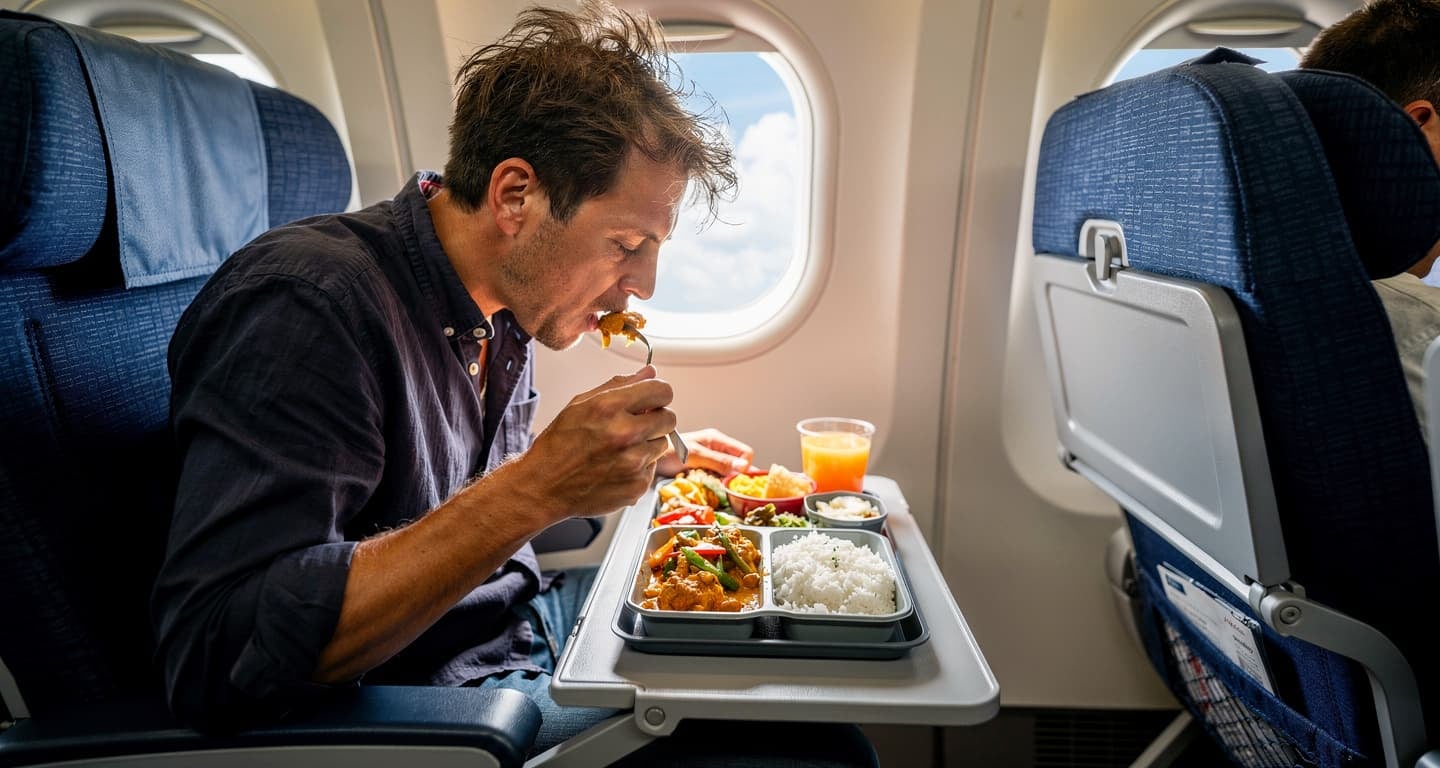
UFC lightweight contender Arman Tsarukyan was removed from American Airlines Flight 513 at Los Angeles (LAX) on April 16, 2026, after attempting to move from his assigned seat to an empty one and subsequently refusing to stay seated during taxiing. The airline cited non-compliance with federal regulations requiring passengers to remain seated during aircraft movement, while Tsarukyan claims the incident began when a flight attendant responded rudely to his seat-change request. Three other passengers in his group of 11 travelers were also removed.
The airline’s zero-tolerance enforcement highlights a rigid interpretation of FAA safety rules — even seemingly minor infractions during taxiing can result in immediate removal. Tsarukyan chartered a private jet to reach Philadelphia for his scheduled fight.
Passenger claims seat-swap denial sparked confrontation
Tsarukyan provided his account at the RAF 08 press conference on April 18, stating he asked to move from seat 29A because the passenger next to him was “a little bit big” and the space felt cramped. When he inquired about relocating to an empty seat, a flight attendant asked for his assigned seat number, then told him to return there.
“I said, ‘Why are you rude?'” Tsarukyan recounted. He then sat in seat 30A, which was unoccupied.
The situation escalated when other members of his group answered phone calls and had tray tables open while the aircraft was taxiing. Tsarukyan said the flight attendant instructed one passenger to close a tray table, which he complied with, but another teammate answered a phone call moments later. American Airlines then returned the aircraft to the gate and removed four passengers from the flight.
The airline’s official statement emphasized safety protocol: “Safety is our top priority and we expect our customers to comply with crew member instructions while on board our aircraft, which include staying seated while the aircraft is taxiing.” The carrier cited refusal to follow federal regulations as the reason for removal.
Why airlines enforce assigned seating during boarding
Post-boarding seat changes create operational complications that airlines strictly prohibit. Weight and balance calculations filed before departure assume passengers occupy assigned seats — unauthorized moves can affect aircraft trim, particularly on smaller jets where passenger distribution matters for takeoff performance.
Beyond safety calculations, allowing mid-boarding swaps invites chaos on full flights where multiple passengers might attempt similar moves, delaying departure and creating enforcement inconsistencies. Flight attendants must verify all passengers are in assigned seats before the aircraft moves, and any deviation requires rechecking manifests against physical positions.
FAA regulations mandate passengers follow all crew instructions during ground movement, including remaining seated with seatbelts fastened. Violations can result in removal, fines up to $37,000, or criminal charges depending on severity. The agency does not distinguish between intentional defiance and misunderstandings — non-compliance is non-compliance.
| Date | Event | Impact |
|---|---|---|
| April 16 | Flight 513 returns to gate, removes 4 passengers | 1–2 hour delay for remaining passengers |
| April 17 | Viral footage shows Tsarukyan recording during removal | Public debate on airline enforcement |
| April 18 | Tsarukyan details seat-swap denial at press conference | Clarifies passenger perspective vs. airline policy |
Flight deals
most people never see
Our AI monitors 150+ airlines for pricing anomalies that traditional search engines miss. Air Traveler Club members save $650 per trip per person on average: see how it works.
Each deal saves 40–80% vs. regular fares:

Competing narratives expose enforcement gray zone
The incident reveals a disconnect between passenger expectations and airline operational reality. Tsarukyan’s account frames the removal as retaliation for questioning a flight attendant’s tone, while American Airlines positions it as enforcement of federal safety rules during taxiing. Both narratives can be simultaneously true — the seat-swap request may have been innocuous, but subsequent non-compliance during aircraft movement triggered mandatory removal under FAA regulations.
Initial reports cited phone use and an unsecured tray table as primary violations, but the airline’s statement emphasized the broader issue: refusal to stay seated during taxiing. This distinction matters because FAA rules treat any standing or movement during ground operations as a safety violation, regardless of the passenger’s intent or the crew’s initial interaction.
Domestic carriers have tightened enforcement since 2024, when the FAA increased maximum fines for passenger interference from $25,000 to $37,000. Airlines now document every non-compliance incident to demonstrate regulatory adherence, creating a zero-tolerance environment where minor infractions escalate quickly. Travelers accustomed to pre-pandemic flexibility — when crew might overlook brief phone use or tray table delays — now face immediate consequences for identical behavior.
What to do
Group travel on American Airlines now requires advance seat coordination to avoid removal risks during boarding and taxiing.
- Verify seat assignments 24 hours before departure using aa.com/manage-trip — request adjacent seats or aisle/window pairs during online check-in when system allows free changes.
- Arrive at gate 45 minutes before boarding to request seat swaps with gate agents, who can reassign without weight/balance recalculations — post-boarding moves are prohibited.
- Remain seated with devices stowed during taxi — FAA rules apply from pushback until gate arrival, and crew must report all violations regardless of context.
- Consider Southwest for group flexibility — open seating allows post-boarding adjustments without crew approval, eliminating assigned-seat conflicts on LAX-PHL and similar routes.
- Review passenger rights at transportation.gov/airconsumer/fly-rights — voluntary removal for non-compliance carries no compensation, unlike involuntary bumping which qualifies for 200–400% fare refunds on domestic delays exceeding two hours.
Watch: FAA investigation filings for Flight 513 will reveal whether the agency pursues fines against the airline or passengers, potentially impacting American’s 2026 safety compliance ratings.

Questions? Answers.
Can airlines legally prevent passengers from moving to empty seats after boarding?
Yes — FAA regulations require passengers to occupy assigned seats for weight and balance calculations filed before departure. Post-boarding moves violate these calculations and create enforcement complications, giving airlines legal authority to deny seat changes once boarding completes.
What compensation applies when removed for non-compliance with crew instructions?
None — US DOT rules provide no compensation for voluntary removal or safety violations. Involuntary bumping due to overbooking qualifies for 200–400% fare refunds on domestic delays exceeding two hours, but removal for non-compliance is classified as voluntary regardless of passenger intent.
How do other US carriers handle seat-swap requests during boarding?
Delta and United enforce identical assigned-seating policies with zero post-boarding swaps. Southwest’s open seating allows passengers to choose any available seat after boarding, eliminating this conflict entirely — a structural advantage for group travelers on routes like LAX-PHL where Southwest operates 14 weekly frequencies.
What precedent exists for passenger removals over seat disputes?
Recent high-profile cases include a Ryanair passenger jailed for 10 months after refusing to sit during landing approach, demonstrating escalating enforcement. US carriers have removed passengers for similar non-compliance since 2024 when FAA fines increased to $37,000 maximum, creating zero-tolerance environments where minor infractions trigger immediate removal.