Quick summary
A family of six flying American Airlines from Los Angeles to Philadelphia paid an unplanned $871 at the airport for a one-way ticket when the airline required their two-year-old to have her own seat on the return leg. The child had traveled as a lap infant on the outbound flight on June 30, but turned two during the family’s two-week stay in Pennsylvania, crossing the FAA‘s hard cutoff for lap travel. The rule applies to each flight segment individually, not to the trip as a whole.
American Airlines confirmed the child to the seat at the rear of the aircraft, away from her parents, until another passenger agreed to swap. The family filed a complaint and had received no response after more than a week.
The Anthony family’s return flight from Philadelphia to Los Angeles became an $871 lesson in how the FAA’s age-two seating rule actually works — and why the outbound flight being fine tells you almost nothing about the return.
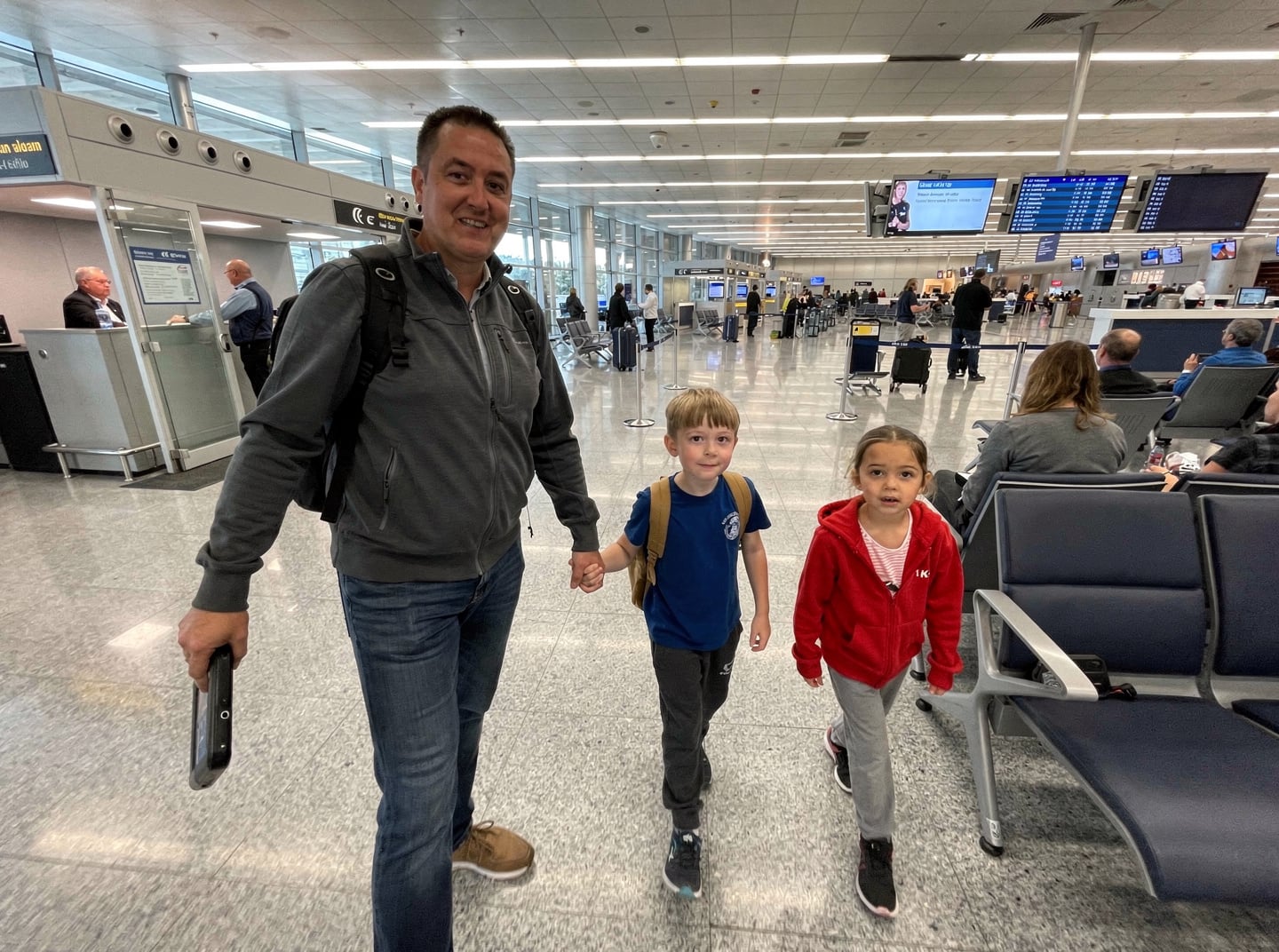
The family of six, traveling with four children including a two-year-old and a six-month-old, departed Los Angeles International Airport on June 30 with both younger children riding as lap infants. No issue at check-in. Two weeks later, at Philadelphia International Airport for the return, airline staff told them the two-year-old now required a ticketed seat. The child had turned two during the trip.
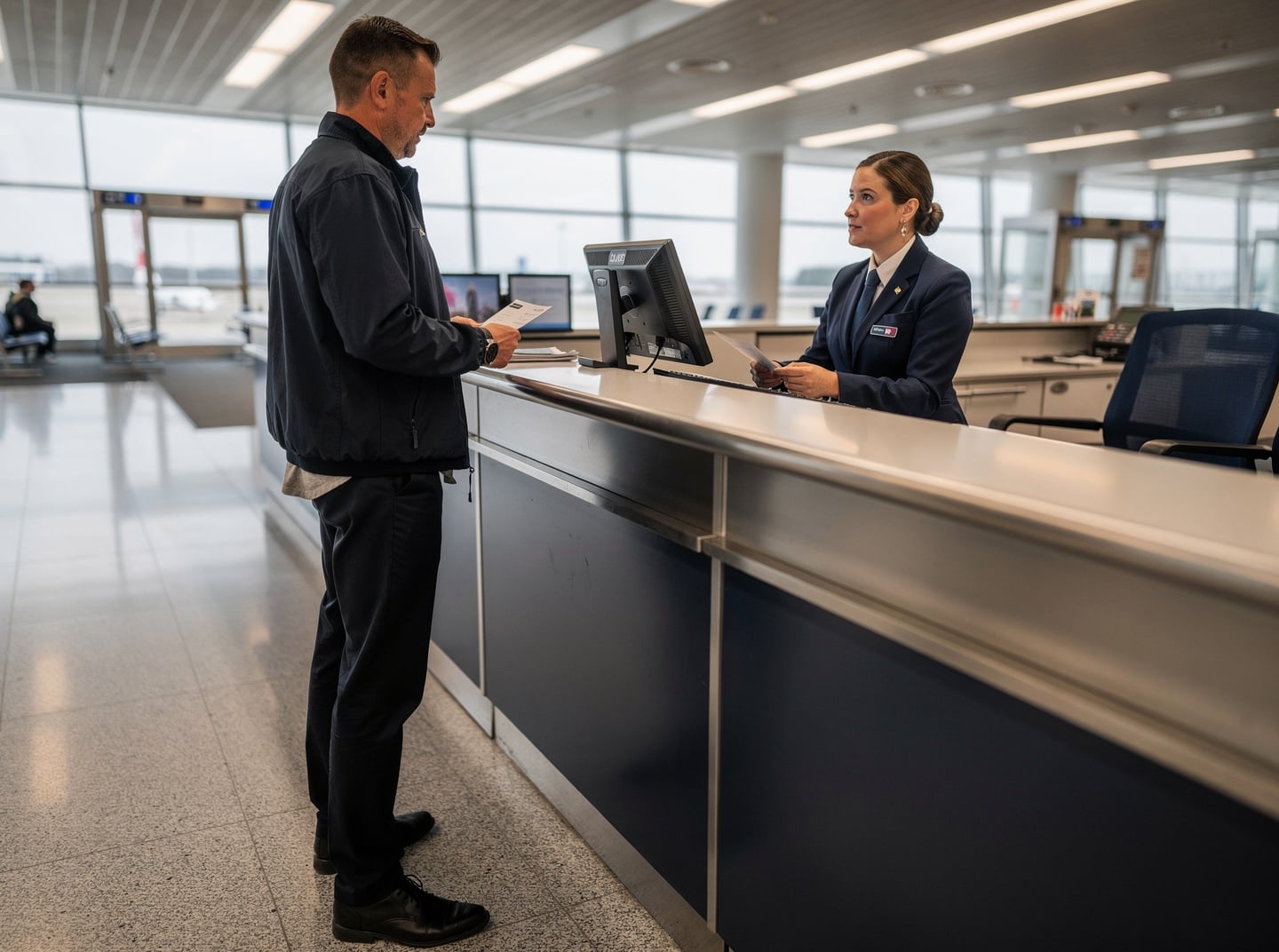
The family showed photos of the outbound travel. They produced birth certificates — the same documents they had presented at LAX. American Airlines did not relent. The choice was simple and expensive: buy a seat or don’t board. They paid $871 for a one-way ticket and boarded.
The seat the airline assigned placed the toddler alone at the rear of the aircraft. The family negotiated a swap with another passenger. As of publication, their formal complaint to American Airlines had gone unanswered for over a week.
What the rule actually says — and where airlines enforce it
The FAA’s position is unambiguous. Children under 24 months may travel on an adult’s lap; children who have reached their second birthday must occupy their own seat with a ticketed fare. Critically, that threshold is evaluated on the date of each individual flight segment, not on the date the itinerary was booked or the trip began.
American Airlines’ traveling-children policy states this explicitly: a child who turns two during a trip needs a seat for any remaining flights scheduled on or after the second birthday. The outbound segment, flown before the birthday, was technically compliant. The return segment, flown after, was not — regardless of what happened at LAX.
The FAA’s own guidance goes further, recommending that families purchase a separate seat even for children under two and use an approved child restraint system. Lap travel is permitted, not endorsed.
| Flight segment | Child’s age | Lap travel permitted? | Seat required? |
|---|---|---|---|
| Outbound (LAX–PHL, June 30) | Under 2 | Yes | No |
| Return (PHL–LAX, ~July 14) | 2 or older | No | Yes — ticketed fare required |
| Any segment booked after 2nd birthday | 2 or older | No | Yes — regardless of prior segments |
On family seating more broadly, the U.S. Department of Transportation has pushed airlines to seat children 13 and under next to an accompanying adult at no extra charge when seats are available. The DOT’s family-seating commitments dashboard lists American Airlines among carriers that publicly guarantee fee-free adjacent seating. That commitment, however, applies to seat selection — it does not override the separate requirement that a two-year-old hold a ticketed fare in the first place.
Flight deals
most people never see
Our AI monitors 150+ airlines for pricing anomalies that traditional search engines miss. Air Traveler Club members save $650 per trip per person on average: see how it works.
Each deal saves 40–80% vs. regular fares:

Why the outbound leniency made the return shock worse
Here is what the schedule filing — or in this case, the check-in record — actually tells us. When LAX staff allowed the two-year-old to board as a lap infant despite having birth certificates in hand, they created a false baseline. The family had documented proof that the airline had accepted the arrangement once. That proof meant nothing at PHL.
Enforcement of the age-two rule is handled at the gate or check-in counter for each segment independently. One agent’s decision does not bind the next. The rule is federal, but the moment of enforcement is local — and inconsistent application is a known feature of how U.S. carriers handle this cutoff in practice.
The cost asymmetry is the other problem. Airlines commonly offer child fare discounts of around 75% off the adult fare when booked in advance. A last-minute airport purchase, by contrast, draws from whatever inventory remains — often the highest-priced buckets. The $871 the Anthony family paid almost certainly would have been a fraction of that with even a few days’ notice.
How to protect your family before the airport finds out first
The Anthony family’s situation is repeatable — any round trip where a child’s second birthday falls between departure and return carries this exact risk, and the airport is the worst place to learn about it.
- Check each flight date against the child’s birthday, not the trip start date. If the return flight falls on or after the second birthday, a ticketed seat is required. Book it in advance — airport fares for last-minute child seats can run several times the advance price.
- Review American Airlines’ traveling-children policy before booking. The AA infant ticketing page spells out the segment-by-segment rule. Print or screenshot it — it is the document that matters at check-in, not photos of a previous flight.
- Verify seat assignments immediately after purchasing the child’s ticket. Remaining inventory on a busy route may scatter seats across the cabin. Request adjacent seats at booking, not at the gate.
- File a DOT complaint if the airline does not respond within a reasonable timeframe. The Department of Transportation’s Aviation Consumer Protection division accepts complaints about unexpected charges and family seating issues. An unanswered airline complaint after a week is a reasonable trigger to escalate.
- Consider a child restraint seat regardless of age. The FAA recommends an approved car seat in a ticketed seat even for children under two — lap travel is permitted, not safe by the agency’s own standard.
Watch: Whether American Airlines issues a formal response or refund to the Anthony family will signal how the carrier handles enforcement inconsistency claims — outbound leniency followed by return-leg enforcement is a pattern worth tracking if it recurs.

Questions? Answers.
Can an airline charge for a child’s seat if the outbound flight allowed lap travel?
Yes. The FAA’s age-two rule applies to each flight segment on its own date. If a child was under two on the outbound flight but turns two before the return, the airline is required to enforce the ticketed-seat rule on the return regardless of what happened earlier in the trip. The outbound agent’s decision does not create a binding precedent.
What is the cheapest way to handle a child turning two mid-trip?
Book the return seat in advance once you know the birthday falls before the return flight date. Airlines typically offer child fare discounts of around 75% off the adult fare when purchased ahead of time. A same-day airport purchase draws from the most expensive remaining inventory — the Anthony family’s $871 one-way ticket illustrates the worst-case outcome.
Does American Airlines guarantee that a child will be seated next to a parent?
American Airlines publicly commits to seating children 13 and under next to an accompanying adult at no extra charge when seats are available, a pledge tracked on the DOT’s family-seating commitments dashboard. However, this applies to seat selection, not to the separate requirement that a two-year-old hold a ticketed fare. Both policies must be satisfied independently.
What can families do if an airline does not respond to a complaint?
Escalate to the U.S. Department of Transportation’s Aviation Consumer Protection division. The DOT accepts complaints about unexpected charges, family seating issues, and inconsistent policy enforcement. Filing a DOT complaint creates an official record and typically prompts a faster airline response than internal complaint channels alone.