Quick summary
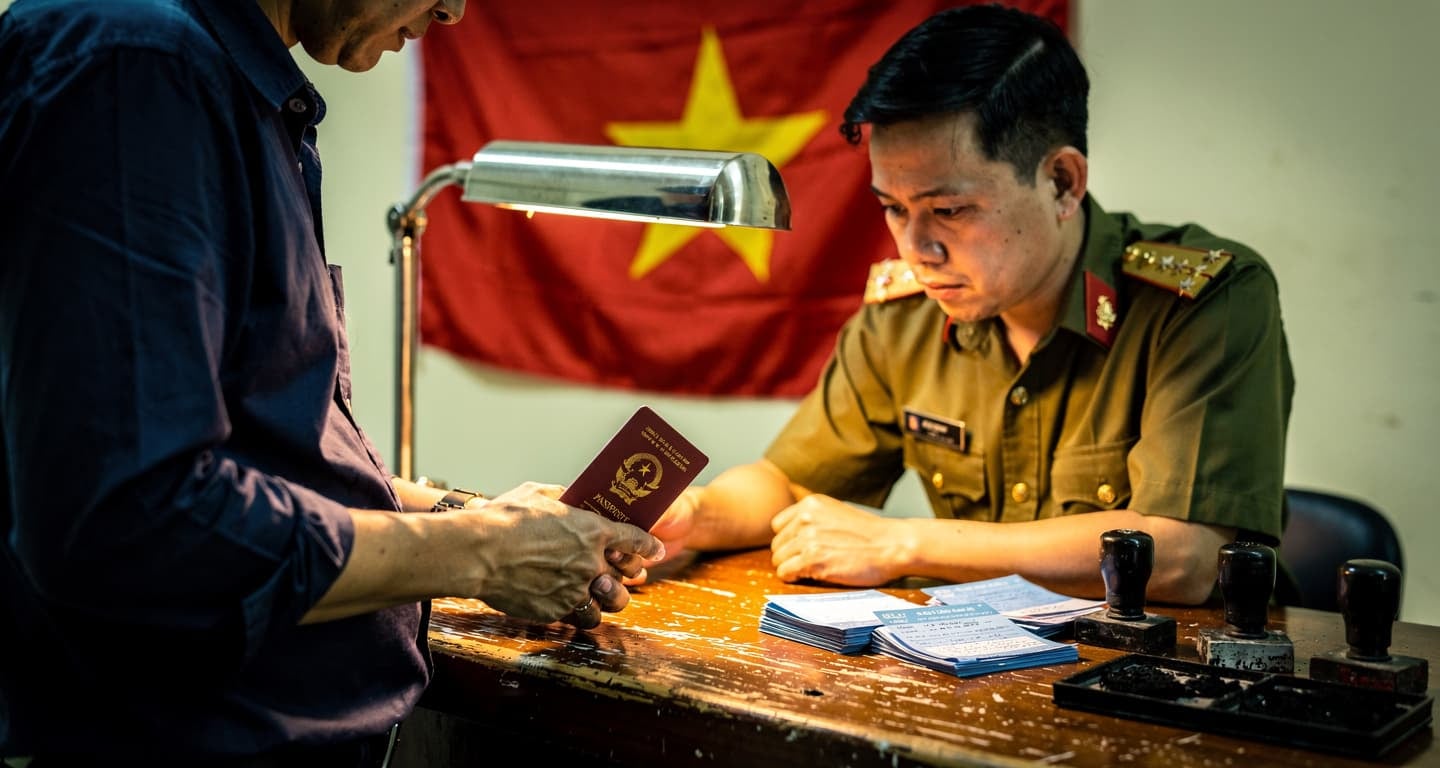
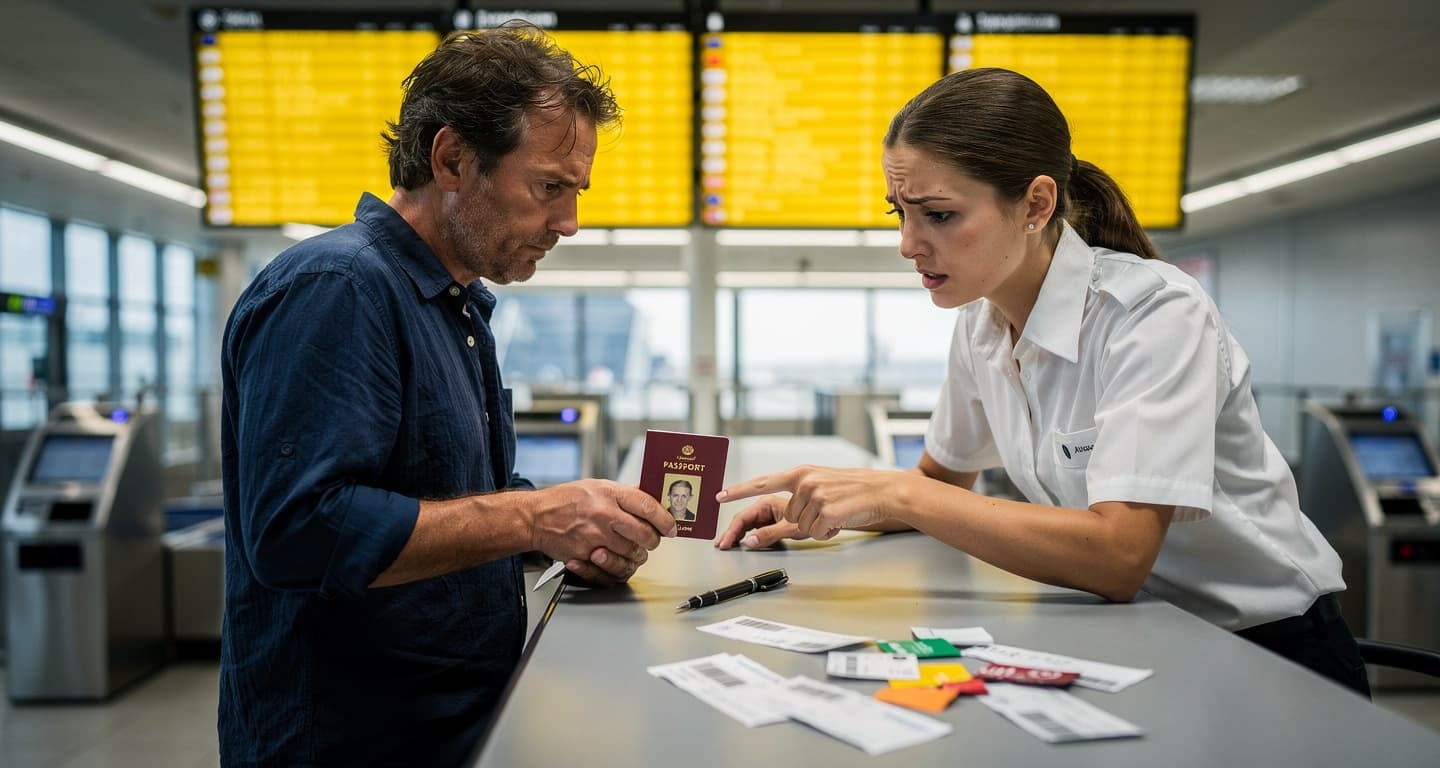
An AirAsia passenger on a flight to Jakarta reports that a purser examined his credit card for roughly a minute before a contactless purchase for a soft drink was declined, then requested his passport after he raised concerns about possible card data recording. The passenger refused. Ground staff in Jakarta could not explain why the passport had been requested and directed him to AirAsia‘s administrative office by email. AirAsia has not publicly commented on the incident.
AirAsia‘s published Terms and Conditions of Carriage contain no explicit requirement for crew to collect or inspect passports in connection with a declined inflight transaction. The gap between what crew did and what policy actually says is the core problem here.
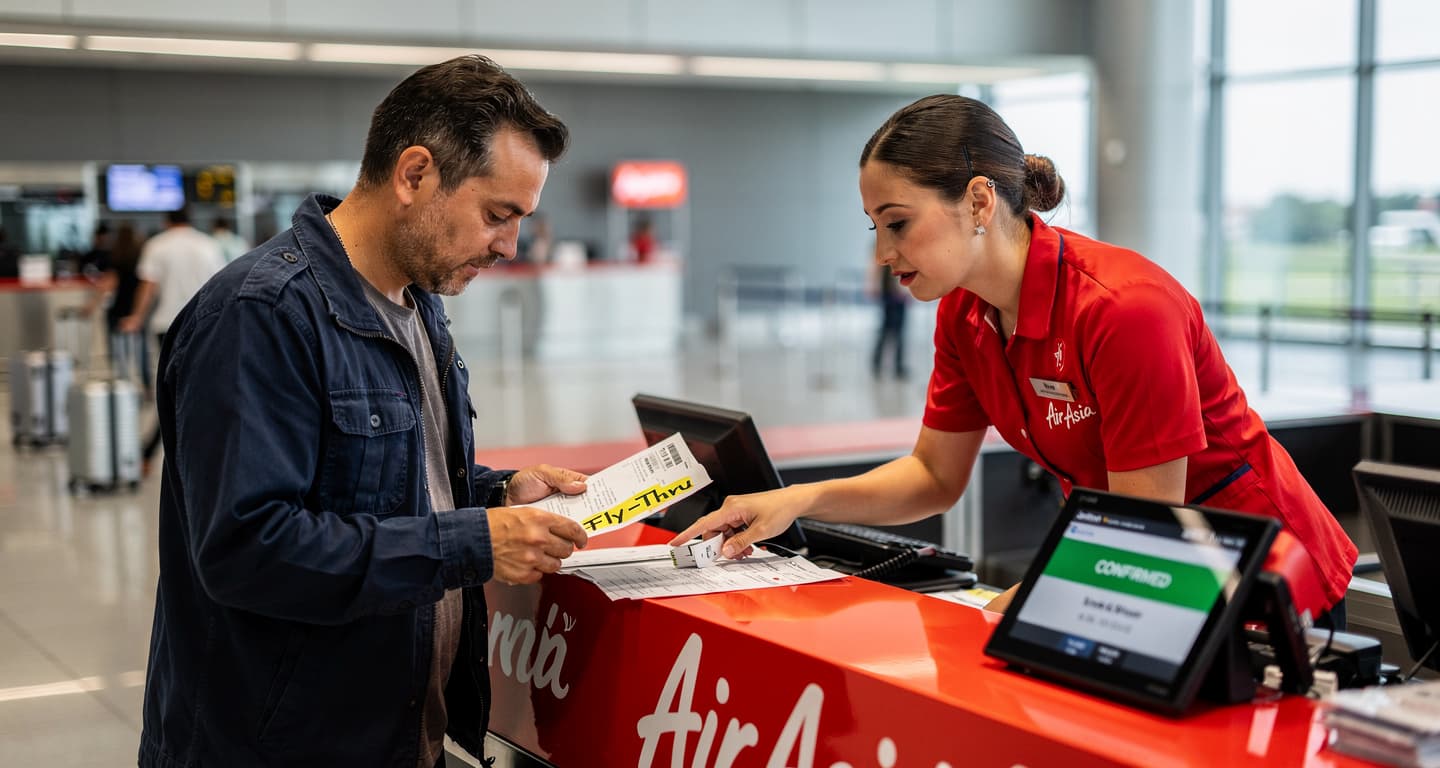
OMAAT reported the incident on June 24, 2026: a passenger on an AirAsia flight to Jakarta attempted to buy a soft drink with a credit card, watched the purser hold and examine the card for close to a minute, then saw the contactless payment declined. What followed — a passport request, a refusal, and a post-landing shrug from ground staff — has raised pointed questions about what AirAsia crew are actually authorized to ask for when an onboard payment goes wrong.
The passenger declined to hand over his passport, and the purser’s reply was that the passenger’s seat assignment and booking name were already in the system. That detail matters. It suggests the request was not about verifying identity for a transaction — the transaction had already failed — but about something else, possibly an internal incident report. Nobody on the ground in Jakarta could say which.
For travelers who pay by card on AirAsia or any low-cost carrier across Southeast Asia, the practical question is straightforward: are you obliged to show a passport if a crew member asks for one during a payment dispute? Based on AirAsia‘s own published carriage terms, the answer is no — not for this scenario. But the incident shows that crew may ask anyway, and that passengers are currently left to navigate that moment without clear guidance from the airline.
What the passenger reported — and what policy actually covers
According to the account as reported by OMAAT, the purser’s extended card inspection was explained as an attempt to determine whether the card was debit or credit — a distinction that can affect how some payment terminals process a transaction. The passenger was not satisfied with that explanation and said he was documenting the encounter, at which point the passport request followed.
After landing, ground staff at Jakarta could not explain the basis for the request and handed over an email address for AirAsia‘s administrative office in Indonesia. No fraudulent activity has been confirmed, and AirAsia has issued no public statement.
AirAsia‘s Terms and Conditions of Carriage for AK flights address passenger identification requirements for travel and the use of payment cards for purchasing services. They do not describe any procedure requiring crew to collect or inspect a passport specifically because a card transaction was declined. That absence is significant — it means there is no published rule passengers can be pointed to, and no published rule crew can cite.
| Scenario | Covered by AirAsia T&Cs | Covered by IATA card guidance | Passenger obligation |
|---|---|---|---|
| Showing ID for travel (boarding) | Yes — explicitly required | Not applicable | Mandatory |
| Card authentication for onboard purchase | General payment rules only | Yes — cardholder authentication required | Method unspecified |
| Passport request after declined transaction | Not addressed | Not prescribed | No published obligation |
| Providing name and booking reference | Implied by seat/booking records | Not applicable | Already held by airline |
| Filing post-flight complaint | Directed to support channels | Not applicable | Passenger’s right |
Flight deals
most people never see
Our AI monitors 150+ airlines for pricing anomalies that traditional search engines miss. Air Traveler Club members save $650 per trip per person on average: see how it works.
Each deal saves 40–80% vs. regular fares:

Why no aviation regulation fills this gap — and what that means for you
The instinct after an incident like this is to reach for passenger-rights regulations. That instinct will not help here. Frameworks like EU261/2004, UK261, the US DOT rules, and Canada’s APPR are built around delays, cancellations, and denied boarding — not inflight retail disputes. There is no equivalent regional statute in Southeast Asia covering card-payment disagreements on board.
IATA’s guidance on card acceptance does require airlines to authenticate cardholders and protect card data under PCI DSS standards, but it deliberately leaves the operational method of identity verification to each carrier. Requesting a government ID is one option; it is not the only one, and it is not mandated. The practical upshot: a passenger who hands over a passport in this scenario is doing so voluntarily, not because any published rule requires it.
Where travelers do have real leverage is through their card issuer. If a charge appears that you did not authorize — or if a charge you declined still shows up — your bank’s dispute process is the fastest and most effective route to resolution. Data-protection laws in most jurisdictions also give you the right to ask what personal data was recorded and how it is stored, though exercising that right requires a written request after the flight.
Steps to take if this happens to you
Crew on AirAsia flights currently have no published protocol passengers can be shown when a passport request follows a declined payment — which means the burden of managing the moment falls on you.
- Stay calm and ask one direct question: “Can you show me the airline policy that requires a passport for a declined payment?” If crew cannot produce one, you are not obliged to comply — but keep the exchange low-key. Escalating in a pressurized cabin rarely ends well for the passenger.
- Offer what the airline already has: Your name and booking reference are already in AirAsia‘s system. Offering these instead of a passport is reasonable and gives crew something to log for an incident report without handing over a document containing biometric data.
- Document everything before you deplane: Note the flight number, date, route, crew member’s name or badge number, and a brief account of the exchange. Screenshots of your boarding pass and any transaction notifications from your bank app are useful supporting evidence.
- File a written complaint within 48 hours: Use AirAsia‘s official feedback form on airasia.com or the AV A chatbot. Written complaints carry more weight than verbal ones and create a record if you later need to escalate to a consumer-protection body or data regulator.
- Contact your card issuer: Ask them to monitor for any unauthorized or duplicate charges from the flight date. If something appears, initiate a formal dispute — card-issuer protections are your most practical financial remedy here, not aviation regulations.
Watch: If AirAsia issues a formal clarification of its inflight payment and ID-request procedures in the coming weeks, it will signal the airline recognizes a gap in crew training and passenger communication. If no statement appears, expect this kind of incident to recur — and expect ground staff to remain as uncertain as they were in Jakarta.

Questions? Answers.
Is an AirAsia passenger legally required to show a passport when a credit card payment is declined inflight?
Based on AirAsia’s published Terms and Conditions of Carriage, there is no explicit requirement for passengers to produce a passport specifically because a card transaction was declined. Passport requirements in the T&Cs relate to travel documentation for boarding, not inflight retail disputes. Passengers are not obliged to comply with such a request, though they should handle any refusal calmly and document the interaction for a post-flight complaint.
Can I claim compensation under EU261 or similar rules for this type of incident?
No. EU261/2004, UK261, US DOT rules, and Canada’s APPR cover flight delays, cancellations, and denied boarding — not inflight payment disputes or passport requests. There is no equivalent regional statute in Southeast Asia for this scenario. Your most practical remedies are a formal complaint through AirAsia’s support channels, a card-issuer dispute if an unauthorized charge appears, and a data-protection inquiry if you believe personal information was improperly recorded.
What should I do if I think my card details were recorded by crew during an inflight inspection?
Enable transaction alerts on your banking app immediately and review your statement for any charges from the flight date. If anything looks incorrect, contact your card issuer and initiate a formal dispute — this is faster and more effective than pursuing the airline directly for financial recovery. You can also submit a data-protection inquiry to AirAsia in writing, asking what card or personal data was recorded during the incident and how it is stored, citing applicable local data-protection law.
Does IATA require airlines to ask for ID when a card payment fails inflight?
No. IATA’s card acceptance guidance requires airlines to authenticate cardholders and protect card data under PCI DSS standards, but it does not prescribe a specific method — requesting a government ID is one option, not a mandated step. The operational choice of how to verify identity is left to each carrier’s own procedures, which means passengers on different airlines may encounter very different approaches to the same situation.