Quick summary
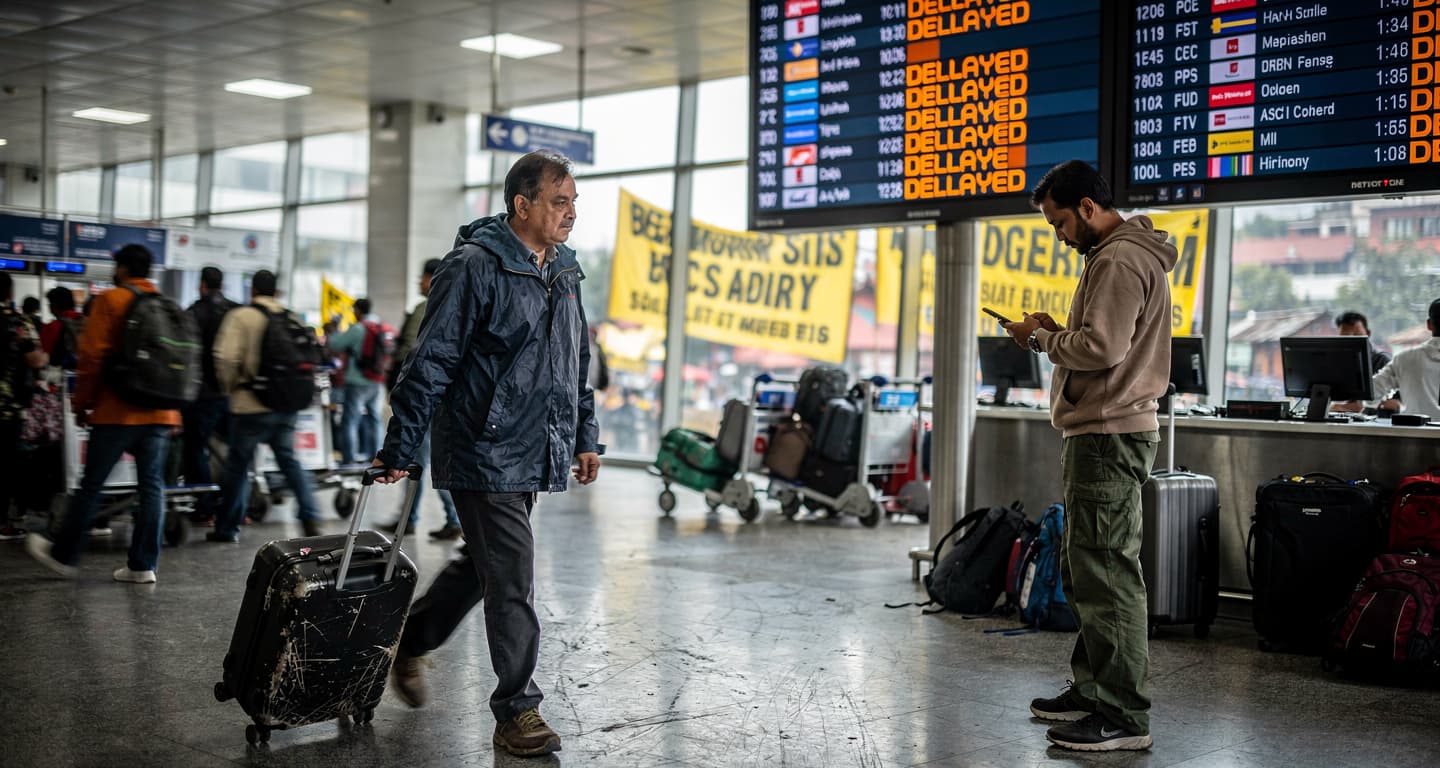
Air Canada raised checked baggage fees by $10 per bag for Economy Basic and Standard passengers on bookings made on or after April 13, 2026, affecting domestic and transborder routes. The first checked bag now costs $45 to $54 (up from $35 to $42), while the second bag increased to $60 to $72 (from $50 to $60). WestJet followed with matching $10 increases at airport check-in and a $50 jump for excess, overweight, and oversized bags — the carrier’s latest hike following Air Canada’s increase.
Economy Flex passengers still get their first bag free but now pay $60 to $72 for the second bag. Both carriers cite rising fuel costs from the US-Iran conflict as the driver behind capacity cuts and fee adjustments.
Canadian carriers hike baggage fees as fuel costs surge
Air Canada implemented its latest baggage fee increase on April 13, 2026, targeting Economy Basic and Standard fares on domestic Canadian flights and transborder routes to the US, Mexico, Caribbean, and Central America. Long-haul international rates remain unchanged. The adjustment adds $10 to $12 per bag to round-trip costs for most Canadian travelers checking luggage.
WestJet matched the increase within days, raising airport check-in fees by $10 for first and second bags while prepaid online fees rose $5. Excess, overweight, and oversized bag fees jumped $50. A spokesperson attributed the changes to “industry revenue trends as well as impacts from current global conditions.”
The fee hikes follow Air Canada’s October 2025 policy revision for select Africa routes and a 2024 increase across most fares. WestJet’s baggage fee hike is linked to rising fuel costs, following Air Canada’s increase — both carriers reduced capacity by 5–7% to manage jet fuel expenses that climbed 28% since March 2026.
| Carrier | First bag (old) | First bag (new) | Second bag (old) | Second bag (new) |
|---|---|---|---|---|
| Air Canada Basic/Standard | $35–$42 | $45–$54 | $50–$60 | $60–$72 |
| Air Canada Flex | Free | Free | $50–$60 | $60–$72 |
| WestJet (airport check-in) | Varies | +$10 | Varies | +$10 |
| WestJet (prepaid online) | Varies | +$5 | Varies | +$5 |
How Canadian carriers compare on baggage policies
Air Canada’s baggage fee increase applies to domestic flights within Canada and transborder flights to the US, Mexico, Caribbean, and Central America — long-haul international rates remain unchanged. Maximum checked bag weight sits at 23kg (50lb) for Economy and 32kg (70lb) for Business, with linear dimensions capped at 158cm (62in).
The carrier’s Star Alliance membership and primary hubs at Vancouver, Toronto, and Montreal position it as the dominant player for Canadian travelers. Fleet deployment includes 737 MAX and A220 aircraft on domestic and transborder routes, with 787-9 and 777 widebodies handling long-haul. On-time performance reached 72% in 2025, down 3% year-over-year, though the Aeroplan program expansion remains a competitive win.
Best-value routes from Canada include Vancouver–Honolulu at $450 round-trip in economy, Toronto–Los Angeles at $320 round-trip, and Montreal–Paris at $550 round-trip based on recent searches. Air Traveler Club monitors Air Canada promotions for frequent Basic fare flash sales that close value gaps created by ancillary fee increases.
Flight deals
most people never see
Our AI monitors 150+ airlines for pricing anomalies that traditional search engines miss. Air Traveler Club members save $650 per trip per person on average: see how it works.
Each deal saves 40–80% vs. regular fares:

What to do about higher baggage fees
The fee increases affect bookings made on or after April 13, 2026 — existing reservations remain at old rates, creating a narrow window to lock in lower costs for summer travel.
- Use Air Canada’s baggage calculator at aircanada.com/ca/en/aco/home/plan/baggage/checked.html to compute exact fees by itinerary before booking — rates vary by route and fare class.
- Prepay baggage online through WestJet to save $5 per bag versus airport check-in rates — the difference covers a meal or lounge visit on longer trips.
- Review Porter and Flair alternatives for domestic routes where first bag free (Porter) or lower base fares (Flair) offset higher ancillaries — total trip cost matters more than headline fare.
- Book before April 13 if travel dates flexible — locking in old rates saves $20 to $24 round-trip on two checked bags for a couple.
- Consider carry-on only for short trips — both carriers allow one personal item and one carry-on at no charge, eliminating baggage fees entirely for 3–5 day trips.
Watch: Air Canada’s Q2 2026 earnings call expected in late April or early May — if ancillary revenue exceeds 20% of total revenue (up from 18% in Q1), further fee hikes on international long-haul bags become likely.

Questions? Answers.
Do the new baggage fees apply to existing bookings?
No. The fee increases apply only to bookings made on or after April 13, 2026. Reservations made before that date remain at the old rates, even if travel occurs after the effective date.
Which routes are affected by Air Canada’s baggage fee increase?
Domestic flights within Canada and transborder routes to the US, Mexico, Caribbean, and Central America. Long-haul international routes to Europe, Asia, and other regions maintain previous baggage fee structures.
How much can I save by prepaying baggage fees online?
WestJet offers $5 savings per bag when prepaying online versus airport check-in rates. Air Canada does not currently discount prepaid baggage, but using the online calculator helps avoid surprises at the airport.
Are there Canadian carriers that still offer free checked bags?
Porter Airlines includes the first checked bag free on most fares for routes within and east of the Rockies. Air Canada Economy Flex passengers receive one free checked bag but now pay $60 to $72 for the second bag.