Quick summary
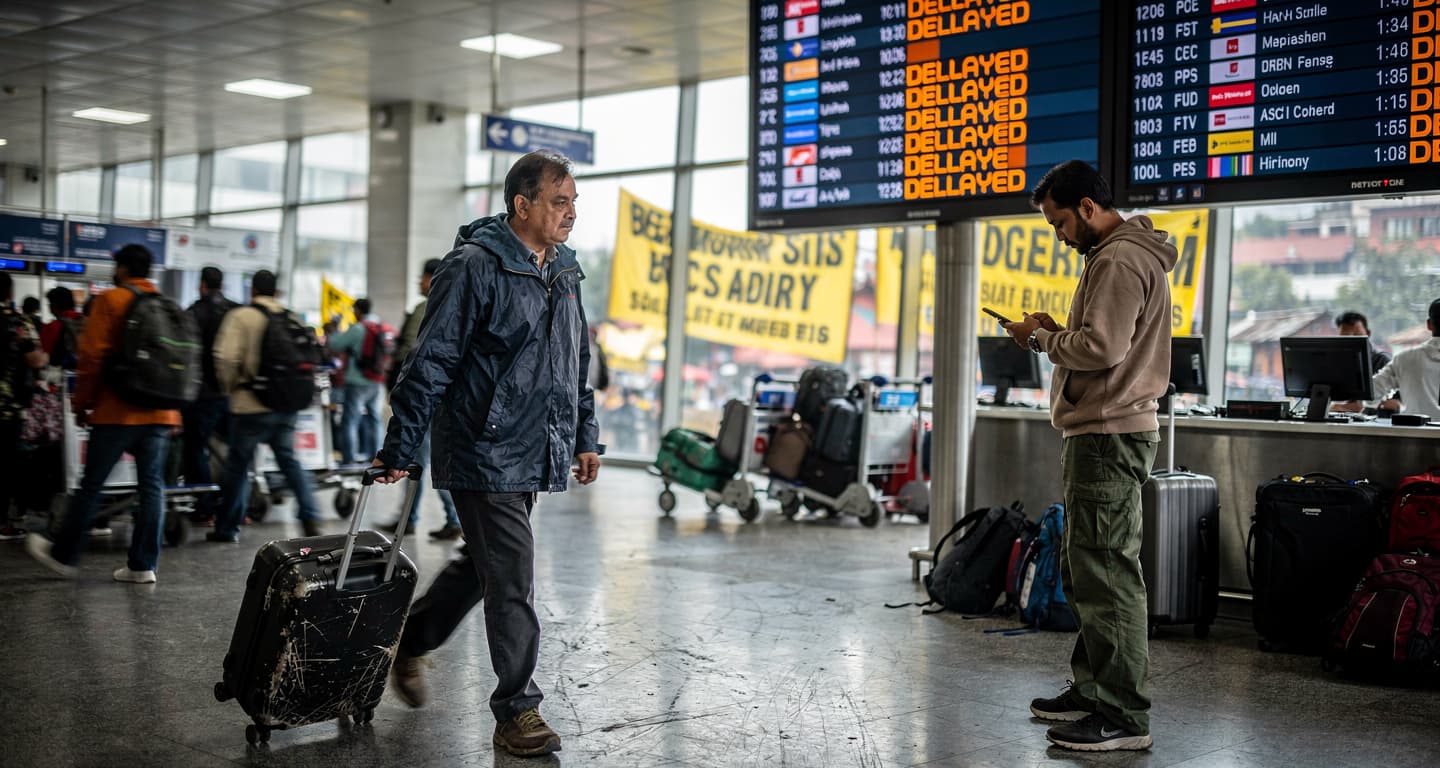
Air Canada has suspended six routes effective May 28 to August 30, 2026, citing jet fuel prices that have more than doubled since the Iran conflict began. The cuts eliminate direct service from Fort McMurray to Vancouver, Yellowknife to Toronto, Salt Lake City to Toronto, and both Toronto and Montreal to JFK Airport through October 25. Passengers with bookings on these routes face automatic rebooking to alternative airports or connecting flights, while travelers planning trips to affected cities will encounter 25–50% higher fares on substitute carriers.
The suspensions represent 1% of Air Canada’s annual capacity but signal broader industry stress — agency warnings indicate Europe could face jet fuel shortages within weeks. Service to New York continues via LaGuardia and Newark, though JFK passengers will travel to airports 15–26 kilometers farther from Manhattan.
Air Canada confirmed the route suspensions in a statement citing fuel costs that render certain services “no longer economically feasible.” The airline operated four daily flights between Toronto/Montreal and JFK Airport before the cuts, along with regular service to Fort McMurray, Yellowknife, Salt Lake City, and a planned Guadalajara launch now cancelled before its first departure.
Jet fuel prices have surged from $2.50 per gallon in January 2026 to $4.32 per gallon as of mid-April, driven by Middle East supply disruptions linked to the Iran conflict. The airline maintains 34 daily flights to the New York metro area from six Canadian cities, but passengers booked on JFK routes from June 1 through October 25 will be rerouted to LaGuardia or Newark airports.
The Fort McMurray–Vancouver suspension takes effect May 28, Yellowknife–Toronto ends August 30, and Salt Lake City–Toronto service stops June 30 with a planned 2027 return. A Guadalajara–Montreal route was scrapped before launch.
How fuel economics forced the cuts
Airlines typically allocate 30–40% of operating costs to fuel. When prices double, routes with load factors below 75% become unprofitable unless fares rise proportionally — a difficult proposition on leisure-heavy or competitive routes.
Air Canada’s targeted suspensions hit services with lower yields: Fort McMurray and Yellowknife serve resource industry workers with seasonal demand patterns, while Salt Lake City competes with Delta Air Lines hub connections. The JFK cuts preserve higher-yield business traffic at LaGuardia and Newark while ceding leisure slots at an airport 20 minutes farther from Midtown Manhattan.
Industry sources indicate the airline hedged approximately 50% of its fuel exposure through Q3 2026, meaning unhedged routes face the full $4+ per gallon spot price. Air Canada’s flight status page shows affected flights already removed from schedules beyond suspension dates.
| Route | Suspension date | Alternative | Impact |
|---|---|---|---|
| Fort McMurray–Vancouver | May 28, 2026 | WestJet via Calgary | +90 min connection |
| Yellowknife–Toronto | August 30, 2026 | WestJet via Calgary | +2 hr connection |
| Salt Lake City–Toronto | June 30, 2026 | Delta via Atlanta | +3 hr connection |
| Toronto–JFK | June 1, 2026 | Air Canada to LGA/EWR | +20 min to Manhattan |
| Montreal–JFK | June 1, 2026 | Air Canada to LGA/EWR | +26 min to Manhattan |
Flight deals
most people never see
Our AI monitors 150+ airlines for pricing anomalies that traditional search engines miss. Air Traveler Club members save $650 per trip per person on average: see how it works.
Each deal saves 40–80% vs. regular fares:

Broader industry pressure builds
Air Canada’s move reflects stress across global aviation. WestJet introduced fuel surcharges in March 2026 and reduced capacity on select routes, while European carriers face warnings from industry reports of potential jet fuel shortages within weeks if Middle East supply constraints persist.
The crisis differs from past fuel spikes — 2008 saw crude oil reach $147 per barrel but refining capacity remained intact. Current disruptions affect both crude supply and refining infrastructure, with aviation kerosene spot prices rising 110% since January. Airlines globally are raising fares, adding surcharges, and cutting less profitable routes to preserve cash flow.
Air Canada last suspended routes due to fuel shortages in February 2024 when Cuba faced a local jet fuel crisis. The airline repatriated 3,000 stranded passengers via empty positioning flights before resuming service in March after the shortage resolved. That incident involved a single destination; the current situation spans the airline’s network.
What to do if your flight is affected
The suspension dates create a narrow window for action — JFK flights end in 45 days.
- Check your booking immediately. Visit Transport Canada’s Air Passenger Protection page to understand rebooking rights — schedule changes notified less than 14 days before departure entitle you to free rebooking or a full refund under Canadian regulations.
- Rebook through official channels only. Use aircanada.com/manage-trip or call 1-888-247-2262. Third-party sites may charge change fees that the airline waives for involuntary schedule changes.
- Compare alternatives before accepting rebooking. LaGuardia sits 15 kilometers farther from Midtown Manhattan than JFK; Newark is 26 kilometers farther. Factor ground transportation time and cost into your decision.
- Monitor WestJet and Delta for Fort McMurray, Yellowknife, and Salt Lake City routes. Research during April 2026 found WestJet Vancouver–Fort McMurray economy fares at CAD $850+ for June 1–15 travel, up 31% from the 90-day average of CAD $650 — illustrating the fare pressure on remaining direct options.
- Book flexible fares if traveling between June and October. Fuel prices remain volatile; additional route suspensions could follow if costs stay elevated through summer.
Watch: Air Canada’s Q2 2026 capacity guidance in its May investor call will reveal whether cuts exceed 2% of available seat miles — a signal that fuel pressures are forcing network-wide frequency reductions beyond low-yield routes.

Questions? Answers.
Will Air Canada resume JFK service after October 25, 2026?
The airline has not committed to resuming JFK flights. The suspension runs through peak summer travel and ends before the winter holiday season, suggesting Air Canada is monitoring fuel prices and demand before deciding on 2027 schedules. Salt Lake City service is explicitly planned to return in 2027, but no similar statement was made for JFK routes.
Can I get compensation for the route cancellations?
No. Canada’s Air Passenger Protection Regulations do not require compensation for schedule changes caused by fuel price increases, which qualify as events outside the airline’s control. You are entitled to rebooking on the next available flight or a full refund, but not the CAD $400–$1,000 compensation paid for controllable delays.
Are other Canadian airlines cutting routes due to fuel prices?
WestJet reduced capacity on select routes and introduced fuel surcharges in March 2026 but has not announced specific route suspensions. The carrier’s fuel hedging strategy differs from Air Canada’s, providing some insulation from spot price volatility. However, industry-wide pressure suggests additional capacity adjustments are likely if fuel remains above $4 per gallon through summer.
How do LaGuardia and Newark compare to JFK for Manhattan access?
JFK sits 24 kilometers from Midtown Manhattan with typical taxi times of 45–60 minutes. LaGuardia is 13 kilometers away (30–40 minutes), while Newark is 26 kilometers (40–55 minutes depending on traffic and tunnel congestion). LaGuardia offers the fastest access but lacks international terminal amenities; Newark provides more international connections but requires crossing the Hudson River.