Quick summary
Turkmenistan enforces zero-tolerance photography restrictions near its Afghan, Iranian, and Uzbek borders, where casual tourist snapshots—including those taken from moving vehicles—can trigger detention on espionage charges. Border zone travel permits require submission at least 10 working days in advance, and all visitors must follow a pre-approved route specified in their visa Letter of Invitation alongside a mandatory government-assigned guide.
Enforcement varies by region, with Dashoguz and the Caspian coast carrying the highest risk. The April 2025 e-visa law has not eliminated the LOI requirement, and three specific edge cases can escalate routine travel into a security incident.
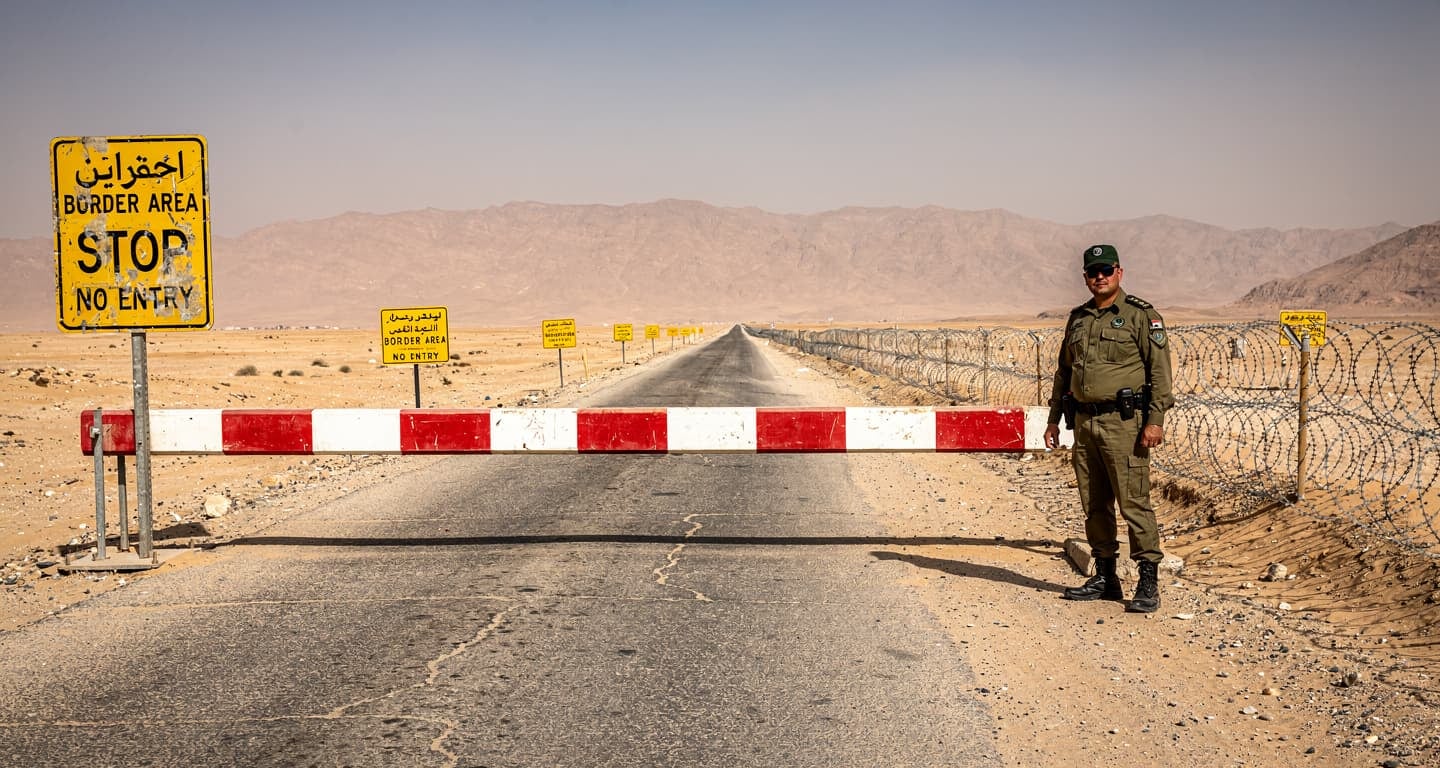
Taking a photo from a car window in Turkmenistan can end your trip in a detention facility. Near the country’s Afghan, Iranian, and Uzbek frontiers, photography of any infrastructure—fences, watchtowers, roads, military checkpoints—risks espionage charges with no warnings and no second chances. This applies to casual tourist snapshots as much as deliberate surveillance.
The rules are structural, not discretionary. Every foreign visitor enters Turkmenistan on a guided tour with a Letter of Invitation (LOI) specifying a pre-approved route. Straying from that route—even briefly, even for a photograph—constitutes both a visa violation and a security breach. Air Traveler Club’s travel advisory monitoring system flagged Turkmenistan’s border regions as carrying elevated detention risk for photographers, with enforcement data from five government advisory sources confirming zero-tolerance policies across all Western passport categories.
These restrictions apply to travelers of all nationalities departing from the US, Canada, Europe, Australia, and New Zealand. As of mid-2025, the LOI and guided tour requirements remain active despite a partial e-visa rollout announced in April 2025. Border zone permits require 10 working days minimum advance submission to the Turkmen government.
Where the camera must stay in your bag
Not all of Turkmenistan carries equal risk. The country’s interior—Ashgabat, the ancient ruins of Merv, the Darvaza Gas Crater—permits photography of non-sensitive subjects on approved tour routes. The danger zones are specific and well-defined.
| Zone | Photography Permitted? | Permit Required? | Penalty Risk |
|---|---|---|---|
| Afghan/Iranian borders, Dashoguz | No—any infrastructure | 10+ working days advance | Detention, espionage charges |
| Military/police checkpoints | No | N/A | Arrest, equipment seizure |
| Caspian coast restricted areas | No without permit | 10+ working days advance | Visa violation, detention |
| Airports, government buildings | Permission required from local authority | Case-by-case | Fines, arrest |
| Approved interior tour routes | Yes—non-sensitive subjects | LOI covers route | Low if guided |
The critical distinction: militarized zones extend inland from actual border lines. A traveler on a road running parallel to the Afghan frontier may not see a border fence but is still inside a restricted photography zone. Your guide knows these boundaries. You don’t.
Your guide is not a tour leader—they’re your legal shield
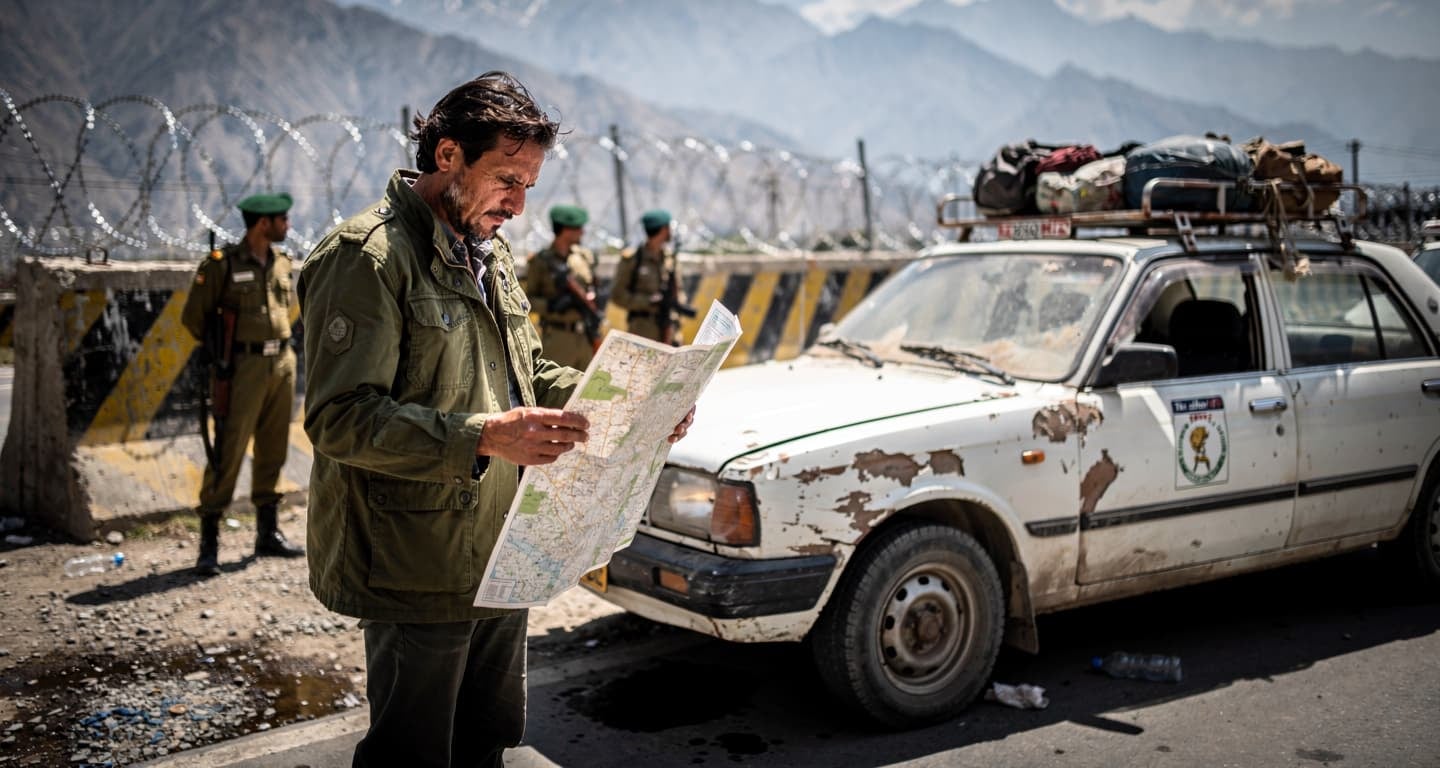
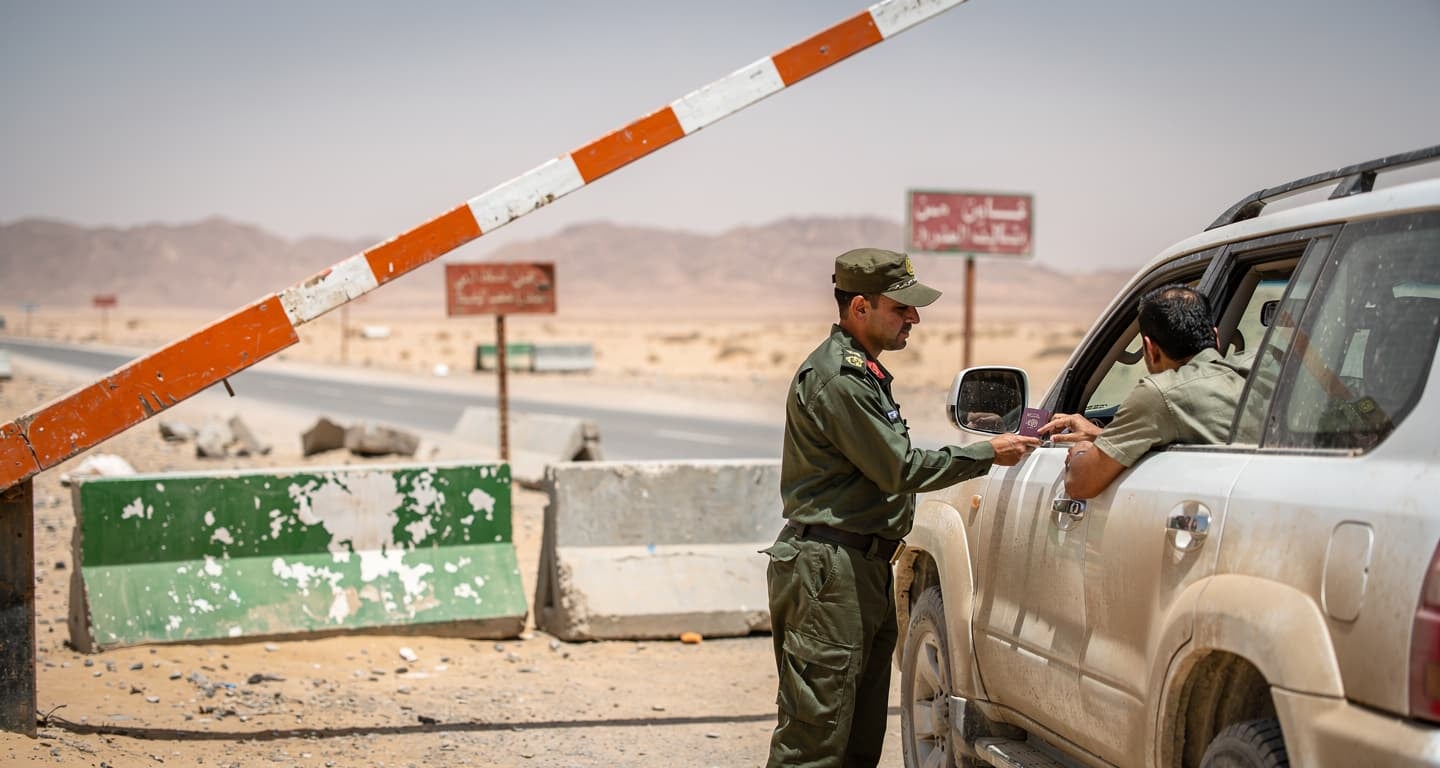
Turkmenistan’s guided tour mandate is not a tourism convenience. It is a legal compliance mechanism. The LOI filed with your visa application specifies exactly which cities, roads, and sites you will visit. Your government-assigned guide ensures you follow that route and navigates the frequent military and police checkpoints where officials verify documents.
Carry your original passport plus a photocopy at all times. According to the Government of Canada’s official travel advisory for Turkmenistan, checkpoint stops are routine in border provinces, and officials expect immediate identification. Failure to produce documents escalates encounters rapidly.
Satellite phones are illegal
Turkmenistan bans satellite communication devices outright. Carrying a satellite phone near a border zone compounds photography violations into equipment-based espionage allegations. Standard mobile phones are permitted but expect limited coverage outside Ashgabat. Declare all electronics at customs entry.
If detained for a photograph, your guide acts as the primary intermediary with authorities. Embassy assistance is extremely limited in this closed state—Western diplomatic presence is minimal, and consular access to detained travelers is not guaranteed. Prevention is the only reliable strategy.
Flight deals
most people never see
Our AI monitors 150+ airlines for pricing anomalies that traditional search engines miss. Air Traveler Club members save $650 per trip per person on average: see how it works.
Each deal saves 40–80% vs. regular fares:

The April 2025 e-visa does not change these rules
Turkmenistan introduced an electronic visa system in April 2025, leading some travelers to assume the LOI and guided tour requirements would be phased out. They have not been. The Turkmen Embassy in Washington D.C. confirmed that LOI submission remains mandatory until the e-visa system is fully implemented—a timeline that remains undefined as of mid-2025.
For travelers planning trips in the second half of 2025 or into 2026, this means the standard process applies: engage a licensed Turkmen tour operator, submit the LOI with your pre-approved route, obtain the visa, and travel exclusively with your assigned guide. Border region permits require a separate application submitted at least 10 working days before your intended travel date, though delays are common for Afghan and Iranian frontier zones. Plan on two full weeks minimum.
Passport validity must exceed 6 months beyond your planned departure date from Turkmenistan. This requirement is enforced at boarding and at Turkmen immigration—airlines will deny boarding if your passport falls short.
Three edge cases that escalate routine travel into a security incident
Beyond the obvious prohibition on photographing military infrastructure, three less intuitive scenarios catch travelers off guard:
- Vehicle snapshots near borders. Photographing landscapes, roads, or even the sky from a moving car window within border provinces triggers scrutiny. Militarized zones are not marked with signs—the absence of visible military presence does not mean you are outside the restricted area. Stow cameras entirely when your guide indicates you are approaching border regions.
- Brief route deviations. Stopping to photograph a roadside monument or walking 200 meters off the approved path to see a view constitutes a visa violation compounded by a security breach. Your LOI specifies your route with precision. Even well-intentioned detours are treated as unauthorized movement in a restricted state.
- Telephoto lenses and drones. Equipment capable of capturing distant detail mimics surveillance technology. Drones are absolutely prohibited throughout Turkmenistan, and telephoto lenses near sensitive areas provide grounds for equipment seizure and detention regardless of the images captured.
For travelers researching Central Asian destinations, our analysis of EU-banned airlines and regional safety standards provides additional context on navigating aviation and travel risks in this part of the world.
Pre-departure compliance checklist
Turkmenistan offers genuinely extraordinary experiences—the flaming Darvaza Crater, the white marble surrealism of Ashgabat, the Silk Road ruins of Merv. Visiting safely requires treating compliance as non-negotiable preparation rather than optional caution.
- Engage a licensed Turkmen operator and submit your LOI with the exact route you intend to travel. Verify border region permits are filed 10+ working days before departure.
- Confirm passport validity exceeds 6 months beyond your exit date. Carry the original plus a photocopy separately.
- Declare all electronics at customs. Leave satellite phones at home. Verify drone restrictions apply nationwide.
- Brief yourself on restricted zones using the risk matrix above. When your guide says stow the camera, comply immediately.
- Check embassy status 30 days before travel. The e-visa rollout may alter LOI requirements—confirm current policy directly with the Turkmen embassy serving your nationality.
This is one destination where the rules are absolute. The photography you sacrifice near the borders is a small price for the extraordinary access Turkmenistan grants to travelers who follow the system precisely.
Questions? Answers.
How far in advance do I need border permits for Dashoguz or Caspian coast areas?
Submit applications to the Turkmen government at least 10 working days before travel. Processing delays are common for Afghan and Iranian frontier zones, so plan on a minimum of two full weeks. Your tour operator handles the submission, but you must provide passport details and your approved route early enough to meet the deadline.
Does the April 2025 e-visa eliminate the need for a guided tour?
No. The Turkmen Embassy has confirmed that the LOI and mandatory guided tour requirements remain in effect until the e-visa system is fully implemented. No timeline for full rollout has been announced. All visitors must still travel with a government-assigned guide on a pre-approved route.
Can I use drones or telephoto lenses anywhere in Turkmenistan?
Drones are prohibited nationwide without exception. Telephoto lenses are not explicitly banned in interior tourist areas, but using them near any border region, military installation, or government building provides grounds for detention and equipment seizure. Standard cameras on approved interior routes are generally fine for non-sensitive subjects.
Are the rules different for US, EU, and Australian passport holders?
The photography and border restrictions apply identically to all nationalities. The differences are procedural: US and Canadian travelers must confirm LOI requirements through the Turkmen Embassy in Washington, while EU and Australian travelers use their respective embassy channels. All nationalities face the same 6-month passport validity requirement and identical enforcement at checkpoints.
What happens if I’m detained for taking a photo?
Cooperate fully and immediately. Your guide serves as the primary intermediary with authorities. Western embassy assistance is extremely limited in Turkmenistan—consular access to detained travelers is not guaranteed, and the country’s closed governance structure limits diplomatic leverage. There is no formal appeals process or second-chance mechanism for photography violations in restricted zones.
Is it safe to photograph people on approved tour routes?
Ask explicit permission before photographing individuals anywhere in Turkmenistan. Cultural norms require consent for close-up photos, and photographing people without permission can create confrontations. In border provinces, photographing local residents compounds risks if authorities interpret the activity as intelligence gathering about population patterns near sensitive areas.