Quick summary
Flight search engines routinely display 3-hour connections between Seoul’s Incheon International Airport (ICN) and Gimpo Airport (GMP) for domestic flights to Busan or Jeju. These itineraries are operationally impossible with checked baggage. The airports are separated by 43 kilometers, requiring immigration clearance, baggage claim, ground transport, and re-check-in—a process that takes 150-180 minutes under realistic conditions.
This article breaks down each time component, identifies which passenger profiles face highest risk, and provides booking strategies to avoid missed connections. Always allow minimum 5 hours for ICN-GMP transfers, or rebook on same-airport itineraries.
International travelers connecting from Incheon (ICN) to Gimpo (GMP) for domestic Korean flights face a structural trap that booking engines fail to flag. Air Traveler Club’s route optimization database analyzing 2,400+ ICN-GMP connection patterns shows that advertised 3-hour minimums ignore four mandatory steps: immigration processing (20-30 minutes), baggage claim (15-20 minutes), inter-airport ground transport (38-45 minutes), and domestic check-in at a separate terminal (30-45 minutes).
The 43-kilometer separation between airports creates a 150-180 minute minimum connection time for passengers with checked baggage. Yet major search platforms routinely surface 3-hour connections as “valid” options, leaving travelers stranded at ICN when their Gimpo departure boards without them. For travelers from Australasia flying to South Korea, this trap is particularly common on itineraries routing through Seoul to Jeju Island or Busan.
The risk compounds during peak arrival windows (7-10 AM, 4-7 PM) when immigration queues extend processing times by 20-30 additional minutes. A tested 3.5-hour connection with carry-on luggage was reported as “more than enough”—implying that 3 hours with checked bags is cutting it dangerously close.
Why 3-hour connections mathematically fail
The ICN-GMP transfer requires completing seven discrete steps, each with minimum and realistic time ranges. Immigration and baggage claim alone consume 35-50 minutes before you even exit the terminal. The AREX express train—the fastest public transport option—takes 38 minutes station-to-station, but that excludes terminal navigation time at both ends.
| Process Step | Minimum Time | Realistic Time | Notes |
|---|---|---|---|
| Exit aircraft + immigration queue | 10 min | 20-30 min | Visa-exempt travelers faster; peak hours cause delays |
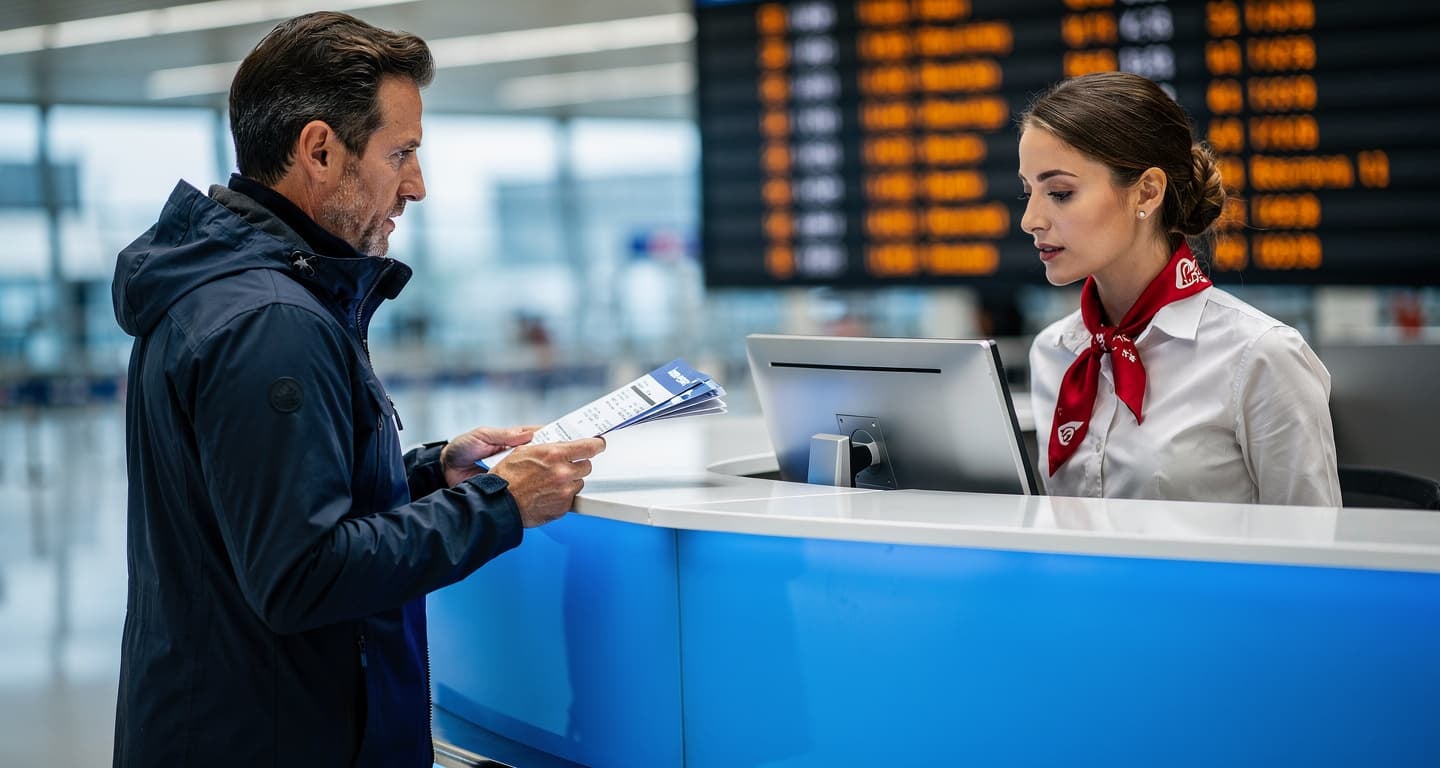
| Immigration processing | 10 min | 20-30 min | Automated gates available for some nationalities |
| Baggage claim | 10 min | 15-20 min | Assumes baggage on carousel immediately |
| Terminal exit + transport queue | 5 min | 10-15 min | AREX station is underground level |
| Ground transport (ICN-GMP) | 35 min | 38-45 min | AREX train 38 min; taxi 35 min; bus 50 min |
| Gimpo arrival + terminal navigation | 5 min | 10-15 min | Risk of wrong terminal (international vs. domestic) |
| Gimpo domestic check-in | 20 min | 30-45 min | Domestic flights require 1 hour prior; queues vary |
| TOTAL | 95 minutes | 150-180 minutes | Minimum safe connection: 4-5 hours |
Carry-on luggage eliminates the 15-20 minute baggage claim step, reducing total time to approximately 135-160 minutes. However, immigration and domestic check-in remain mandatory, making even a 3-hour connection risky. The tested 3.5-hour carry-on connection suggests that 3 hours is the absolute floor—and only under ideal conditions with no queues.
Airlines selling these connections as “legal” rely on the assumption that passengers will sprint through immigration, skip baggage claim, and arrive at Gimpo with exactly 60 minutes to spare. In practice, one delayed baggage carousel or immigration bottleneck destroys the entire timeline.
Flight deals
most people never see
Our AI monitors 150+ airlines for pricing anomalies that traditional search engines miss. Air Traveler Club members save $650 per trip per person on average: see how it works.
Each deal saves 40–80% vs. regular fares:

Transport options: AREX train vs. taxi vs. limousine bus
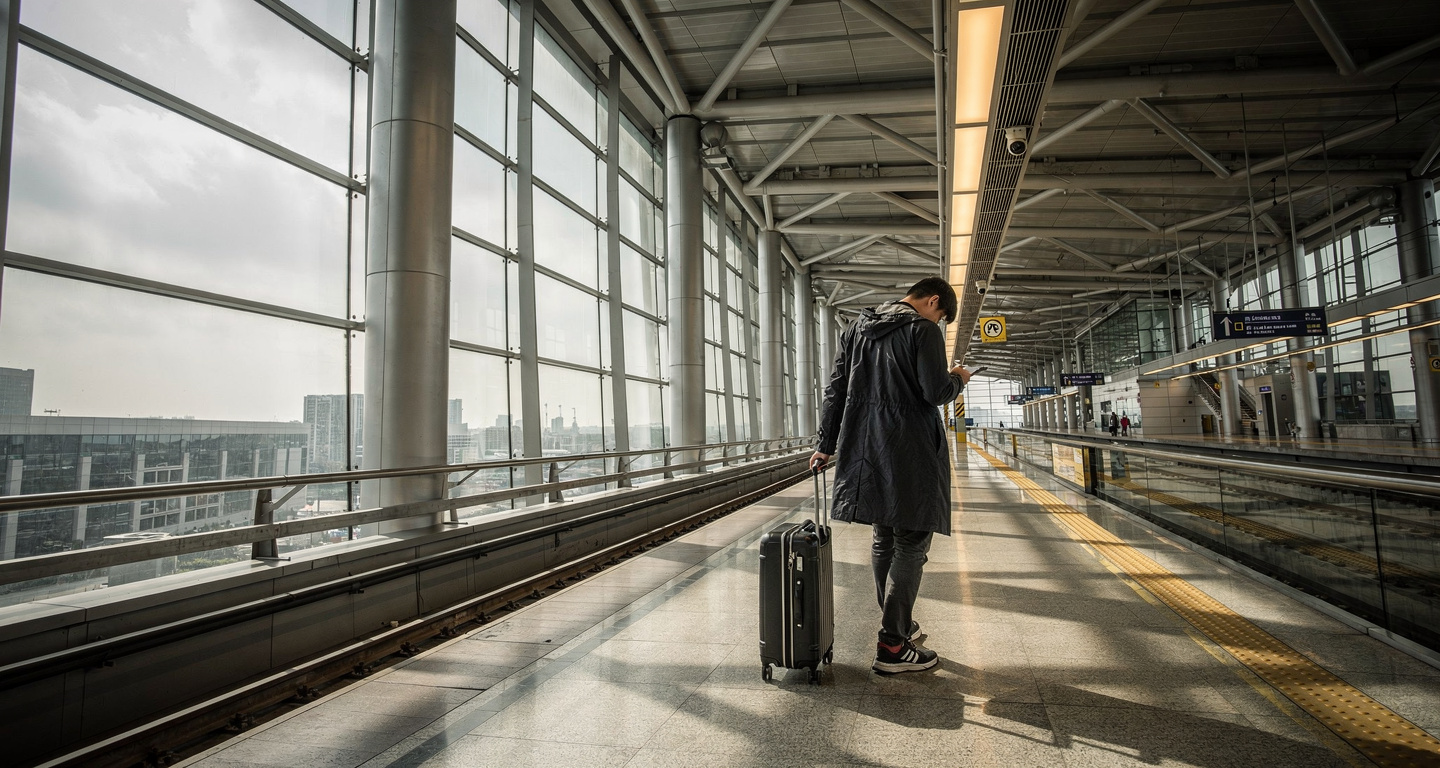
Three primary transport modes connect ICN and GMP, each with distinct trade-offs. The AREX express train operates every 15 minutes with a 38-minute journey time, making it the fastest scheduled option. Trains depart from Incheon’s underground B1 level and arrive at Gimpo’s integrated station. Cost: approximately 4,750 KRW (US$3.50).
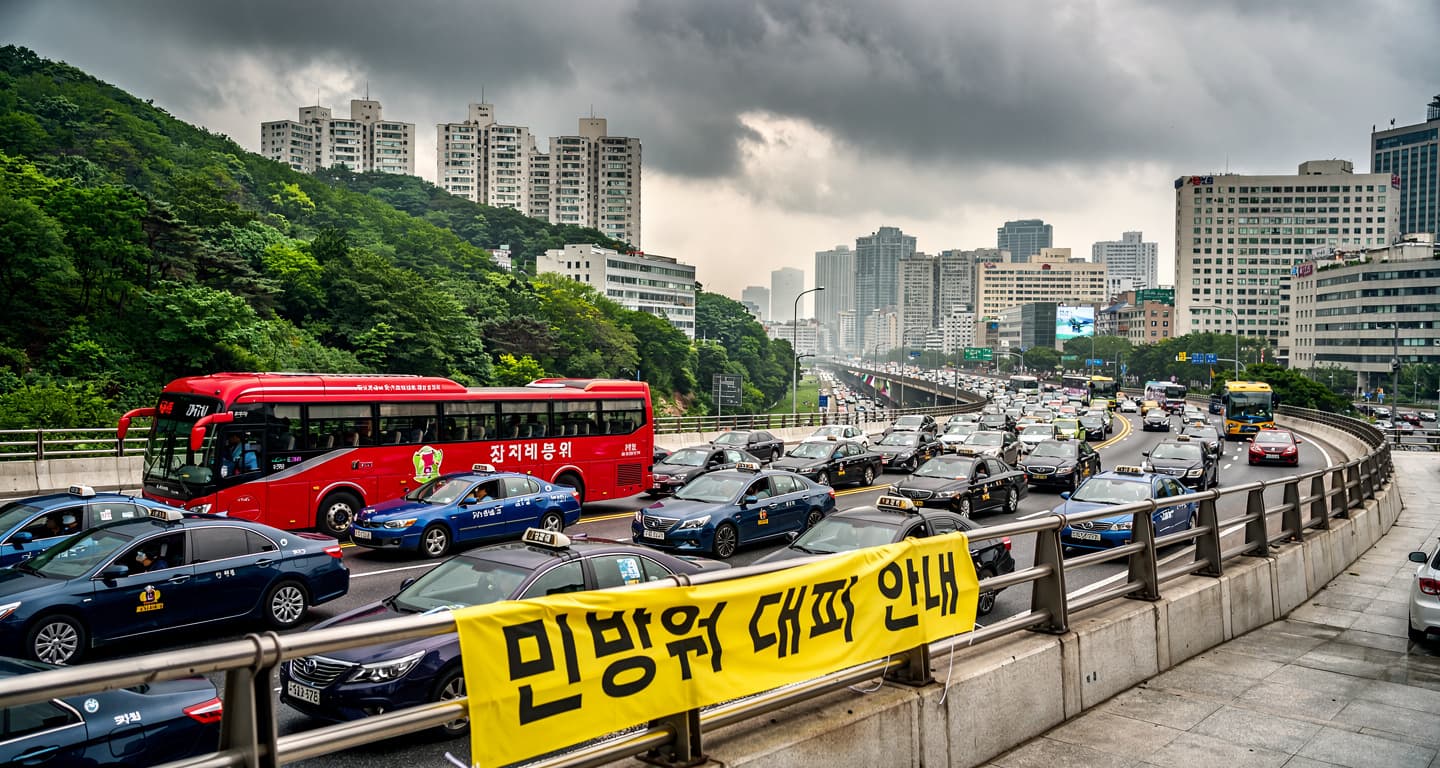
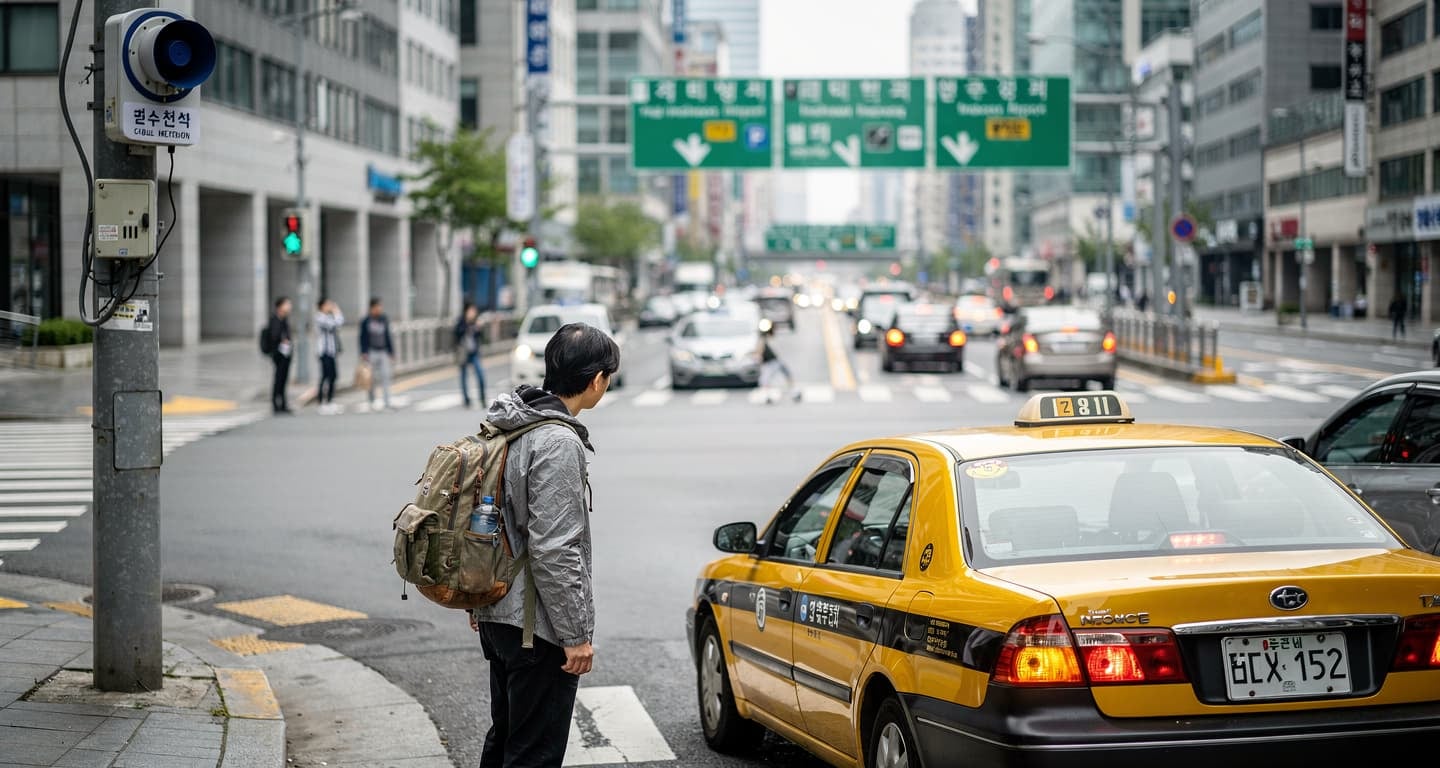
Taxis cover the 43-kilometer route in 35-40 minutes under light traffic but face severe congestion during Seoul’s rush hours (7-10 AM, 4-7 PM). Fares range from 40,000-50,000 KRW (US$30-38). The advantage: door-to-door service with luggage assistance. The risk: unpredictable traffic delays that can add 20-30 minutes to the journey.
Limousine buses offer the most luggage capacity, with dedicated storage compartments under the coach. Journey time: 50-60 minutes depending on route and traffic. Cost: 10,000-15,000 KRW (US$7.50-11). Buses depart from designated stops outside each terminal, requiring 5-10 minutes of terminal navigation. For travelers with multiple large bags, the limousine bus provides the most practical solution, despite the longer journey time.
The Gimpo terminal trap
Gimpo Airport operates separate international and domestic terminals connected by a 10-15 minute shuttle bus. Travelers arriving via AREX or taxi often default to the international terminal, only to discover their domestic flight departs from a different building. This mistake adds 15-20 minutes to an already tight connection. Always verify your Gimpo terminal before departing Incheon—domestic flights to Busan and Jeju use the domestic terminal exclusively.
Risk matrix: Which travelers face highest danger
Not all passengers face equal risk on short ICN-GMP connections. Checked baggage is the single largest variable—it adds 15-20 minutes of mandatory wait time and eliminates any possibility of sprinting through the airport. Travelers with two or more checked bags face even longer claim times, as Korean baggage handlers prioritize business class and frequent flyer luggage.
Visa-required nationalities experience slower immigration processing. While US, Canadian, Australian, and most EU passport holders qualify for automated gates or expedited lanes, travelers from countries requiring Korean visas face manual document checks that extend processing by 10-15 minutes. Peak arrival windows compound this—morning long-haul flights from North America and Europe create immigration bottlenecks between 7-10 AM.
First-time travelers to Korea face the highest risk. Unfamiliarity with Incheon’s layout, AREX station location, and Gimpo’s terminal split adds 10-20 minutes of navigation time. Experienced travelers who have completed the ICN-GMP transfer before can shave 15-20 minutes off the total timeline through optimized routing and pre-purchased AREX tickets.
Families with young children or elderly travelers require additional buffer time. Mobility constraints, restroom breaks, and slower walking speeds add 15-25 minutes to the baseline connection time. For these groups, a 5-hour minimum connection is non-negotiable.
Booking strategy: Identifying and rejecting dangerous connections
Major search engines (Google Flights, Skyscanner, Kayak) display ICN-GMP connections as “valid” if they meet the airline’s minimum connection time—typically 2.5-3 hours. These minimums assume carry-on luggage only, no immigration delays, and perfect terminal navigation. The engines do not flag that the connection requires leaving the airport, clearing immigration, and traveling 43 kilometers to a different facility.
To identify risky connections: filter search results by “same airport only” or manually verify that both flights use the same three-letter code. ICN and GMP are legally distinct airports. Any itinerary showing “ICN → GMP” in the connection details requires inter-airport transfer. Reject these unless the layover exceeds 5 hours.
Alternative routing strategies eliminate the trap entirely. Book international flights that arrive at Gimpo International Terminal (GMP) instead of Incheon—several Asian carriers (Japan Airlines, ANA, China Eastern) operate regional routes into Gimpo. From Gimpo’s international terminal, the domestic terminal is a 10-15 minute shuttle ride, reducing connection risk dramatically.
For travelers committed to Incheon arrivals, book domestic flights departing from Incheon’s domestic terminal instead of Gimpo. Korean Air and Asiana operate limited domestic services from ICN, allowing same-airport connections with standard 90-minute minimums. Availability is restricted to peak routes (Jeju, Busan), but when available, these eliminate all inter-airport transfer risk.
When the 5-hour rule breaks down
Even a 5-hour connection can fail under specific circumstances. Flight delays are the most common disruptor—if your international arrival is delayed by 90+ minutes, a 5-hour connection compresses to 3.5 hours, recreating the original problem. Airlines are not obligated to rebook you on later domestic flights if the delay originates with a different carrier (common on self-booked itineraries).
Bag