Quick summary
South Korea conducts 3-4 nationwide Civil Defense drills annually at exactly 2:00 PM KST, lasting 15-20 minutes with complete traffic halts including taxis, buses, and highway access to Incheon Airport. Air Traveler Club’s analysis of 2024-2025 drill patterns shows travelers arriving at Incheon between 1:30-3:00 PM during drill days experience 30-45 minute delays due to post-drill congestion restart, potentially missing international check-in cutoffs.
Drills typically occur in May, August (often twice during Ulchi Freedom Shield exercises), and October-November. The August 2026 drill is projected for mid-to-late August based on historical patterns. Add 45 minutes to your airport transfer buffer if your Incheon arrival window overlaps the 1:00-3:00 PM drill risk zone.
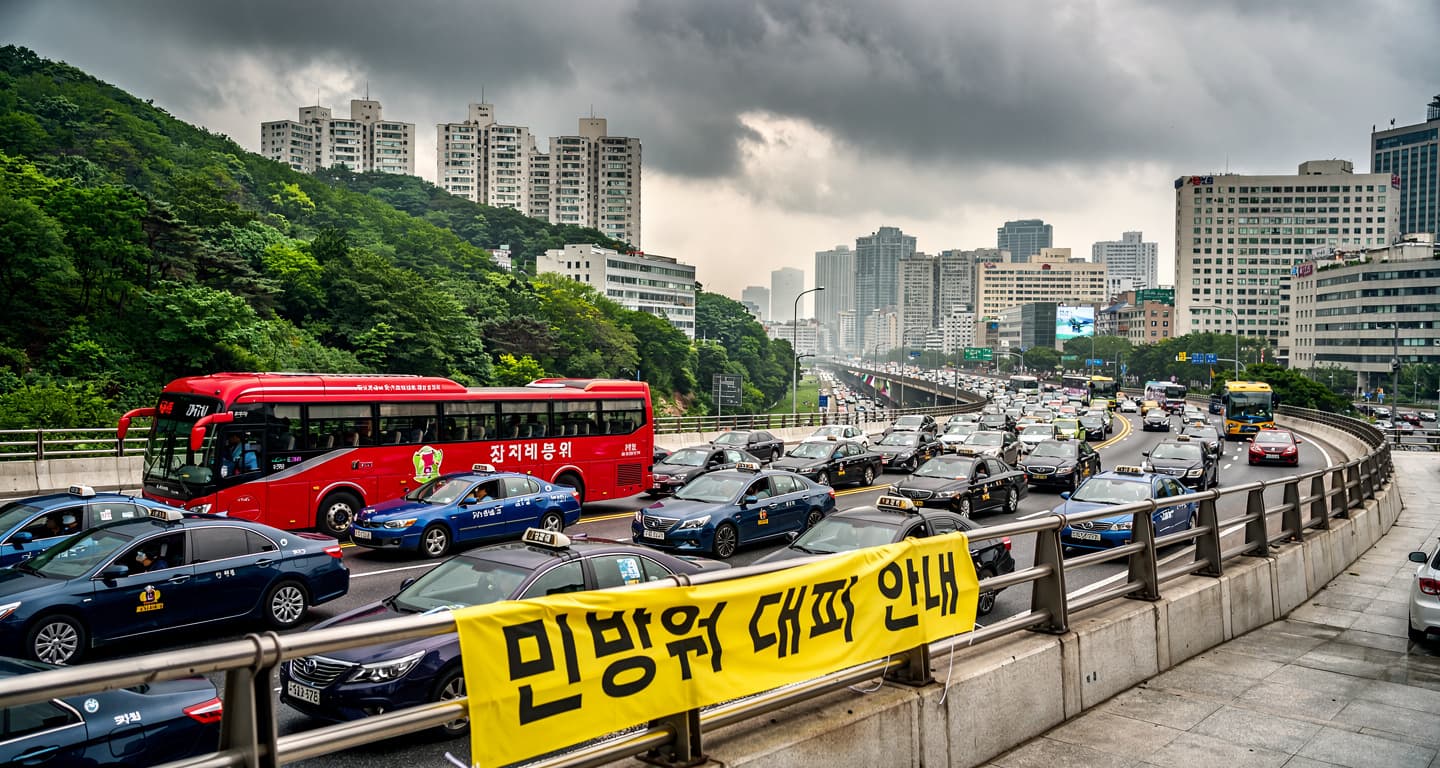
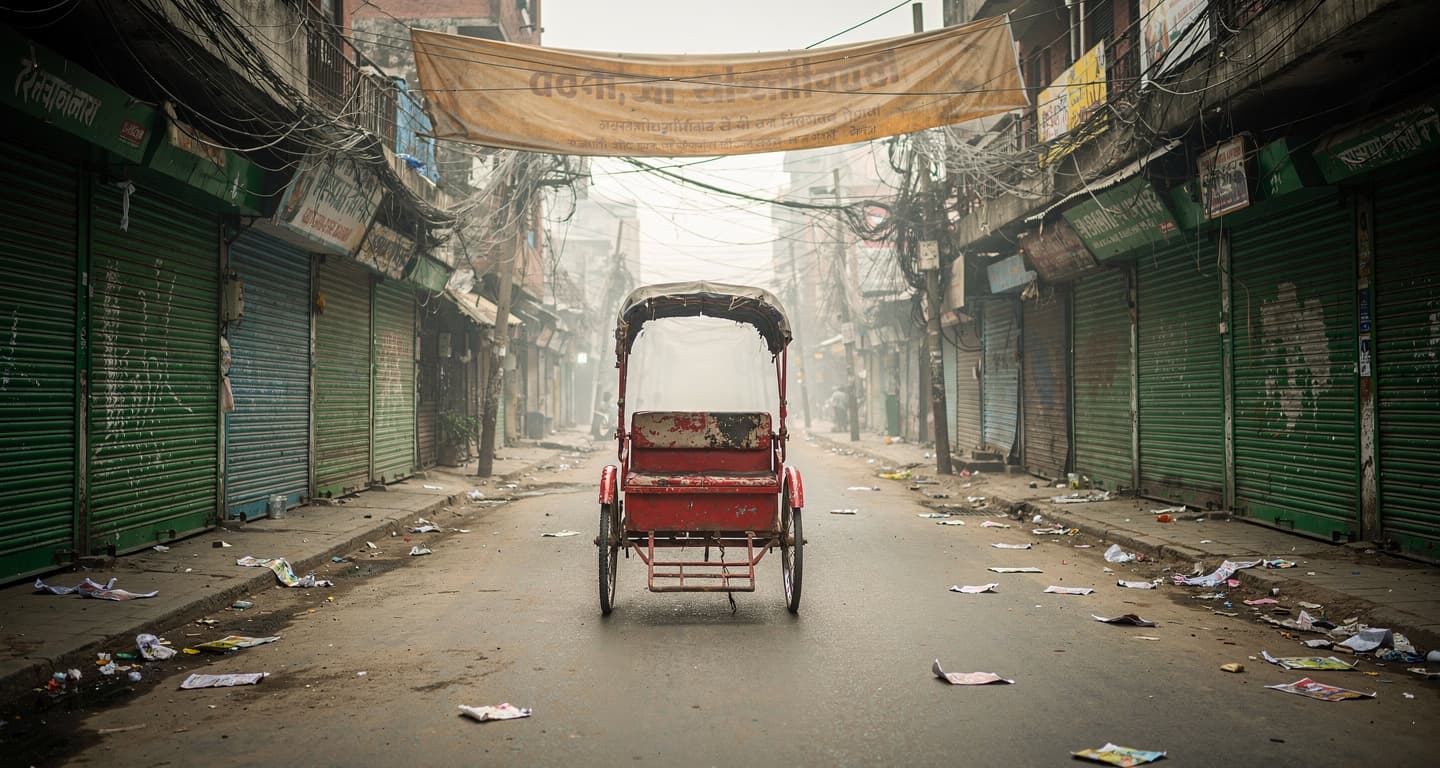
South Korea’s Civil Defense drills freeze all ground transport nationwide for 15-20 minutes when air raid sirens sound at 2:00 PM. This includes the Airport Railroad Express (AREX), KTX trains, taxis, and buses serving Incheon International Airport. For travelers departing on drill days, the operational halt creates a 30-45 minute total delay when factoring restart congestion on Incheon’s highway corridors.
The drills occur 3-4 times per year, concentrated in May, August, and October-November. August drills frequently coincide with the annual Ulchi Freedom Shield military exercises, which ran August 18-21 in 2025 and are expected to follow a similar late-August pattern in 2026. The Ministry of Interior and Safety (MOIS) announces exact dates 1-2 weeks in advance, but travelers booking flights for these months should plan defensively.
The 2:00 PM traffic freeze and Incheon’s 45-minute penalty
Civil Defense drills begin with a nationwide air raid siren at exactly 2:00 PM Korea Standard Time. All vehicles—including airport shuttles, taxis, and rail services—must stop immediately for the drill’s 15-20 minute duration. Pedestrians are directed into designated shelters, though compliance for foreign visitors is optional according to Government of Canada advisories.
The critical issue for airport-bound travelers is not the drill itself but the restart congestion that follows. Incheon’s highway access routes experience a 15-30 minute traffic jam as thousands of vehicles resume movement simultaneously. Air Traveler Club’s route optimization database analyzing drill-day patterns shows this doubles the effective delay: a 15-minute drill causes a 30-45 minute total disruption for travelers arriving at the airport between 1:30 PM and 3:00 PM.
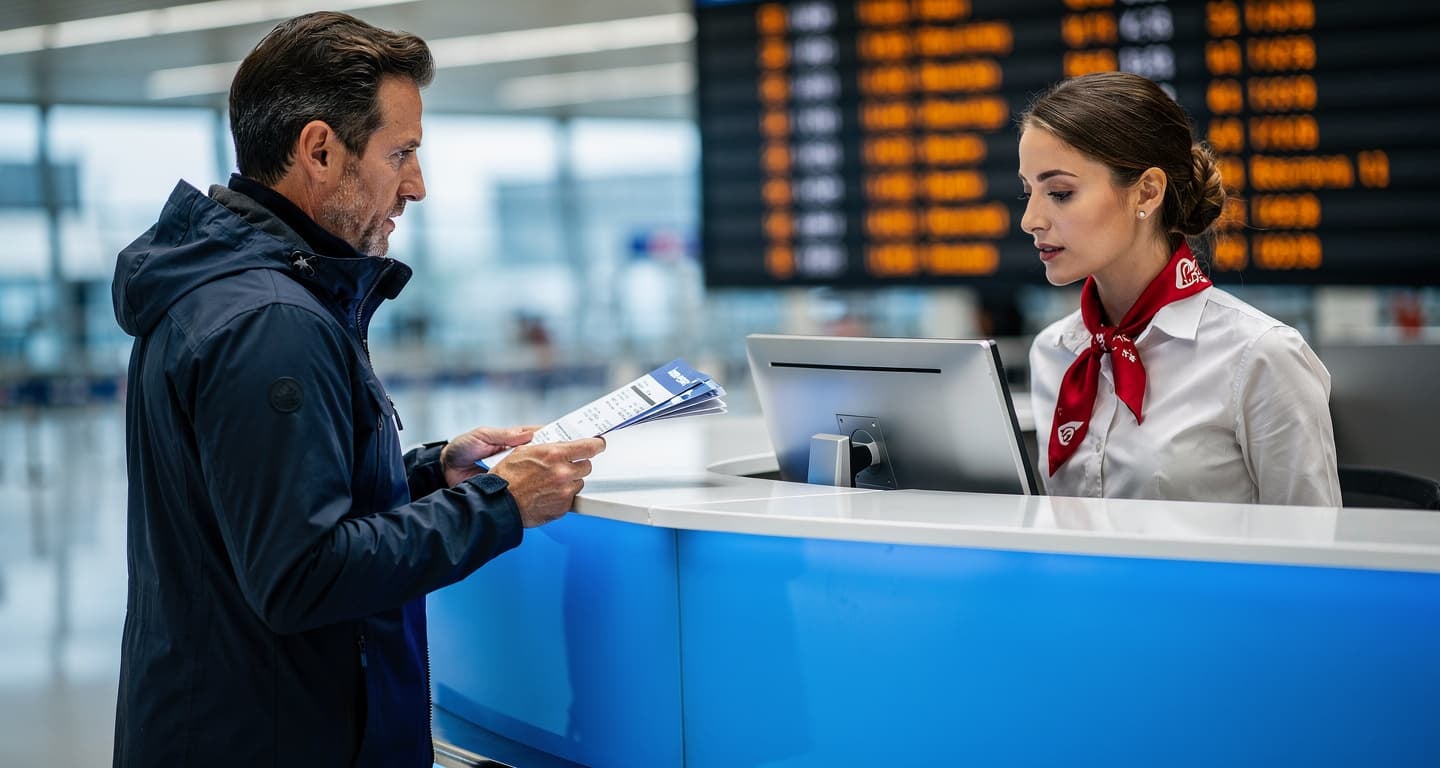
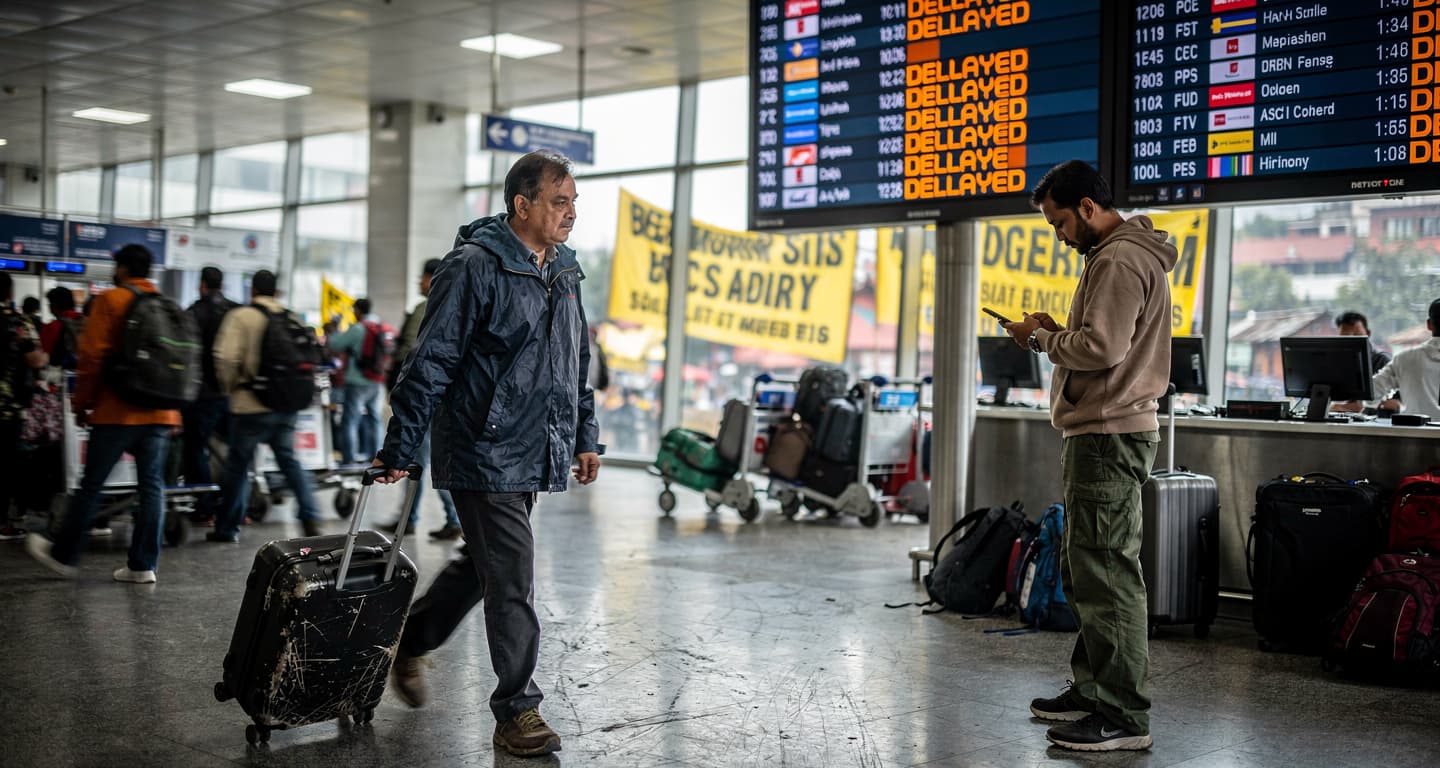
For international flights requiring 2-3 hour advance check-in, this buffer erosion is critical. A 4:00 PM departure with a 2:00 PM recommended airport arrival becomes a missed check-in if your transfer overlaps the drill window without added buffer time.
Why drills happen without warning to visitors
South Korea’s Civil Defense system is a legacy of the 1950-53 Korean War and ongoing tensions with North Korea. The drills test nationwide evacuation and shelter protocols, simulating air raid scenarios. While MOIS announces dates in Korean-language media 1-2 weeks prior, English-language alerts are inconsistent. The US Embassy in Seoul issues advisories for major drills (like the August 20, 2025 event), but regional October-November drills often lack tourist-facing notifications. This creates a planning gap for international travelers who don’t monitor Korean government channels.
2026 drill schedule projection and booking strategy
Based on 2024-2025 patterns, expect four drills in 2026: one in May, two in August (tied to Ulchi Freedom Shield), and one in October or November. The August drills are most predictable, historically occurring between August 18-22 to align with joint US-ROK military exercises. The 2026 Freedom Shield dates have not been officially announced as of February 2026, but the pattern suggests a mid-to-late August window.
For travelers from Australia and New Zealand, this timing overlaps with winter school holiday travel. If booking flights for South Korea departures from Australasia in August, check the MOIS website or US Embassy Seoul alerts 2-3 weeks before departure. May and October drills are less consistent in timing but follow the same 2:00 PM format.
| Drill Risk Window | Recommended Buffer | Example Flight | Why This Buffer |
|---|---|---|---|
| Before 1:00 PM arrival | 0 minutes | Asiana OZ221 (12:30 PM departure) | No drill overlap; standard transfer timing applies |
| 1:00-1:30 PM arrival | 15 minutes | Korean Air KE907 (3:00 PM departure) | Marginal overlap; drill may start during transfer |
| 1:30-3:00 PM arrival | 45 minutes | United UA894 (4:00 PM departure) | Full freeze + restart jam; highest delay risk |
| 3:00-5:00 PM arrival | 30 minutes | Qantas QF392 (5:30 PM departure) | Tail-end congestion from drill restart |
| Multi-day exercises (August) | 60 minutes | Any Friday-Sunday departure | Ulchi drills may extend 2-4 days with variable timing |
The table assumes a baseline 2-hour check-in window for international flights. If your airline requires 3 hours (common for US-bound flights), add that to the buffer calculation. For example, a 4:00 PM departure with 3-hour check-in means a 1:00 PM airport arrival target—directly in the high-risk drill window requiring the full 45-minute buffer.
Flight deals
most people never see
Our AI monitors 150+ airlines for pricing anomalies that traditional search engines miss. Air Traveler Club members save $650 per trip per person on average: see how it works.
Each deal saves 40–80% vs. regular fares:

How to monitor drill announcements and adjust plans
The Ministry of Interior and Safety’s English-language news portal publishes drill notices 1-2 weeks in advance, though updates are sporadic. The US Embassy in Seoul provides more reliable alerts for major nationwide drills via its Security Alert system, which US citizens can access through the STEP program. Canadian travelers can reference Travel Advice for South Korea on the Government of Canada website, which notes the March, May, August, and October drill pattern.
If you discover a drill is scheduled for your departure day after booking flights, recalculate your transfer timing. For example, if staying in Seoul’s Myeongdong district (typical 60-minute AREX ride to Incheon), a 4:00 PM flight normally requires a 1:00 PM hotel departure. On a drill day, leave at 12:15 PM to absorb the potential 45-minute delay and maintain the 2-hour check-in buffer.
Alternative strategies include booking earlier morning flights (before 1:00 PM departures eliminate drill risk entirely) or using Incheon’s Transit Hotel for overnight stays if your schedule allows. The hotel is located airside in Terminal 1 and eliminates ground transport variables, though it requires arriving the day before your flight.
What happens if you’re caught in a drill en route
If the 2:00 PM siren sounds while you’re in a taxi or on the AREX, the vehicle will stop immediately. Drivers are legally required to halt, and rail operators follow the same protocol. Pedestrians on the street will be directed by Civil Defense personnel into nearby shelters—typically subway stations, building basements, or designated public facilities marked with Civil Defense Shelter signs in English and Korean.
Foreign visitors are not legally required to enter shelters, but cooperation is expected. The drill lasts 15-20 minutes, after which an all-clear siren sounds and transport resumes. If you’re in a taxi, the meter continues running during the stop, adding to your fare. AREX trains resume service immediately, but expect crowding as multiple trains’ worth of passengers board simultaneously.
The restart congestion is most severe on the Incheon Bridge and Airport Expressway, where highway traffic merges back into motion. This is why the 30-45 minute total delay occurs despite the drill itself being brief. If you’re already at the airport when the drill begins, terminal operations continue normally—only inbound ground transport is affected.
When the drill strategy breaks down
The 45-minute buffer assumes a single 15-20 minute drill with predictable 2:00 PM timing. This breaks down in three scenarios:
Multi-day Ulchi exercises: During the August Ulchi Freedom Shield period (typically 3-4 days), drills may occur on consecutive days or at variable times. The 2025 exercise ran August 18-21 with the main Civil Defense drill on August 20. If traveling during this window, monitor daily announcements and consider adding a full 60-minute buffer for the entire exercise period.
Rescheduled drills: MOIS occasionally shifts drill dates due to weather or national events. The annual pattern (May/August/October) is consistent, but exact dates within those months vary. A drill announced for August 20 could move to August 22 with minimal notice, catching travelers who planned around the original date.
Regional vs. nationwide drills: October-November drills are sometimes regional rather than nationwide, affecting only specific provinces. These have less impact on Incheon (located in Gyeonggi Province), but the distinction is not always clear in English-language announcements. If unsure, apply the 45-minute buffer as a precaution.
Overnight flights departing after 8:00 PM are unaffected, as drills occur only during daytime hours. Red-eye departures to Australia or New Zealand eliminate drill risk entirely, though this limits flight options and may not align with your itinerary.
Questions? Answers.
How do I find the exact 2026 drill dates before booking flights?
Check the MOIS English news portal or US Embassy Seoul security alerts 1-2 weeks before your travel dates. The pattern is May, August (often twice), and October-November, but exact dates shift yearly. If booking months in advance, assume August 18-22 as the highest-risk window based on Ulchi exercise history.