Quick summary
The US State Department upgraded Oman to Level 3: Reconsider Travel on March 3, 2026, with a Level 4: Do Not Travel designation for the Yemen border area due to terrorism and armed conflict spillover. On March 13, 2026, the State Department ordered non-emergency US government personnel and their families to depart Oman amid escalating Middle East tensions.
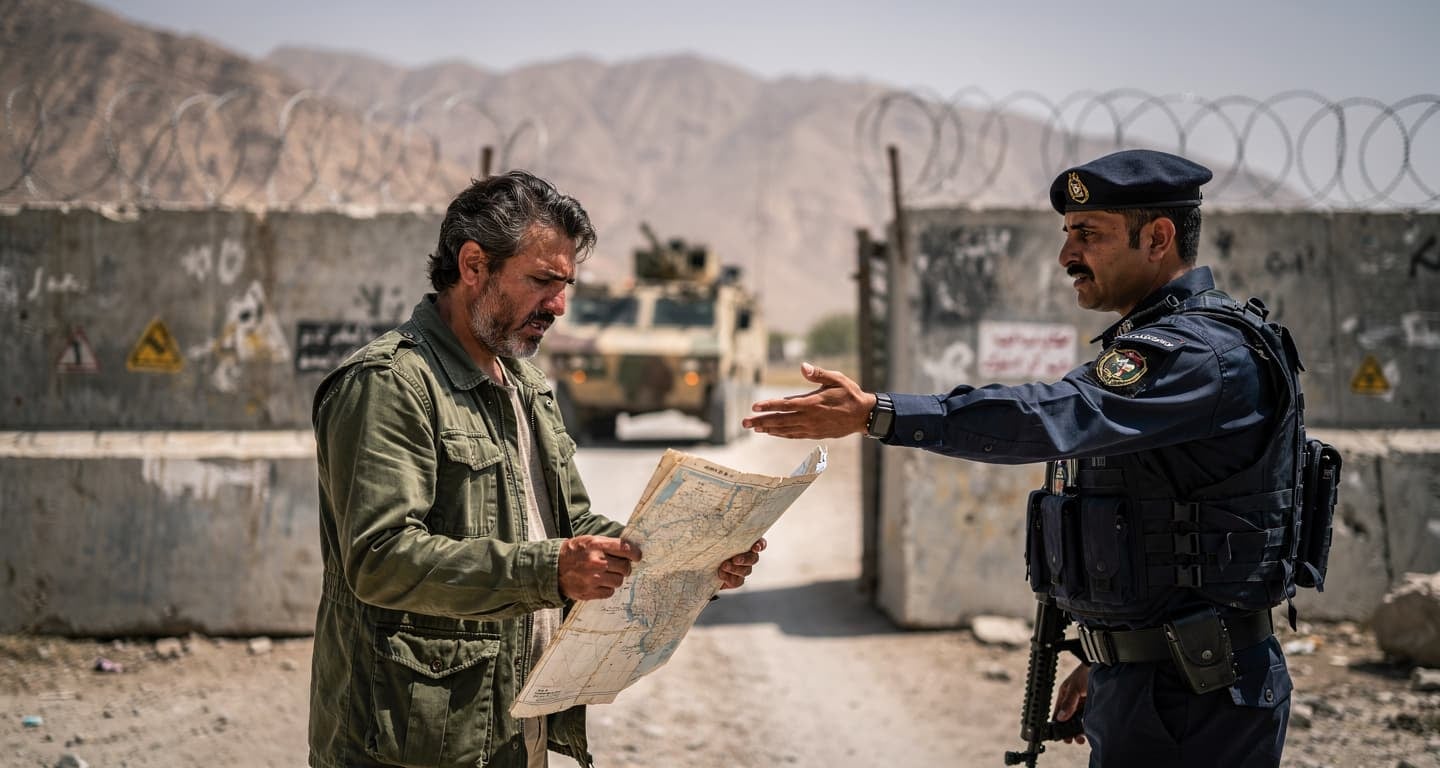
Salalah’s tourist zones remain safe, but the border fence area is off-limits. Frequent checkpoints operate throughout Dhofar — carry your passport when driving outside Muscat, and stay on the coastal Highway 1 route.
The US State Department’s Level 3 advisory for Oman draws a clear line: Dhofar’s tourist areas — including Salalah city and its airport — sit outside the restricted zone. The Level 4 designation applies exclusively to the Yemen border area, where terrorism risks and armed conflict spillover from Yemen’s ongoing civil war create conditions the State Department classifies as unsuitable for civilian travel.
For travelers flying into Salalah or driving the 1,000-kilometer coastal route from Muscat, the advisory changes nothing about access to Frankincense Land Resort, Al Baleed Archaeological Park, or the Empty Quarter dunes. It changes everything about attempting inland routes that approach the border fence. The March 2026 update followed December 2025 advances by Yemen’s Southern Transitional Council into Hadramout and Al-Mahra provinces — areas that share a 288-kilometer border with Oman’s Dhofar region.
Air Traveler Club’s March 2026 travel advisory monitoring flagged the Oman upgrade on March 3, escalating the country from Level 2 to Level 3 within 48 hours of the State Department’s regional security assessment.
What the Level 3 advisory means for Salalah trips
Level 3 does not prohibit travel — it advises US citizens to reconsider their plans and prepare for potential disruptions. The OSAC security alert on Oman evacuations issued March 16, 2026, clarified that the March 13 departure order applied to US government employees and their families, not to private US citizens. Commercial flights continue operating normally to both Muscat and Salalah.
The practical impact: travel insurance policies may exclude coverage for incidents occurring in Level 3 zones, and some policies void entirely for Level 4 areas. Verify your policy’s advisory tier thresholds before departure. Dhofar’s tourist infrastructure — hotels, tour operators, domestic flights — remains operational, but checkpoint delays have increased as Omani security forces monitor vehicle movement more closely.
Australian and Canadian travelers should note that their governments maintain lower advisory levels for Oman. Australia’s Department of Foreign Affairs rates Oman as “Exercise Normal Precautions” overall, with a “Do Not Travel” warning only for the immediate border area. The US advisory reflects American diplomatic personnel movements and may not align with risk assessments from other governments.
The border zone you must avoid
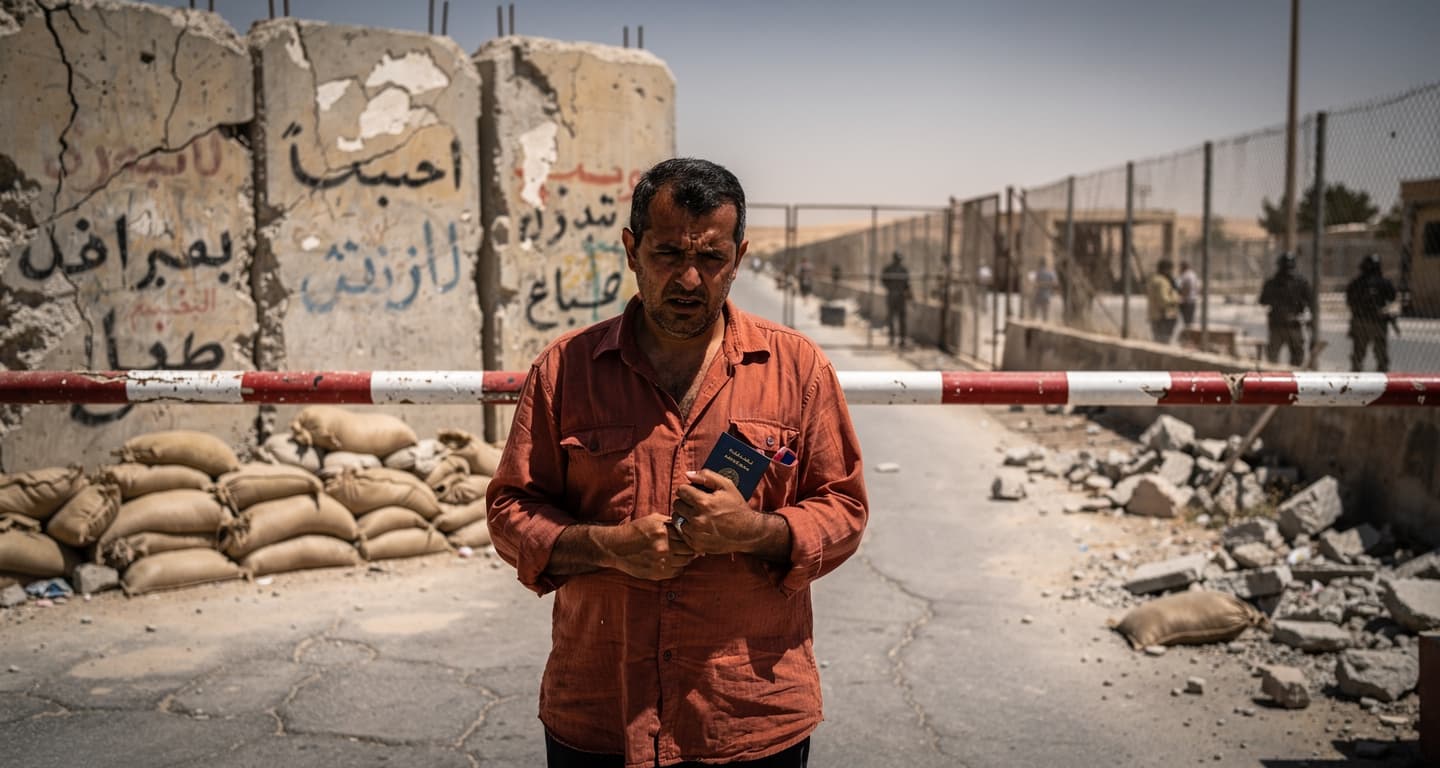
The Level 4 zone encompasses the area within approximately 10-15 kilometers of the Yemen border fence, running from the Arabian Sea coast inland through the eastern Dhofar mountains. This includes sections of the N-151 highway that approach the border near the towns of Sarfait and Rakhyut. The State Department does not publish precise GPS coordinates for the restricted zone — the guidance is categorical: do not approach the border fence.
Yemen’s civil war, now in its eleventh year, continues to generate spillover risks. Houthi forces control approximately 70% of Yemen’s population centers, including the capital Sana’a. Since October 2023, Houthi militants have launched more than 100 attacks on Red Sea shipping, according to the Department of Homeland Security’s March 14, 2026 assessment. The same DHS report noted that Yemen’s Temporary Protected Status designation ended May 4, 2026 — not because conditions improved, but because the program’s 18-month extension expired.
| Route | Distance | Risk Level | Checkpoints | Recommendation |
|---|---|---|---|---|
| Coastal Highway 1 | 1,000 km | Level 3 (safe) | Frequent in Dhofar | Primary route — carry passport |
| Inland N-151 (eastern section) | 950 km | Level 4 (border zone) | Minimal | Avoid entirely |
| Border fence area | N/A | Level 4 (Do Not Travel) | Armed military | Terrorism spillover risk |
The coastal Highway 1 adds approximately 50 kilometers compared to inland routes, but it eliminates all exposure to the Level 4 zone. Driving time from Muscat to Salalah via Highway 1 ranges from 10 to 12 hours depending on checkpoint delays. Expect 10-30 minute stops at each checkpoint — police verify passport details and vehicle registration for all travelers outside Muscat.

Flight deals
most people never see
Our AI monitors 150+ airlines for pricing anomalies that traditional search engines miss. Air Traveler Club members save $650 per trip per person on average: see how it works.
Each deal saves 40–80% vs. regular fares:

Why the advisory escalated in March 2026
The timing of Oman’s advisory upgrade correlates with two developments: the December 2025 Southern Transitional Council advances into Yemen’s eastern provinces, and the March 2026 reduction of US diplomatic presence in Muscat. The UN Security Council’s January 2026 briefing noted that Saudi Arabian troops massed along the Yemen border in December 2025, with airstrike warnings issued for areas adjacent to Oman’s Dhofar region.
The State Department’s March 13 departure order for non-emergency personnel followed a broader pattern of diplomatic drawdowns across the Middle East. The order did not cite a specific threat to Oman — it reflected a regional posture adjustment as tensions escalated in multiple theaters. For travelers, the practical consequence is reduced consular capacity at the US Embassy in Muscat.
Yemen’s instability shows no signs of resolution. The Houthi-controlled government in Sana’a continues to operate independently of the internationally recognized Presidential Leadership Council based in Aden. The Southern Transitional Council, which seized Hadramout and Al-Mahra provinces in December 2025, maintains its own military forces and has clashed with both Houthi and PLC units. This three-way fragmentation creates unpredictable spillover risks along Oman’s border.
Alternatives to driving Muscat-Salalah
Oman Air operates multiple daily flights between Muscat International Airport (MCT) and Salalah Airport (SLL). Flight time is 1 hour 30 minutes. One-way economy fares typically range from $80 to $120 USD when booked 2-4 weeks in advance. The airline uses Airbus A320 and Boeing 737 aircraft on this route — both single-aisle narrowbodies with 3-3 seating.
Flying eliminates all road risk and checkpoint delays. Salalah Airport sits within the safe tourist zone, approximately 5 kilometers from the city center. Ground transportation from the airport to hotels operates normally — taxis and rental cars are available at standard rates. The airport itself has not been affected by the advisory upgrade.
For travelers originating outside Oman, flight options to Oman from North America typically route through Gulf hubs — Doha, Dubai, or Abu Dhabi — before connecting to Muscat or Salalah. Direct North America-Oman service does not exist. The Gulf hub routing adds 3-5 hours to total journey time but provides multiple daily connection options.
When this advisory might change
State Department travel advisories update in response to security conditions, not on fixed schedules. The Level 3 designation for Oman will remain in effect until the State Department assesses that risks have diminished to Level 2 thresholds — or escalate to Level 4 if conditions deteriorate further.
The March 2026 advisory specifically cites terrorism and armed conflict spillover. For the advisory to downgrade, the State Department would need to observe sustained reduction in cross-border incidents and stabilization of Yemen’s eastern provinces. Neither condition appears likely in the near term. The Southern Transitional Council’s December 2025 territorial gains have not been reversed, and Houthi attacks on Red Sea shipping continue as of March 2026.
Travelers planning Oman trips for late 2026 or 2027 should monitor the US Embassy Oman advisory page for updates. The State Department typically issues revised advisories within 24-48 hours of significant security events. Subscribing to the Smart Traveler Enrollment Program (STEP) provides email alerts when advisories change.
What to do before your Oman trip
The coastal Highway 1 route remains open, and Salalah’s tourist infrastructure operates normally — but the March 2026 advisory changes your preparation requirements.
- Verify your insurance coverage against the policy’s advisory tier exclusions. Most policies void claims for incidents in Level 4 zones, and some exclude Level 3 zones entirely. If your policy excludes Level 3, purchase supplemental coverage that explicitly covers State Department advisory zones.
- Carry your passport in the vehicle when driving outside Muscat — photocopies and digital scans are not accepted at Dhofar checkpoints. Store the passport in a secure location accessible to the driver, not in checked luggage or the trunk.
- Download offline maps for the Highway 1 route before departure. Mobile coverage drops intermittently south of Haima. Google Maps and Maps.me both support offline navigation — download the Oman map package while connected to WiFi.
- Monitor the State Department advisory page within 7 days of departure. If the advisory escalates to Level 4 for all of Oman, most travel insurance policies will honor cancellation claims filed within 24-48 hours of the upgrade.

Questions? Answers.
Is Salalah Airport safe if I fly direct instead of driving?
Yes. Dhofar’s tourist areas, including Salalah Airport, sit outside the Level 4 border zone and remain accessible under the Level 3 advisory. The State Department’s Do Not Travel designation applies exclusively to the Yemen border area — not to Salalah city or its airport. Flying eliminates all road risk.
What if I’m Australian or Canadian — does the US advisory apply to me?
No. The US advisory applies to US citizens. Australia’s Department of Foreign Affairs rates Oman as “Exercise Normal Precautions” overall, with a “Do Not Travel” warning only for the immediate border area. Canadian and European advisories similarly maintain lower risk levels than the US assessment. Check your own government’s travel advisory site for guidance specific to your nationality.
How frequent are Dhofar checkpoints and what do they check?
Checkpoints operate at governorate boundaries and major highway junctions along Highway 1. Police verify passport details and vehicle registration for all travelers — expect 10-30 minute stops at each checkpoint. The longest delays occur at the Dhofar entry checkpoint south of Haima, where all traffic funnels through a single inspection point. Carry your original passport, not a photocopy.
Does the end of Yemen’s Temporary Protected Status mean the border is safer?
No. The Department of Homeland Security terminated Yemen’s TPS on May 4, 2026, because the program’s 18-month extension expired — not because conditions improved. The same DHS assessment noted that Houthi forces control 70% of Yemen’s population and have launched more than 100 attacks on Red Sea shipping since October 2023. Border risks remain unchanged.
Can I drive inland routes to save time?
No. The N-151 highway’s eastern section approaches the Yemen border and falls within the Level 4 Do Not Travel zone. The State Department guidance is categorical: do not approach the border fence. Stick to the coastal Highway 1 route — it adds 50 kilometers but eliminates all exposure to the restricted zone.
Will my travel insurance cover me in a Level 3 zone?
It depends on your policy’s advisory tier exclusions. Most policies void claims for incidents in Level 4 zones, and some exclude Level 3 zones entirely. Read the fine print on State Department advisory exclusions before departure. If your policy excludes Level 3, purchase supplemental coverage that explicitly covers advisory zones — standard policies often do not.
What happens if the advisory escalates to Level 4 after I’ve booked?
If the State Department upgrades Oman to Level 4 for all areas, most travel insurance policies honor cancellation claims filed within 24-48 hours of the advisory change. The policy must have been purchased before the advisory escalated — you cannot buy coverage after the upgrade and claim retroactively. Monitor the State Department advisory page within 7 days of your departure date.