Quick summary
The Batken region and Kyrgyzstan’s border areas with Tajikistan remain under “Do Not Travel” advisories from Australian Smartraveller and the US State Department as of March 2026. Sporadic gunfire and armed clashes persist despite a 2025 border delimitation agreement — the February 2026 closure of Lyailyak checkpoint in Batken following mutual accusations confirms ongoing volatility. The 2022 conflict killed 59 Kyrgyz citizens and displaced 140,000 residents from Batken, and the security environment has not stabilized sufficiently to lift Level 4 warnings.
Established tourist circuits around Issyk-Kul Lake, Bishkek, and Naryn remain stable with normal precautions. Travelers planning treks near any border zone must secure special permits from Kyrgyzstan’s Ministry of Foreign Affairs 5–10 days in advance and hire knowledgeable local guides — a process that adds $100–300 USD and 1–3 days to itinerary timelines.
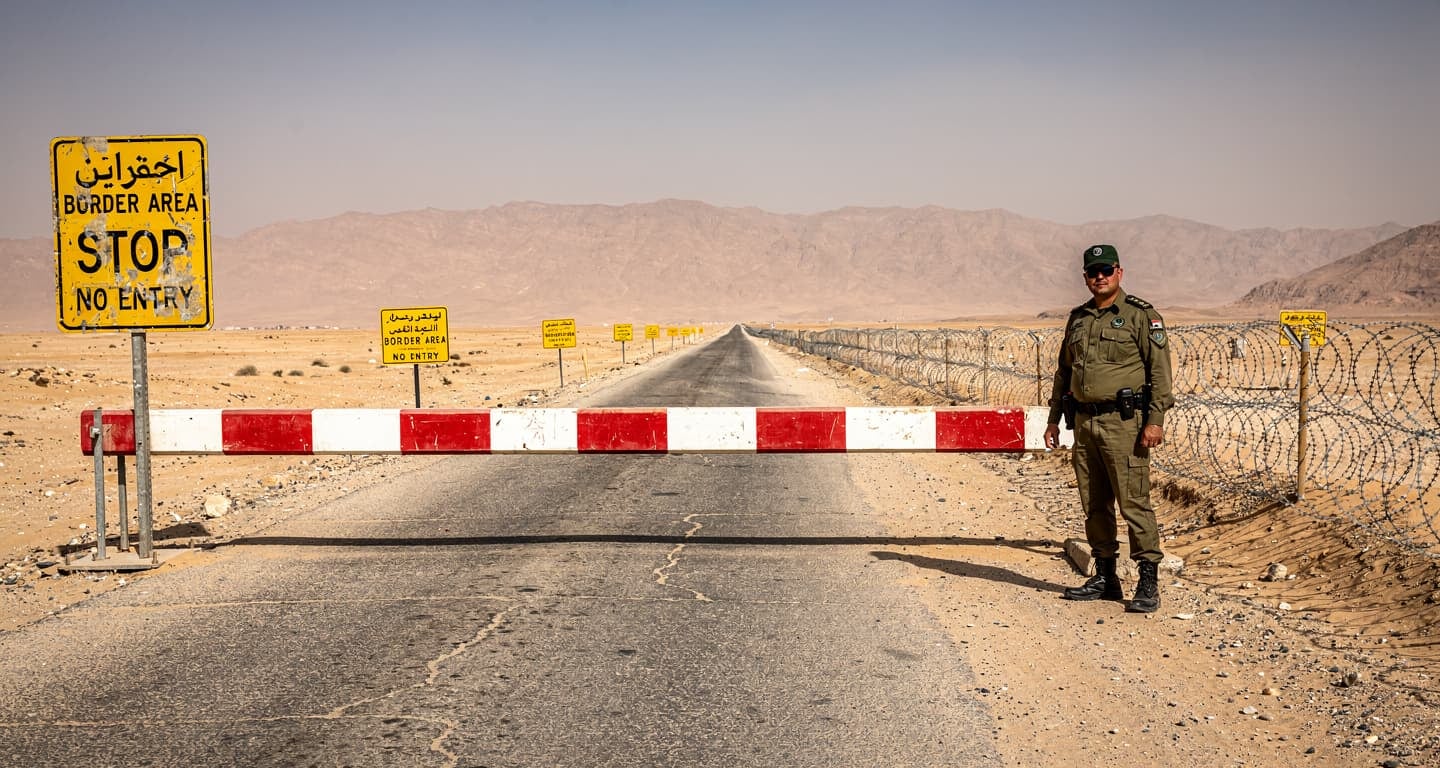
Kyrgyzstan’s 984-kilometer shared border with Tajikistan remains a flashpoint for armed conflict, with 30% of the boundary still disputed despite diplomatic progress. Australian Government Smartraveller and the US State Department both maintain “Do Not Travel” (Level 4) advisories for Batken Oblast and immediate border zones, citing risks of gunfire, armed clashes, and inadequate emergency response infrastructure. For travelers departing Australia or New Zealand between March 2026 and December 2026, this advisory eliminates overland routes through the Fergana Valley and requires rerouting via stable northern circuits.
The most recent incident occurred February 8, 2026, when Tajikistan closed the Lyailyak checkpoint in Batken following accusations of unauthorized construction — a pattern consistent with the 2022 escalation that killed 59 Kyrgyz citizens and forced 140,000 evacuations. Air Traveler Club’s travel advisory monitoring flagged this closure within 48 hours, escalating Batken’s risk profile to “active conflict zone” for the February–April 2026 window. The World Bank’s August 2024 post-conflict assessment allocated $10 million for Batken reconstruction, but security infrastructure remains fragile.
Travelers can access safe alternatives: Issyk-Kul Lake circuits, Bishkek urban exploration, and Naryn’s Song Kol trekking routes operate under “Exercise Normal Precautions” advisories. The decision point is geographic — any itinerary within 50 kilometers of the Tajik border requires permit approval and guide accompaniment, while northern routes avoid the advisory zone entirely.
Which regions are safe and which require rerouting
Kyrgyzstan’s tourism infrastructure divides into four distinct risk zones, each governed by different advisory levels and operational constraints. The table below quantifies the decision framework for itinerary planning:
| Region | Advisory Level | Primary Risks | Safe Alternatives | Permit Requirements |
|---|---|---|---|---|
| Batken (near Tajik border) | Do Not Travel | Armed clashes, gunfire; 2022: 59 deaths, 140k evacuated; Feb 2026 checkpoint closure | Fly to Osh, bus north to Issyk-Kul | Special MFA permit + mandatory guide |
| Issyk-Kul Lake | Exercise Normal Precautions | Petty theft in tourist areas | Primary trekking circuit; no alternatives needed | None |
| Bishkek | Exercise Normal Precautions | Urban crime (pickpocketing) | Day trips to Ala Archa National Park | None |
| Naryn | Reconsider Travel | Harsh weather, remote roads; limited emergency services | Karakol-based treks (lower altitude) | Local guide recommended |
The Batken advisory eliminates overland access from Uzbekistan’s Fergana Valley, a route historically used by travelers combining Central Asian circuits. The 2022 conflict saw artillery and drone strikes reach Osh airport’s outskirts — while Osh itself remains accessible, ground transport south to Batken carries misconnection risk if clashes resume. The Australian Government’s Smartraveller advisory explicitly warns against all travel to border areas, noting that consular assistance is severely limited in conflict zones.
Naryn’s “Reconsider Travel” classification stems from environmental rather than security factors — winter road closures and altitude sickness risks, not armed conflict. Travelers comfortable with high-altitude trekking and self-sufficient logistics can access Naryn with local guides, but the advisory reflects infrastructure gaps rather than active threats. Issyk-Kul and Bishkek operate under standard urban and resort precautions, with zero security incidents reported in these zones from 2023 through March 2026.
Flight deals
most people never see
Our AI monitors 150+ airlines for pricing anomalies that traditional search engines miss. Air Traveler Club members save $650 per trip per person on average: see how it works.
Each deal saves 40–80% vs. regular fares:

Why the 2025 border deal hasn’t eliminated travel risks
Kyrgyzstan and Tajikistan signed a historic border delimitation agreement in 2025, resolving 98% of disputed boundary segments after decades of negotiations. The agreement formalized 1,063 kilometers of the 1,084-kilometer border, leaving only 21 kilometers under negotiation. Yet the February 2026 Lyailyak checkpoint closure demonstrates that local tensions override diplomatic progress — the remaining 2% of unresolved territory sits in Batken, where competing claims over water access and grazing rights trigger sporadic confrontations.
The 2022 war used artillery, mortars, and drones — a significant escalation from the small-arms skirmishes of the 2010s. Casualty figures from that conflict (59 Kyrgyz deaths, 140,000 displaced) reflect the scale of military engagement, not isolated border incidents. The World Bank’s $10 million reconstruction program focuses on schools and health facilities destroyed in 2022, but security infrastructure — border posts, communication networks, rapid-response capacity — remains underfunded.
The diplomatic calendar shows progress: 2025 saw multiple high-level meetings, and both nations committed to joint border patrols. But implementation lags. The February 2026 checkpoint closure followed accusations of unauthorized construction on disputed land — the same trigger that sparked the 2022 escalation. Until joint patrols operate continuously and dispute resolution mechanisms function in real-time, the advisory status reflects operational reality rather than diplomatic optimism.
How to obtain border permits for permitted trekking zones
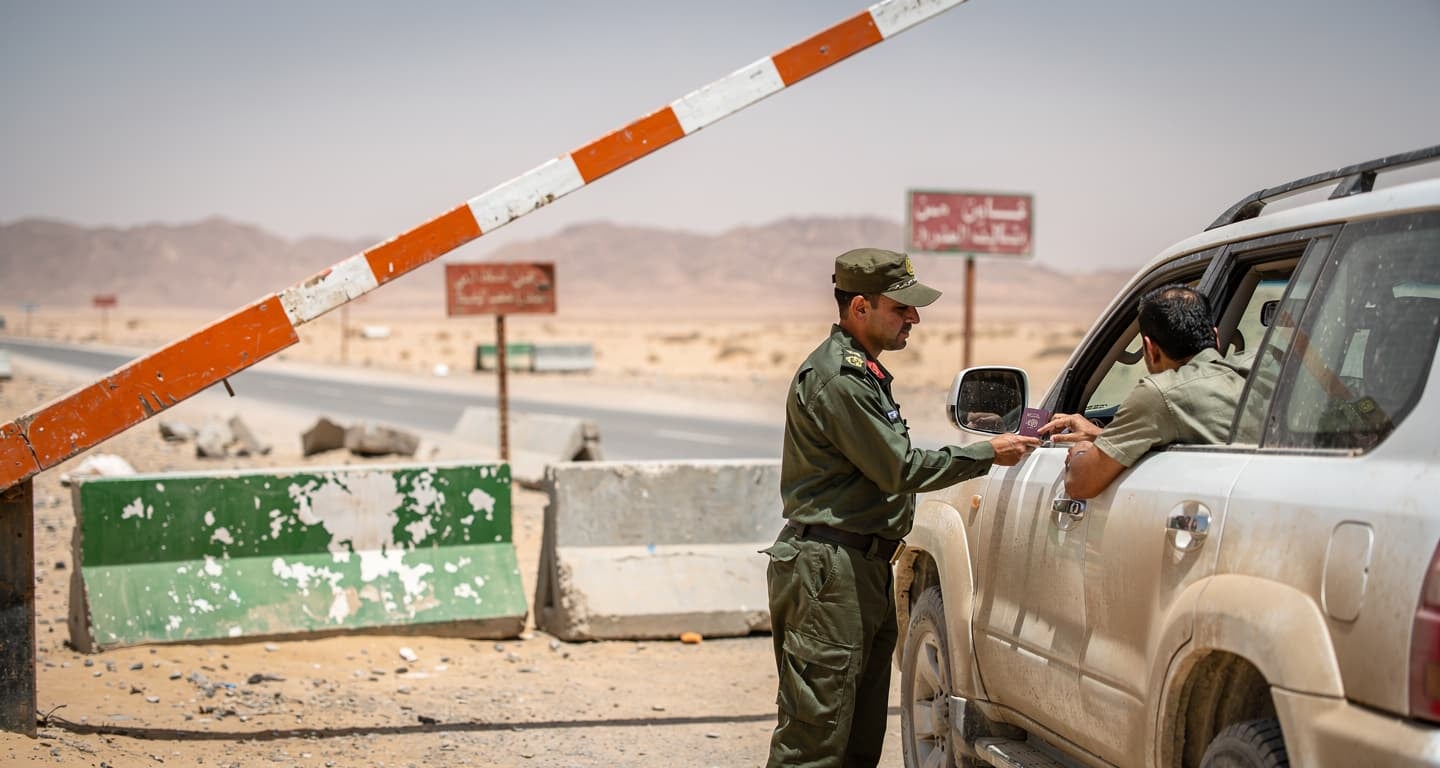
Kyrgyzstan’s Ministry of Foreign Affairs issues special border zone permits for travelers with legitimate trekking or research purposes in areas within 50 kilometers of international boundaries. The application process requires a detailed itinerary, proof of guide engagement, and passport copies — processing takes 5–10 business days and costs approximately $20 USD. Permits are valid for 30 days from the issue date and specify exact geographic coordinates for permitted zones.
The permit does not authorize entry to Batken or other Level 4 zones — it covers border-adjacent areas in Naryn and Osh oblasts where trekking routes approach but do not cross disputed boundaries. Guides must hold valid credentials from Kyrgyzstan’s Community-Based Tourism Association, and their contact details must appear on the permit application. The guide fee ranges from $50–100 USD per day, depending on route difficulty and group size.
Travelers should apply through Kyrgyzstan’s e-visa portal or via the nearest embassy if applying from outside the country. The MFA cross-references applications with current security assessments — if clashes escalate, permits for specific zones may be suspended without refund. This happened in September 2022, when all Batken permits were revoked and trekkers were required to exit the region within 48 hours.
When organized tours don’t reduce risk
Tour operators offering Fergana Valley circuits or Batken cultural experiences cannot override government advisories — if the region is classified Level 4, the tour company’s insurance and liability protections evaporate. During the 2022 conflict, several organized groups were evacuated from Batken under UN coordination, and participants later discovered their travel insurance policies denied claims because they had entered an advisory zone.
The critical distinction: a tour operator’s permit to operate in Kyrgyzstan does not constitute a border zone permit. Some operators market “safe passage” through Batken by claiming local connections or security arrangements, but these do not change the advisory status. If clashes erupt, consular staff prioritize evacuations based on nationality and location — tour group membership does not accelerate extraction.
Travelers should verify that any tour operator offering border-adjacent itineraries holds valid MFA permits for the specific dates and routes. Request copies of the permits before booking, and confirm that the operator’s insurance covers conflict-zone evacuations. If the operator cannot provide documentation, the tour is operating outside regulatory frameworks, and participants assume full liability.

Questions? Answers.
How do I apply for a Kyrgyzstan border zone permit?
Submit your application through the Kyrgyzstan Ministry of Foreign Affairs e-visa portal or at the nearest embassy. You’ll need a detailed itinerary, proof of guide engagement (name, credentials, contact details), passport copies, and the $20 USD processing fee. Processing takes 5–10 business days, and permits are valid for 30 days from issue. The permit specifies exact geographic coordinates — you cannot deviate from the approved route.
Are flights into Osh airport safe for accessing southern Kyrgyzstan?
Osh airport itself operates normally, but ground transport south toward Batken carries risk. The 2022 conflict saw shelling reach Osh’s outskirts, and the February 2026 checkpoint closure demonstrates that tensions can escalate rapidly. If your itinerary requires Osh access, arrange airport pickup with your guide and avoid independent ground travel toward the Tajik border. Bishkek provides safer access to stable northern circuits.
Does the 2025 Kyrgyzstan-Tajikistan border agreement make travel safer?
The agreement resolved 98% of boundary disputes, but the remaining 2% sits in Batken — the most volatile zone. The February 2026 Lyailyak checkpoint closure shows that local tensions override diplomatic progress. Until joint border patrols operate continuously and dispute resolution mechanisms function in real-time, the Level 4 advisory remains justified. The agreement is a positive step, but implementation lags behind signing.
Can I trek near Kyrgyzstan’s border with Uzbekistan instead?
The Uzbekistan border is significantly calmer than the Tajik frontier — no armed clashes have occurred there since the 1999 Batken incursion. However, trekking routes in the Fergana Valley still require permits and guides due to proximity to sensitive border infrastructure. The US State Department classifies Uzbek border areas as “Exercise Increased Caution” rather than “Do Not Travel,” reflecting the lower risk profile.
Will my travel insurance cover me if I have a permit and guide for border trekking?
Most policies cover permitted border zones if you can prove compliance with permit conditions and guide requirements. However, coverage voids entirely for Level 4 “Do Not Travel” zones like Batken, regardless of permits. Read your policy’s conflict-zone exclusions carefully — some insurers define “advisory zones” broadly and may deny claims even for permitted areas if clashes occur nearby.
Have there been any security incidents in Issyk-Kul or Bishkek recently?
Zero armed conflict incidents have been reported in Issyk-Kul or Bishkek from 2023 through March 2026. These regions operate under “Exercise Normal Precautions” advisories, with risks limited to urban crime (pickpocketing, petty theft) and standard tourist-area scams. The security environment in northern Kyrgyzstan is stable and comparable to other Central Asian tourist destinations.
What happens if I’m caught trekking in a border zone without a permit?
Kyrgyzstan’s border guards have authority to detain travelers in restricted zones, and fines range from $500–2,000 USD depending on the severity of the violation. In some cases, travelers have been held for 24–48 hours while authorities verify identity and intent. Your embassy can provide consular assistance, but they cannot override local law enforcement decisions. If you’re detained during a period of heightened tensions, release timelines become unpredictable.