Taxi touts at Kuwait International Airport charge $65+ USD for a ride that costs $20-25 USD through official channels—a 200% markup targeting exhausted travelers who don’t know the local rates. The fix takes 30 seconds: download the Careem app before you land.
Air Traveler Club’s ground transport analysis across Gulf airports identifies Kuwait as one of the region’s worst offenders for arrival hall price gouging. The official airport taxi system uses fixed zone pricing—4-8 KWD ($13-26 USD) to most city destinations—while freelance drivers exploit the information gap to triple those rates. For travelers transiting Kuwait en route to Asia-Pacific destinations, understanding these options eliminates a predictable $40+ loss before your trip even begins.
The three-tier pricing reality at KWI
Kuwait International operates a fixed-zone taxi system that eliminates meter anxiety—but only if you know it exists. The official airport taxi zone fares range from 4 KWD (Zone 1, nearby areas like Aldajeej) to 20 KWD (distant zones like Jahra). Most travelers heading to Kuwait City, Salmiya, or Hawalli pay 7-8 KWD ($23-26 USD).
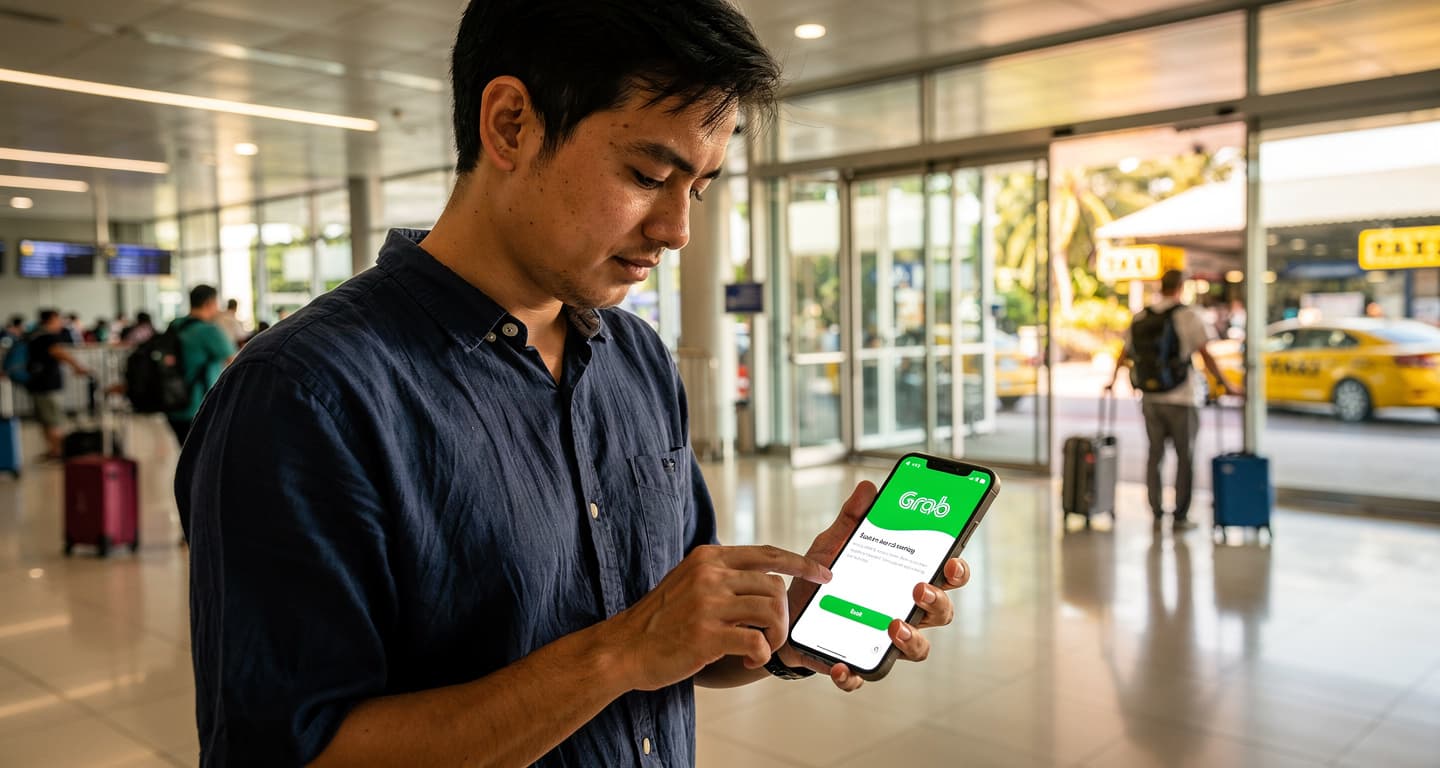
Careem—the Middle East’s dominant ride-hailing app, now owned by Uber—typically prices these same routes at 5-8 KWD, occasionally undercutting official taxis by 15-20%. The app locks in your fare before pickup, shows driver ratings, and provides a GPS-tracked route. The designated pickup zone is clearly signed inside the terminal, a 2-3 minute walk from customs.
The touts working the arrival hall know exactly who to target: travelers without local SIM cards, those unfamiliar with Kuwaiti currency, and anyone visibly jet-lagged. Their opening ask of 15-20 KWD ($50-65 USD) assumes you won’t negotiate—and most Western travelers don’t.
| Destination | Official Taxi (KWD) | Careem Est. (KWD) | Tout Asking Price (KWD) | Savings vs Tout |
|---|---|---|---|---|
| Kuwait City Center | 8 | 6-8 | 18-20 | 60-70% |
| Salmiya/Hawalli | 8 | 7-8 | 18-20 | 60-65% |
| Shuwaikh/Farwaniya | 7-10 | 6-8 | 15-18 | 55-65% |
| Jahra (distant) | 15-20 | 12-18 | 25-30 | 40-50% |
The Careem protocol: download before you land
Careem requires a working phone number for verification—ideally your home number, as SMS verification works internationally. Download and register the app before departure while connected to reliable WiFi. Add a payment card to avoid cash negotiations entirely.
Upon landing, connect to KWI’s free terminal WiFi (no registration required) and request your ride. The app’s geofence recognizes the airport and directs you to the designated pickup area. Drivers typically arrive within 5-10 minutes during regular hours.
Why Careem dominates the Gulf
Uber acquired Careem in 2020 for $3.1 billion, but kept the brand intact across the Middle East where it held 80%+ market share. The app works identically to Uber but with Arabic-first interface options, local payment methods like K-Net, and driver pools specifically licensed for Gulf airports. In Kuwait, Careem drivers undergo government background checks that freelance touts skip entirely.
If you prefer not to use ride-hailing apps, the Airport Taxi desk inside the terminal offers fixed-rate bookings at official zone prices. Slightly less convenient than Careem—you’ll wait for dispatch rather than tracking your driver live—but still 60%+ cheaper than tout rates.
Flight deals
most people never see
Our AI monitors 150+ airlines for pricing anomalies that traditional search engines miss. Air Traveler Club members save $650 per trip per person on average: see how it works.
Each deal saves 40–80% vs. regular fares:

The budget option: public buses at 95% savings
For travelers prioritizing savings over speed, Kuwait’s CityBus network serves the airport 24/7. Routes 13, 99, and 501 connect to areas like Khaitan, Shuwaikh, and central Kuwait City for just 0.25-0.30 KWD ($0.80-1.00 USD)—a 95% discount versus even official taxis.
The trade-offs are real: limited luggage space, stops every few minutes, and journey times of 30-45 minutes versus 15-20 by taxi. Express routes X1 and X5 cost 1 KWD and run direct to major hubs, halving the time penalty. For travelers connecting through Kuwait to Asia-Pacific destinations, the bus option works best for short layovers where you’re exploring rather than rushing to a hotel.
Critical detail: Buses require exact change in Kuwaiti fils coins. ATMs in the arrival hall dispense notes only. Either bring coins from a previous Gulf visit or accept you’ll overpay with a 1 KWD note for a 250 fils fare.
When the savings math changes
Three scenarios shift the calculus away from Careem toward alternatives:
- Late-night arrivals (midnight-5am): Careem driver availability drops significantly. Official taxi desk remains staffed, but waits extend to 15-20 minutes. Buses run 24/7 but frequencies drop to every 30-45 minutes.
- Groups of 4+ passengers: Standard taxis and Careem cap at 4 passengers. Larger groups need multiple vehicles or the airport’s minivan service (pre-book through the taxi desk at approximately 1.5x standard zone rates).
- Distant zones like Jahra or Fahaheel: Official rates climb to 15-20 KWD, and Careem may surge to 12-18 KWD during peak hours. The savings gap versus touts narrows to 40-50%, though still meaningful.
Careem surge pricing during peak arrival windows (typically 10pm-midnight when Gulf flights cluster) can add 20-50% to base fares. The app shows surge multipliers before you confirm—if pricing looks elevated, the taxi desk offers fixed rates unaffected by demand spikes.
The currency conversion you need
The Kuwaiti Dinar (KWD) is the world’s highest-valued currency unit: 1 KWD = approximately $3.25 USD (January 2026). This means tout quotes of “only 20” sound reasonable until you realize that’s $65 USD for a 15-kilometer ride.
When touts negotiate in dollars rather than dinars, they’re counting on conversion confusion. Always ask for KWD pricing and mentally multiply by 3.25. An 8 KWD official fare equals $26 USD—the benchmark against which any quote should be measured.
Questions? Answers.
Does Careem have a dedicated pickup zone at Kuwait International?
Yes. After clearing customs, follow signs for ride-hailing pickup—a 2-3 minute walk from the arrival hall. The geofenced zone prevents drivers from collecting passengers elsewhere in the terminal, which also keeps you away from the tout congregation areas.
Can I pay official airport taxis with a credit card?
Most official taxis accept cash only (Kuwaiti Dinars). The Airport Taxi desk sometimes processes card payments, but confirm before booking. Careem accepts all major credit cards through the app, making it the most convenient cashless option.
What if I arrive without a working smartphone?
Head directly to the Airport Taxi desk inside the terminal. Staff will assign you a vehicle at fixed zone rates. Avoid the informal drivers approaching you in the arrival hall—they operate outside the official system and set their own prices.
Are public buses practical with large luggage?
Routes 13, 99, and 501 have limited luggage space and no dedicated storage. If you’re traveling with more than a carry-on, taxis or Careem are more practical. Express routes X1 and X5 offer slightly more room but still aren’t designed for multiple large bags.
How do I report a tout who overcharged me?
Freelance touts operate outside Kuwait’s regulated taxi system, making formal complaints difficult. Your best protection is prevention: use Careem or the official taxi desk. If you’ve already paid an inflated fare, there’s no practical recourse beyond leaving reviews on travel forums to warn others.