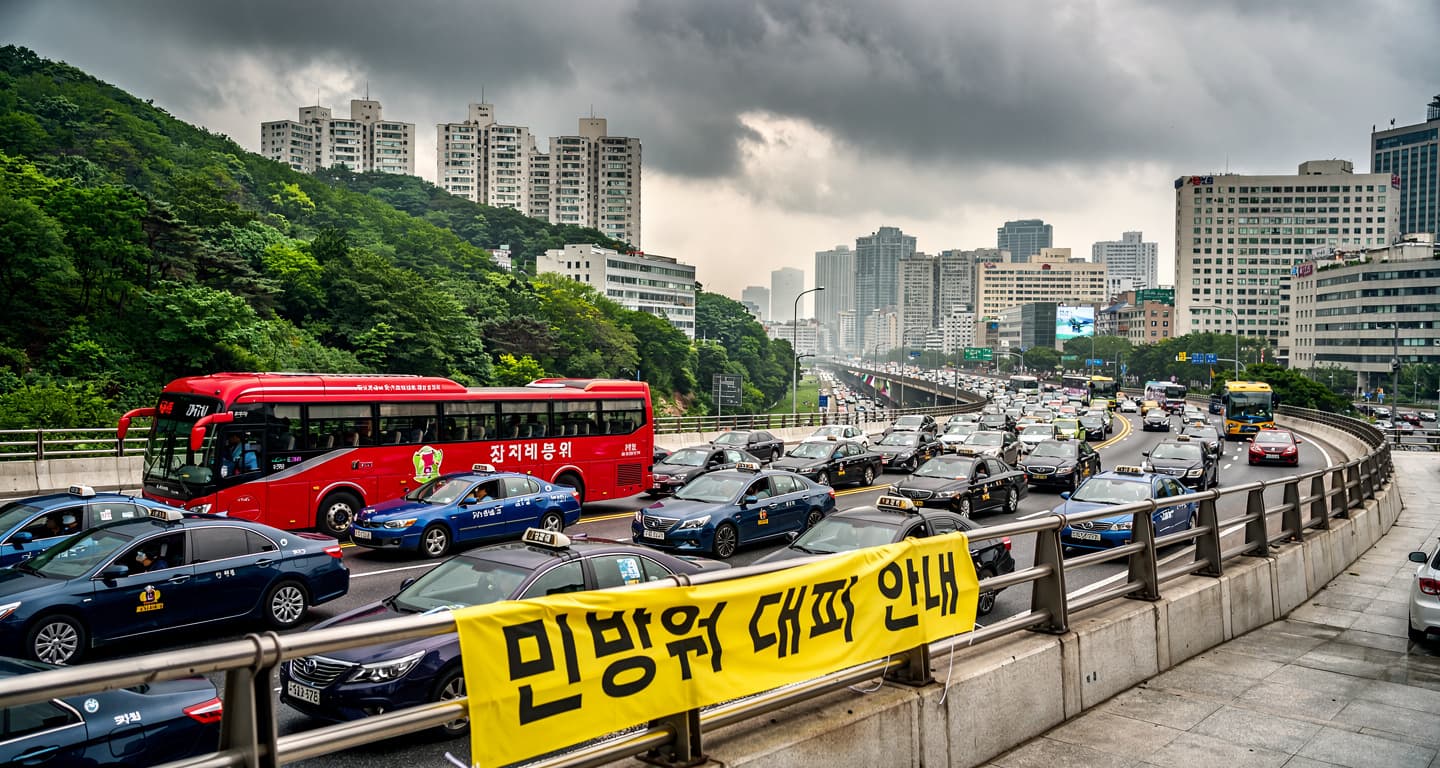
Kuala Lumpur’s highway traffic from KLIA can turn a simple airport transfer into a 90-minute ordeal—and that’s on a normal day. During monsoon rains or rush hour, Grab rides regularly exceed two hours. The KLIA Ekspres train eliminates this uncertainty entirely: 28 minutes to KL Sentral, guaranteed, for RM 55 (roughly $12 USD / €11 / £9).
For travelers arriving on long-haul flights from the US, Europe, or Australia between January and December 2026, this decision shapes your entire first impression of Malaysia. The train runs every 15 minutes during peak hours, operates from 5AM to 12:30AM, and delivers you to the city’s central transport hub with zero traffic exposure. Grab’s variable pricing (RM 60-120 depending on demand and surge) combined with unpredictable ETAs makes the math simple for anyone with time-sensitive plans.
The numbers that end the debate
Air Traveler Club’s analysis of KLIA transfer options reveals a consistent pattern: the train wins 80% of scenarios where predictability matters more than door-to-door convenience. The breakeven calculation shifts only when groups exceed three passengers traveling to non-central destinations during off-peak hours.
| Scenario | Option | Cost (RM) | Time (Min) | Reliability |
|---|---|---|---|---|
| Solo, peak hour | KLIA Ekspres | 55 | 28 | 10/10 |
| Group of 4, off-peak | GrabCar | 80-100 | 45-60 | 6/10 |
| Departure, <2hr to flight | KLIA Ekspres | 55 | 28 | 10/10 |
| Budget to Bukit Bintang | Transit + LRT | 47 | 50 | 8/10 |
| Rainy rush hour | Grab | 100-120 | 90+ | 3/10 |
Grab’s surge pricing during rain or rush hour pushes fares to 1.5-2x the base rate—a RM 60 ride becomes RM 100-120 while simultaneously taking three times longer. The train price never changes.
Why departures demand the train
The most critical advice applies to airport-bound journeys, not arrivals. Missing a flight due to traffic is catastrophic; arriving at your hotel 45 minutes late is merely annoying. Malaysia Airports Holdings Berhad (MAHB) data shows a 20% increase in highway congestion post-monsoon season, with the ELITE and PLUS expressways experiencing 90+ minute delays during peak periods.
KLIA Ekspres maintains 99.5% uptime against IATA benchmarks for airport rail links. The train departs KL Sentral every 15-20 minutes, meaning even if you miss one, you’re still on schedule. Grab’s “fixed fare” option locks your price but cannot guarantee arrival time—and no app can override gridlocked highways.
The luggage advantage nobody mentions
KLIA Ekspres allows up to 4 bags per passenger (25kg each) at no extra charge. Grab charges RM 5-10 per bag beyond three, and larger groups often discover their GrabCar can’t fit everyone’s luggage—requiring a second vehicle or SUV upgrade that doubles the cost.
For travelers connecting through KL on intra-Asia positioning flights, the train’s reliability becomes even more valuable. A 3-hour layover in the city works perfectly with 28-minute guaranteed transfers. A 90-minute traffic delay eliminates that window entirely.
Flight deals
most people never see
Our AI monitors 150+ airlines for pricing anomalies that traditional search engines miss. Air Traveler Club members save $650 per trip per person on average: see how it works.
Each deal saves 40–80% vs. regular fares:

Ekspres versus Transit: the RM 13 question
KLIA Ekspres and KLIA Transit share the same track but serve different purposes. Ekspres runs non-stop in 28 minutes for RM 55. Transit makes nine intermediate stops, taking 33-35 minutes for RM 42—a RM 13 savings that matters for budget travelers or those staying near southern stations like Bandar Tasik Selatan.
The distinction becomes relevant for hotels outside the Sentral area. If you’re staying in Bukit Bintang, the calculation changes: Ekspres to Sentral (RM 55, 28 minutes) plus LRT (RM 2-5, 10 minutes) totals RM 60 and 40 minutes. Grab direct to Bukit Bintang runs RM 70-100 and 50-90 minutes. According to the official KLIA2 transfer guidelines, rail remains faster for central destinations even with an additional connection.
Return tickets cost RM 100 and remain valid for 30 days from first use—useful for travelers with flexible departure dates or those making multiple trips through KL during a longer Southeast Asian itinerary.
When Grab actually makes sense
Three scenarios favor rideshare over rail:
- Groups of four or more with heavy luggage traveling off-peak. At RM 80-100 split four ways (RM 20-25 per person), Grab undercuts the train’s RM 55 per-person fare while providing door-to-door service. This only works when traffic is light—typically before 7AM or after 9PM.
- Hotels far from KL Sentral or LRT stations. Brickfields, Bangsar South, or suburban accommodations may require taxi connections from Sentral anyway, eliminating the train’s time advantage.
- Late-night arrivals after 12:30AM. Ekspres stops running, leaving Grab, taxis, or overnight buses as the only options. Pre-book with a 60-minute buffer for traffic.
Even in these scenarios, never use Grab for departures during peak hours. The anxiety of watching your flight time approach while stuck in traffic isn’t worth any savings.
Booking and logistics
Purchase tickets at KLIA/KLIA2 stations, KL Sentral counters, or online at the official KLIA Ekspres website. Online booking offers no discount but saves queuing time. The train departs from both KLIA1 and KLIA2—check your terminal before heading to the platform.
For inter-terminal transfers (flying into KLIA1, departing KLIA2, or vice versa), the Transit service connects both terminals in 3 minutes for RM 2. This beats the free shuttle bus and any taxi option.
Australian and New Zealand passport holders spending over RM 300 on rail fares can claim GST refunds via the eTRS system at KL Sentral—a minor perk but worth knowing for frequent visitors.
Questions? Answers.
What’s the difference between KLIA Ekspres and KLIA Transit?
Ekspres runs non-stop in 28 minutes for RM 55. Transit makes nine intermediate stops, taking 33-35 minutes for RM 42. Both use the same track—Ekspres prioritizes speed, Transit serves passengers heading to southern KL stations.
Can I use return tickets on different days?
Yes. RM 100 return tickets remain valid for any departure within 30 days of first use. Buy at the airport or KL Sentral for maximum flexibility across arrival and departure dates.
Does Grab surge pricing apply during rain?
Grab fares increase 1.5-2x during heavy rain or rush hour. A typical RM 60 fare can reach RM 100-120, and ETAs extend to 90+ minutes. The train’s RM 55 fare never changes regardless of weather.
How do I reach hotels in Bukit Bintang from the airport?
Take KLIA Ekspres to KL Sentral (RM 55, 28 minutes), then LRT to Bukit Bintang station (RM 2-5, 10 minutes). Total: approximately RM 60 and 40 minutes. Grab direct costs RM 70-100 and takes 50-90 minutes depending on traffic.
What if my flight arrives after midnight?
KLIA Ekspres stops running at 12:30AM. Pre-book a Grab with a 60-minute traffic buffer, or consider an airport hotel if your departure is early the next morning. Late-night highway traffic is lighter but still unpredictable.
Are there luggage restrictions on the train?
KLIA Ekspres allows up to 4 bags per passenger (25kg each) at no extra charge. Grab charges RM 5-10 per bag beyond three, and standard GrabCars may not fit large groups’ luggage without upgrading to SUV rates.