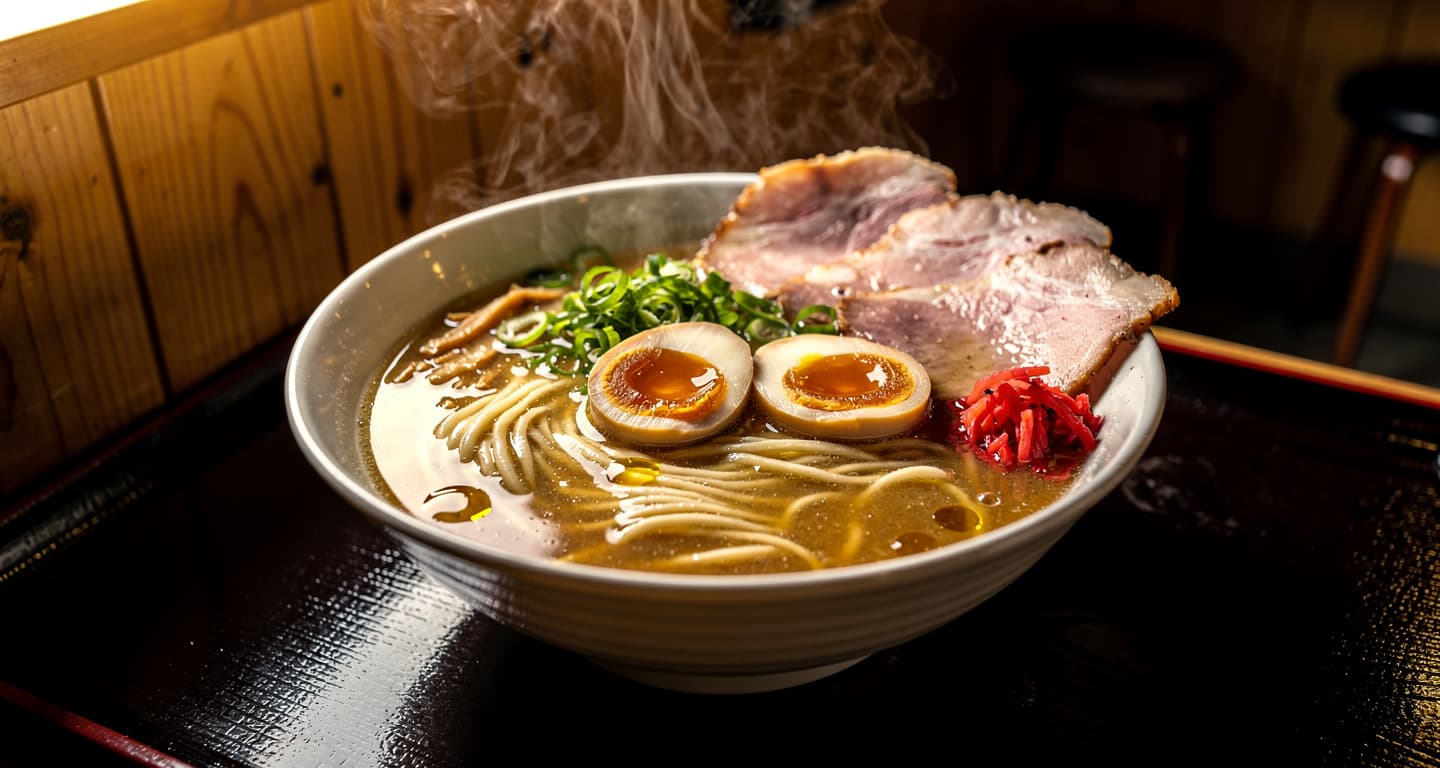
Australian travelers booking direct flights to Japan this December face a stark choice: pay A$1,500-2,100 for full-service Qantas or ANA from Sydney, or discover the Cairns routing that delivers the same destination for A$800-1,000. The savings aren’t marginal—they’re 30-40% off, enough to fund a week of Tokyo hotels.
The strategy is straightforward: book Jetstar via Cairns to Tokyo Narita as a single through-ticket from Sydney or Melbourne. Air Traveler Club’s fare analysis of December 2026 departures confirms the gap holds across peak holiday windows, with net savings of A$400-600 per roundtrip versus major city direct options. For Australian residents departing between December 1-31, 2026, this routing represents the most consistent discount available on Japan flights during the summer peak.
The critical requirement: book as one ticket through Jetstar’s multi-city tool, not separate legs. Queensland’s wet season runs November through April, bringing 20-30% connection delay risk at Cairns. Through-ticketing guarantees rebooking protection and bags checking through to Narita—separate tickets leave you stranded if storms hit.
Why the Cairns gap exists
Jetstar operates 40 weekly flights from Cairns to Tokyo Narita on A321LR aircraft, with departures at 11:20 and 20:10 daily. This frequency creates competition-driven pricing that Sydney and Melbourne direct routes simply can’t match. The narrow-body A321LR’s fuel efficiency allows Jetstar to undercut wide-body operations by the same margin consistently.
The pricing differential isn’t a promotional glitch—it’s structural. Cairns serves as Jetstar’s Asia hub, with volume economics that Sydney’s premium-heavy market doesn’t support. Google Flights data shows Jetstar CNS-TYO typically ranges A$910-2,100 roundtrip versus Qantas at A$1,800-2,950 from the same search period. This pattern mirrors the broader savings available from alternative Australian airports that bypass Sydney’s premium pricing.
Cairns: Australia’s quiet Asia gateway
Cairns Airport processed 5.2 million passengers in 2025, with 60% on international routes—primarily Jetstar’s Japan, Bali, and Singapore services. The airport’s expansion into a dedicated Asia hub began post-pandemic, with Jetstar adding 20% more frequency by 2027.
The December fare matrix
Peak December pricing follows predictable patterns. Direct full-service fares spike during school holiday windows, while Cairns routing maintains relative stability due to leisure-focused demand curves.
| Route | Airline | Typical Dec Return (AUD) | Savings vs SYD Direct | Connection Risk |
|---|---|---|---|---|
| SYD-NRT direct | Qantas/ANA | 1,500-2,100 | Baseline | Low (nonstop) |
| MEL-NRT direct | Qantas | 1,500-2,000 | Baseline | Low (nonstop) |
| SYD/MEL-CNS-NRT through | Jetstar | 800-1,000 | A$400-600 (30-40%) | Medium (storm season) |
| CNS-NRT direct only | Jetstar | 600-800 | Add SYD-CNS ~A$200 | Low (nonstop) |
The savings calculation requires honest accounting. Position flights from Sydney or Melbourne to Cairns add A$150-250 to your total, but the through-ticket price already factors this in. When comparing A$950 all-in via Cairns versus A$1,600 direct, the net benefit remains substantial.
How to cut fares to Asia by 40–80%
Our custom AI ✨ tracks pricing anomalies that traditional search engines miss.
Get the these deals in your inbox, for free:
Booking the through-ticket correctly
The protection mechanism only works if you book correctly. Use Jetstar’s multi-city booking tool to create a single itinerary: SYD-CNS on the same day, then CNS-NRT. This generates one Passenger Name Record (PNR) with connected protection.
What through-ticketing guarantees:
- Bags check through to Narita. No need to collect and re-check at Cairns, saving 90+ minutes of airport logistics.
- Missed connection rebooking. If your Sydney-Cairns leg delays and you miss the Japan flight, Jetstar rebooks you at no charge.
- Single point of contact. One booking reference for any changes or issues, not two separate customer service queues.
Separate tickets—booking SYD-CNS and CNS-NRT as independent reservations—provide zero protection. If storms delay your positioning flight, you lose the Japan leg entirely with no refund. The A$50-100 you might save booking separately isn’t worth the risk during wet season.
The comfort trade-off: narrow-body reality
The A321LR that operates Cairns-Narita seats 177-197 passengers in a 3-3 configuration with 29-30 inch pitch. Compare this to Qantas 787 Dreamliner’s 2-4-2 layout with 32 inch pitch and you understand where the savings come from. For travelers who’ve evaluated aircraft comfort on long-haul routes, the A321LR sits firmly in the “acceptable for 7 hours” category rather than “comfortable for 10+.”
The flight time itself is manageable: 7 hours 25 minutes Cairns to Narita. Add the 3-hour Sydney-Cairns positioning and you’re looking at 10-11 hours total travel versus 9.5 hours direct. The extra 90 minutes plus reduced seat width is the price of A$500 savings.
Practical mitigation: book exit row or front cabin seats (A$25-45 extra), bring your own entertainment, and treat the A$400-600 savings as your Tokyo hotel fund. At A$200-250 per night for mid-range Shinjuku accommodation, the routing effectively buys you 2-3 free nights.
When this strategy breaks down
Three scenarios eliminate or significantly reduce the savings advantage:
- Peak December 20-31 dates. Holiday pricing spikes even on Cairns routes, pushing fares above A$1,200. The gap shrinks to 20% or less, making direct flights more attractive for the comfort premium.
- Heavy checked baggage. Jetstar’s 7kg carry-on limit is strict. Checked bags cost A$55-80 each way if not pre-purchased, potentially erasing A$150+ of savings. Pre-book 20kg allowance for A$35-45 to maintain the math.
- Tight onward connections in Tokyo. If you’re connecting to domestic Japan flights same-day, the Cairns routing’s variable arrival times create risk. Direct flights offer more reliable scheduling for complex itineraries.
Questions? Answers.
How do I book SYD-CNS-NRT as one ticket on Jetstar?
Use Jetstar’s multi-city search tool on their website. Enter Sydney as origin, Cairns as first destination (same day), then Cairns to Tokyo Narita as second leg. This creates a single PNR with through-ticketing protection and bags checking to final destination.
What happens if storms delay my Cairns connection?
With a through-ticket, Jetstar rebooks you on the next available Japan flight at no charge. Queensland’s November-April wet season brings 20-30% delay risk, making through-ticketing essential. Separate tickets provide zero protection—you lose the second leg entirely.
Can I add Osaka or other Japan cities to this routing?
Yes. Jetstar offers NRT-Osaka domestic connections for approximately A$100. Alternatively, book an open-jaw itinerary (CNS-NRT, KIX-CNS return) to avoid backtracking through Tokyo, saving 3+ hours on your return journey.
Is the A321LR comfortable enough for 7+ hours?
The A321LR offers 29-30 inch pitch in a 3-3 configuration—tighter than wide-body alternatives but acceptable for the 7h25m flight time. Exit rows add legroom for A$25-45. Most travelers find the A$400-600 savings compensates for reduced comfort, particularly when reinvested in Tokyo accommodation.
When should I book for December 2026 travel?
Book 6-9 months ahead for best pricing—meaning now through mid-2026. Tuesday and Wednesday departures typically price 10-15% lower than Friday-Sunday. Avoid the December 20-31 peak window where savings compress to 20% or less.
Do I need a visa for Japan as an Australian citizen?
Australian passport holders receive 90-day visa-free entry to Japan. Use the eGate automated immigration lanes at Narita for processing times under 45 minutes versus 90+ minutes in standard queues during peak arrival periods.