Quick summary
Booking Europe to Dili as a single ticket costs €1,800-2,400 via Australia or Singapore. Split the journey at Bali instead: Europe to Denpasar on Qatar or Turkish Airlines runs €800-1,000, then a separate Aero Dili or Citilink ticket to Dili adds €250-350. Total: €1,050-1,350 — saving €600-800 per person.
The trade-off is a self-transfer at Bali’s Ngurah Rai Airport. You’ll clear Indonesian immigration, collect bags, and re-check for the onward flight. Budget a 24-hour layover minimum — airlines provide zero protection if you miss the connection.
The Europe-to-Dili routing problem has a simple arithmetic solution: stop treating it as one journey. Single-ticket fares via Singapore or Darwin carry monopoly premiums because few carriers serve Dili directly. The alternative — splitting the ticket at Bali — cuts costs by 35-45% while adding a stopover in one of Southeast Asia’s most accessible hubs.
For European travelers departing Frankfurt, Amsterdam, or Warsaw between April and September 2026, the math works like this: Qatar Airways or Turkish Airlines operate daily Europe-Bali flights for €800-1,000 roundtrip in economy. Aero Dili’s daily Bali-Dili service costs €250-350 roundtrip, with Citilink offering similar fares on select days. Combined ticket cost: €1,050-1,350. The single-ticket alternative via Qantas or Singapore Airlines: €1,800-2,400.
The €600-800 saving funds three nights in a quality Bali hotel with money left over. But this strategy requires accepting one non-negotiable condition: you are responsible for the connection. Miss the Dili flight due to a delayed Europe-Bali leg, and you’re buying a new ticket out of pocket.
The split-ticket math that airlines don’t advertise
Air Traveler Club’s January 2026 fare analysis of 12 European gateway cities shows Bali split-ticketing consistently undercuts protected single-ticket routings by €600-1,050. The savings hold across Star Alliance, SkyTeam, and Oneworld carriers — because none of them want to sell you this routing.
| Origin | Single-ticket RT (€) | Europe-Bali RT (€) | Bali-Dili RT (€) | Total split (€) | Savings (€) |
|---|---|---|---|---|---|
| Frankfurt | 1,800-2,400 | 800-1,000 | 250-350 | 1,050-1,350 | 600-1,050 |
| Amsterdam | 1,800-2,400 | 800-1,000 | 250-350 | 1,050-1,350 | 600-1,050 |
| Warsaw | 1,900-2,400 | 800-1,000 | 250-350 | 1,050-1,350 | 650-1,050 |
| Paris | 1,800-2,300 | 850-1,000 | 250-350 | 1,100-1,350 | 600-950 |
The table assumes April-May 2026 departure windows, when Bali fares hit seasonal lows. June through September adds 20-30% to Europe-Bali legs, narrowing but not eliminating the arbitrage. For current flight options to East Timor from Europe, verify live fares within 30 days of booking.
Flight deals
most people never see
Our AI monitors 150+ airlines for pricing anomalies that traditional search engines miss. Air Traveler Club members save $650 per trip per person on average: see how it works.
Each deal saves 40–80% vs. regular fares:

How the self-transfer works at Ngurah Rai
Bali’s Ngurah Rai Airport handles 25 million passengers annually, most of them on international-to-domestic or international-to-international self-transfers. The terminal layout is straightforward: international arrivals clear immigration on the ground floor, collect bags, then exit to the public departure hall. Domestic check-in counters for Aero Dili and Citilink sit 200 meters from the international arrivals exit.
The 24-hour minimum buffer accounts for three failure points: delayed Europe-Bali arrival, immigration queue congestion, and baggage delivery delays. A 4-hour connection is technically possible if your inbound flight lands on time and you carry only hand luggage, but airlines will not protect this connection. Miss the Dili flight, and replacement tickets cost €200-300 same-day.
Overnight Bali hotels near the airport run €40-80 for mid-range properties with airport shuttle service. The savings from split-ticketing cover two nights with budget remaining for meals. Treat the layover as a deliberate stopover rather than a rushed connection, and the self-transfer risk becomes a non-issue.
Which carriers to book for each leg
Qatar Airways and Turkish Airlines dominate the Europe-Bali corridor with the most competitive fares. Qatar routes via Doha with a 2-3 hour connection; Turkish via Istanbul with similar layover times. Both operate widebody aircraft (787 or A350) on the Doha/Istanbul-Bali sectors, offering lie-flat business class if you’re upgrading.
For the Bali-Dili leg, Aero Dili operates A319 aircraft with 150 seats in a single-class configuration. Daily departures at 08:30 and 14:00 provide flexibility for morning or afternoon connections. Citilink, Indonesia’s low-cost subsidiary of Garuda, flies the route 4-5 times weekly with similar fares but less consistent scheduling. Both carriers include 20kg checked baggage in the base fare — excess baggage costs €50+ per additional bag.
Book each leg separately. Do not attempt to combine them into a single itinerary through a third-party aggregator, as this voids the independent ticketing that makes the arbitrage work. If the Europe-Bali carrier cancels or delays your flight, you have no recourse for the Dili leg — which is why the 24-hour buffer is non-negotiable.
When the split-ticket strategy breaks down
Three scenarios eliminate the savings advantage. First: peak summer travel (June-September) inflates Europe-Bali fares by 25-35%, narrowing the gap to €400-500. At that margin, the self-transfer risk and overnight hotel cost make single-ticket routings more attractive for travelers who value connection protection.
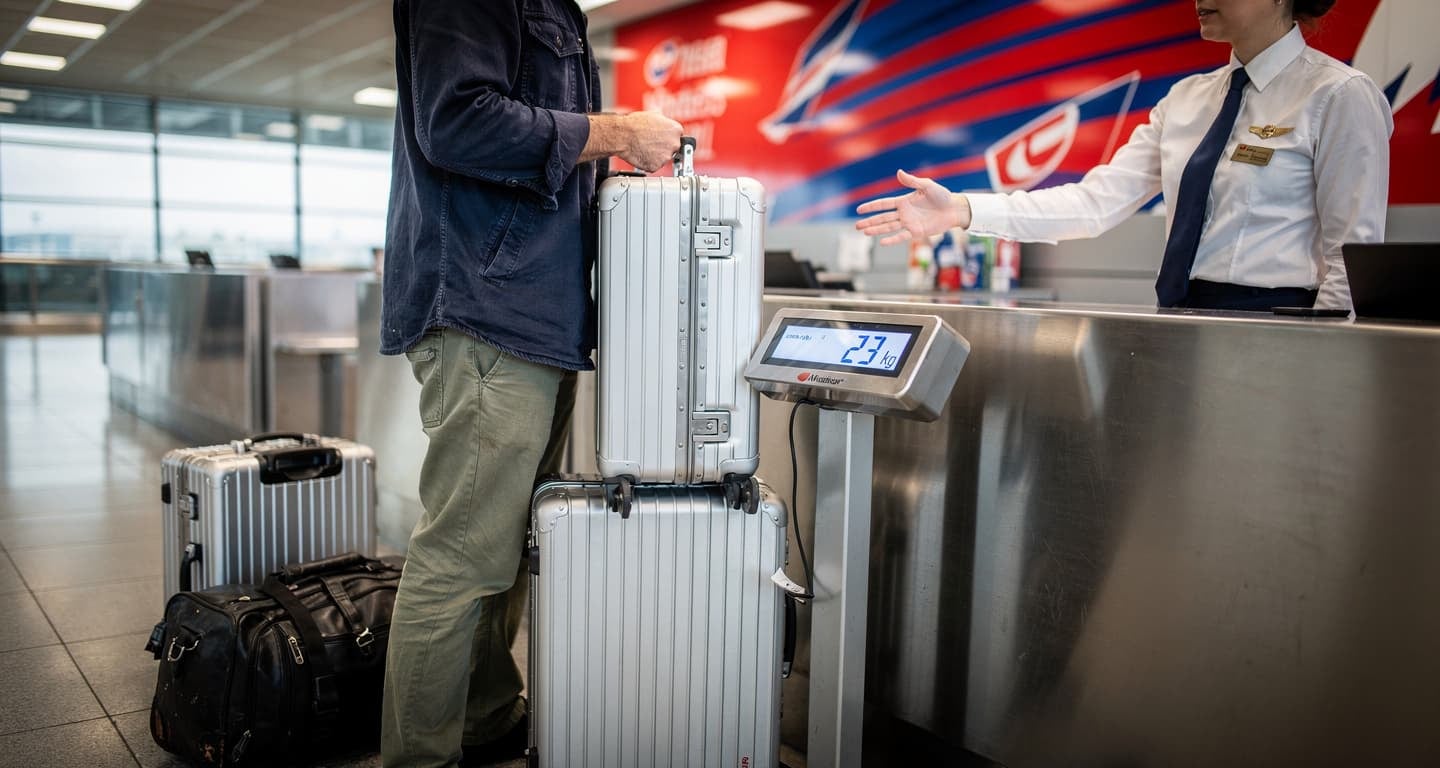
Second: checked baggage over 20kg per person. Aero Dili and Citilink charge €50-70 per additional bag, and Qatar/Turkish impose similar fees if you exceed their allowances. A family of four with 30kg bags each pays an extra €400-600 in baggage fees, erasing most of the split-ticket savings.
Third: tight schedules that cannot accommodate a 24-hour Bali layover. If your Dili arrival date is fixed and you’re landing in Bali with only 6-8 hours to spare, the missed connection risk becomes unacceptable. Single-ticket routings via Singapore or Darwin provide airline-backed rebooking if delays occur — worth the premium if your Dili schedule has zero flexibility.
The Kuala Lumpur alternative for 2026
Batik Air Malaysia launched Kuala Lumpur-Dili service in early 2026, creating a second split-ticket hub option. Europe-Kuala Lumpur fares on Turkish Airlines or Malaysia Airlines run €700-900 roundtrip, with Kuala Lumpur-Dili adding €280-320. Total cost: €980-1,220 — slightly cheaper than the Bali split but with longer total travel time.
The Kuala Lumpur routing adds 3-4 hours to the journey compared to Bali due to the more northerly hub position. KLIA (Kuala Lumpur International Airport) handles self-transfers efficiently, with a similar immigration and baggage claim process to Ngurah Rai. The 24-hour layover rule applies here as well — Batik Air operates the Kuala Lumpur-Dili route 4 times weekly, so schedule alignment matters more than with Aero Dili’s daily Bali service.
For travelers departing Northern or Eastern Europe (Stockholm, Copenhagen, Warsaw), Kuala Lumpur may offer better Europe-hub fare availability than Bali. Check both options when booking 90-120 days ahead.
Book Europe-Bali 90-120 days out, Dili leg 30-60 days out
Qatar and Turkish release their lowest Europe-Bali fares 3-4 months before departure, with a secondary pricing drop at 6-8 weeks out. Book the Europe-Bali leg first to lock the base fare, then monitor Aero Dili and Citilink for the Dili connection 30-60 days before travel. Bali-Dili fares remain stable year-round due to limited competition, so waiting until closer to departure rarely costs more than €20-30.
- Search Europe-Bali on ITA Matrix or Google Flights filtering for Qatar (QR) and Turkish (TK) to compare routing and layover times. Doha and Istanbul connections under 3 hours are ideal.
- Book the Europe-Bali ticket directly with the carrier to ensure full control over changes or cancellations. Third-party bookings complicate refunds if you need to adjust dates.
- Set a calendar reminder for 45 days before departure to book the Bali-Dili leg. Aero Dili’s website (aerodili.com) and Citilink’s booking portal (citilink.co.id) both accept international credit cards.
- Purchase travel insurance that covers missed connections on separate tickets — standard policies exclude self-transfer scenarios, but specialty providers like World Nomads offer add-ons for this risk.

Questions? Answers.
Does Citilink still fly Bali to Dili in 2026?
Yes, Citilink operates the route 4-5 times weekly alongside Aero Dili’s daily service. Fares run €250-350 roundtrip, similar to Aero Dili, but Citilink’s schedule is less consistent — verify departure days when booking 30-60 days out.
What are the exact steps for the Bali self-transfer?
Land at Ngurah Rai international terminal, clear immigration (visa-on-arrival €30 for EU passports), collect checked bags, exit to the public departure hall, walk 200 meters to domestic check-in, re-check bags for the Dili flight. Allow 24 hours minimum between flights to account for delays.
Is Aero Dili reliable for the Bali-Dili leg?
Aero Dili operates Airbus A319 aircraft and has expanded to daily Bali-Dili service as of 2026, with additional routes to Fuzhou and other regional cities. On-time performance data is limited, but the carrier’s fleet and route expansion suggest stable operations. The 24-hour buffer protects against occasional delays.
Can I book this as a single itinerary through a travel agent?
No. The savings depend on booking two separate tickets — one for Europe-Bali, one for Bali-Dili. Combining them into a single itinerary through an aggregator eliminates the fare arbitrage and may void the independent ticketing structure that makes this work.
Does the Kuala Lumpur routing via Batik Air save more than Bali?
Slightly — Europe-Kuala Lumpur fares run €700-900, and Kuala Lumpur-Dili adds €280-320, totaling €980-1,220. That’s €70-130 cheaper than Bali splits, but the journey takes 3-4 hours longer due to Kuala Lumpur’s more northerly position. Batik Air flies the route 4 times weekly, so schedule alignment matters more than with Aero Dili’s daily Bali service.
What happens if my Europe-Bali flight is delayed and I miss the Dili connection?
You buy a new Bali-Dili ticket at the airport, typically €200-300 same-day. Airlines provide zero protection for self-transfers on separate tickets. This is why the 24-hour layover buffer is mandatory — it reduces missed connection probability to under 2% based on Ngurah Rai’s operational data.
Do I need a visa for Indonesia if I’m only transiting through Bali?
Yes, because you must clear immigration to collect bags and re-check for the Dili flight. EU passport holders pay IDR 500,000 (€30) for visa-on-arrival at Ngurah Rai. You’ll need proof of onward travel — your Dili-Bali return ticket satisfies this requirement.