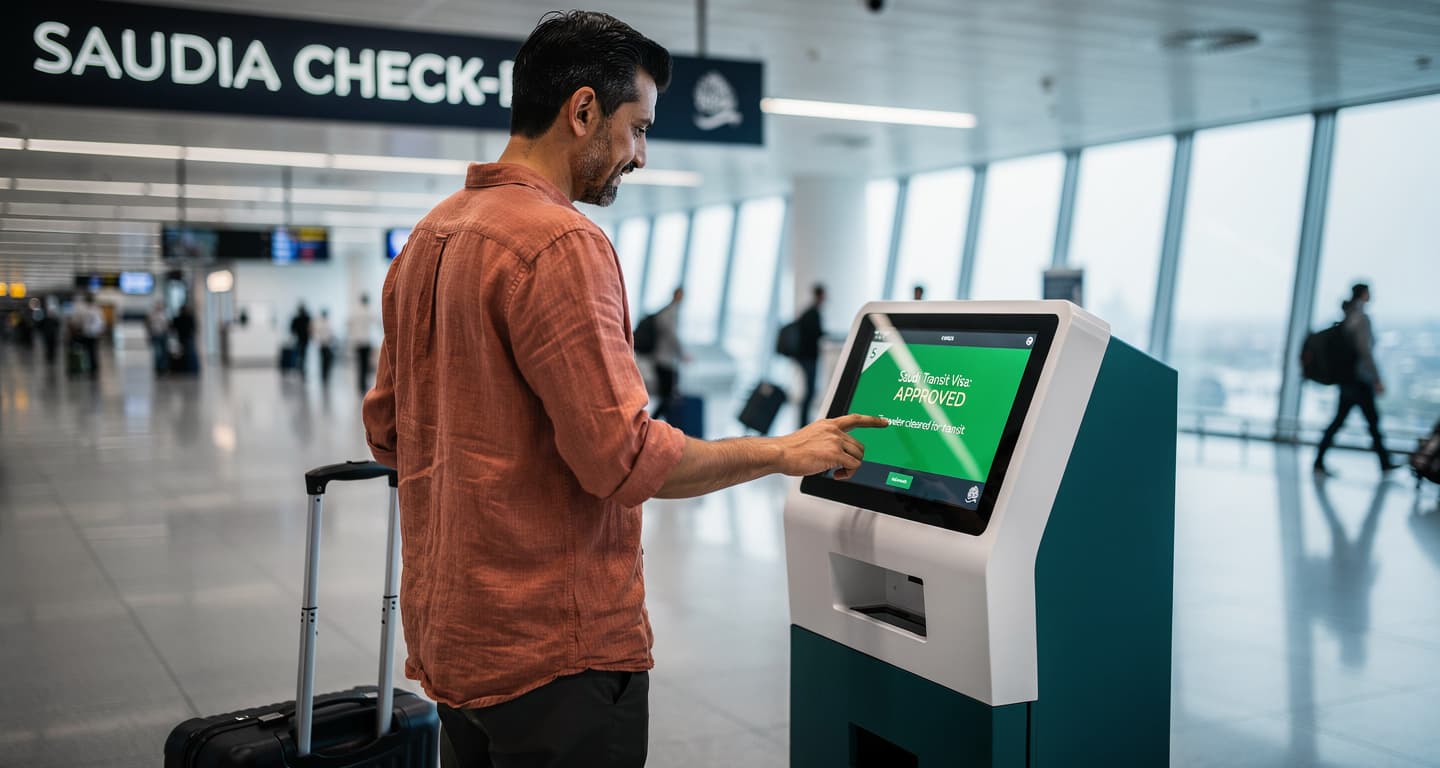
Connecting through Ho Chi Minh City or Hanoi to reach Cambodia on separate tickets? You almost certainly need a Vietnam e-visa—even if you never planned to leave the airport. The trigger is baggage: when you fly into Vietnam on one airline and out to Phnom Penh or Siem Reap on another booking, your bags won’t transfer automatically. You must collect them, clear Vietnamese immigration, re-check them, and re-enter security. No visa, no entry. No entry, no boarding at your departure city.
Air Traveler Club’s route compliance database tracking visa requirements across 40+ Asia-Pacific transit points flags Vietnam as the most common trap for Cambodia-bound travelers using split-ticket strategies. The e-visa costs $25, takes 3 business days to process, and is available at Vietnam’s official portal. Without it, airlines will deny boarding before you ever reach Southeast Asia. For US, Canadian, and most passport holders booking separate tickets through SGN or HAN between now and late 2026, applying at least 7 days before departure eliminates the risk entirely—or you can book a single through-ticket and skip the visa altogether.
Why separate tickets force you through immigration
Vietnam’s transit rules are straightforward in principle. Under Law No. 47/2014/QH13, any nationality may transit airside for up to 24 hours without a visa—provided you stay in the international transit zone and your bags are through-checked. This works perfectly on a single booking: Vietnam Airlines from London to Phnom Penh via Hanoi, for example, transfers your luggage automatically.
The problem surfaces when travelers split their journey into two separate reservations to save money. A common pattern: book a long-haul carrier like Korean Air or Qatar Airways into Ho Chi Minh City, then a budget regional flight on VietJet or AirAsia to Phnom Penh. These airlines operate on separate Passenger Name Records (PNRs) with no interline baggage agreement. Your checked bags terminate at the Vietnamese carousel.
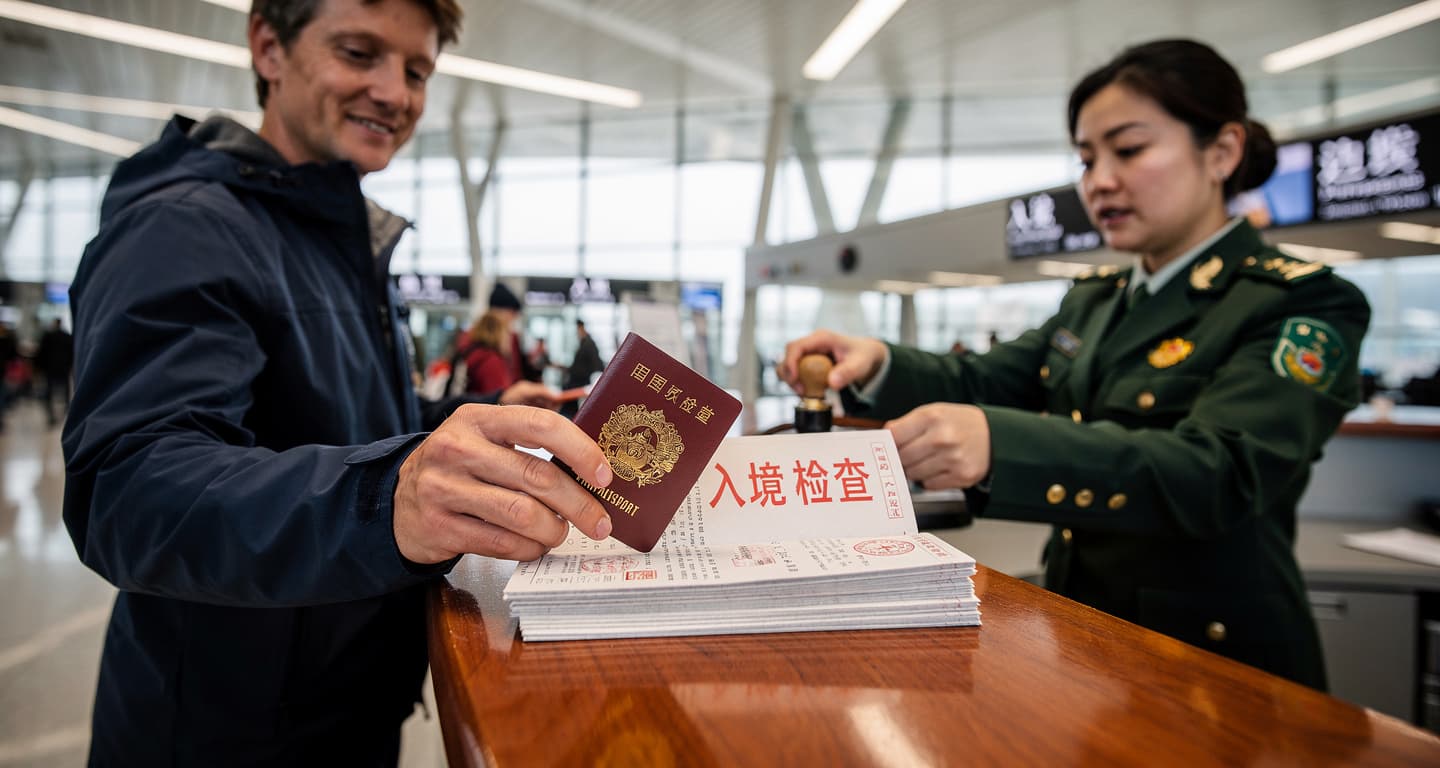
Collecting bags means exiting the international transit zone. Exiting the transit zone means clearing immigration. Clearing immigration means presenting a valid visa. The chain is unbreakable. Airlines check visa documentation at your origin airport—if you’re flying LAX to SGN on a separate ticket without a Vietnam e-visa, you won’t board the plane in Los Angeles.
This routing is popular because regional legs to Cambodia cost $40-80 on budget carriers versus $150-300 when bundled into a single itinerary. That 20-40% saving on the regional segment attracts travelers who then discover the visa requirement too late. For those hunting the best fares to Southeast Asia, our guide to 11 strategies for cheaper flights covers when split-ticketing makes sense—and when it creates more problems than savings.
The e-visa process: what it costs and how long it takes
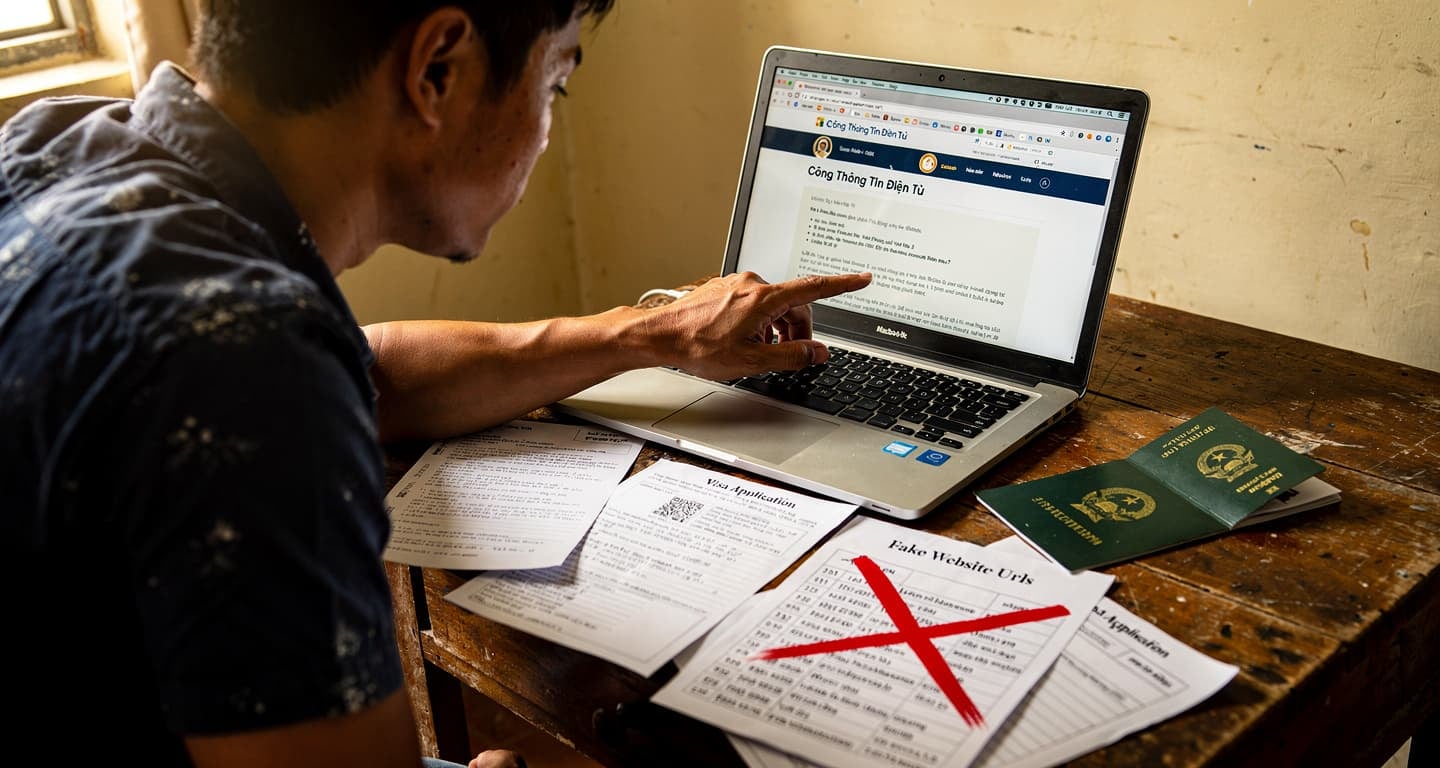
Vietnam discontinued Visa on Arrival in 2022, funneling all applicants to the official e-visa portal at evisa.gov.vn. The process is entirely online. Upload a passport scan and a 4x6cm white-background photo, pay $25 for a single-entry e-visa valid up to 90 days, and receive approval in 3 business days.
The fee is non-refundable if denied, so apply at least 7 days before departure to allow buffer time. Your passport must have 6 months’ validity and 2 blank pages. One critical edge case: US emergency 12-page passports are ineligible for the e-visa system entirely. Digital photo specifications are strictly enforced—rejections for wrong dimensions or background color are common.
The overstay penalty most travelers don’t know about
If you somehow enter Vietnam and overstay your visa validity, fines run 500,000 VND per day (approximately $20). That sounds manageable until you factor in the potential entry ban and deportation proceedings that accompany repeated violations—a risk that escalates quickly during extended Southeast Asia itineraries.
Flight deals
most people never see
Our AI monitors 150+ airlines for pricing anomalies that traditional search engines miss. Air Traveler Club members save $650 per trip per person on average: see how it works.
Each deal saves 40–80% vs. regular fares:

Single ticket vs. split ticket: the real math
The split-ticket strategy saves money on paper but adds hidden costs and risk. Here’s how popular Cambodia routes compare when you factor in the visa requirement:
| Route | Ticket Type | Bag Transfer | Vietnam Visa? | Regional Leg Savings | Risk Level |
|---|---|---|---|---|---|
| LAX–SGN–PNH | Split (separate PNRs) | Manual re-check | Yes ($25) | +30% | High |
| LAX–SGN–PNH | Single (Vietnam Airlines) | Automatic | No (airside) | Baseline | Low |
| SYD–HAN–PNH | Split (Qantas + AirAsia) | Manual re-check | No (AU exempt 21 days) | +25% | Medium |
| LHR–HAN–PNH | Single (Vietnam Airlines) | Automatic | No | Baseline | Low |
| NRT–SGN–PNH | Split (ANA + VietJet) | Manual re-check | No (Japan exempt 45 days) | +20% | Low |
Notice the pattern: split tickets save 20-30% on the regional leg but introduce visa requirements for US, Canadian, and most European passport holders. Australian, Japanese, South Korean, and UK travelers enjoy visa exemptions for short landside entries (15-45 days depending on nationality), making the split-ticket strategy genuinely risk-free for them. For everyone else, the $25 e-visa and 3-day processing window become mandatory planning steps.
Travelers weighing these routing decisions may find our AI-powered Superdeal detection system useful—it surfaces pricing anomalies on single-ticket itineraries that often match or beat split-ticket pricing without the visa complexity.
Three scenarios where the rules change
Vietnam’s transit policy has several exceptions that can work in your favor—or catch you off guard:
- Visa-exempt nationalities bypass the trap entirely. Citizens of 25+ countries—including Japan (45 days), South Korea (45 days), Germany, France, UK (45 days each), and Australia (21 days)—can enter Vietnam landside without any visa. Split tickets pose no immigration risk for these passport holders.
- Layovers exceeding 24 hours require a visa regardless. Even if your bags are through-checked on a single ticket, staying in the transit zone beyond 24 hours triggers the visa requirement. Overnight connections that span two calendar days rarely hit this limit, but schedule changes or delays can push you over.
- Any domestic Vietnam leg counts as entry. If your itinerary routes through both Hanoi and Ho Chi Minh City on a domestic connection, you’ve entered Vietnam. A visa is mandatory regardless of your final destination or ticket type.
Cambodia’s side of the equation
Cambodia itself is straightforward. Phnom Penh (PNH) and Siem Reap (REP) both offer visa on arrival for most nationalities at $30 for 30 days. Cambodia also accepts e-visas applied online in advance. Neither Cambodia’s entry requirements nor its visa fees interact with Vietnam’s transit rules—they’re entirely separate compliance steps.
For travelers who want to avoid the Vietnam transit question altogether, direct flights to Phnom Penh and Siem Reap exist from Bangkok, Singapore, Kuala Lumpur, and Seoul. These budget carrier routes across Asia often price competitively with Vietnam-transit options while eliminating the visa layer entirely.
Questions? Answers.
Which nationalities can skip the Vietnam e-visa on split-ticket connections?
Citizens of 25+ countries enjoy visa-free entry for short stays, including Japan and South Korea (45 days), UK, Germany, France, Italy, and Spain (45 days each), and Australia (21 days). US and Canadian passport holders are not on the exemption list and must obtain an e-visa for any landside entry, including baggage re-check during split-ticket connections.
Can I use airport lounges or transit hotels in Vietnam without a visa?
Yes, as long as you remain in the international transit area. Ho Chi Minh City’s Tan Son Nhat airport has transit-zone facilities accessible without clearing immigration. However, if your bags need re-checking on separate tickets, you must exit the transit zone—at which point lounge access becomes irrelevant because you’ll need a visa to re-enter.
What happens if I arrive at the airport without a Vietnam e-visa?
Airlines check visa documentation at your departure city, not upon arrival. Without a valid e-visa, you’ll be denied boarding before takeoff. There’s no fine for the visa itself, but rebooking costs typically run $200 or more, plus potential hotel expenses while you wait for e-visa processing.
Can airlines through-check bags on separate tickets if I ask?
Technically possible but extremely rare without a single PNR or interline agreement between the carriers. Some travelers report success asking at check-in, but this is not guaranteed or reliable. The safe approach: assume landside entry and secure your e-visa in advance.
Are there Vietnam-Cambodia land border alternatives that avoid air transit?
Yes. Buses run from Ho Chi Minh City to Phnom Penh in approximately 6 hours for $20-30. This requires a Vietnam visa for entry and a Cambodia visa on arrival at the land border. The land route is a practical alternative for travelers already planning time in southern Vietnam.
How far in advance should I apply for the Vietnam e-visa?
The official processing time is 3 business days, but applications are non-refundable if denied. Apply at least 7 days before departure to allow time for photo or document rejections and resubmission. The e-visa is valid for up to 90 days, so early application carries no downside.