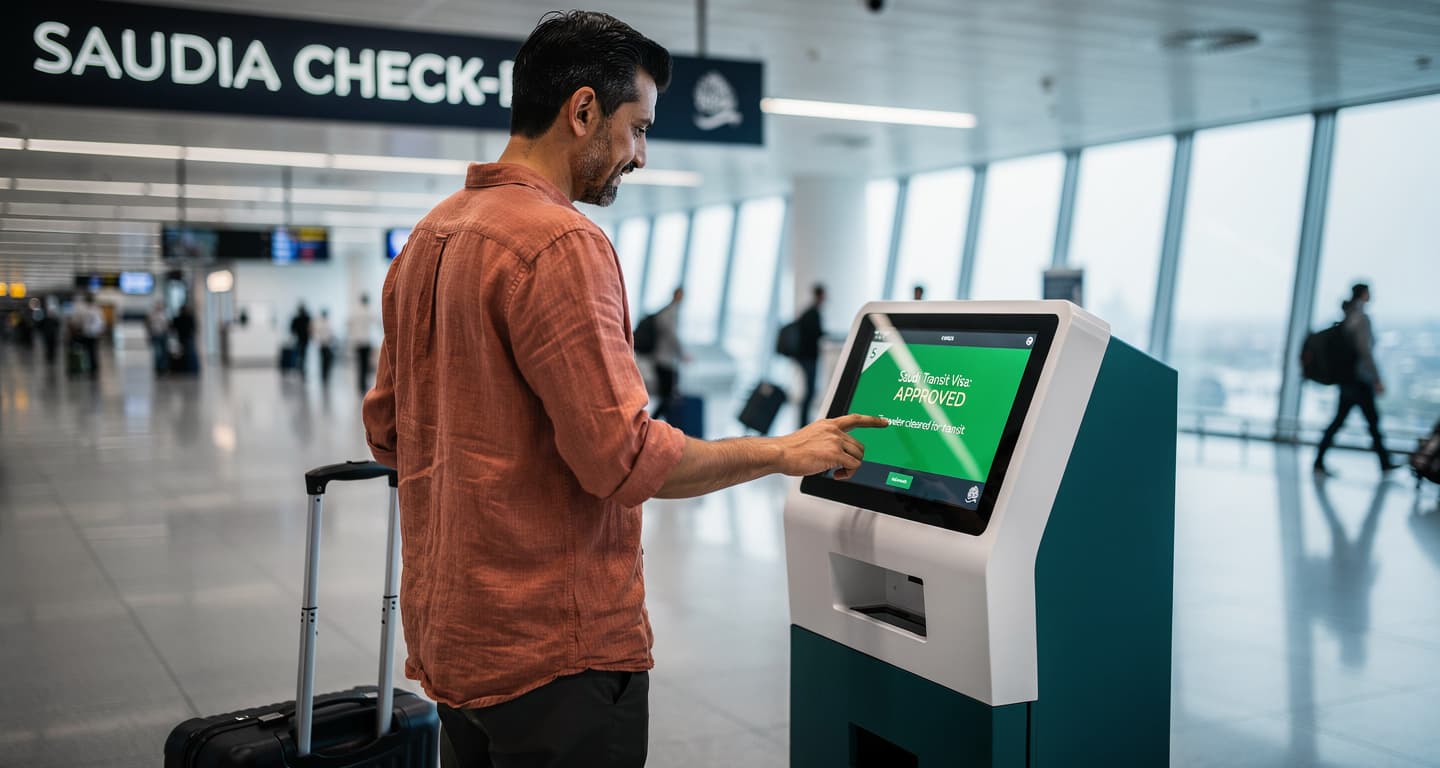
European travelers booking separate tickets to Cambodia via Vietnam face boarding denial in their home country if they lack a Vietnam visa—even for connections as short as 2 hours. The rule catches hundreds of passengers annually who assume transit doesn’t require entry clearance.
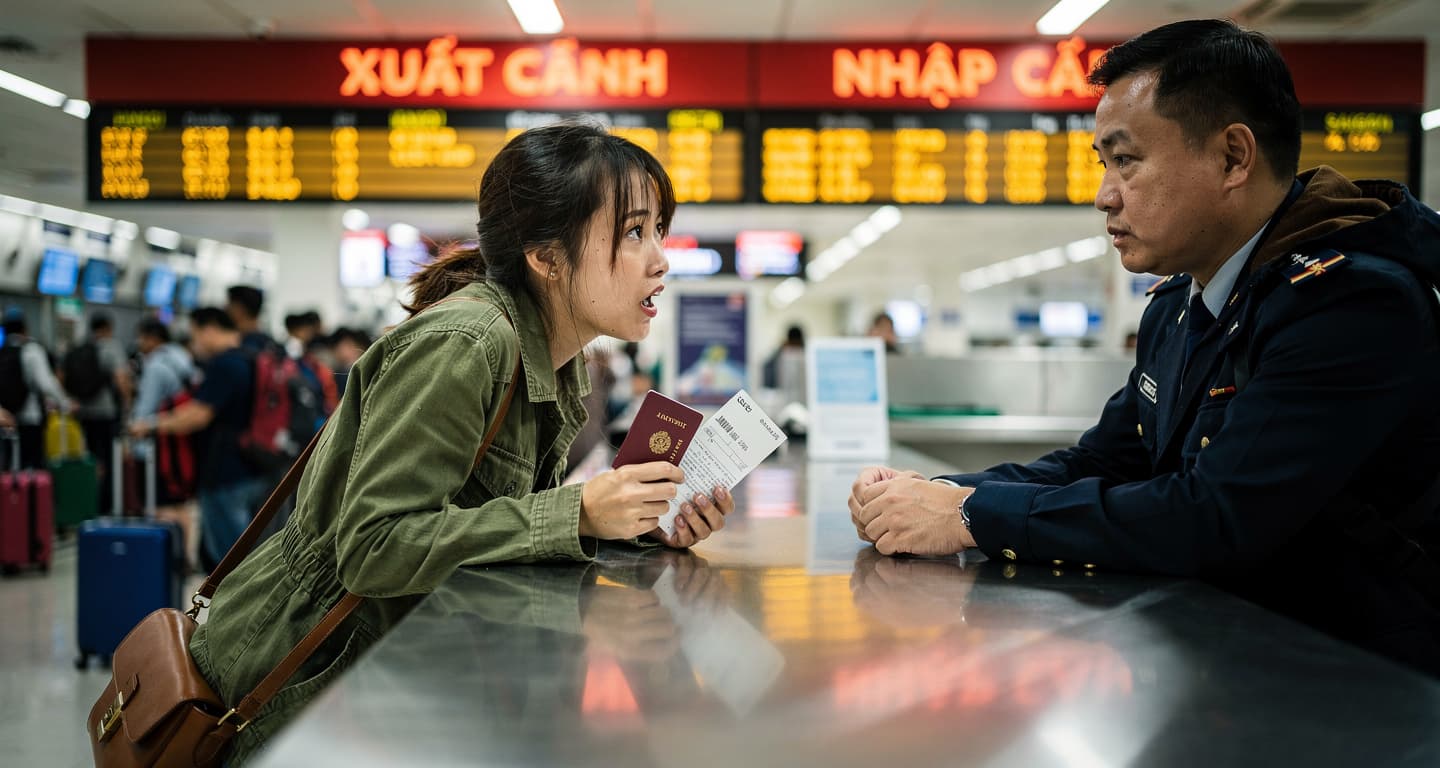
The distinction is critical: if your bags check through to Phnom Penh on a single ticket, you can transit Ho Chi Minh City’s airside zone visa-free for up to 24 hours. If you’re on separate tickets—Air France to SGN, then VietJet to PNH—you must clear Vietnamese immigration to collect and re-check luggage. Without a valid Vietnam e-visa, your European carrier will refuse boarding before you leave the gate.
Air Traveler Club’s routing analysis of 180+ Europe-Cambodia itineraries identifies this as the most common booking failure for the destination, affecting travelers from all EU countries regardless of their Cambodia visa status. For departures between January and December 2026, the solution requires action 7+ business days before travel: either book a single through-ticket or apply for Vietnam’s e-visa at evisa.gov.vn.
Why separate tickets trigger the visa requirement
Vietnam’s immigration rules distinguish between airside transit (remaining in the international zone) and landside connections (entering the country). The difference determines whether you need entry clearance.
Airside transit (no visa required): Your bags are checked through to final destination on a single ticket. You remain in the international transit area without passing immigration. Maximum 24 hours.
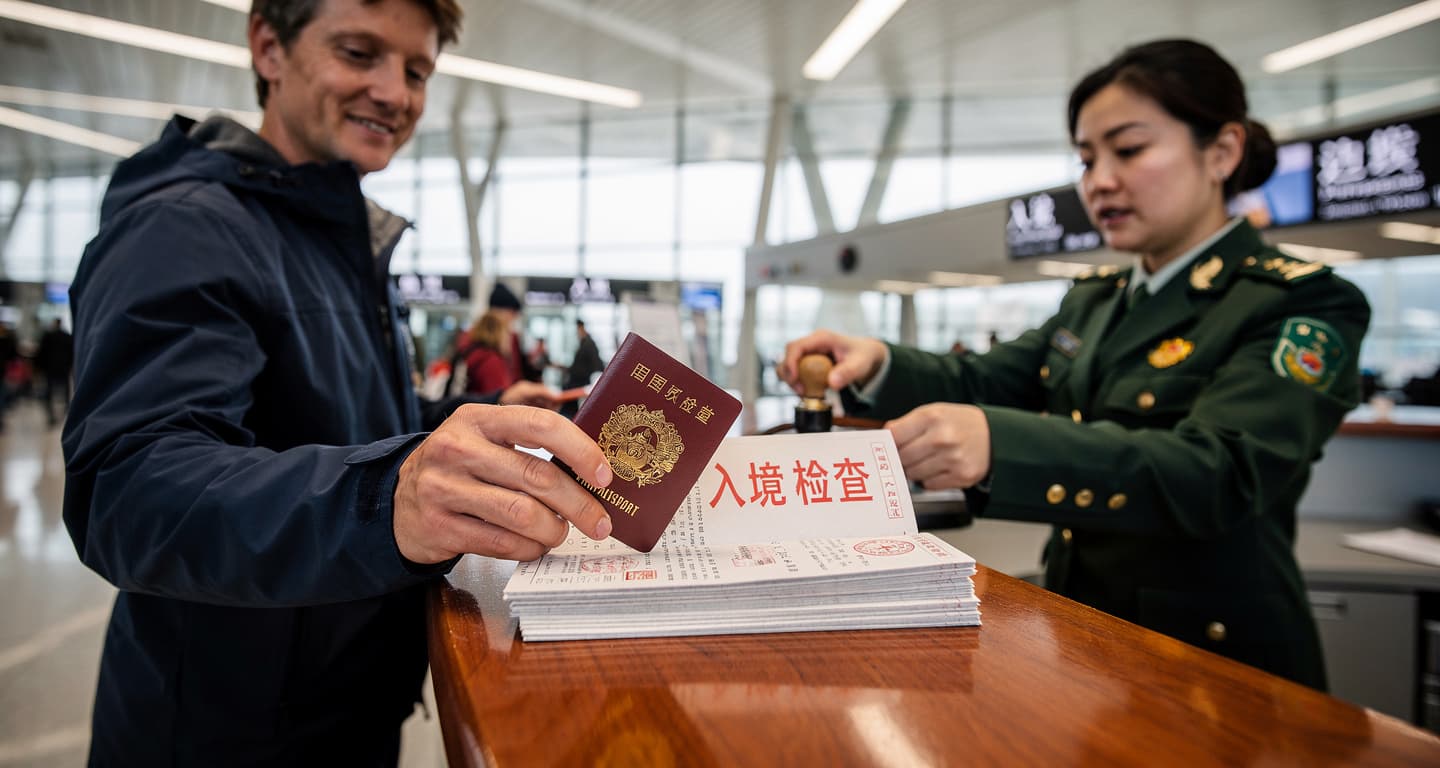
Landside connection (visa required): You must exit the secure zone to collect checked baggage, clear customs, and re-check for your onward flight. This constitutes entry into Vietnam regardless of how briefly you’re in the country.
The trap springs when travelers book cheap fares on separate tickets—often combining legacy carriers like Air France or KLM into Ho Chi Minh City with budget options like VietJet or Cambodia Angkor Air onward. These bookings don’t share a Passenger Name Record (PNR), so bags cannot transfer between carriers without you physically handling them.
The 24-hour transit window most travelers miss
Vietnam permits visa-free airside transit for all nationalities when connections are under 24 hours on through-ticketed itineraries. This generous window exceeds most Asian hubs—Singapore allows only same-day, Thailand 12 hours. The policy exists specifically to encourage Tan Son Nhat as a regional connection point, but only applies when airlines can transfer bags without passenger intervention.
European airlines enforce destination entry requirements at departure. Their systems flag separate-ticket itineraries requiring immigration clearance, and gate agents will deny boarding without proof of valid Vietnam entry authorization. The refusal happens in Paris or Amsterdam—not Saigon.
The e-visa solution: timing and process
Vietnam’s Electronic Travel Authorization (e-visa) provides 90-day single-entry access for €25, valid for all EU passport holders. Processing officially takes 3 business days but frequently extends to 5-7 business days during peak periods.
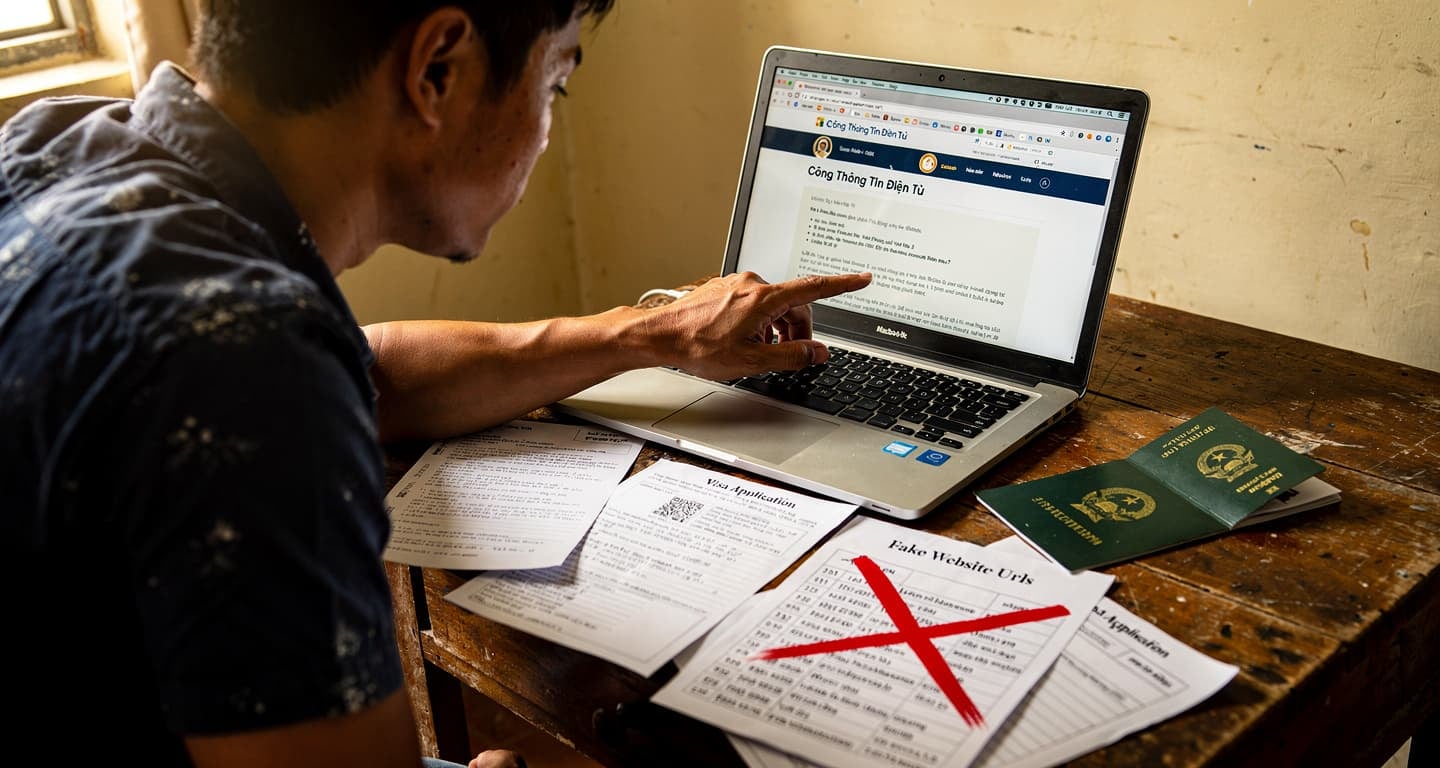
Apply at the official Vietnam Immigration Department portal (evisa.gov.vn)—the only legitimate source. Third-party visa services charging €50-80 use the same system with markup and no faster processing.
Required documents:
- Passport scan with 6+ months validity from Vietnam entry date
- Digital photo meeting 4x6cm specifications (white background, no glasses)
- Entry point declaration—select Tan Son Nhat International Airport (SGN) for Ho Chi Minh City connections
- Payment method—international credit cards accepted; some travelers report Visa working more reliably than Mastercard
The approved e-visa arrives via email as a PDF. Print two copies—one for Vietnamese immigration, one backup. Digital-only presentation is technically permitted but inconsistently accepted at land borders and occasionally questioned at airports.
Flight deals
most people never see
Our AI monitors 150+ airlines for pricing anomalies that traditional search engines miss. Air Traveler Club members save $650 per trip per person on average: see how it works.
Each deal saves 40–80% vs. regular fares:

The single-ticket alternative
Booking your entire Europe-Cambodia journey on one ticket eliminates the visa requirement entirely. Several routing options maintain competitive pricing while ensuring bags check through:
Vietnam Airlines codeshares: Paris CDG and London LHR offer Vietnam Airlines flights continuing to Phnom Penh on the same ticket. Bags transfer automatically; you remain airside in SGN. Expect €650-900 roundtrip economy.
Middle East hub routings: Qatar Airways via Doha and Emirates via Dubai both serve Phnom Penh directly, bypassing Vietnam entirely. For travelers whose priority is Cambodia rather than Vietnam exploration, these routings often price within €50-100 of Vietnam connection options while avoiding documentation complexity. Our analysis of European hub options for Asia flights identifies Istanbul and Doha as particularly efficient for Southeast Asia routing.
Bangkok connections: Thai Airways and Bangkok Airways serve Phnom Penh from Suvarnabhumi with through-ticketing available from most European gateways. Thailand permits visa-free entry for EU citizens, eliminating documentation risk entirely if separate tickets become necessary.
When the visa becomes an opportunity
For travelers planning to explore Vietnam anyway, the e-visa transforms a documentation burden into a strategic advantage. A 24-72 hour Saigon stopover costs nothing extra on your airfare while adding a destination.
Ho Chi Minh City’s District 1 sits 25 minutes from Tan Son Nhat airport. Budget hotels near Ben Thanh Market run €25-40/night. The War Remnants Museum, Cu Chi Tunnels day trip, and Mekong Delta excursions all operate from the city.
If your Cambodia trip already requires the Vietnam e-visa for a connection, extending your layover to an overnight or multi-day stop adds zero additional documentation while potentially reducing total airfare. Airlines often price 24-hour connections identically to 72-hour stopovers on the same routing.
Three scenarios where travelers still get caught
Even informed travelers encounter edge cases that trigger boarding denial:
Codeshare confusion: A ticket showing “Air France operated by Vietnam Airlines” may still be two separate bookings if purchased through different channels. Verify your confirmation shows a single PNR covering all segments. If you received multiple confirmation numbers, you’re on separate tickets regardless of what the marketing carrier suggests.
Rebooking after disruption: Original through-ticket holders who get rebooked onto separate flights after cancellation lose their airside transit privilege. If your airline moves you to a different carrier for the SGN-PNH segment, you now need the Vietnam visa even though your original booking didn’t require it.
Cambodia visa timing: Travelers focused on securing Cambodia’s e-visa (also required for EU citizens) sometimes forget Vietnam’s separate requirement. Both countries operate independent e-visa systems with different processing times. Cambodia typically approves within 3 business days; Vietnam’s 5-7 day window means applying for Vietnam first.
Questions? Answers.
Do UK passport holders face the same Vietnam transit visa requirement?
Yes. Post-Brexit UK travelers follow identical rules as EU citizens for Vietnam entry. The e-visa requirement applies to all separate-ticket connections regardless of European passport type. UK citizens receive the same 90-day e-visa for the same €25 fee through evisa.gov.vn.
Can I apply for the Vietnam e-visa on arrival if I forgot before departure?
No. Vietnam does not offer visa-on-arrival for e-visa eligible nationalities. If you arrive at a European airport without valid Vietnam entry authorization for a separate-ticket connection, your airline will deny boarding. The only solution is rebooking onto a through-ticket routing or delaying travel until e-visa approval arrives.
What if my connection time in Ho Chi Minh City is only 90 minutes?
Connection duration doesn’t affect the visa requirement—only ticket type matters. A 90-minute separate-ticket connection still requires clearing immigration, collecting bags, re-checking, and clearing security. This process typically takes 2-3 hours minimum at SGN, making such tight connections practically impossible regardless of visa status.
Does this rule apply to connections through Hanoi instead of Ho Chi Minh City?
Yes. All Vietnamese international airports—Tan Son Nhat (SGN), Noi Bai (HAN), and Da Nang (DAD)—apply identical transit rules. Separate tickets requiring baggage collection trigger the landside entry requirement at any Vietnamese gateway.
If I have a Vietnam e-visa, can I leave the airport during a long layover on a through-ticket?
Yes. The e-visa permits voluntary exit from the transit zone even when your ticket doesn’t require it. This allows through-ticketed passengers to explore Saigon during extended connections, then return through security for their onward flight. Your bags remain checked through; you simply re-enter the international zone before departure.