Every December, Australians pay $1,500 or more for direct flights to Tokyo on Qantas and ANA. A few hours north, the same destination costs $800-1,000—and most travelers never discover why.
The difference isn’t a secret fare class or loyalty hack. It’s geography. Cairns sits 2,000km closer to Japan than Sydney, and Jetstar exploits that distance advantage with daily narrowbody service that undercuts full-service carriers by 30-40%. For a brief domestic hop and a connection in tropical Queensland, you keep $400-600 in your pocket.
Why Cairns changes the math
Jetstar operates the only direct service between Cairns and Tokyo Narita—flight JQ25/26, running daily with 86% on-time performance. The 5,888km route takes 7 hours and 23 minutes, compared to roughly 10 hours from Sydney’s 7,800km distance.
That shorter haul means lower fuel costs, which Jetstar passes through as lower fares. When Qantas prices Sydney-Tokyo at $1,500 during peak December travel, Jetstar’s through-fare from Sydney via Cairns typically lands between $950 and $1,050—even accounting for the domestic leg.
The economics work because Cairns functions as Jetstar’s northern gateway to Asia. Recent network expansions have boosted capacity to 10,050 seats per week on the Cairns-Tokyo corridor alone, giving the airline scale advantages that independent domestic-plus-international bookings can’t match.
New Zealand gets the same deal
Jetstar recently launched Christchurch-Tokyo via Cairns at promotional fares of $455 NZD (roughly $420 AUD equivalent). The routing demonstrates how Cairns has evolved from regional airport to legitimate Asia-Pacific hub—a status that benefits Australian east-coast travelers most of all.
The numbers across three east-coast cities
Savings vary depending on your starting point, but the pattern holds across Sydney, Melbourne, and Brisbane:
| Origin | Route | Est. Fare (AUD) | Total Time | Savings vs Direct |
|---|---|---|---|---|
| Sydney | SYD-CNS-NRT (Jetstar) | $950 | 14h | $550 (37%) |
| Melbourne | MEL-CNS-NRT (Jetstar) | $1,000 | 15h | $500 (33%) |
| Brisbane | BNE-CNS-NRT (Jetstar) | $850 | 12h | $650 (43%) |
| Sydney | SYD-NRT direct (Qantas) | $1,500 | 10h | Baseline |
Brisbane travelers benefit most—the 2-hour domestic leg is shortest, and total journey time stays under 12 hours. Perth and Adelaide residents face diminishing returns; the cross-country positioning flight adds too much time and cost to justify the routing.
Flight deals
most people never see
Our AI monitors 150+ airlines for pricing anomalies that traditional search engines miss. Air Traveler Club members save $650 per trip per person on average: see how it works.
Each deal saves 40–80% vs. regular fares:

The critical booking requirement
This strategy only works when you book the entire journey as a single through-ticket on jetstar.com. Search “Sydney to Tokyo” and select the Cairns connection option—don’t book the domestic and international legs separately.
Why does this matter? Three reasons:
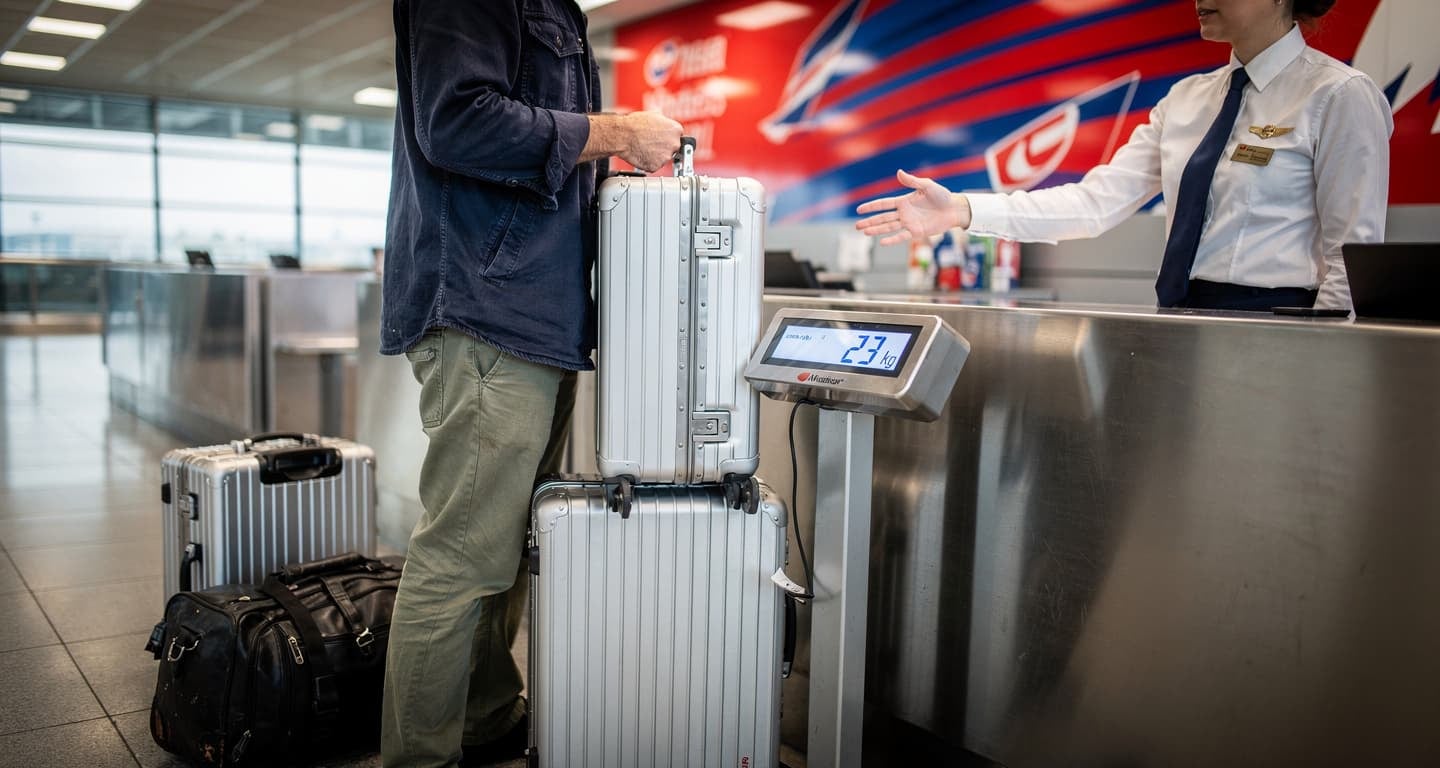
- Baggage flows through: Check your bags in Sydney, collect them in Tokyo. No Cairns retrieval, no re-checking, no domestic baggage fees eating your savings.
- Connection protection: If your Sydney-Cairns flight delays and you miss JQ25 to Tokyo, Jetstar must rebook you at no charge. Separate tickets leave you stranded and rebooking at walk-up fares.
- Storm season insurance: Queensland’s November-March wet season brings afternoon thunderstorms that delay 15% of Cairns flights by an average of 32 minutes. Through-ticketing means those delays become Jetstar’s problem, not yours.
Allow a minimum 4-hour connection in Cairns during summer months. The typical routing has you arriving Cairns mid-afternoon on a domestic flight, then departing around 21:00 on JQ25 to reach Tokyo at 06:00 the following morning.
The trade-offs you’re accepting
The $400-600 savings come with real compromises. Understanding them helps you decide if the routing fits your travel style.
Aircraft experience
The Cairns-Tokyo sector alternates between Boeing 787 Dreamliners and Airbus A321LR narrowbodies. The 787 offers standard widebody comfort. The A321LR means 7 hours in a single-aisle cabin—tighter quarters, smaller overhead bins, and the general density of a domestic aircraft on an international route. Seat maps at booking reveal which aircraft operates your specific date.
Time cost
Direct Sydney-Tokyo takes 10 hours. The Cairns routing adds 4-5 hours including connection time. At $550 savings, you’re effectively valuing your time at $110-140 per hour. For budget-conscious travelers or those who don’t mind airports, that’s acceptable. For time-pressed business travelers, the direct flight may justify its premium.
Service level
Jetstar is a low-cost carrier. No lounge access, no included meals, no premium cabin option. If you’re comparing against Qantas business class or ANA’s full-service economy, the gap extends beyond just the fare—though most travelers comparing $950 versus $1,500 are already shopping economy.
When this strategy breaks down
Three scenarios where the Cairns routing loses its advantage:
- Last-minute bookings: Promotional fares disappear within 6 weeks of departure. By late November for December travel, Cairns routings can hit $1,200—eroding savings to under 20%.
- Peak holiday dates: Christmas week and cherry blossom season (late March) see both routes compress. When directs drop to $1,300 on sales, the $350 gap may not justify the extra hours.
- Heavy luggage: A321LR flights enforce stricter weight limits. If you’re checking multiple bags or oversized items, fees accumulate faster than on widebody directs with more generous allowances.
Booking the routing now
Search jetstar.com for your origin city to Tokyo Narita, selecting flexible dates across your December travel window. The booking engine automatically surfaces Cairns connections alongside any direct options.
Set fare alerts for your preferred dates. Jetstar’s dynamic pricing means the $950 fare you see today may be $1,100 next week—or $850 during a flash sale. The promotional fares advertised through June 2026 suggest stable pricing into peak season, but December inventory moves fast.
For Australian and New Zealand citizens, no additional visas apply—Cairns is a domestic stop, and Japan’s Electronic Travel Authorization (ETA) covers your entry. Other passport holders should verify Japan transit requirements if the Cairns layover extends beyond standard connection times.
Questions? Answers.
What are the exact flight times for Sydney-Cairns-Tokyo?
Sydney-Cairns domestic flights depart throughout the day (2-hour flight time). JQ25 to Tokyo typically departs Cairns around 21:00, arriving Narita at 06:00 the following morning after 7 hours 23 minutes. Aim for a domestic arrival before 17:00 to ensure a comfortable 4+ hour buffer.
How do I know if my flight uses the 787 or A321LR?
The seat map during booking reveals the aircraft type. Boeing 787 shows a 3-3-3 widebody configuration. Airbus A321LR displays a 3-3 narrowbody layout. If aircraft comfort matters, check before confirming payment—Jetstar allows date changes for a fee if you prefer the 787 experience.
What happens if storms delay my Cairns connection?
On a through-ticket, Jetstar must rebook you on the next available Tokyo flight at no charge. Queensland’s wet season (November-March) sees 15% of flights delayed by an average of 32 minutes. The 4-hour connection buffer absorbs most delays; longer disruptions trigger rebooking protections similar to EU261 regulations.
Does this work from Perth or Adelaide?
Poorly. Perth-Cairns alone takes 4+ hours and costs $300-400, eliminating most savings while adding 8+ hours to your journey. Adelaide faces similar challenges. West-coast travelers typically find better value routing through Singapore or Doha on Gulf carriers.
Can I add a Cairns stopover to explore the Great Barrier Reef?
Yes, but you’ll need to book as separate tickets (domestic + international), losing connection protection. Alternatively, search for multi-city itineraries with a deliberate overnight in Cairns. Factor in hotel costs and the loss of through-checked baggage when calculating total trip economics.
Are the promotional fares still available for late 2026?
Jetstar’s announced promotions extend through June 2026, with December peak fares running higher but still 30-40% below direct carriers. Search now and set alerts—inventory for popular December dates sells through promotional tiers quickly, and last-minute bookings rarely capture the full savings.