Sydney and Melbourne residents flying to Taiwan pay AUD$200-300 more than necessary on China Airlines. The cheaper departure point is Brisbane—same airline, same aircraft, same destination, but consistently lower fares due to reduced airport taxes and capacity competition at BNE.
Air Traveler Club’s February 2026 fare analysis across Australian gateways confirms the gap: China Airlines BNE-TPE roundtrips average AUD$1,229 versus AUD$1,450-1,600 from Sydney. A AUD$69-99 Jetstar positioning flight from Sydney to Brisbane delivers AUD$100-200 net savings after the domestic connector cost. Melbourne residents see similar math with AUD$129 positioning flights yielding AUD$150-190 net benefit.
For Australian travelers departing February through May 2026, this positioning strategy works on any China Airlines Taiwan routing. The catch: you’re booking separate tickets with no airline protection, requiring a minimum 4-hour buffer at Brisbane for bag collection, customs clearance, and terminal transfer.
Why Brisbane undercuts Sydney by AUD$200-300
The pricing gap isn’t a glitch—it’s structural. Brisbane International departure taxes run approximately AUD$60 versus Sydney’s AUD$90, accounting for roughly 30% of the fare difference. The remaining gap comes from yield management: China Airlines treats Brisbane as its primary Australian hub with 34 weekly direct flights, optimising BNE pricing to fill capacity while Sydney operates as a secondary market.
This pattern mirrors the broader Australian airport pricing dynamics where Melbourne, Brisbane, and Perth consistently undercut Sydney’s premium pricing across Asia-Pacific routes. Lower terminal congestion, reduced landing fees, and aggressive competition from carriers like Qantas and EVA Air keep BNE fares suppressed.
Brisbane’s quiet rise as Australia’s Asia gateway
Since 2019, Brisbane has grown its Asia-Pacific seat capacity by 28% while Sydney grew just 12%. Airlines favour BNE’s lower operating costs and faster turnaround times—advantages that translate directly into cheaper passenger fares on competitive routes like Taiwan.
The gap holds across booking windows. February 2026 shows AUD$1,229 BNE versus approximately AUD$1,500 SYD. March narrows slightly to AUD$1,294 BNE during peak demand. April drops to AUD$1,174 BNE—the lowest monthly fare—while Sydney stays elevated above AUD$1,400.
The positioning strategy: step by step
Book two completely separate tickets. First: Sydney or Melbourne to Brisbane on Jetstar or Virgin Australia. Second: Brisbane to Taipei on China Airlines. Never book these as a single itinerary—the savings exist precisely because you’re exploiting different pricing markets.
Domestic connector costs from Sydney average AUD$69-89 on Jetstar (carry-on only) or AUD$99 on Virgin Australia (including 23kg checked bag). Melbourne positioning runs AUD$99-129. Book 21+ days in advance for these rates; last-minute domestic fares can exceed AUD$200 and eliminate your savings entirely.
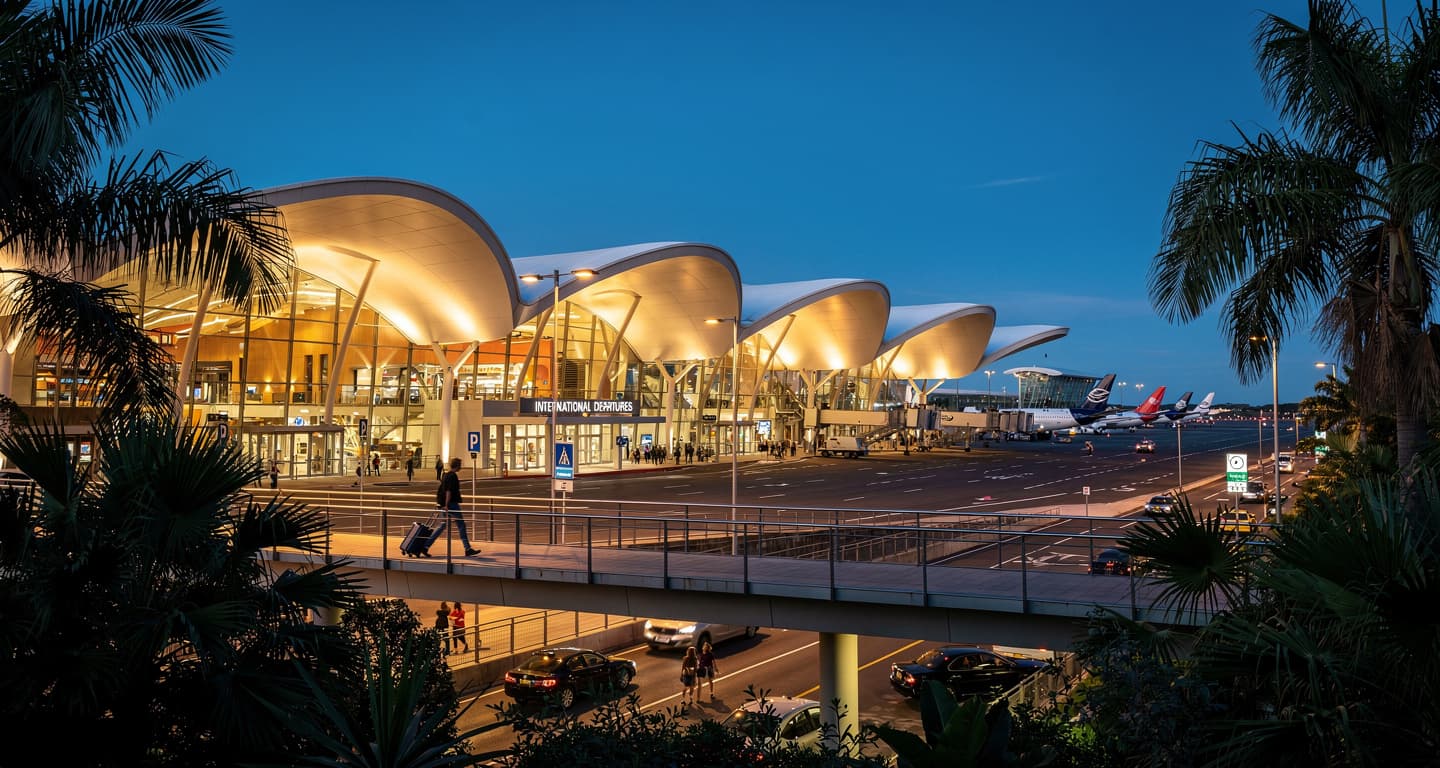
The transfer at Brisbane requires collecting checked bags from your domestic arrival, clearing through the domestic terminal, then taking the free Airtrain shuttle (runs every 15 minutes, 5-10 minute journey) to the International Terminal. Total process time: 2-3 hours under normal conditions, longer during 7-10AM peak immigration periods.
How to cut fares to Asia by 40–80%
Our custom AI ✨ tracks pricing anomalies that traditional search engines miss.
Get the these deals in your inbox, for free:

Net savings calculation by origin
The mathematics favour this strategy for most Sydney and Melbourne travellers, though margins vary by departure city and baggage needs:
| Origin Strategy | International RT (AUD) | Domestic Connector | Net Savings vs Direct |
|---|---|---|---|
| Direct SYD-TPE | 1,500 | 0 | Baseline |
| Direct MEL-TPE | 1,550 | 0 | Baseline |
| SYD → BNE positioning | 1,229 | 89 | +182 |
| MEL → BNE positioning | 1,229 | 129 | +192 |
| BNE local resident | 1,229 | 0 | +271 |
Break-even threshold: the strategy works when the SYD/MEL-TPE fare gap exceeds your positioning cost plus AUD$50 buffer for risk. Currently, that gap runs AUD$270-320—comfortably above the AUD$89-129 connector plus buffer.
When this strategy breaks down
Three scenarios eliminate or severely reduce the savings advantage.
Checked baggage fees erode margins. Jetstar charges AUD$30-50 per bag each way on domestic sectors. Two checked bags roundtrip adds AUD$120-200, cutting net savings to AUD$60-80—barely worth the logistics complexity. Virgin Australia’s included 23kg bag makes it the better choice for travellers with luggage, despite higher base fares.
Peak holiday periods compress the gap. December-January sees BNE fares climb to AUD$1,400+ as demand spikes, narrowing the Sydney differential to under AUD$100. The positioning hassle outweighs minimal savings during Christmas and Lunar New Year windows.
Tight connections risk missed flights. Separate tickets provide zero airline protection—if your Jetstar domestic delays and you miss the China Airlines departure, you’re rebooking at full fare. Immigration queues peak 7-10AM at Brisbane; connections under 4 hours during these windows carry meaningful misconnection risk. Comprehensive travel insurance covering missed connections is essential.
Oneworld frequent flyers with status may find direct Sydney codeshares match BNE pricing through fare buckets unavailable to general public—always compare before committing to positioning.
Brisbane transfer logistics
According to Brisbane Airport’s official transfer guidelines, passengers on separate tickets must exit the Domestic Terminal completely, collect all checked luggage, then transfer to the International Terminal via the free Airtrain shuttle operating every 15 minutes throughout the day.
The Airtrain runs 0500-2230 during peak periods with on-call service overnight. Alternative taxi transfers cost approximately AUD$25 if you prefer door-to-door service or arrive during off-peak hours. Total transfer time including bag collection, customs formalities, and shuttle: 2-3 hours minimum, extending to 3-4 hours during morning rush periods.
Build your 4-hour buffer from domestic arrival time to international departure. This accounts for potential domestic delays, slower-than-expected immigration processing, and comfortable check-in at the China Airlines counter without stress.
Questions? Answers.
Does Virgin Australia beat Jetstar for positioning flights?
Virgin averages AUD$99 one-way versus Jetstar’s AUD$69, but includes 23kg checked baggage standard. For travellers with luggage, Virgin saves AUD$40-60 in bag fees—making net positioning costs nearly identical while avoiding add-on complexity.
Can I use this strategy from Cairns or other Queensland cities?
Yes—Cairns to Brisbane runs AUD$79 on Jetstar with shorter transfer times. Queensland residents north of Brisbane benefit from approximately 10% additional savings compared to Sydney positioning due to lower domestic connector costs.
How does EVA Air compare on BNE-TPE pricing?
EVA Air averages AUD$1,250 roundtrip from Brisbane—approximately 5% above China Airlines. EVA offers more daily frequencies and superior business class product, but for pure price arbitrage, China Airlines delivers better value.
Will this pricing gap close if China Airlines adds Sydney capacity?
Unlikely in the near term. China Airlines treats Brisbane as its Australian hub with 34 weekly direct flights versus limited Sydney service. Lower BNE airport charges ensure the structural advantage persists unless significant capacity floods the market.
What’s the exact tax breakdown creating the BNE advantage?
Brisbane international departure tax runs approximately AUD$60 versus Sydney’s AUD$90—a AUD$30 difference per passenger. Combined with lower terminal fees and competitive yield management, this creates the AUD$200-300 total fare gap.