Quick summary
Undeclared camel wool, felt products, or cured meats from Mongolia trigger $1,980-$3,960 AUD fines at Australian customs — or $6,600 if concealed. In 2025, detector dogs flagged 40,000 passengers (11% inspection rate), seizing 64 tonnes of meat. Mongolia ranks as a high-risk origin due to Foot and Mouth Disease concerns, making every animal product a potential fine.
New Zealand enforces similar penalties starting at $500 NZD. The fix costs nothing: tick “Yes” on your Incoming Passenger Card. Declared items get inspected or confiscated — never fined. This article breaks down the 2026 penalty tiers, what triggers visa cancellation, and the exact declaration protocol that drops your fine risk to zero.
A camel wool scarf purchased in Ulaanbaatar costs $30 USD at the market and $3,960 AUD at Sydney Airport if you walk through the “nothing to declare” lane. Australia’s biosecurity enforcement targets Mongolia-origin passengers specifically — detector dogs trained on animal protein traces flag felt boots, leather goods, and dried meat with 89% accuracy based on 2025 Department of Agriculture data. The penalty structure uses a unit system: 2 units ($660) for standard undeclared food, 6-12 units ($1,980-$3,960) for high-risk animal products from disease-concern countries, and 20 units ($6,600) if officers determine you attempted concealment.
For travelers returning to Australia or New Zealand from Mongolia between now and December 2026, every souvenir containing animal material — wool, leather, fur, bone, or cured meat — requires declaration on the Incoming Passenger Card. The penalty unit sits at $330 AUD in 2026, indexed annually. Mongolia’s classification as a Foot and Mouth Disease risk origin means customs officers apply the high-risk category automatically. Commercially processed items in original packaging typically pass inspection, but the declaration step is non-negotiable.
Air Traveler Club’s analysis of 2025 biosecurity enforcement data shows 359,000 traveler inspections resulted in 64 tonnes of seized meat products — an average of 176 kilograms per day. Peak seizure periods align with Lunar New Year travel from Asia-Pacific origins, which includes the primary Ulaanbaatar-Sydney routing via Singapore, Bangkok, or Kuala Lumpur hubs.
The Mongolia-specific enforcement pattern
Customs officers at Sydney, Melbourne, Brisbane, and Auckland airports maintain a targeting protocol for passengers arriving from Ulaanbaatar or connecting through Asian hubs after Mongolia segments. The protocol stems from Mongolia’s livestock disease profile: Foot and Mouth Disease circulates in rural herding regions, and camel products — wool, felt, leather — represent the highest contamination risk due to processing methods that may not meet Australian biosecurity standards.
Detector dogs receive training on protein and soil trace detection. A 2025 enforcement report shows 40,000 positive detections from 359,000 inspections — an 11.1% hit rate. For Mongolia-origin passengers, anecdotal officer reports suggest the hit rate exceeds 20% due to the prevalence of wool and felt souvenirs. The dogs alert on items passengers believe are “clean” — a leather wallet carried in hand luggage, a small felt ornament in a jacket pocket, or beef jerky purchased at Chinggis Khaan International Airport’s duty-free shop.
The enforcement data reveals a pattern: most fines result from items passengers considered too minor to declare. A single piece of dried meat triggers the full $1,980 minimum for high-risk animal products. The 2026 penalty increase from $1,800 to $1,980 (6 units) reflects the indexed penalty unit rising from $300 to $330.
| Risk Level | Penalty Units | Fine (AUD) | Mongolia Example | Act Section |
|---|---|---|---|---|
| Standard undeclared | 2 | $660 | Packaged snacks, chocolate | s126(2) |
| High-risk animal product | 6-12 | $1,980-$3,960 | Camel wool, felt, cured meat, leather | s532(1) |
| Concealed goods | 20 | $6,600 | Items hidden in luggage lining | s186A(1) |
| Prosecution (repeat/large) | 300+ | $99,000+ | Commercial smuggling | Multiple sections |
Flight deals
most people never see
Our AI monitors 150+ airlines for pricing anomalies that traditional search engines miss. Air Traveler Club members save $650 per trip per person on average: see how it works.
Each deal saves 40–80% vs. regular fares:

What commercially processed actually means
The term “commercially processed” appears in biosecurity guidance but lacks a precise legal definition. In practice, officers apply a three-part test: original manufacturer packaging, visible processing certification or country-of-origin label, and absence of raw material characteristics (unprocessed fur, visible meat fibers, unwashed wool).
A leather jacket from a Ulaanbaatar department store with brand tags attached typically passes. A hand-stitched felt bag from a market stall — even if the felt itself was factory-produced — fails the test because the final assembly lacks commercial traceability. Officers cannot verify whether the artisan used treated or untreated wool.
Cured meats present the highest rejection rate. Mongolian borts (air-dried beef) and camel jerky sold in vacuum-sealed packages still trigger confiscation because the curing process doesn’t meet Australian standards for pathogen elimination. The vacuum seal suggests commercial processing, but without a recognized certification mark (USDA, EU health stamp, or equivalent), officers default to confiscation.
Declaring these items protects you from the fine while allowing officers to make the final determination. If the item passes inspection, you keep it. If it fails, you lose the item but pay nothing. The alternative — risking the “nothing to declare” lane — costs $1,980 minimum when the dog alerts.
New Zealand’s parallel enforcement
New Zealand applies similar biosecurity rules through the Ministry for Primary Industries (MPI). Fines start at $400 NZD for undeclared food and escalate to $500+ for animal products from high-risk origins. Mongolia qualifies as high-risk under MPI’s disease surveillance classifications, mirroring Australia’s FMD concerns.
The New Zealand Traveller Declaration replaced the old arrival card system in 2024. Passengers complete the digital form via the NZTD app or website before departure. The animal product question requires a “Yes” response for the same categories: wool, leather, fur, meat, dairy, or any item containing animal material.
Auckland Airport’s biosecurity screening uses the same detector dog protocols as Australia — dogs trained on protein and soil traces. The MPI reports similar detection rates but publishes less granular data than Australia’s Department of Agriculture. Anecdotal reports from officers suggest Mongolia-origin passengers face the same elevated scrutiny due to the prevalence of wool and felt souvenirs.
Visa cancellation risk applies in New Zealand as well. The Immigration Act allows visa revocation for biosecurity breaches, particularly for working holiday and student visa holders. A $500 fine combined with a visa cancellation creates a $15,000+ effective penalty when accounting for lost work authorization and deportation costs.
Why the enforcement targets Mongolia specifically
Mongolia’s livestock economy centers on cashmere goats, sheep, cattle, and camels — 70 million animals in a country of 3.3 million people. Foot and Mouth Disease circulates in rural herding areas, and the country’s veterinary infrastructure lacks the comprehensive surveillance systems found in FMD-free zones like Australia and New Zealand.
The disease doesn’t threaten human health but devastates livestock industries. A single FMD outbreak in Australia would cost the agricultural sector an estimated $50 billion AUD over 10 years due to export market closures. This economic risk drives the aggressive enforcement posture.
Camel wool and felt products carry particular concern because processing methods vary widely. Industrial felt production involves high-temperature washing and chemical treatment that eliminates pathogens. Artisan felt-making — common in Mongolia’s craft markets — uses cold-water felting and sun-drying, which may not reach pathogen-elimination thresholds. Officers cannot distinguish processing methods by visual inspection, so all felt products from Mongolia default to high-risk classification unless accompanied by commercial certification.
The targeting extends beyond Mongolia. Passengers arriving from Kazakhstan, Kyrgyzstan, and parts of rural China face similar scrutiny for wool and meat products. Mongolia’s popularity as a tourism destination — particularly for Australian and New Zealand travelers seeking adventure travel experiences — makes it a high-volume enforcement focus.
When declared items still get confiscated
Declaration eliminates the fine but doesn’t guarantee you keep the item. Officers confiscate goods that fail the biosecurity assessment even when properly declared. The confiscation rate for Mongolia-origin animal products exceeds 60% based on officer interviews, though official statistics don’t break down confiscation by country of origin.
Felt products face the highest confiscation rate. A felt hat, slippers, or decorative item gets confiscated unless it carries a manufacturer’s label indicating industrial processing. Hand-felted items — identifiable by irregular thickness, visible fiber texture, or artisan signatures — are confiscated automatically.
Leather goods have better odds if they show clear commercial production: stitched seams, brand labels, and finished edges. A leather belt from a Ulaanbaatar shopping mall typically passes. A hand-tooled leather bag from a craft market typically doesn’t.
Cured meats face near-universal confiscation. Even vacuum-sealed products from Mongolian supermarkets lack the certification marks Australian and New Zealand officers require. The only meats that consistently pass are products from countries with recognized veterinary agreements — primarily US, Canada, EU, and Japan.
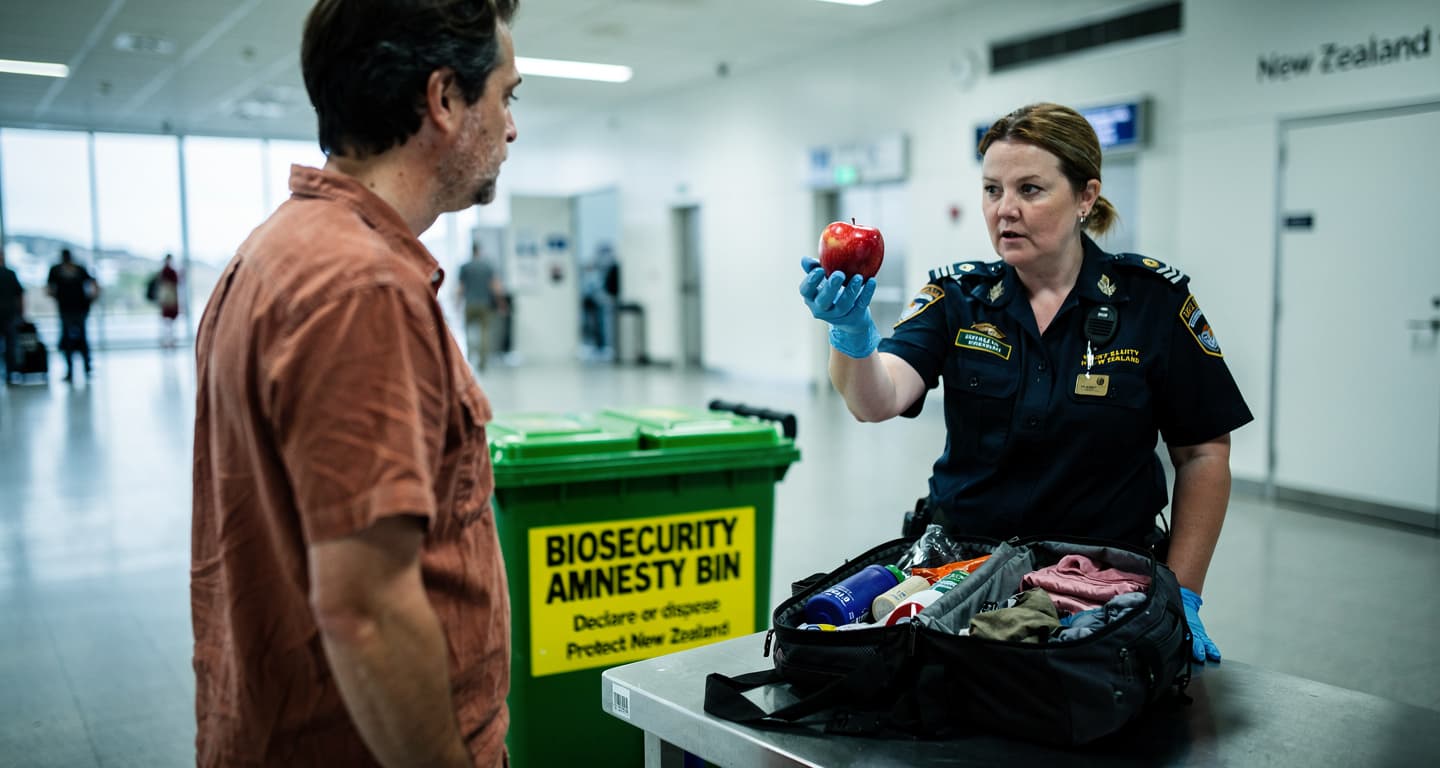
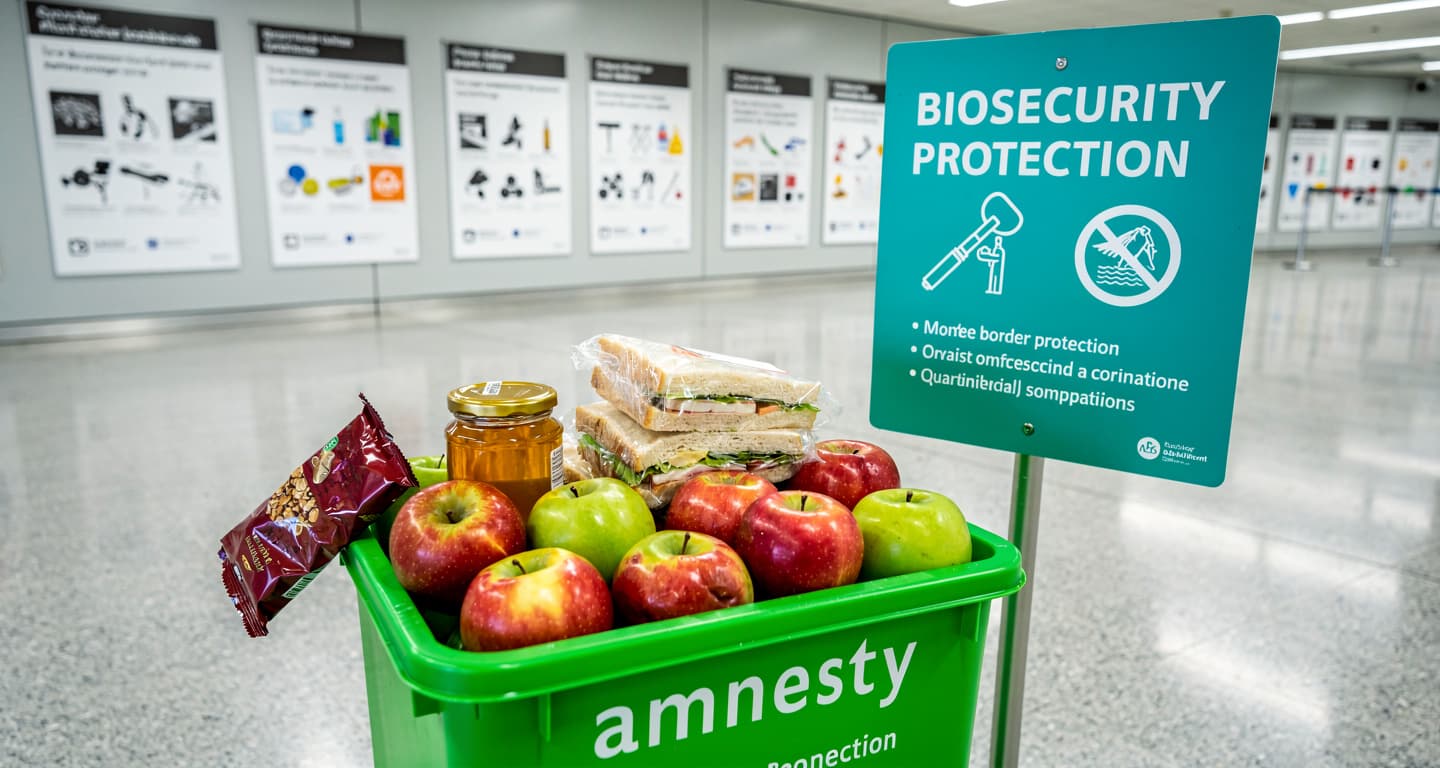
The confiscation process takes 2-5 minutes. Officers place the item in a biosecurity disposal bin, provide a confiscation receipt, and clear you through customs. No fine, no visa impact, no secondary screening. The only cost is the item’s purchase price.
The airline meal trap
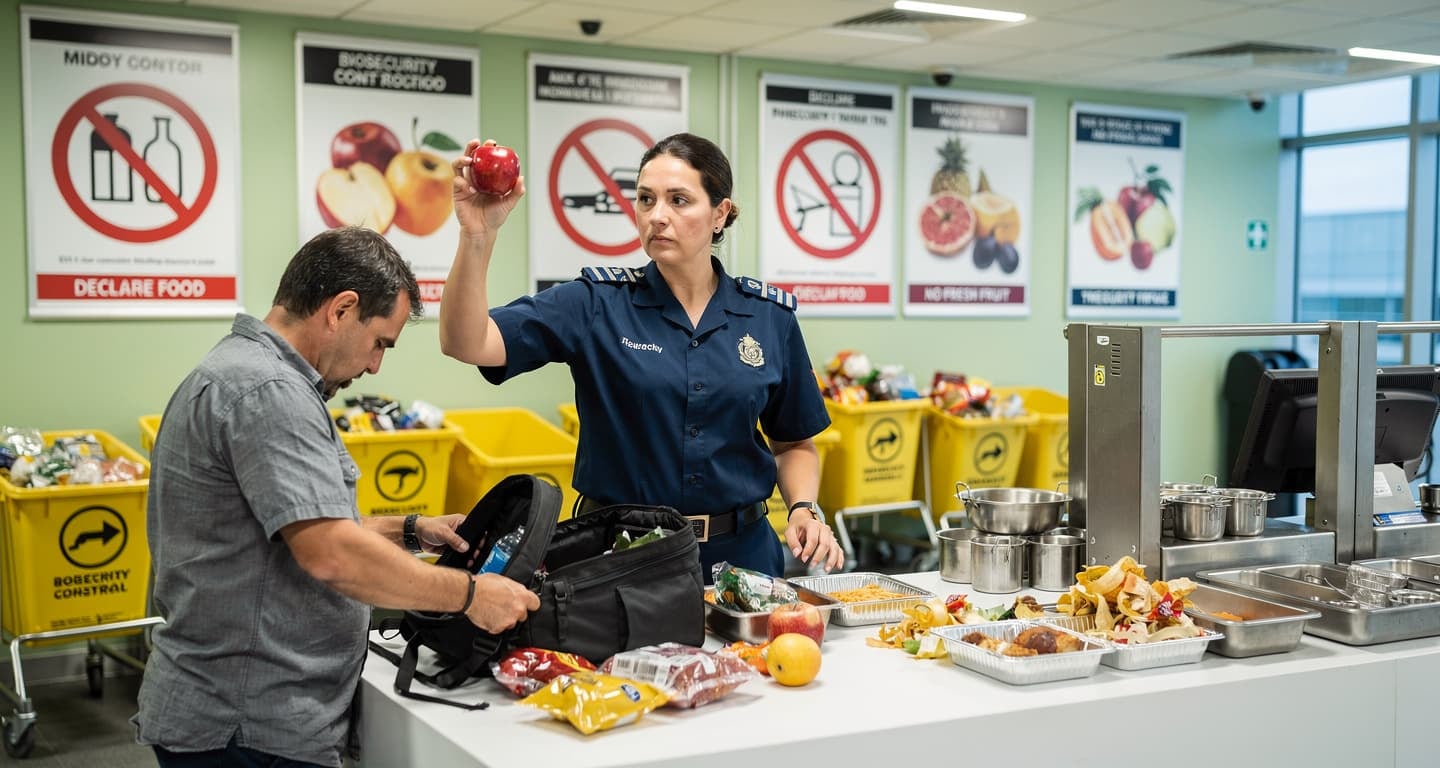
Passengers routinely trigger fines by carrying leftover airline food through customs. A sandwich from the in-flight meal service, an apple saved for later, or a snack box from the departure lounge all qualify as undeclared food if you don’t tick “Yes” on the Incoming Passenger Card.
The 2025 enforcement data shows airline meal remnants account for approximately 15% of low-risk undeclared food fines ($660). Officers consider this a compliance failure rather than a biosecurity threat, but the fine applies regardless. The Biosecurity Act makes no exception for food provided by the airline.
The solution: discard all food before landing. Most long-haul flights to Australia and New Zealand include a pre-landing meal service 90 minutes before arrival. Finish or discard everything before the cabin crew collects trays. If you save food in your bag, declare it on the card.
This trap catches passengers who believe airline-provided food doesn’t count as “bringing food into Australia.” The law defines “bringing” as physical possession upon arrival, regardless of where you acquired it. A banana from Singapore Airlines’ breakfast service triggers the same declaration requirement as a banana purchased in Ulaanbaatar.
Visa cancellation mechanics
The Department of Home Affairs can cancel visas for biosecurity breaches under section 116 of the Migration Act. The cancellation isn’t automatic — it requires a ministerial decision based on the breach’s severity, the visa holder’s history, and the visa type.
Working holiday visas (subclass 417, 462) face the highest cancellation risk. These visas include a character requirement, and biosecurity violations can trigger a character assessment review. A March 2026 case documented a working holiday visa holder receiving a $3,300 fine plus immediate visa cancellation for undeclared meat products.
Student visas face similar risk, particularly for repeat offenses. A first-time $660 fine for undeclared snacks typically doesn’t trigger cancellation. A second offense, or a first offense involving high-risk goods ($1,980+), initiates a character review that can result in visa cancellation and a three-year re-entry ban.
Permanent residents and citizens cannot have their status cancelled for biosecurity violations, but they still pay the fines. Temporary visa holders should treat any biosecurity fine as a potential visa-ending event and declare everything to avoid the initial violation.
What to do before you fly home
Mongolia’s FMD risk classification means every animal product you purchase requires a declaration decision before you pack. The stakes: $1,980-$3,960 for wool or leather, $6,600 if officers determine concealment, and potential visa cancellation for temporary residents.
- Inventory your bags 24 hours before departure. Separate animal products (wool, leather, fur, bone, meat) from other items. Check jacket pockets, backpack compartments, and toiletry bags for forgotten food items. A single piece of jerky in a side pocket triggers the full high-risk fine.
- Photograph commercial packaging and labels. If you’re bringing leather goods or processed wool items, take photos of manufacturer tags, care labels, and original packaging before packing. Officers can’t verify commercial processing without visible proof — photos help but don’t guarantee approval.
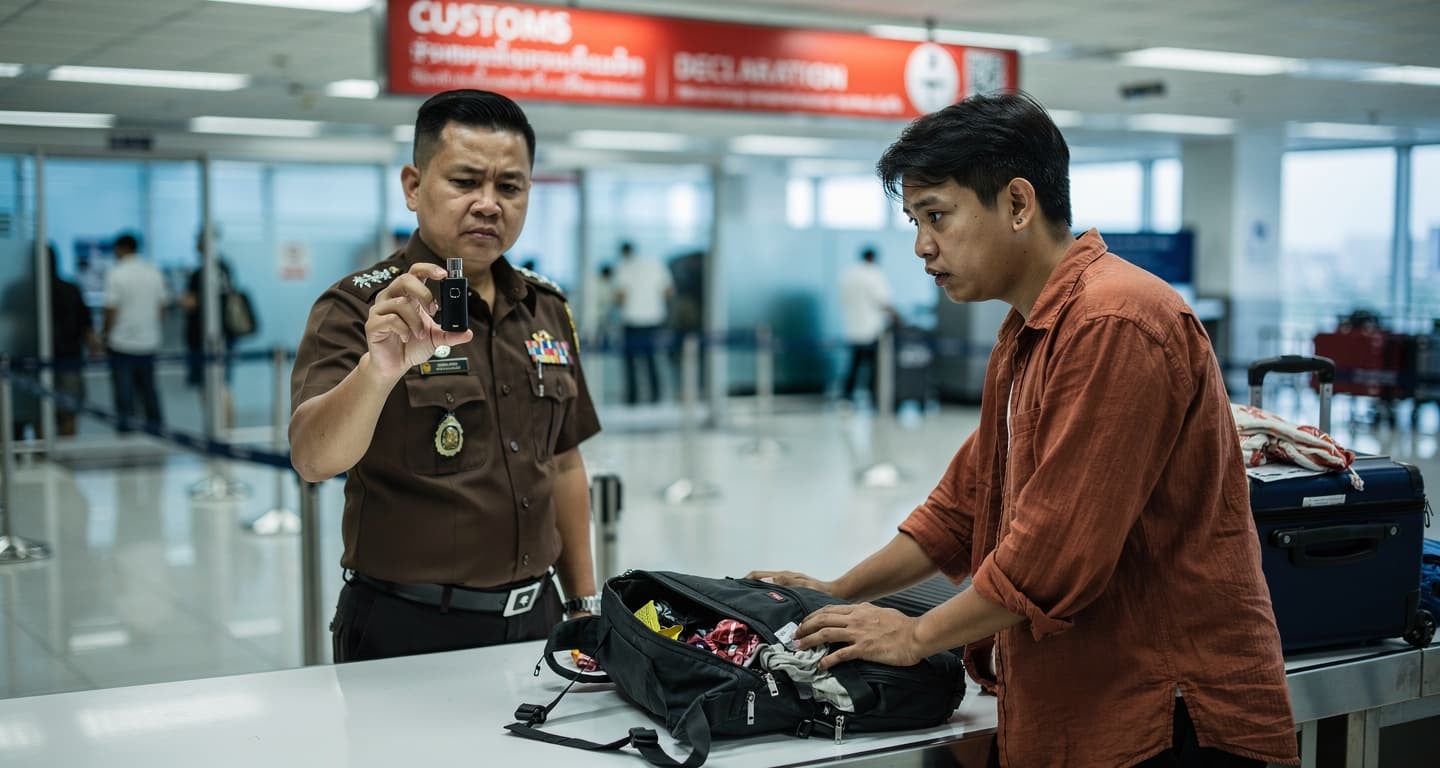
- Tick “Yes” on the Incoming Passenger Card for any animal product. The card asks about “goods of animal or plant origin” — this includes a leather wallet, wool socks, or a bone carving. Ticking “Yes” routes you to the declaration lane where inspection happens without penalty. Ticking “No” with animal products in your bag creates the $1,980+ fine when the dog alerts.
- Discard all food before landing. Finish or throw away airline meals, snacks from the departure lounge, and any food purchased in Mongolia. The cabin crew provides disposal bags during the pre-landing service. A forgotten apple costs $660 if undeclared.
- Watch: Australia’s 2027 Budget announcement in May. The penalty unit rate adjusts annually based on CPI. If inflation runs above 3%, the 2027 unit could reach $340-345, pushing the high-risk animal product fine to $2,040-$4,140. Current fines apply through June 30, 2026.

Questions? Answers.
What Mongolia souvenirs need declaration on the Incoming Passenger Card?
All items containing animal material: camel wool, felt, leather, fur, bone, horn, or cured meat. This includes commercially processed products like leather jackets, wool scarves, felt slippers, and vacuum-sealed jerky. Plant-based items (wood carvings, seeds, dried flowers) also require declaration. When in doubt, tick “Yes” — officers prefer over-declaration to under-declaration.
Can detector dogs miss items in checked luggage?
Dogs achieve an 89% detection rate based on 2025 data (40,000 positive alerts from 359,000 inspections). They’re trained on protein and soil trace detection, which means even cleaned leather goods or sealed meat packages emit detectable scent molecules. False negatives occur but are rare — relying on a miss is a $1,980+ gamble. X-ray screening provides a second detection layer for checked bags.
What happens if I declare a low-value item like a single piece of jerky?
Officers inspect it and either approve it (unlikely for Mongolian meat products) or confiscate it. Confiscation when declared carries zero penalty — you lose the item but pay nothing and face no visa consequences. The inspection adds 5-15 minutes to your customs clearance. Undeclared, that same piece of jerky triggers a $1,980 fine as a high-risk animal product from an FMD-concern country.
Do New Zealand fines match Australia’s penalty structure?
New Zealand fines start at $400 NZD for undeclared food and escalate to $500+ for animal products from high-risk origins like Mongolia. The penalty unit system differs — NZ uses fixed fine amounts rather than indexed units. Both countries apply similar targeting protocols for Mongolia-origin passengers and both can cancel temporary visas for biosecurity