Quick summary
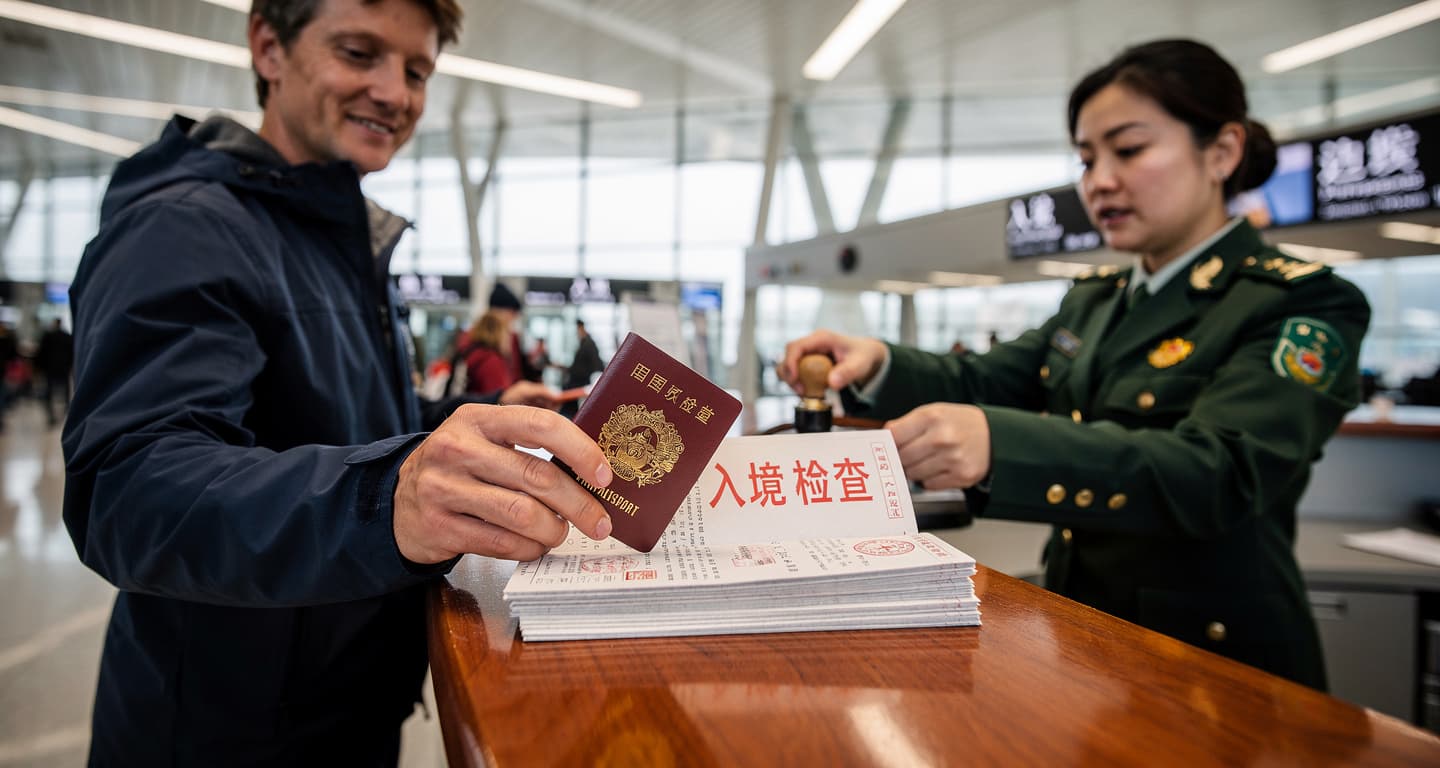
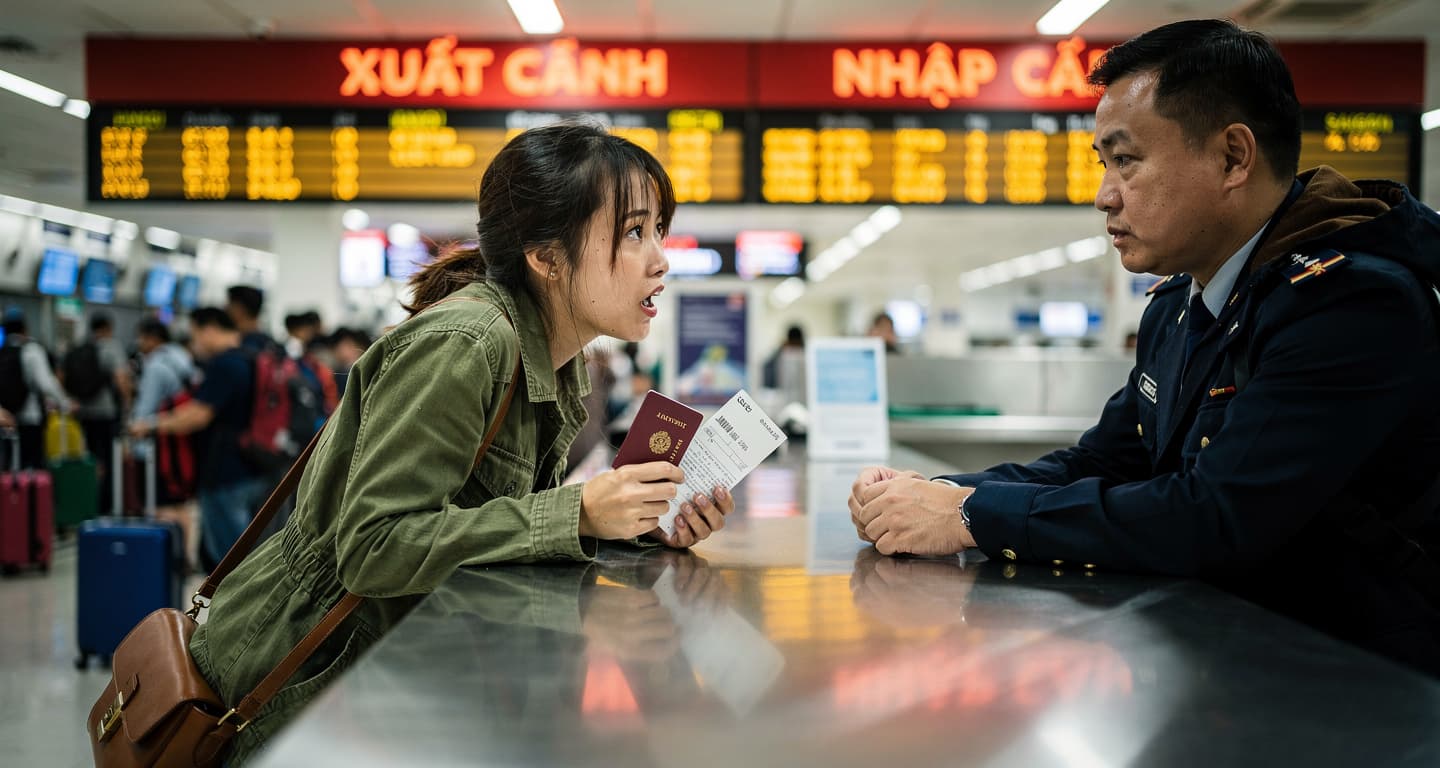
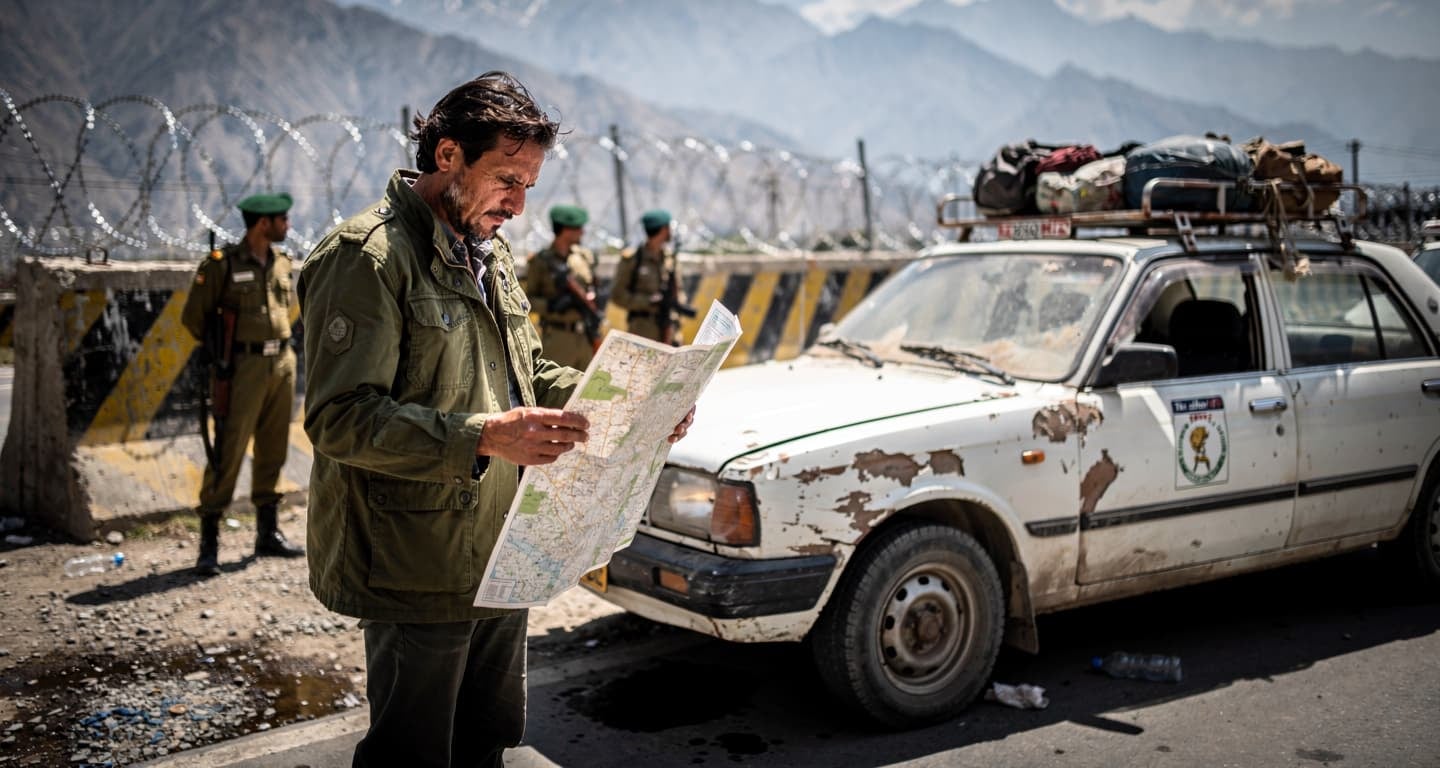
Travelers connecting through Delhi (DEL) to Bhutan on separate tickets face a high probability of being stranded in the arrivals hall—Delhi airport security routinely denies passage to departures without a valid Indian visa, even for passengers who never intend to leave the airport.The fix costs $10–25 and takes minutes: an Indian e-Tourist visa applied for at least 4 days before departure .The airside transit exemption technically exists but applies only to single-PNR itineraries with through-checked baggage—a setup that almost never occurs on Bhutan routings. Five distinct itinerary scenarios determine whether you need the visa, and one common booking mistake triggers the denial every time.Every Bhutan season, travelers get stranded in Delhi’s arrivals hall with no way to reach their onward flight. The problem is specific and predictable: if your Delhi connection uses separate tickets, Indian airport security will deny you access to departures without a valid Indian visa. The “Transit Without Visa” facility technically exists, but ground staff at Indira Gandhi International (DEL) regularly refuse it for self-transfer passengers who must collect and re-check baggage.
The solution costs $10–25 USD and takes minutes online. A 30-day Indian e-Tourist visa, applied for at least 4 days before travel, eliminates the risk entirely. For US, Canadian, European, and Australian passport holders routing through Delhi to Paro (PBH) in 2025–2026, this is non-negotiable trip insurance.
Air Traveler Club’s entry requirement monitoring system flagged repeated Delhi transit denials affecting Bhutan-bound travelers across the 2024–2025 peak season, with separate-ticket itineraries accounting for the vast majority of reported incidents. The pattern is consistent enough to treat as a rule, not an exception.
Why Delhi’s layout forces the visa requirement
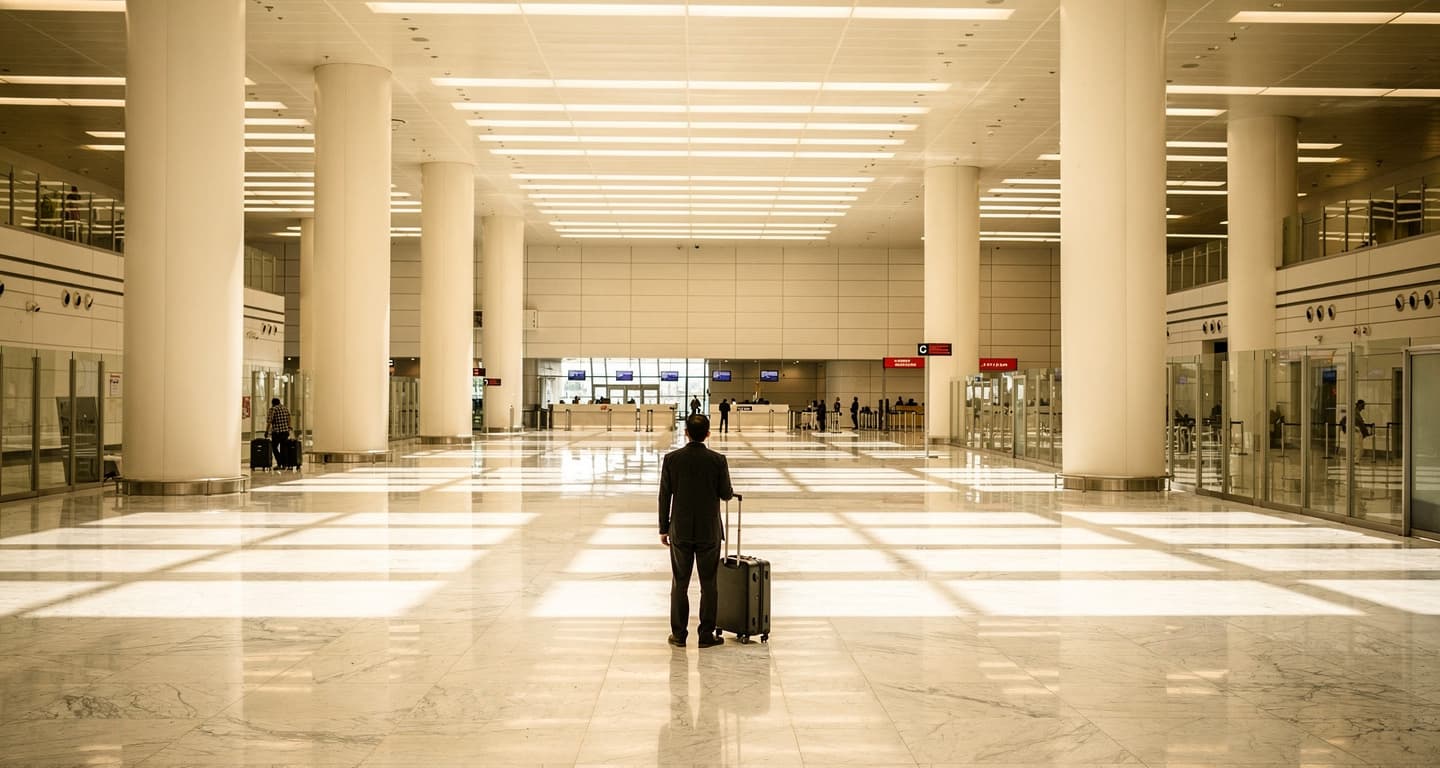
The core issue is architectural, not bureaucratic. Delhi’s Terminal 3 has no direct airside connection for passengers who need to collect checked baggage and re-check it for an onward flight. If your inbound carrier and your Bhutan airline (typically Drukair or Bhutan Airlines) don’t share an interline agreement—and they almost never do—your bags won’t transfer automatically.
That means you exit into the arrivals hall, collect your luggage, and attempt to re-enter through departures. At that checkpoint, security requires a valid Indian visa. The DEL airport international transfer guidelines explicitly warn passengers to “check if you require a Transit Visa” before attempting this process, confirming that visa verification occurs at the security barrier.
India’s Ministry of Home Affairs (MHA) policy is clear: the airside transit exemption applies only when you hold a single PNR with through-checked baggage and a confirmed onward boarding pass. Separate tickets—the default for most Bhutan itineraries booked independently—don’t qualify. You’re treated as entering India, which requires a visa.
Drukair’s interline reality
Drukair, Bhutan’s national carrier, has no interline baggage agreements with major international airlines serving Delhi. Even if you book your long-haul flight and Drukair segment on the same day, they operate as separate tickets with separate PNRs. Contact Drukair directly to confirm—don’t assume through-checking is available.
Five scenarios that determine your visa need
Not every Delhi connection requires a visa. The trigger is your ticket structure and baggage handling, not your nationality or layover duration. For travelers planning Bhutan trips through Delhi, our analysis of MHA policy and DEL operations identifies five distinct scenarios:
| Scenario | Ticket Type | Baggage | Visa Required? | Risk Level |
|---|---|---|---|---|
| US/EU/AU to DEL to Paro | Separate PNRs | Self re-check | Yes | High |
| Any origin, single PNR | Single PNR | Through-checked | No | Low |
| Overnight layover (8+ hours) | Separate | Self + hotel | Yes | Critical |
| Canada to DEL, T3 to T3 | Separate, no interline | Self re-check | Yes | High |
| Airside only (rare) | Single PNR | Through-checked | No | None |
The pattern is stark: any separate-ticket itinerary through Delhi requires a visa. The single-PNR exemption exists on paper but almost never applies to Bhutan routings because Drukair doesn’t interline with international carriers. If you’re booking your long-haul and Bhutan segments independently—which is how most travelers reach Paro—assume you need the visa.
Flight deals
most people never see
Our AI monitors 150+ airlines for pricing anomalies that traditional search engines miss. Air Traveler Club members save $650 per trip per person on average: see how it works.
Each deal saves 40–80% vs. regular fares:

The e-Tourist visa: $25 and 10 minutes of prevention
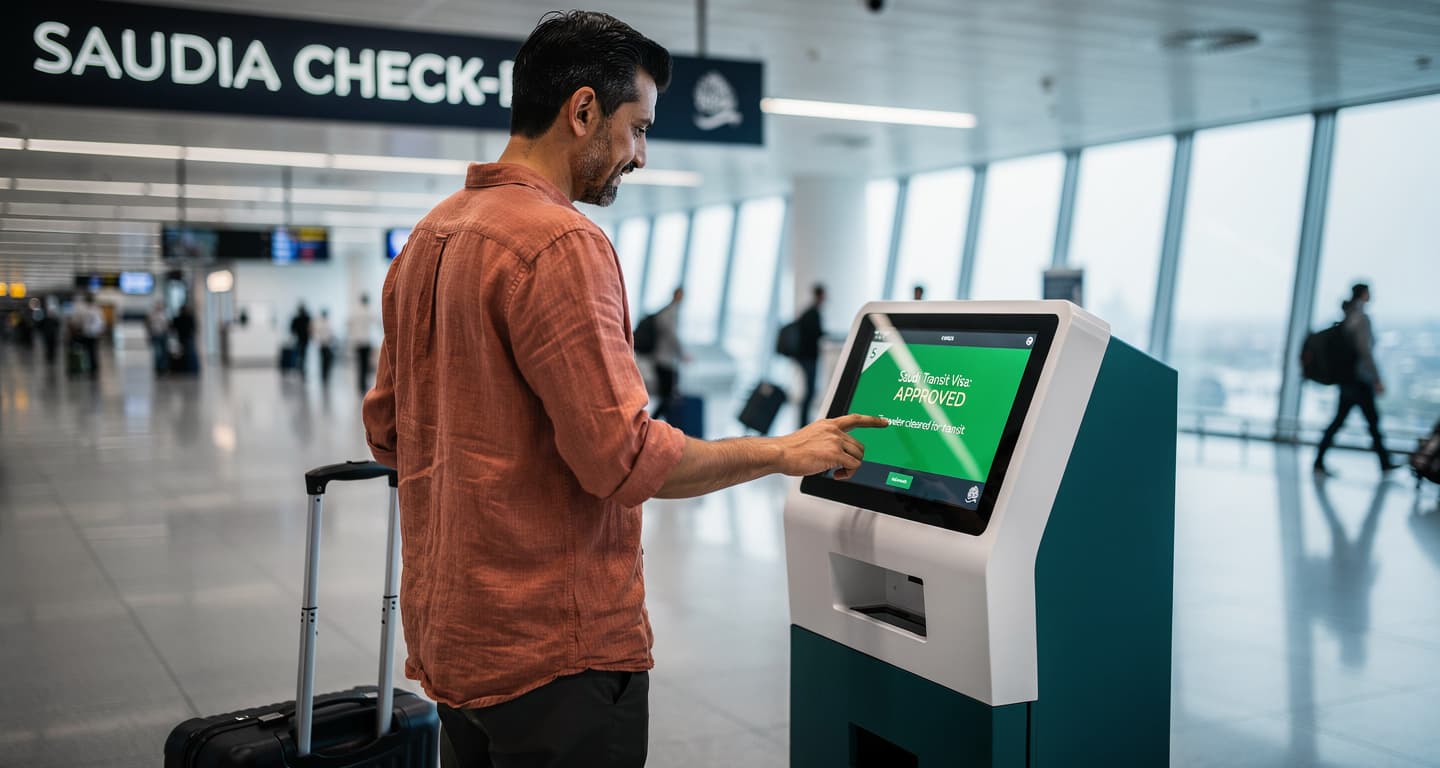
India’s e-Tourist visa is the simplest fix available. The 30-day single-entry visa costs $10 USD for most nationalities and $25 USD for US and UK citizens. Apply online at the official Indian e-Visa portal at least 4 days before departure. Processing typically completes within 72 hours.
Requirements are minimal: a passport with 6+ months validity, a digital photo, and a credit card. The e-Tourist visa covers any entry purpose including transit, making it strictly superior to the traditional transit visa (which requires an embassy visit, allows only 15 days, and covers single entry). For travelers who might want to explore Delhi during a longer layover, the e-Tourist visa also permits leaving the airport—a flexibility the transit visa doesn’t reliably offer.
The cost is trivial relative to the risk. A missed Drukair flight to Paro can’t simply be rebooked for the next morning—Bhutan flights operate on limited schedules, and replacement tickets during peak season (October–November, March–April) often cost $300–500 more if available at all. The $25 visa is the cheapest insurance in international travel.
When the visa isn’t enough: overnight and terminal-change scenarios
Two edge cases escalate beyond a simple transit visa. Overnight layovers exceeding 24 hours may force even airside passengers to exit the terminal, and staying at an airport hotel requires clearing immigration. The e-Tourist visa handles this, but you’ll also need hotel proof and potentially a printed visa clearance letter.
Terminal changes at Delhi—rare for international-to-international but possible during schedule disruptions—require exiting to landside and re-entering through a different terminal. This makes a visa mandatory regardless of ticket structure. For travelers concerned about connection logistics and layover quality at major Asian transit hubs, our analysis of Asia-Pacific hub airports covers minimum connection times and terminal transfer processes at key gateways.
Alternatives that bypass Delhi entirely
Travelers who want zero visa complications have routing alternatives. Bangkok (BKK), Kathmandu (KTM), and Singapore (SIN) all serve as Bhutan gateways without India’s transit restrictions. Drukair operates direct flights from Bangkok and Kathmandu, and these routings often appear as pricing anomalies in our Superdeal detection system when carriers adjust capacity on Southeast Asian feeder routes.
The trade-off is typically a 15–20% fare premium over Delhi routing, but the elimination of visa costs, processing time, and stranding risk makes the math closer than it appears. For travelers on tight schedules or those uncomfortable with India’s enforcement inconsistencies, the Bangkok or Kathmandu routing offers peace of mind worth the premium.
Bhutan’s own entry requirements stack on top
Don’t confuse India’s transit visa with Bhutan’s entry permit. Bhutan requires a Sustainable Development Fee (SDF) of $100 USD per person per night for international visitors, plus a separate visa processed through a licensed Bhutan tour operator or the Tourism Council of Bhutan. These are entirely independent of your India transit documentation.
The critical sequencing: secure your Bhutan permit first (confirms your travel dates), then apply for the Indian e-Tourist visa (confirms your transit is legal), then book your Delhi connection with minimum 4 hours between flights to allow for baggage collection, re-check, and security clearance. Rushing any step in this sequence creates compounding risk.
Questions? Answers.
Does holding a US or UK visa exempt me from needing an Indian transit visa?
No. Foreign visa holdings provide no exemption for Indian transit requirements. India’s MHA policy applies independently—you need either a qualifying single-PNR airside connection or a valid Indian visa regardless of what other visas you hold.
Can I stay airside at Delhi T3 if my tickets are separate but both flights are international?
No. Separate PNRs mean your baggage won’t transfer automatically, forcing you into the arrivals hall to collect and re-check bags. Delhi’s terminal layout requires passing through a visa-checked security barrier to re-enter departures. Without an Indian visa, security will deny access.
Is the e-Tourist visa or the traditional transit visa better for a Delhi layover?
The e-Tourist visa is superior in every dimension. It costs $10–25 (vs embassy visit for transit visa), allows 30 days (vs 15), permits airport exit for hotels or sightseeing, and processes online in 72 hours. The transit visa requires an in-person embassy appointment and offers no additional benefit.
What happens if I’m denied access at Delhi and miss my Drukair flight?
You’ll be held in the arrivals area with no access to departures. Rebooking Drukair is difficult—flights operate on limited schedules, and peak-season replacements cost $300–500 more if seats are available. Your airline has no obligation to assist since you’re on separate tickets. You may need to apply for an emergency Indian visa at the airport immigration office, which can take 6–12 hours with no guarantee of approval.
Does Mumbai have the same transit visa problem as Delhi?
Yes. Mumbai (BOM) operates under identical MHA rules—separate tickets require a visa for self-transfer. However, Mumbai’s Terminal 2 is slightly more airside-friendly for single-PNR connections. Since most Bhutan flights don’t route through Mumbai, Delhi remains the primary risk point.
How far in advance should I apply for the Indian e-Tourist visa?
Apply at least 4 days before your departure date. Processing typically takes 72 hours, but delays occur during peak Indian travel seasons (October–November, March–April). Applying 7–10 days ahead provides a comfortable buffer. The visa is valid for 30 days from the approved entry date.