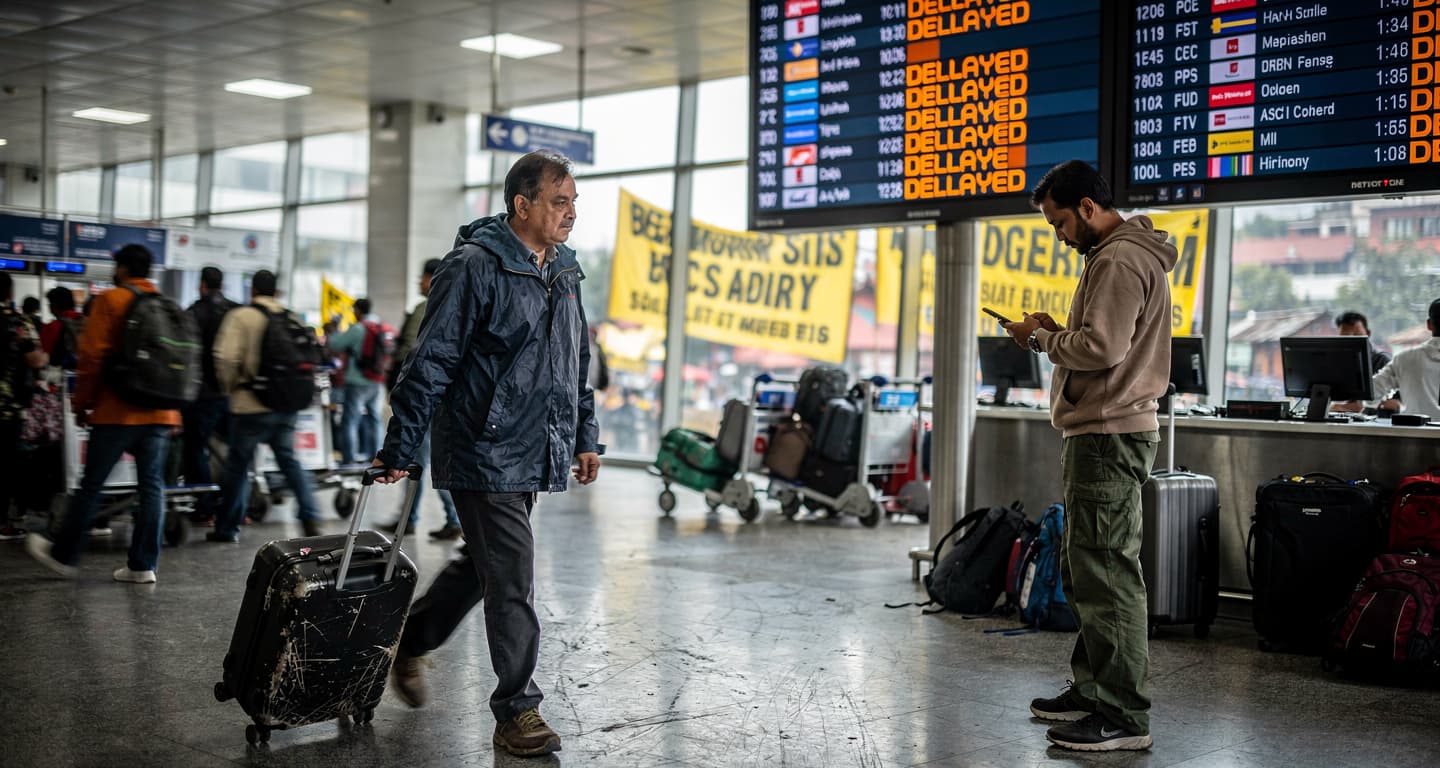
Bangladesh’s February 12, 2026 elections create a 72-hour window where surface transport to Dhaka’s airport drops to 0% availability. During active Hartals—organized political strikes—roads across the capital shut down completely, stranding travelers at Hazrat Shahjalal International Airport (DAC) with no taxis, buses, or rideshares operating.
Four governments now advise reconsidering Bangladesh travel. Australia’s DFAT issued a “Reconsider Need to Travel” advisory on January 30, 2026, citing transport blockades that flare without notice. Canada’s advisory explicitly warns that general strikes shut down all businesses and transport, including diplomatic areas. The UK flags elevated terrorism risks layered atop civil unrest.
For travelers with non-cancelable commitments in Dhaka between February 10-15, 2026, the contingency is straightforward: book airport-adjacent accommodation the night before any international departure. During peak Hartal periods, this isn’t optional—it’s the difference between making your flight and watching it leave without you.
The Hartal mechanics that strand travelers
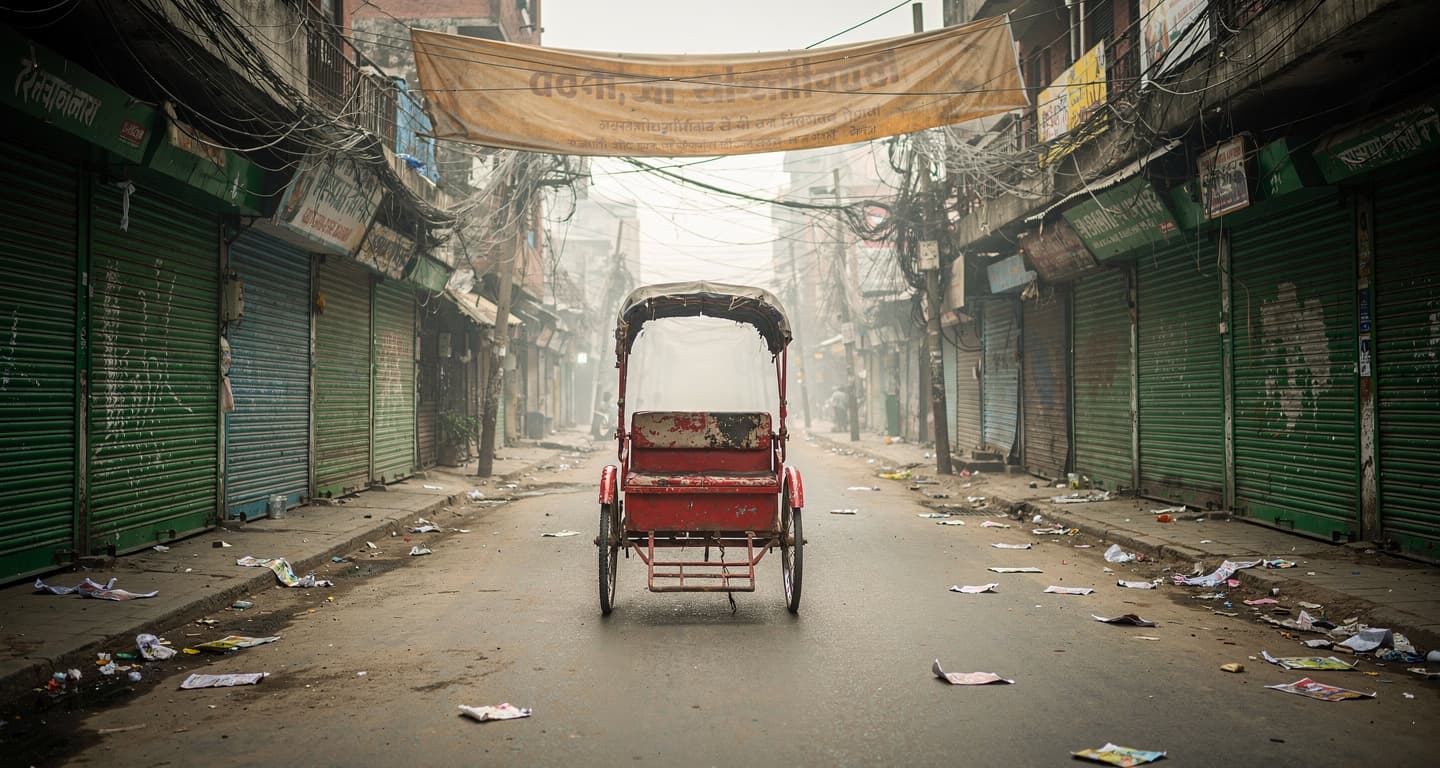
Hartals aren’t spontaneous protests—they’re organized shutdowns announced 24-48 hours in advance by political parties. When called, compliance is near-universal across Dhaka’s transport network. Taxis stop operating. Buses don’t run. Rideshare apps show zero available vehicles. The roads themselves may be physically blocked.
Air Traveler Club’s travel advisory monitoring flagged Bangladesh’s election-period risks on January 30, 2026, correlating multiple government warnings with historical Hartal patterns showing 100% road shutdown probability in central Dhaka during active strikes.
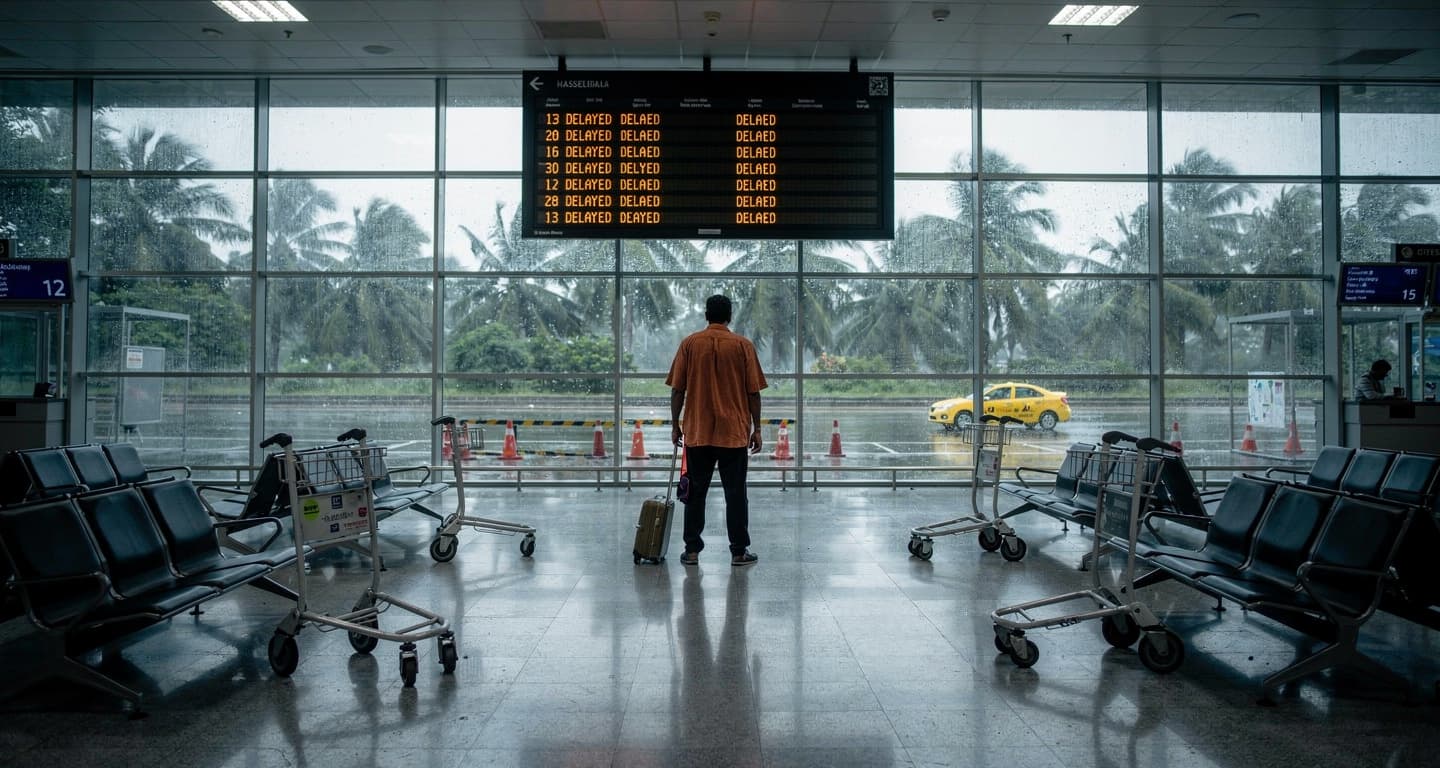
The airport itself remains operational—flights depart on schedule. But ground access fails completely. Airlines like Biman Bangladesh hold flights 1-2 hours for delayed passengers during known disruptions, but eventually deny boarding to stragglers who can’t reach the terminal. According to Canada’s travel advisory for Bangladesh, general strikes can strand passengers at Hazrat Shahjalal International with no vehicles available for transport.
The 10-20km problem
Most Dhaka hotels sit 10-20km from DAC airport. During Hartals, that distance becomes impassable. The only reliable zones are Baridhara and Banani—diplomatic enclaves where limited movement sometimes continues. Even there, reaching the airport requires pre-dawn departures before blockades solidify.
February 2026: the highest-risk window
Bangladesh authorities announced transport restrictions beginning February 10, with a complete vehicle ban February 11-12 including motorcycles. The February 12 elections and associated referendum historically trigger extended unrest, with strikes potentially continuing days beyond the vote.
| Period | Risk Level | DAC Access | Recommended Action |
|---|---|---|---|
| Pre-Feb 10 | Medium | 80% viable | Monitor news daily |
| Feb 10-12 | Critical | 0% surface | Cancel or airport hotel |
| Feb 13-15 | High | 20-40% viable | Escorted travel only |
| Post-Feb 15 | Medium-High | 60-70% viable | Recheck advisories 24h prior |
The 0% access window isn’t speculation—it reflects official government transport bans combined with historical Hartal enforcement patterns. Even embassy services operate at reduced capacity during peak restrictions.
Flight deals
most people never see
Our AI monitors 150+ airlines for pricing anomalies that traditional search engines miss. Air Traveler Club members save $650 per trip per person on average: see how it works.
Each deal saves 40–80% vs. regular fares:

Your contingency protocol
If you must travel to Bangladesh during elevated risk periods, these steps reduce stranding probability:
- Monitor Hartal announcements 48 hours ahead. Follow Bdnews24 or official Bangladesh government portals. Strikes are typically announced overnight—set alerts for “hartal” combined with your travel dates.
- Book airport-adjacent hotels for the night before departure. Pan Pacific Sonargaon (5km, in Baridhara diplomatic zone) and Amari Dhaka (airport shuttle service) maintain 24/7 access during most disruptions. Book directly through hotel sites, not third parties.
- Build 6+ hour buffers into international connections. A missed DAC departure cascades to Doha, Dubai, or Singapore legs. If connecting through Middle East hubs, the buffer protects your entire itinerary.
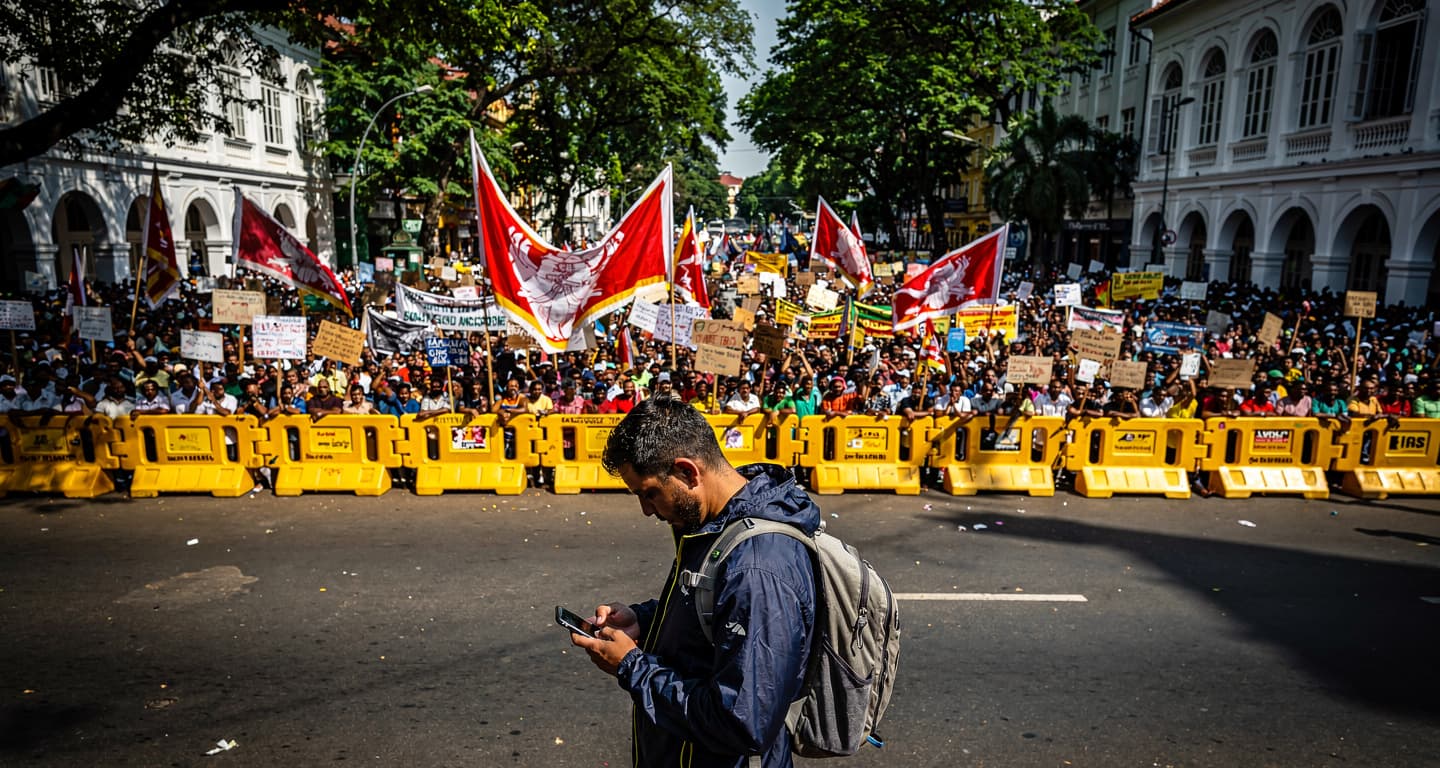
- Avoid all large gatherings and protest areas. Violence during Hartals is common, not exceptional. Canada’s advisory explicitly warns of high violence incidence during strikes.
Edge cases that compound risk
Dual nationals face reduced protection. If you hold both Australian and Bangladeshi citizenship, Bangladesh authorities treat you as a local citizen. Australia’s DFAT explicitly warns that consular assistance is limited—evacuation support may be unavailable during peak unrest.
Chittagong and Sylhet aren’t safe alternatives. While DAC sees the highest disruption concentration, port strikes affect Chittagong (CGP) industrial access, and road links to Sylhet (ZYL) remain fragile during nationwide actions. Neither offers reliable bypass during major Hartals.
Travel insurance likely won’t cover you. Most policies exclude “civil unrest” when government advisories warn “reconsider need to travel.” If you proceed despite warnings, verify your policy includes war-risk clauses covering extraction—premiums have increased 20-50% for Bangladesh coverage since late 2025.
For travelers weighing whether to proceed with Bangladesh plans, our analysis of elevated Asia flight pricing in 2026 explains why rebooking fees may be worth absorbing compared to stranding risks.
The decision framework
If your travel dates fall February 10-15, 2026: postpone if possible. The combination of official transport bans, historical Hartal patterns, and four-government advisories creates unacceptable stranding risk for discretionary travel.
If travel is non-cancelable: Airport hotel the night before departure is mandatory, not optional. Arrive at DAC 4+ hours early. Have contingency flights identified through alternative routing via Singapore or Bangkok if your primary connection fails.
Advisories remain valid as of February 2, 2026. Recheck travel.gc.ca, smartraveller.gov.au, and gov.uk/foreign-travel-advice within 24 hours of departure—strike calls can emerge overnight with minimal warning.
Questions? Answers.
Which hotels near Dhaka airport are safest during Hartals?
Pan Pacific Sonargaon sits 5km from DAC in the Baridhara diplomatic zone, where limited movement typically continues during strikes. Amari Dhaka offers airport shuttle service that operates during most disruptions. Book directly through hotel websites for 24/7 access guarantees—third-party bookings may not include shuttle priority.
How do I monitor Hartal announcements in real-time?
Follow Bdnews24 and official Bangladesh government portals. Strikes are announced 24-48 hours ahead, typically overnight. Set phone alerts for “hartal” combined with your travel dates. Local news apps provide faster updates than international wire services.
Are flights from DAC still operating during strikes?
Yes—the airport remains open and flights depart on schedule. The failure point is ground access, not aviation operations. Airlines may hold departures 1-2 hours for known disruptions but will eventually close boarding. Passengers who can’t reach the terminal miss their flights.
Does this affect connecting flights via Middle East hubs?
Missed DAC departures cascade to Doha, Dubai, or Singapore connections. Build minimum 6-hour buffers into international itineraries. If your connection is tighter, consider rerouting through calmer hubs like Bangkok or Singapore with separate positioning.
Will travel insurance cover missed flights due to Hartals?
Most policies exclude civil unrest when government advisories warn “reconsider need to travel.” Verify your policy includes war-risk clauses covering extraction and trip interruption. Premiums for Bangladesh coverage have increased 20-50% since late 2025 due to elevated risk classification.
Are Chittagong or Sylhet safer entry points than Dhaka?
Neither offers reliable bypass during major Hartals. Chittagong (CGP) faces port-related strikes affecting industrial areas, while Sylhet (ZYL) road links remain fragile during nationwide actions. Dhaka’s disruption concentration is highest, but alternatives aren’t immune.